MoG+3.0: expanded structural variant visualization and integration of genomic data from five newly analyzed mouse strains
Toyoyuki Takada, Hideyuki Miyazawa, Masanobu Yamagata, Masaru Tamura, Atsushi Yoshiki, Atsushi Toyoda, Hideki Noguchi, Hiroshi Masuya

TL;DR
MoG+3.0 is an updated mouse genome database that includes new data on genetic variations from five mouse strains, helping researchers study diseases and traits in mice.
Contribution
The paper introduces MoG+3.0, which adds structural variant visualization and new genomic data from five mouse strains.
Findings
MoG+3.0 includes SNP, indel, and structural variant data from five new mouse strains.
The database now allows visual examination of structural variants that were previously hard to detect.
The updated database is expected to improve research on mouse disease models and phenotypes.
Abstract
The MoG+ (Mouse Genome database with high added value), which has been operational since 2019, provides detailed visualization of genomic variations in mouse experimental strains, including wild-derived inbred strains, in particular those maintained at RIKEN BioResource Research Center. Here, we report on the enhancement of MoG+ by inclusion of the latest genome reports and by incorporation of structural variation (SV) information from recent analyses. The latter included long-read sequencing studies of the disease model strains FLS/Shi, NC/Nga, STR/OrtCrlj, JF1/Ms, and MSM/Ms. These studies described SNPs (4,482,628 to 19,644,769), short indels (726,646 to 2,391,782), and SVs such as insertions (32,949 to 131,311), deletions (28,259 to 102,226), and inversions (32 to 164). The new version of the database, which is named MoG+3.0, includes a feature that allows users to visually observe…
Genes, proteins, chemicals, diseases, species, mutations and cell lines named across the full text — each resolved to its canonical identifier and authoritative record.
Click any figure to enlarge with its caption.
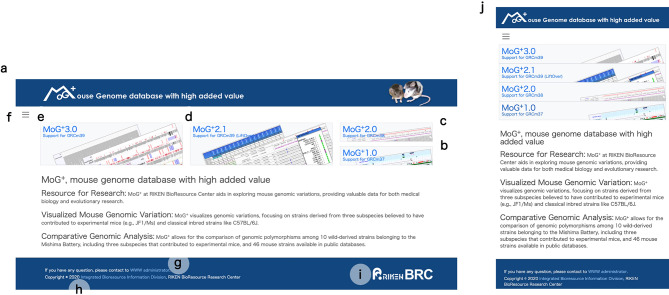 Figure 1
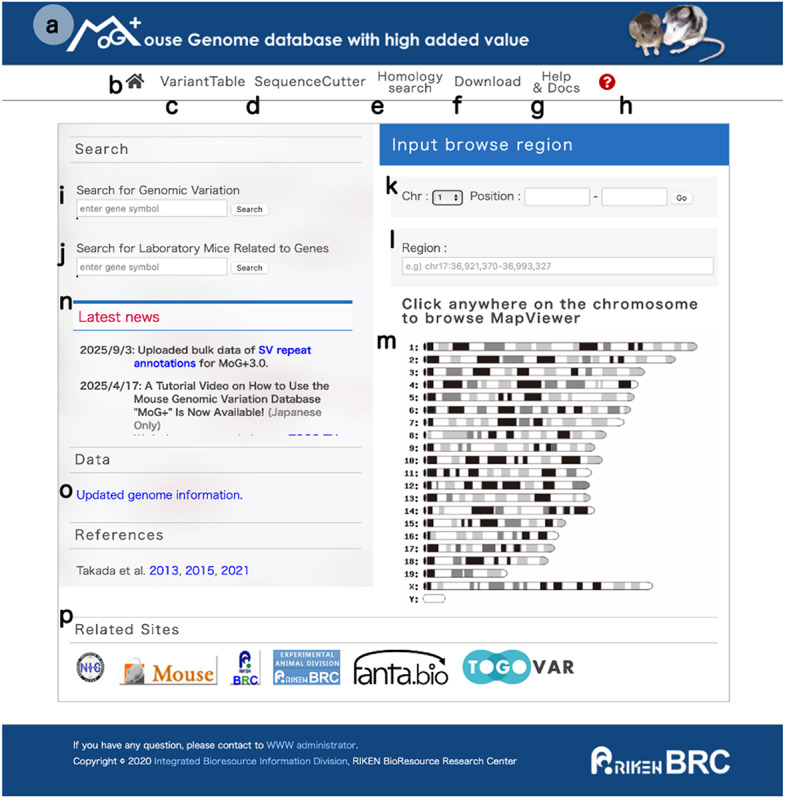 Figure 2
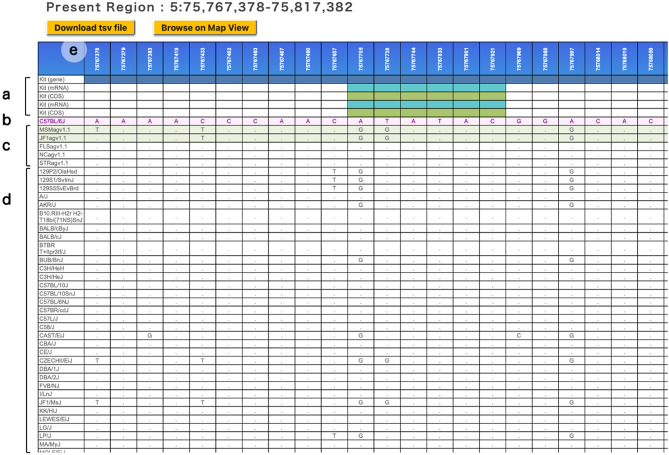 Figure 3
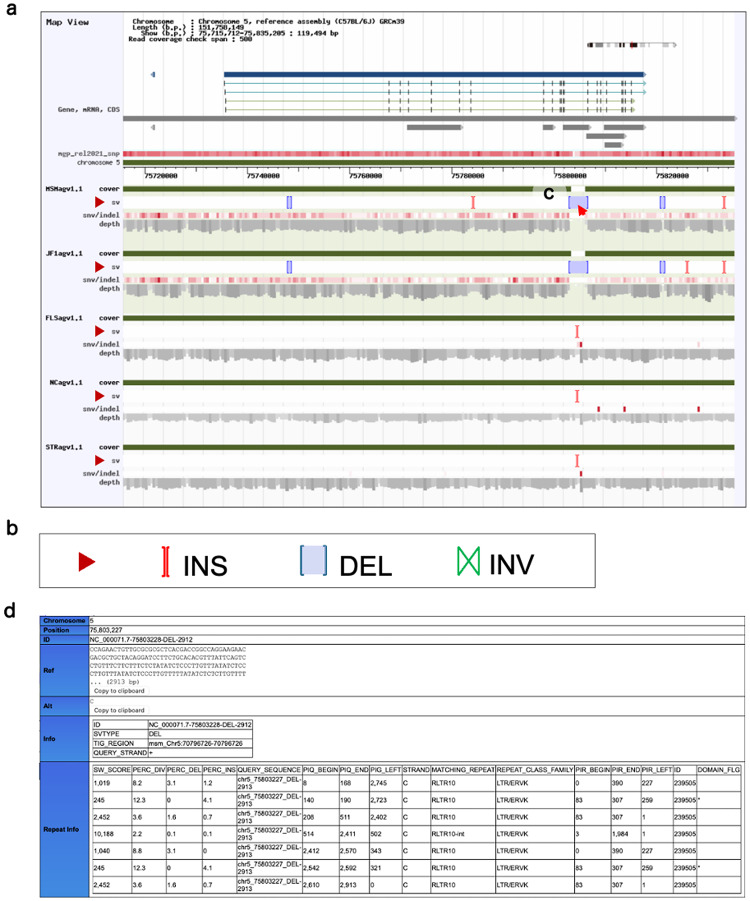 Figure 4
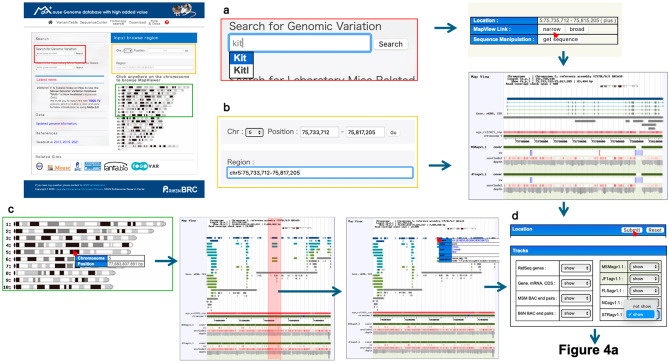 Figure 5
Peer Reviews
No public reviews on file for this paper yet. If you reviewed it on a platform where reviews are public (OpenReview, ICLR, NeurIPS, ICML), you can paste yours below so the community can read it here.
Videos
No videos yet. Explain this paper in a talk, walkthrough, or lecture? Add one.
Taxonomy
TopicsGenetic Mapping and Diversity in Plants and Animals · Genomics and Phylogenetic Studies · Genomics and Rare Diseases