“AND” or “OR” logic operations of DNA probes: Fluorescent detection and discrimination of ovarian cancer cells via dual-microRNA in complex environments
Guanghui Wang, Yuting Li, Shuangjie Liu, Jing Li, Meizhen Yao, Jiaxiang Cheng, Ting Chen, Jia Zhang, Fenglei Gao, Wensheng Du, Lei Hua

TL;DR
This paper introduces a new DNA-based biosensing method using 'AND' or 'OR' logic to detect ovarian cancer cells with high specificity and sensitivity.
Contribution
The novel contribution is a dual-miRNA detection system using hairpin structures and DNA logic for improved cancer cell discrimination.
Findings
The 'AND' logic pathway requires both miR-221 and miR-96 for fluorescence signal activation with LODs of 0.1792 nM and 0.1990 nM.
The 'OR' logic pathway allows signal output from either miR-221 or miR-96, with LODs of 0.1020 nM and 0.056 nM, respectively.
The system shows high specificity in SKOV3 cells and can be adapted to other miRNA combinations through DNA sequence reprogramming.
Abstract
The development of DNA logic circuits has enabled novel signal carriers for the identification of cancer cells. Addressing the limitations of single-target detection in ovarian cancer, including insufficient specificity and signal delay, this study innovatively constructs a dual-miRNA detection system based on “AND” or “OR” logic operations. In the “AND” logic pathway, both miR-221 (LOD is 0.1792 nM) and miR-96 (LOD is 0.1990 nM) are required to cooperatively trigger strand displacement amplification (SDA) for fluorescence signal activation. In contrast, the “OR” logic pathway enables signal output through either miR-221 or miR-96 (LODs are 0.1020 nM and 0.056 nM, respectively), significantly enhancing sensitivity for low-abundance samples. The core innovation lies in the hairpin structure-mediated miRNA recycling mechanism, where competitive binding allows target molecules to…
Genes, proteins, chemicals, diseases, species, mutations and cell lines named across the full text — each resolved to its canonical identifier and authoritative record.
Click any figure to enlarge with its caption.
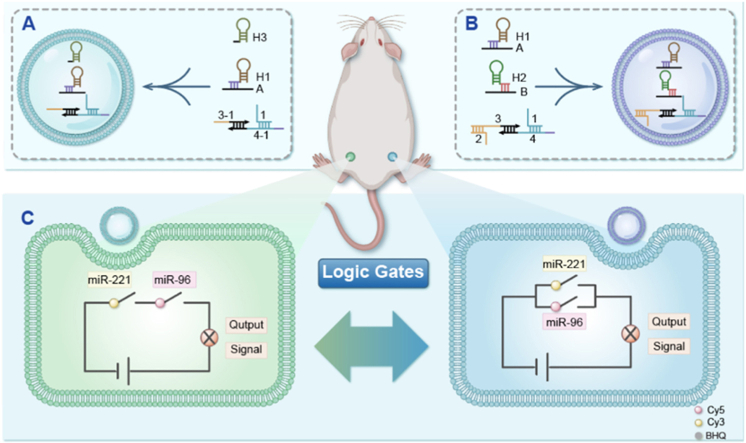 Figure 1
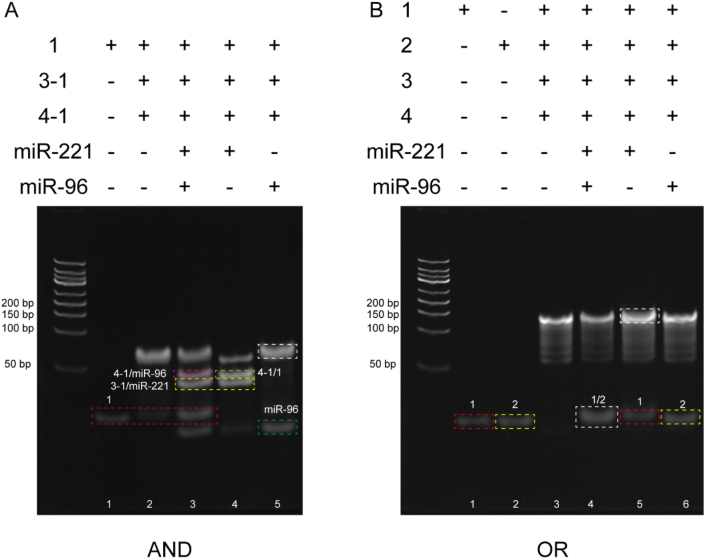 Figure 2
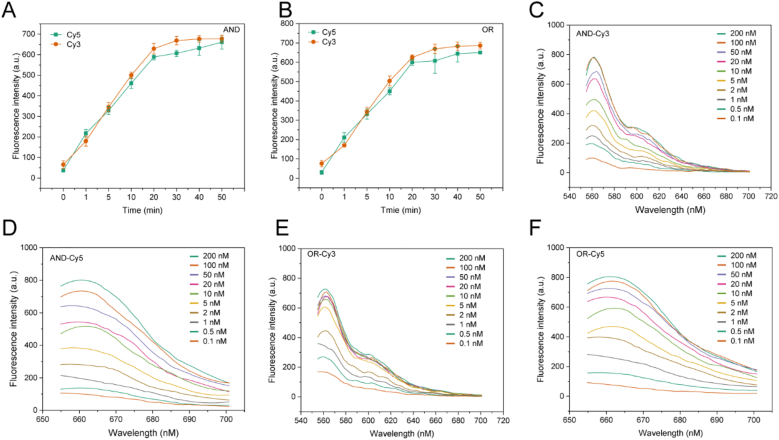 Figure 3
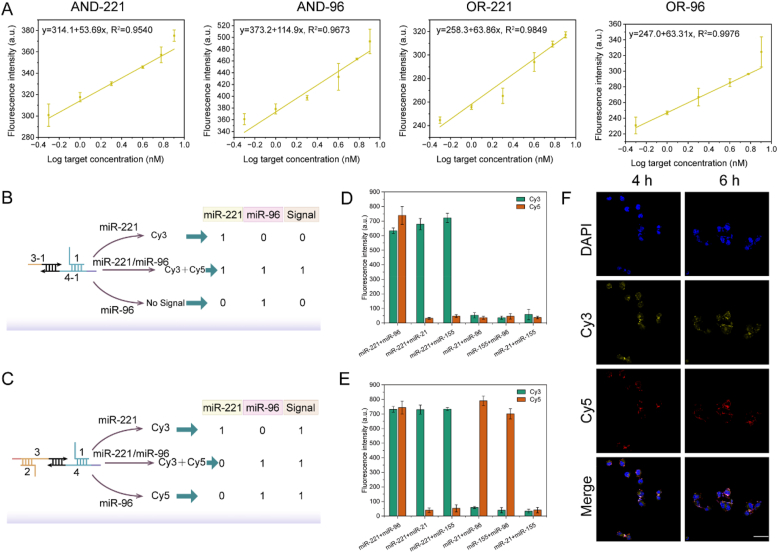 Figure 4
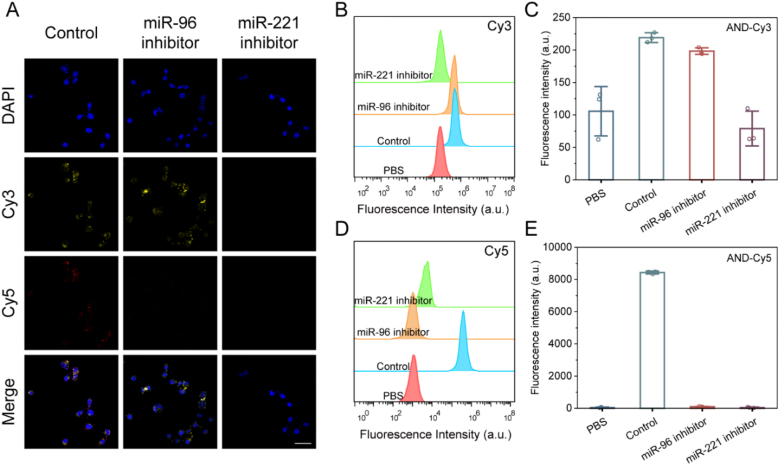 Figure 5
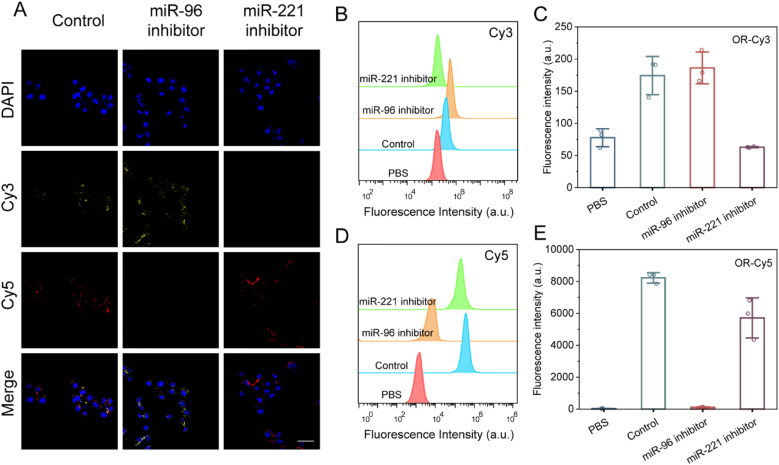 Figure 6
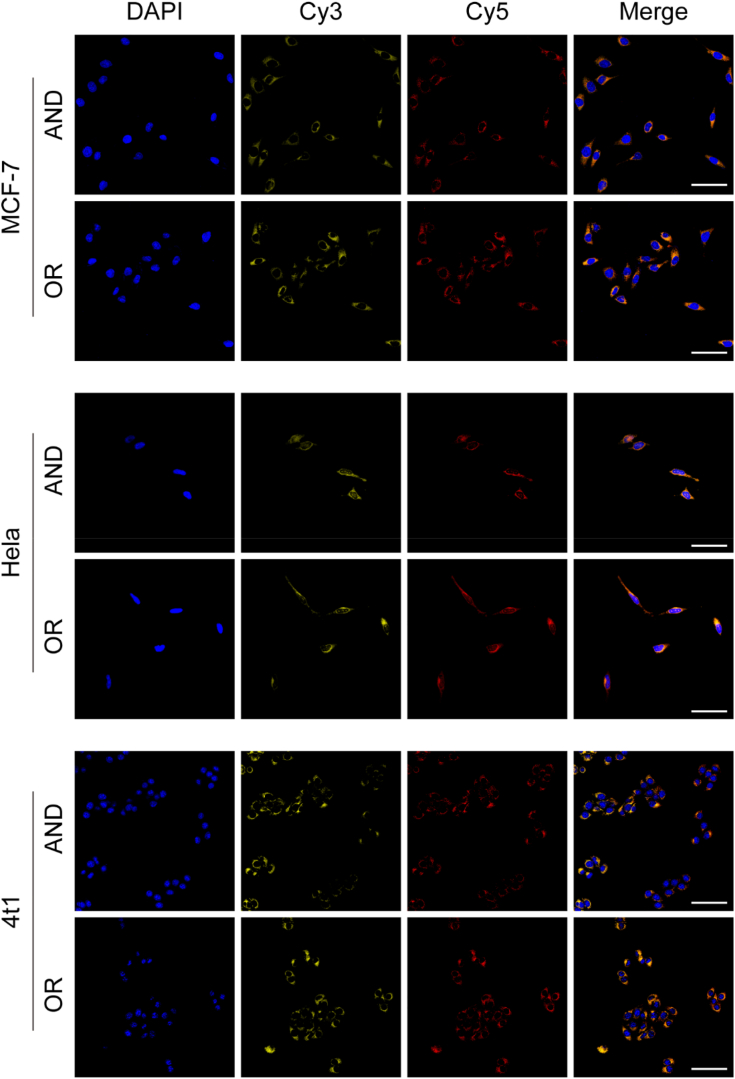 Figure 7
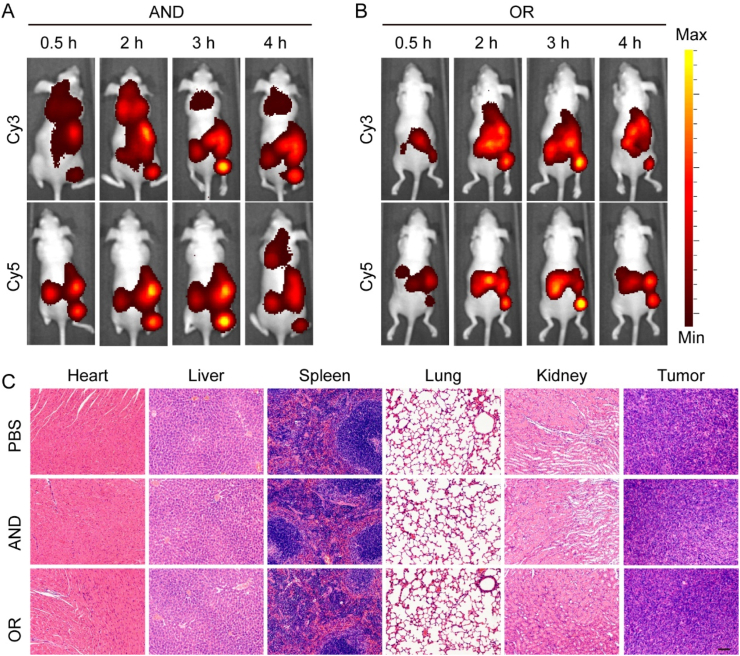 Figure 8
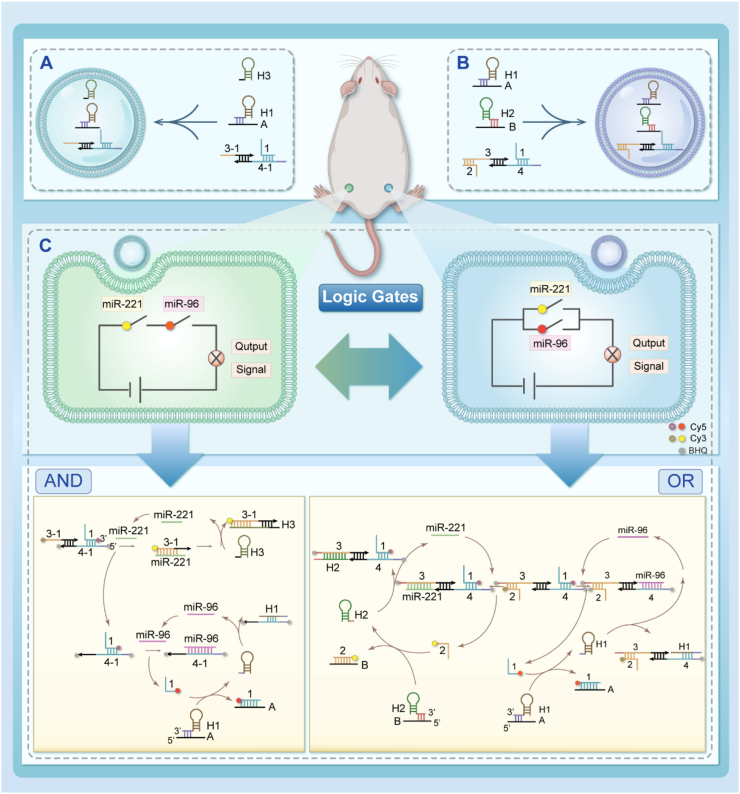 Figure 9
Peer Reviews
No public reviews on file for this paper yet. If you reviewed it on a platform where reviews are public (OpenReview, ICLR, NeurIPS, ICML), you can paste yours below so the community can read it here.
Videos
No videos yet. Explain this paper in a talk, walkthrough, or lecture? Add one.
Taxonomy
TopicsAdvanced biosensing and bioanalysis techniques · MicroRNA in disease regulation · RNA Interference and Gene Delivery