An optimized transfer learning approach integrating deep convolutional feature extractors for malaria parasite classification in erythrocyte microscopy
C. Kishor Kumar Reddy, P. R. Anisha, Ahlam Almushharaf, Radhika Talla, Jamel Baili, Yongwon Cho, Yunyoung Nam

TL;DR
This paper introduces an ensemble learning approach that combines multiple deep learning models to improve malaria parasite classification in blood smear images.
Contribution
The novel contribution is an optimized transfer learning ensemble method that outperforms standalone models in malaria diagnosis accuracy.
Findings
The ensemble model achieved 97.93% test accuracy in classifying parasitized and uninfected blood cells.
The model outperformed standalone models like Custom CNN and CNN-SVM in terms of accuracy and F1-score.
The approach is scalable and suitable for resource-limited settings, reducing reliance on manual microscopy.
Abstract
Malaria, caused by Plasmodium parasites transmitted through bites from infected female Anopheles mosquitoes, results in severe symptoms such as anemia and potential organ failure. The high prevalence of malaria necessitates reliable diagnostic methods to reduce the workload of microscopists, particularly in resource-limited settings. This paper evaluates the efficacy of an ensemble learning approach for automated malaria diagnosis. The proposed model integrates convolutional ensemble methods, combining outputs from transfer learning architectures such as VGG16, ResNet50V2, DenseNet201, and VGG19. Data augmentation and pre-processing techniques were applied to enhance robustness, and the ensemble approach was fine-tuned for optimal hyperparameters. The ensemble achieves a test accuracy of 97.93% by combining a evidence of CNN with multiple transfer learning models (VGG16, ResNet50V2,…
Genes, proteins, chemicals, diseases, species, mutations and cell lines named across the full text — each resolved to its canonical identifier and authoritative record.
Click any figure to enlarge with its caption.
 Figure 1
 Figure 2
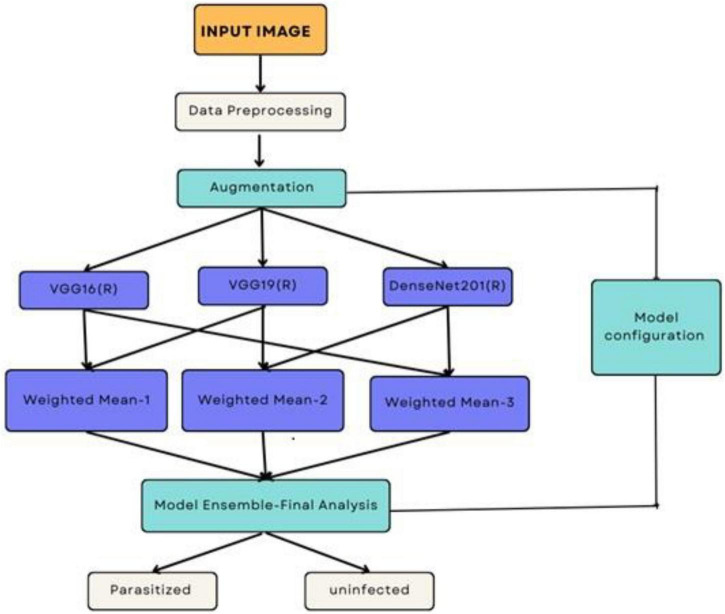 Figure 3
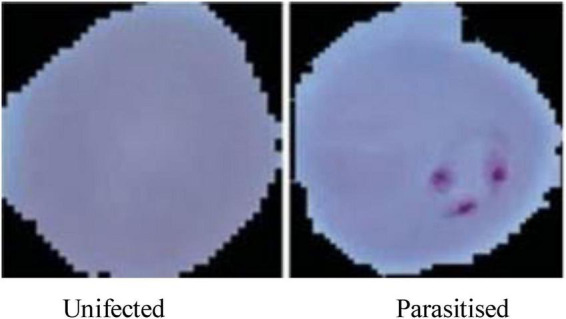 Figure 4
 Figure 5
 Figure 6
 Figure 7
 Figure 8
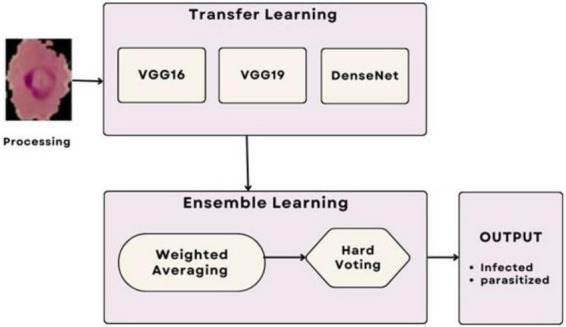 Figure 9
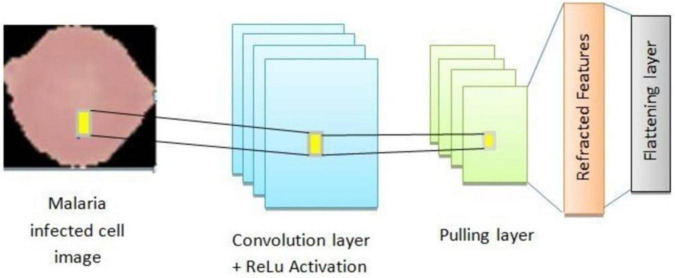 Figure 10
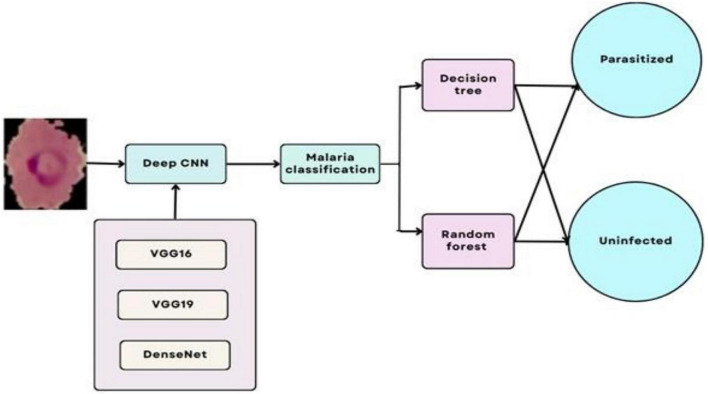 Figure 11
 Figure 12
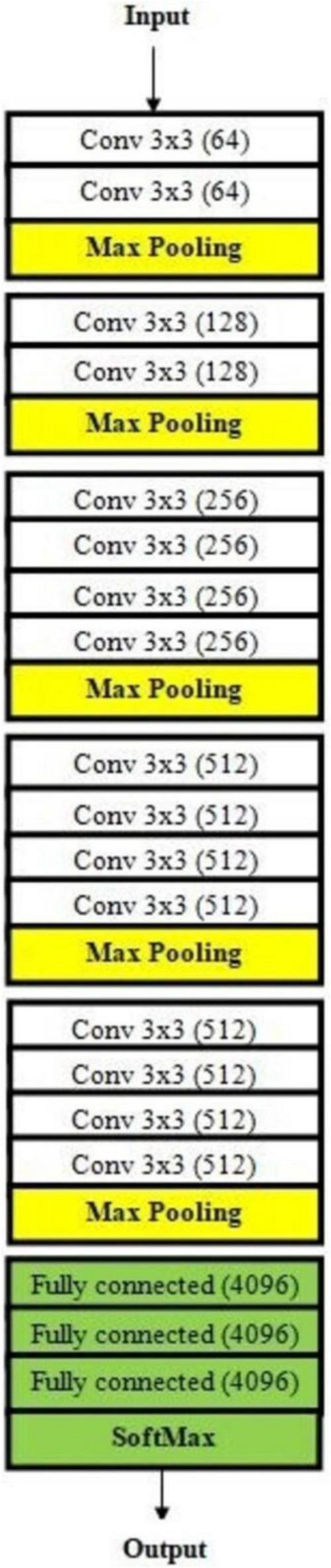 Figure 13
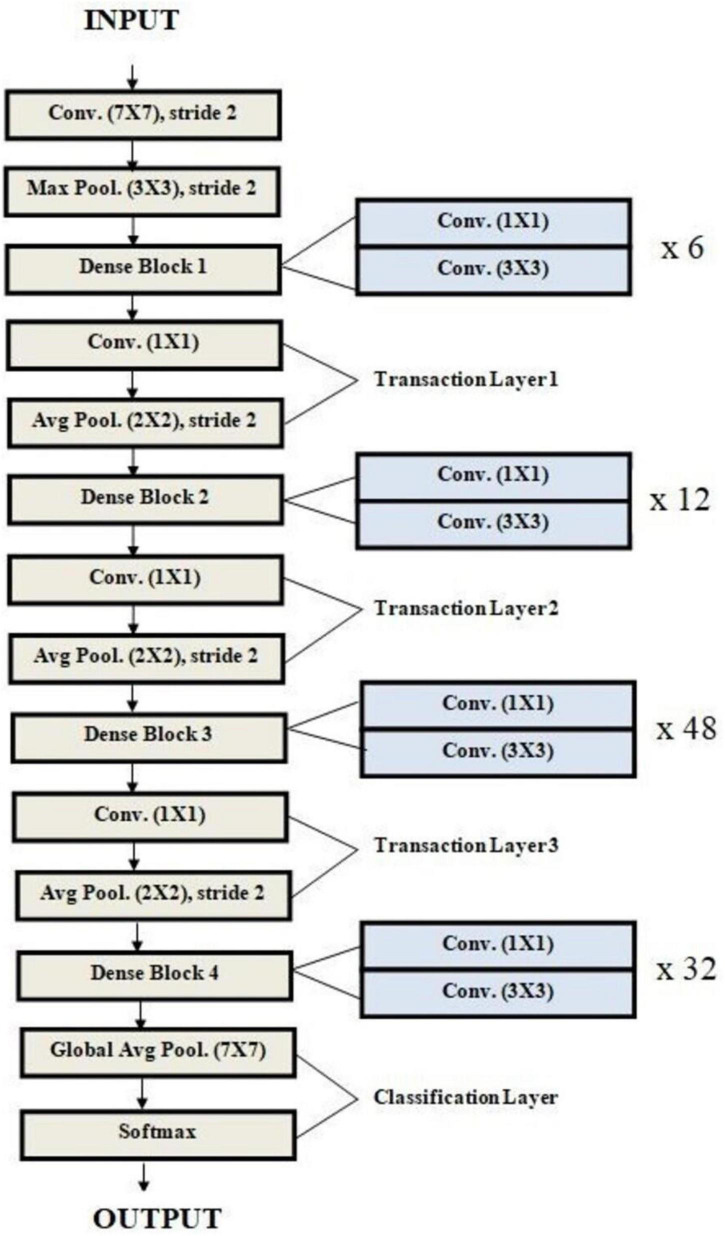 Figure 14
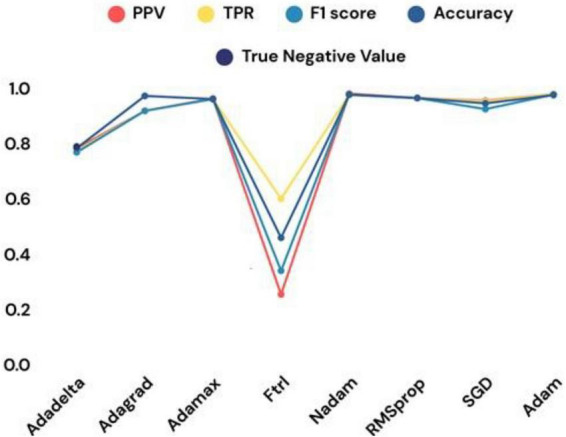 Figure 15
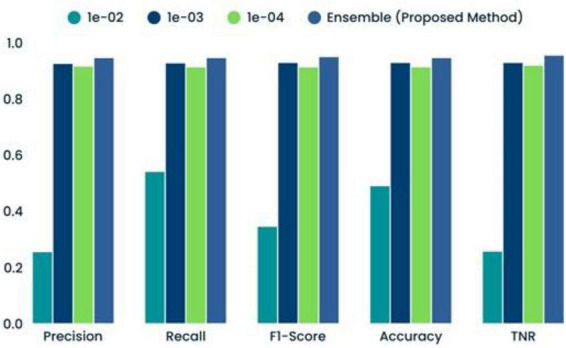 Figure 16
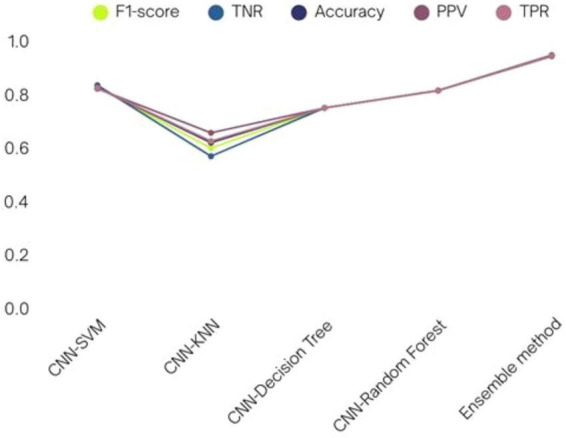 Figure 17
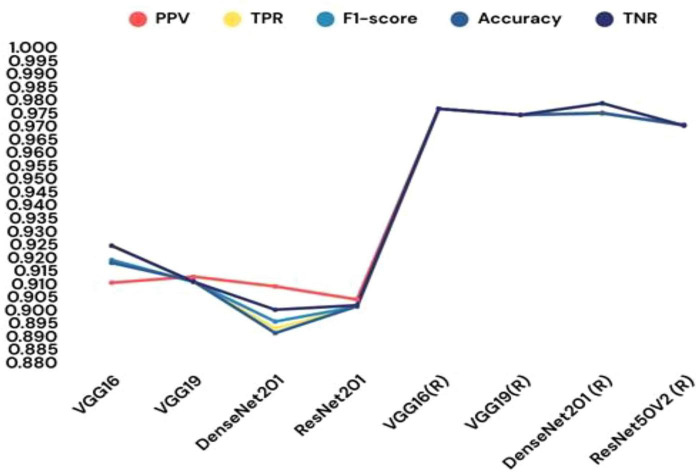 Figure 18
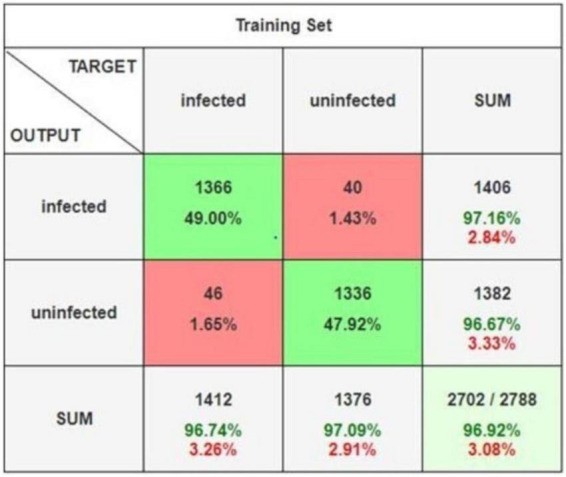 Figure 19
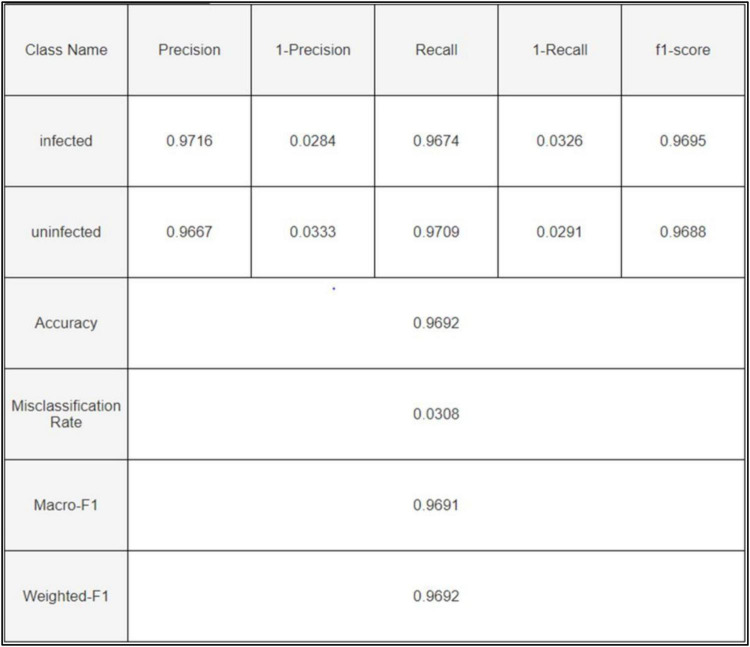 Figure 20
Peer Reviews
No public reviews on file for this paper yet. If you reviewed it on a platform where reviews are public (OpenReview, ICLR, NeurIPS, ICML), you can paste yours below so the community can read it here.
Videos
No videos yet. Explain this paper in a talk, walkthrough, or lecture? Add one.
Taxonomy
TopicsDigital Imaging for Blood Diseases · Malaria Research and Control · Biosensors and Analytical Detection