Efficacy and safety of oral ivermectin versus benzyl benzoate for the treatment of scabies: a systematic review and meta-analysis of randomized controlled trials
Ahmed Abu-Zaid, Hoor Ahmad AlBdah, Latifa AlKandari, Retaj S. Aljuma, Shaikha T. H. Alhussaini, Hawraa Yaqoub Alqallaf, Fai M. Alsaleeli, Rashed Ahmed Soud Alhusaini, Danah S. Alrasheedi, Jumanah Abdulrahman Alshammari, Ali Ashkanani, Abdullah M. Alharran

TL;DR
Oral ivermectin and topical benzyl benzoate are equally effective for treating scabies, but ivermectin causes fewer side effects and is easier to administer.
Contribution
A systematic review and meta-analysis comparing the efficacy and safety of oral ivermectin and topical benzyl benzoate for scabies treatment.
Findings
Ivermectin and benzyl benzoate showed similar cure rates at all time points.
Ivermectin had significantly fewer adverse events, especially burning/stinging.
Practical advantages of oral administration make ivermectin a preferable treatment option.
Abstract
Oral ivermectin and topical benzyl benzoate are two common treatment options for scabies, but there is ongoing discussion regarding their relative safety and efficacy. A thorough synthesis of the available evidence is required to inform treatment decisions because of the clinical debate caused by the contradictory findings from current randomized controlled trials (RCTs). A systematic review and meta-analysis were conducted on evidence retrieved from PubMed, Scopus, Web of Science, and CENTRAL for RCTs up to August 2025. The primary outcome was the cure rate. Secondary outcomes included pruritus improvement and the incidence of adverse events. Stata MP v. 18 was used to pool outcomes. Ten RCTs involving 1,105 patients were included. Cure rates showed no significant difference between ivermectin and benzyl benzoate at 1 week (RR: 1.07, 95% CI [0.88, 1.30], p = 0.51), 2–4 weeks (RR:…
Genes, proteins, chemicals, diseases, species, mutations and cell lines named across the full text — each resolved to its canonical identifier and authoritative record.
Click any figure to enlarge with its caption.
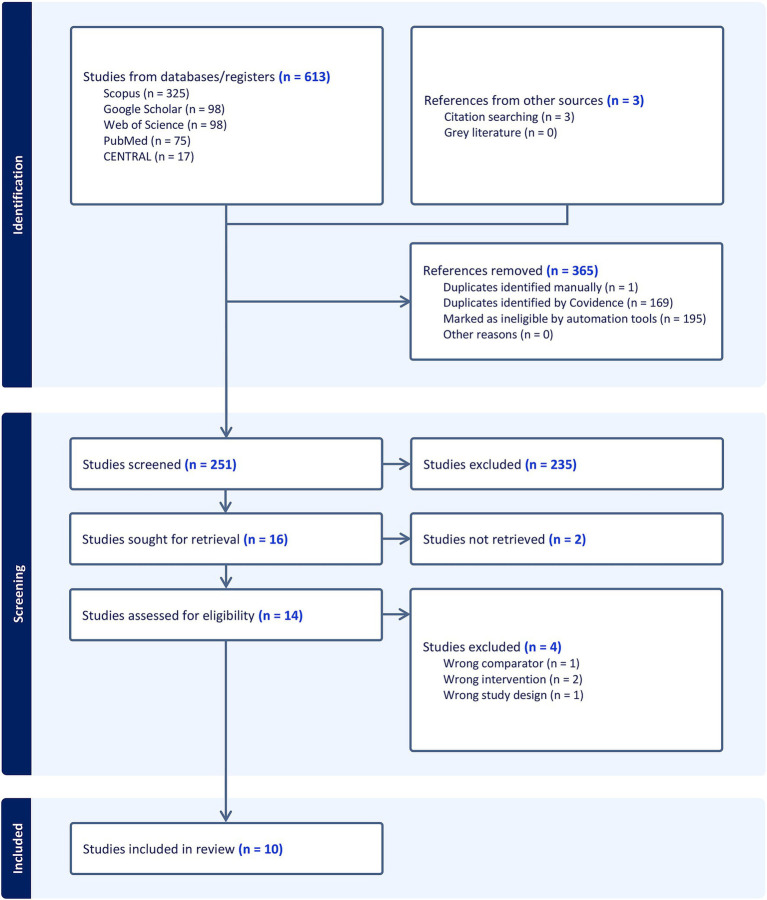 Figure 1
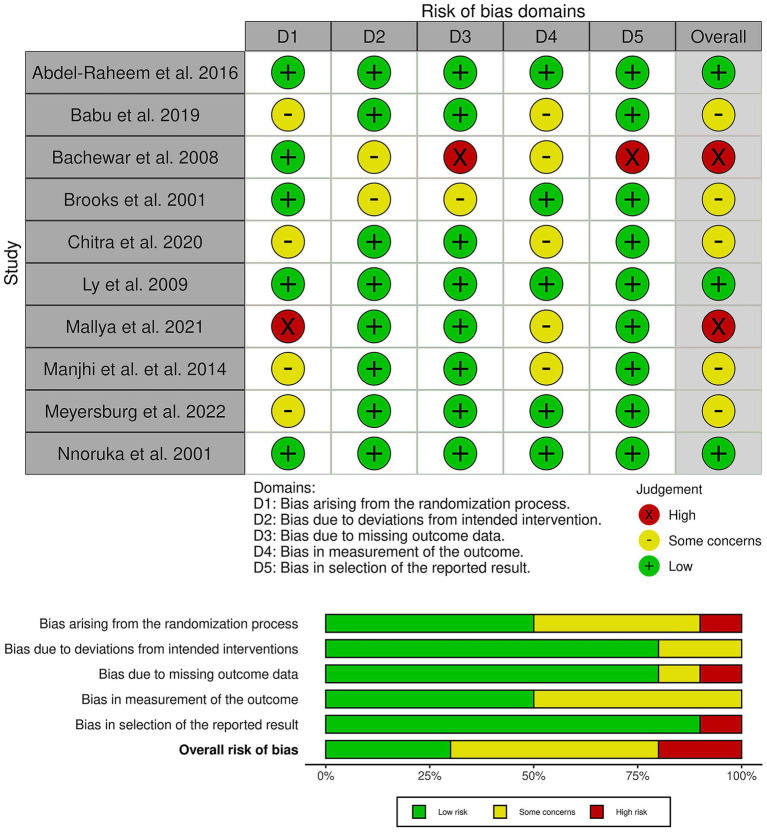 Figure 2
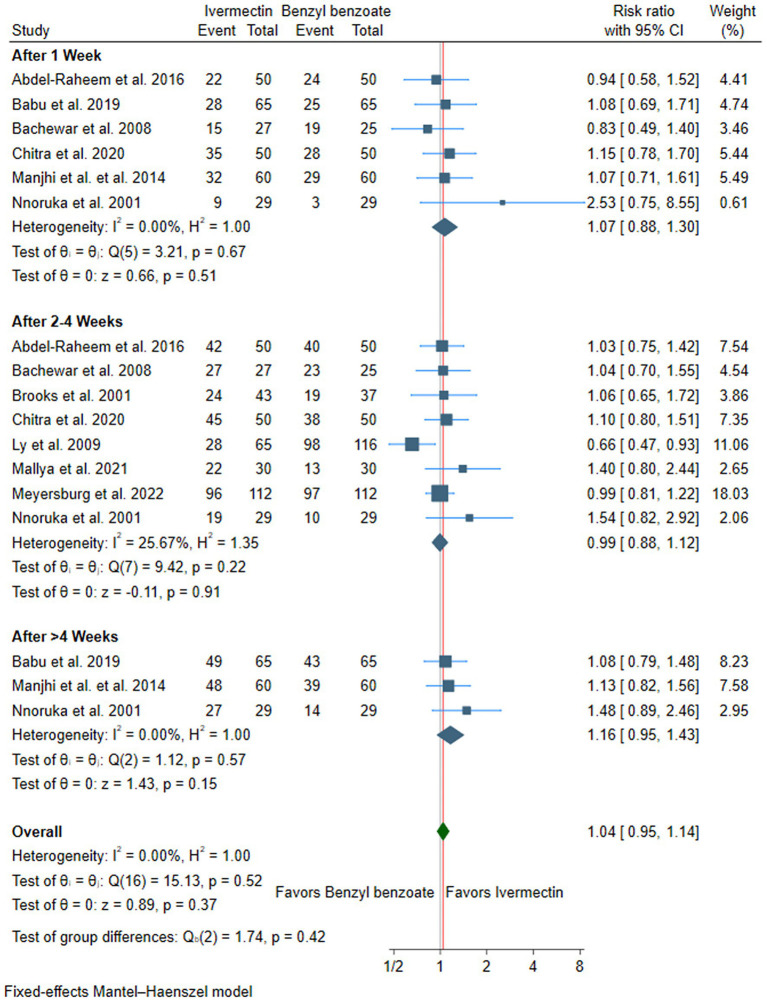 Figure 3
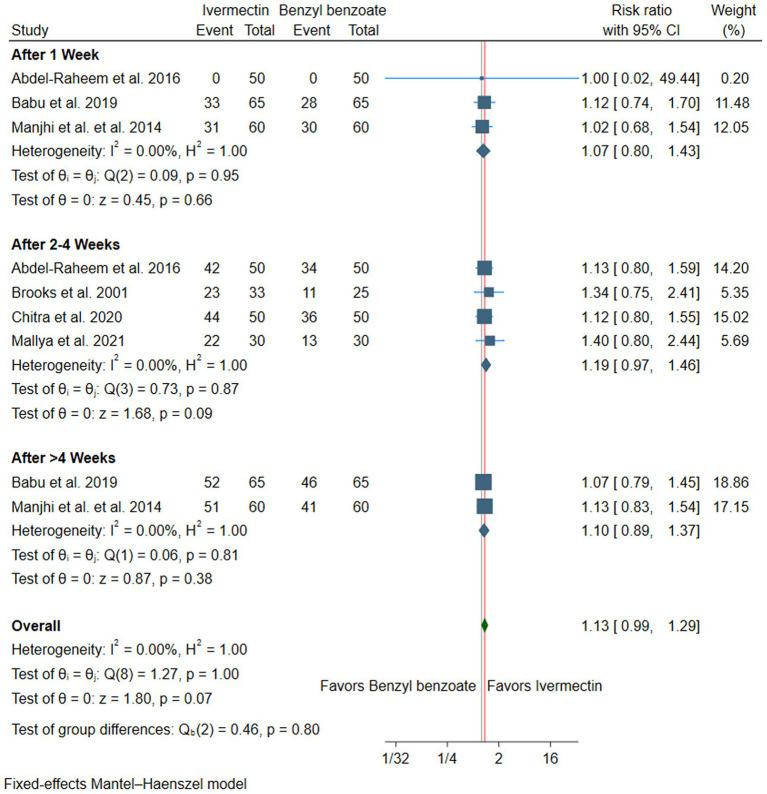 Figure 4
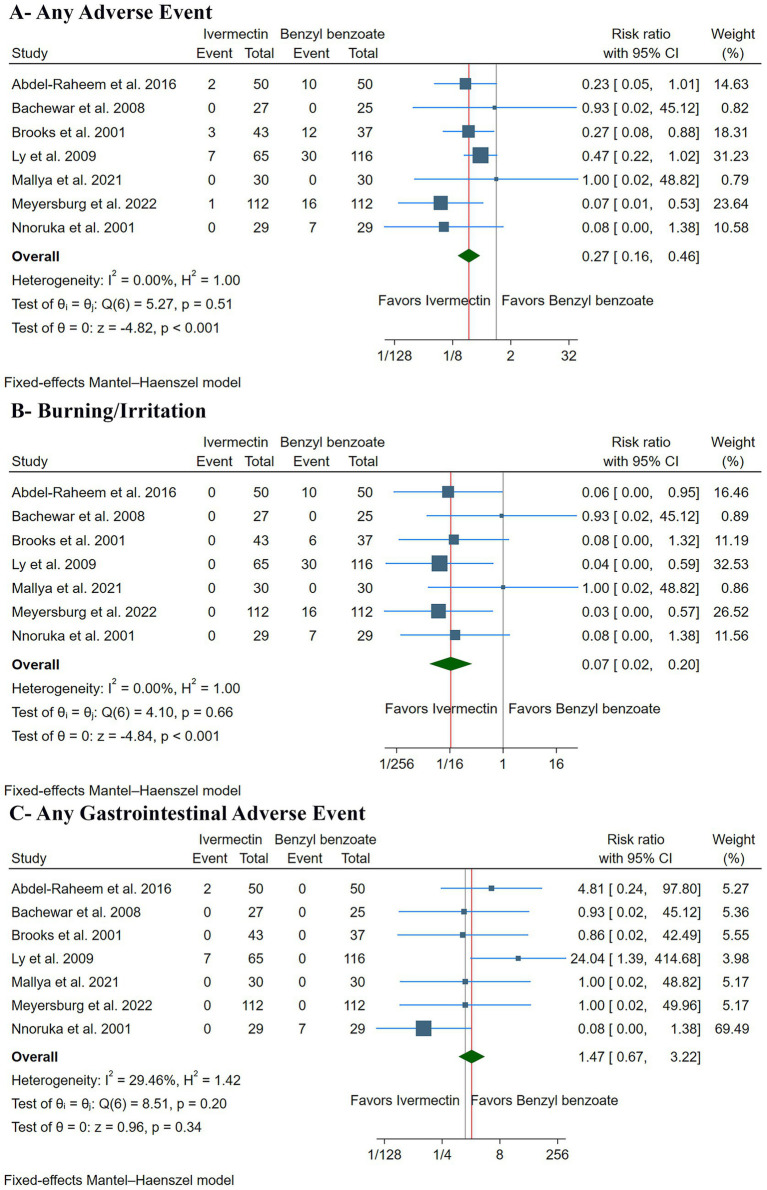 Figure 5
Peer Reviews
No public reviews on file for this paper yet. If you reviewed it on a platform where reviews are public (OpenReview, ICLR, NeurIPS, ICML), you can paste yours below so the community can read it here.
Videos
No videos yet. Explain this paper in a talk, walkthrough, or lecture? Add one.
Taxonomy
TopicsDermatological diseases and infestations · Helminth infection and control · Nail Diseases and Treatments