Impact of High‐Risk HPV Infection on PI3K, MALAT1, H19 and LINC00460 Expression in Cervical Cells
Niloofar Neisi, Farzaneh Mousavikish, Mohammad Navid Bastani, Mehdi Parsanahad, Roya Pirmoradi

TL;DR
This study shows that high-risk HPV infection increases the expression of specific genes and non-coding RNAs in cervical cells, which may contribute to cervical cancer development.
Contribution
The study identifies significant upregulation of PI3K, MALAT1, H19, and LINC00460 in HPV-infected cervical cells, highlighting their potential as biomarkers.
Findings
PI3K, MALAT1, H19, and LINC00460 were significantly upregulated in HPV-positive samples.
The upregulation suggests a potential role in HPV-mediated cervical cancer development.
E6/E7 oncoproteins showed trends with lncRNAs, but correlations were not statistically significant.
Abstract
High‐risk human papillomavirus (HPV) is a central factor in cervical cancer development, largely due to its E6 and E7 oncoproteins that disrupt normal cellular regulation. This study explored the influence of high‐risk HPV on the expression of PI3K and the long non‐coding RNAs (lncRNAs) MALAT1, H19 and LINC00460 in cervical cells. Using a case–control design, cervical liquid samples from 50 HPV‐positive patients and 20 healthy controls were analysed via quantitative real‐time PCR, with statistical methods employed to assess correlations between viral oncoproteins and target gene expression. Results demonstrated a significant upregulation of PI3K (24.59‐fold change, p < 0.036), MALAT1 (9.75‐fold change, p < 0.005), LINC00460 (1.15‐fold change, p < 0.013) and H19 (7.1‐fold change, p < 0.018) in HPV‐infected samples, indicating their potential role in HPV‐mediated oncogenesis. Although…
Genes, proteins, chemicals, diseases, species, mutations and cell lines named across the full text — each resolved to its canonical identifier and authoritative record.
Click any figure to enlarge with its caption.
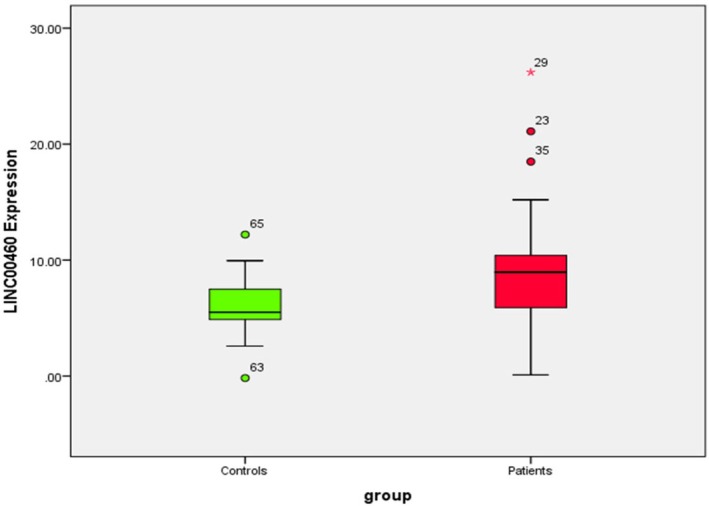 Figure 1
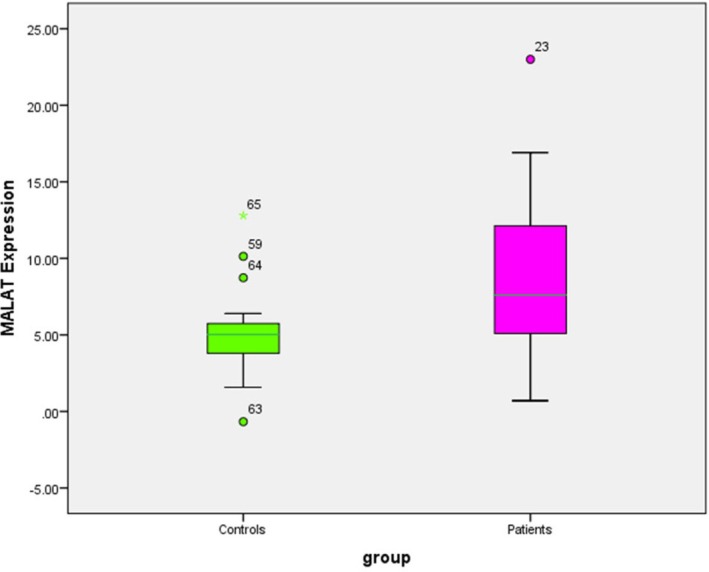 Figure 2
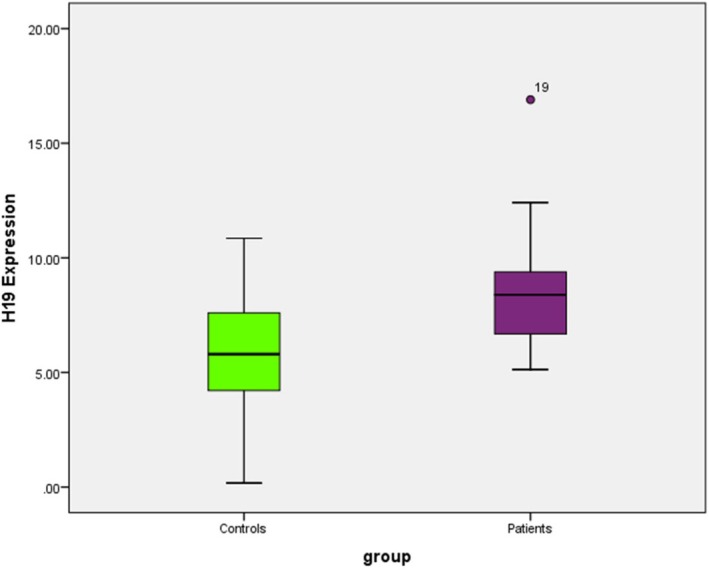 Figure 3
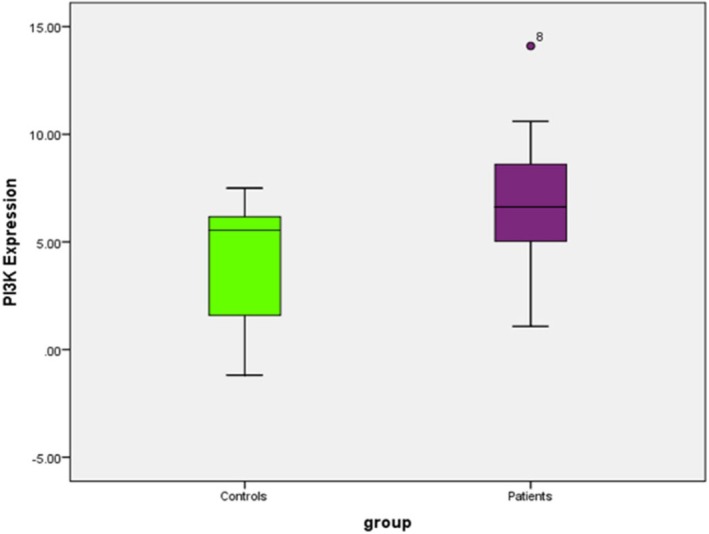 Figure 4
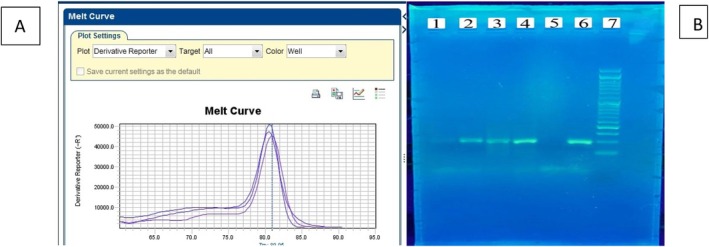 Figure 5
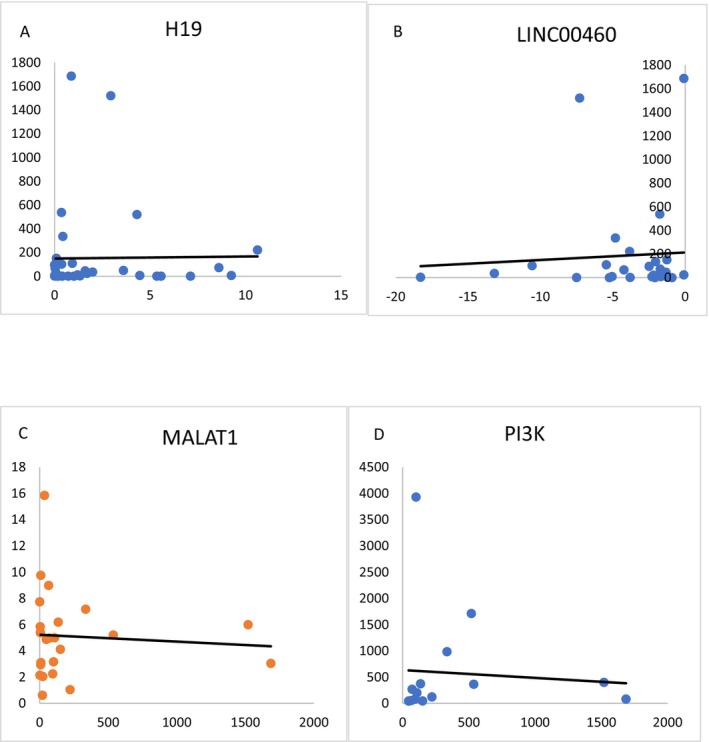 Figure 6
Peer Reviews
No public reviews on file for this paper yet. If you reviewed it on a platform where reviews are public (OpenReview, ICLR, NeurIPS, ICML), you can paste yours below so the community can read it here.
Videos
No videos yet. Explain this paper in a talk, walkthrough, or lecture? Add one.
Taxonomy
TopicsCervical Cancer and HPV Research · Endometrial and Cervical Cancer Treatments · Cancer-related molecular mechanisms research