Genomic islands in Pseudomonas encode modular hotspots of defence and anti-defence systems
Stephen R Garrett, Samantha K Tucker, Vojtech Pavelka, Andrew J Roe, Giuseppina Mariano

TL;DR
This study reveals that genomic islands in Pseudomonas bacteria are hotspots for defense and anti-defense systems, playing a key role in bacterial immunity and evolution.
Contribution
The paper identifies 11 conserved hotspots in Pseudomonas islands that encode defense and anti-defense systems, redefining their role in bacterial immunity.
Findings
Genomic islands in Pseudomonas serve as hubs for defense and anti-defense systems, not typically linked to virulence or resistance.
These hotspots are found across diverse Pseudomonas species and other genera, indicating widespread evolutionary significance.
The co-occurrence of defense and anti-defense genes suggests an ongoing molecular arms race between bacteria and phages.
Abstract
Bacteria use diverse defence systems to resist phage predation, many of which cluster within mobile genetic elements (MGEs) and defence islands. In Pseudomonas aeruginosa, genomic and pathogenicity islands—such as the pathogenicity islands (PAPI), genomic islands (PAGI), and Liverpool epidemic strain islands (LESGI)—have been linked to virulence and adaptation, but their contribution to the organization and spread of defence systems remains unexplored. Here, we show that these islands serve as hubs for the assembly and spread of defence systems, revealing an underappreciated role in shaping the bacterium’s antiviral arsenal. We identify 11 conserved hotspots that encode defence and anti-defence genes, but rarely co-occur with virulence factors, resistance genes, or interbacterial competition modules. The frequent co-occurrence of defence and anti-defence genes within these loci points…
Genes, proteins, chemicals, diseases, species, mutations and cell lines named across the full text — each resolved to its canonical identifier and authoritative record.
Click any figure to enlarge with its caption.
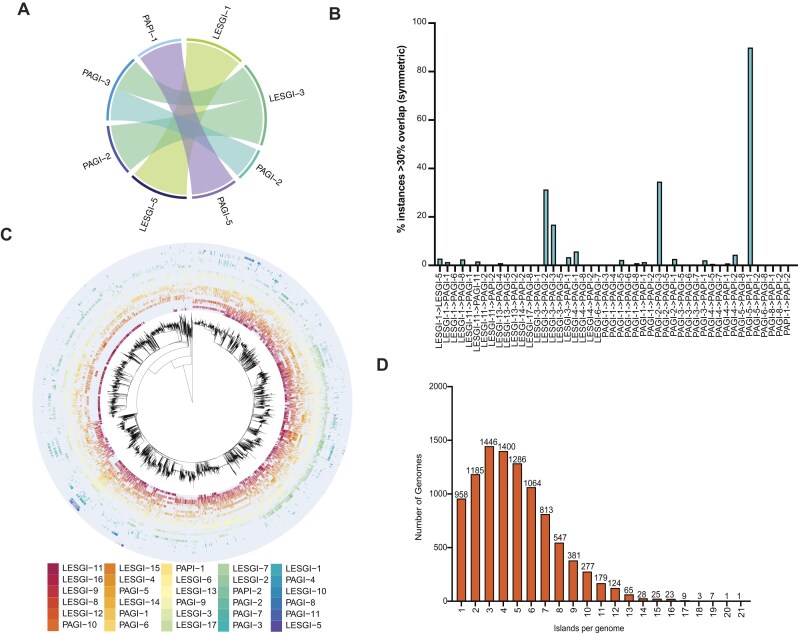 Figure 1
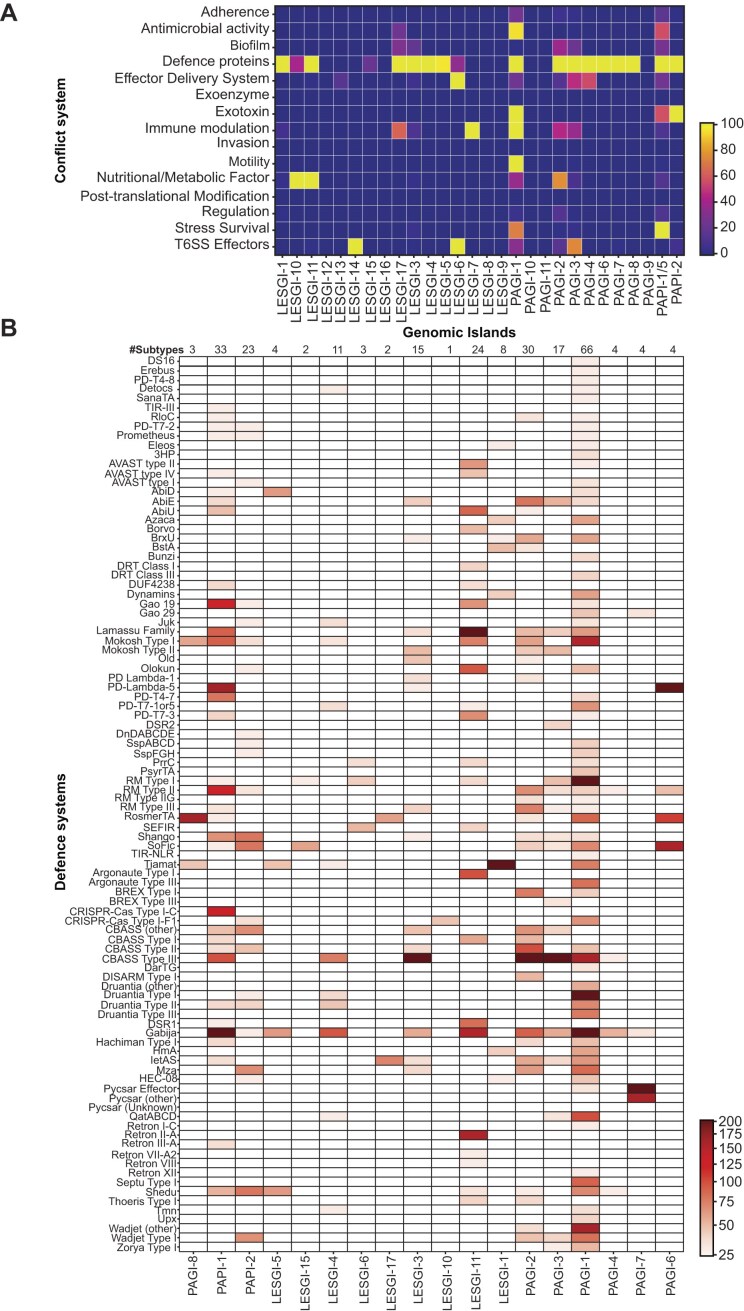 Figure 2
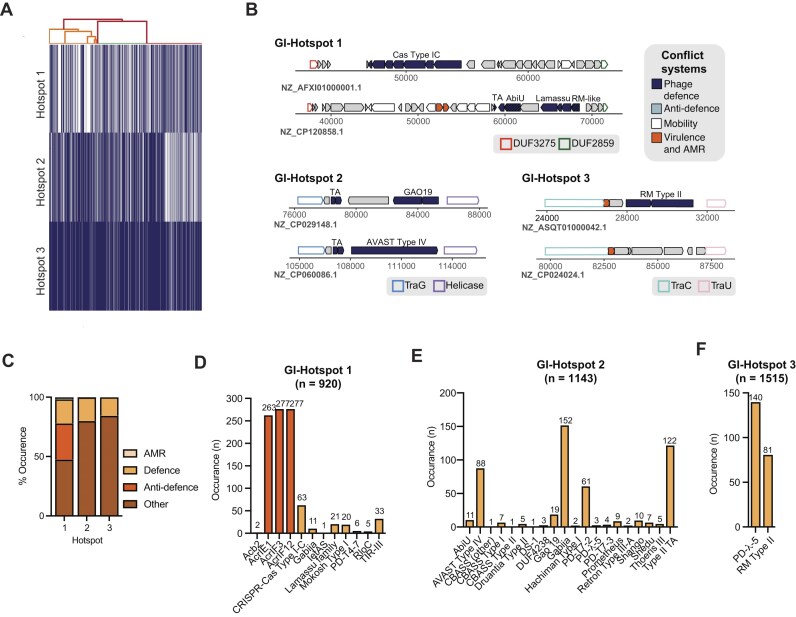 Figure 3
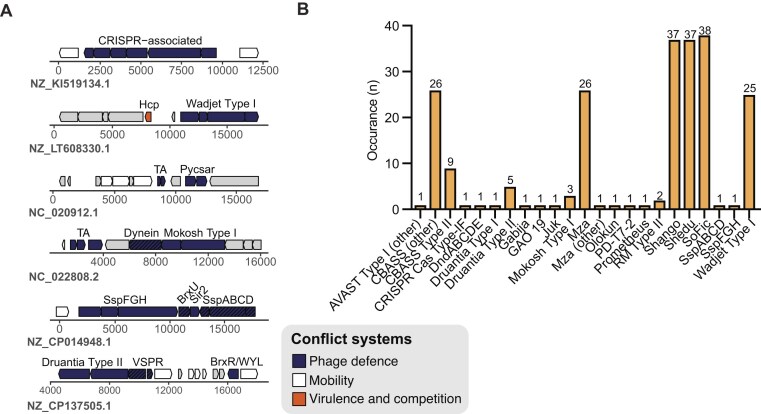 Figure 4
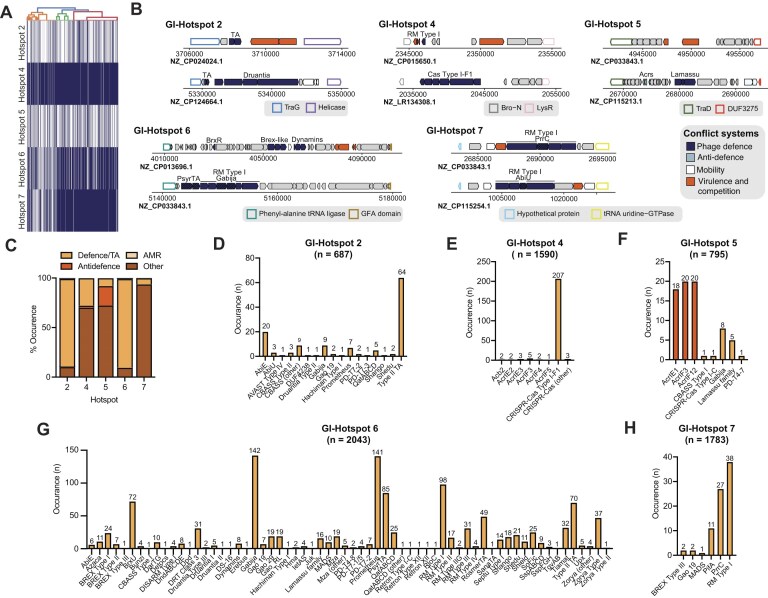 Figure 5
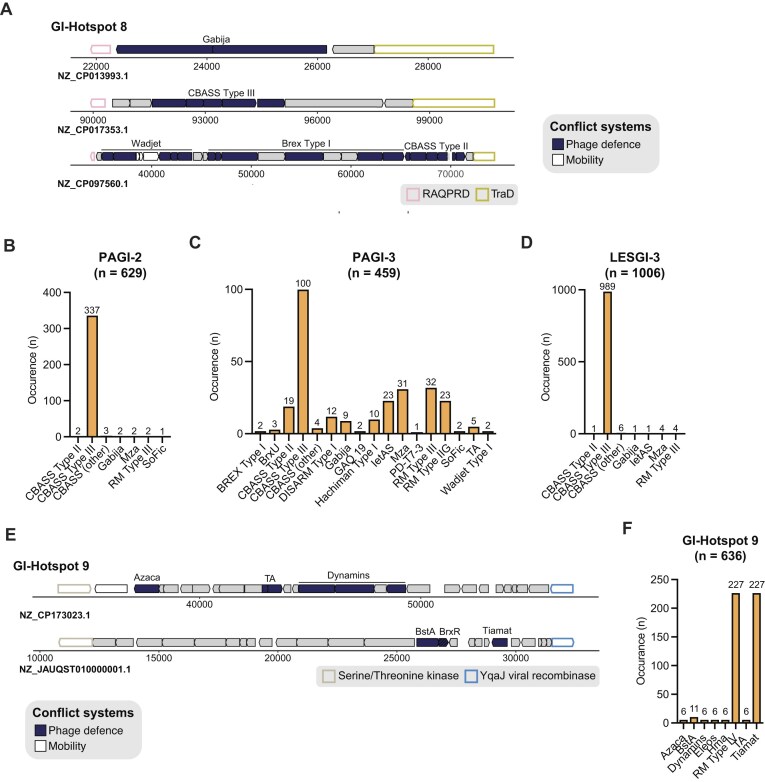 Figure 6
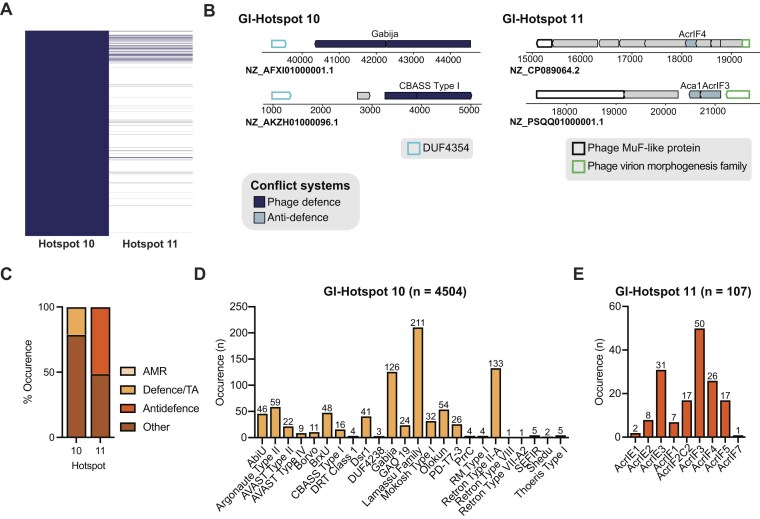 Figure 7
Peer Reviews
No public reviews on file for this paper yet. If you reviewed it on a platform where reviews are public (OpenReview, ICLR, NeurIPS, ICML), you can paste yours below so the community can read it here.
Videos
No videos yet. Explain this paper in a talk, walkthrough, or lecture? Add one.
Taxonomy
TopicsVibrio bacteria research studies · Antibiotic Resistance in Bacteria · Bacterial biofilms and quorum sensing