To Explore the Active Components, Targets, and Potential Effects of Emodin in the Treatment of Colorectal Cancer Based on Network Pharmacology
Libin Chen, Jiante Li, Zhicheng Cheng, Feng Jin, Jin Shi, Lifang Weng, Chunsheng He, Lijuan Wang, Zhisong Qiu

TL;DR
This study explores how emodin, a natural compound, fights colorectal cancer by identifying its key targets and mechanisms using network pharmacology and experiments.
Contribution
The study identifies emodin's multitarget, multipathway mechanism in colorectal cancer, particularly through the PPARγ–TP53 signaling axis.
Findings
Emodin significantly suppresses CRC cell proliferation and induces apoptosis in vitro.
In vivo experiments show emodin inhibits tumor growth and activates the PPARγ–TP53 signaling axis.
Key targets include CASP3, MMP9, BCL2, PTGS2, and IL1B, involved in apoptosis and inflammation.
Abstract
The objective was to investigate the effects and potential molecular mechanisms of emodin on colorectal cancer via network pharmacology combined with experimental validation. The active components and targets of emodin were retrieved from TCMSP and BATMAN-TCM databases, while colorectal cancer (CRC)-related genes were screened via GeneCards, OMIM, and DisGeNET. The intersection targets were used to construct a compound–disease network and a protein–protein interaction (PPI) network. GO and KEGG enrichment analyses were conducted to reveal key biological functions and pathways. Molecular docking was used to assess binding affinities between core targets and active components. In vitro experiments (CCK-8, colony formation, and apoptosis assays) and in vivo xenograft models were performed to validate the antitumor effect of emodin. Quantitative real-time PCR and Western blot were used to…
Genes, proteins, chemicals, diseases, species, mutations and cell lines named across the full text — each resolved to its canonical identifier and authoritative record.
Click any figure to enlarge with its caption.
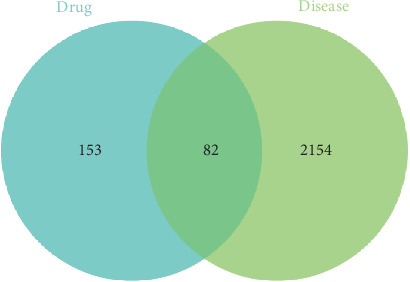 Figure 1
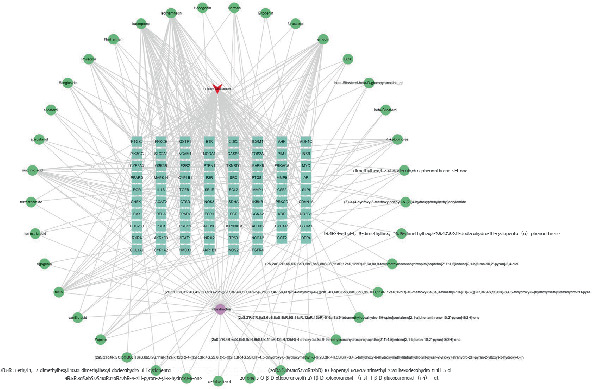 Figure 2
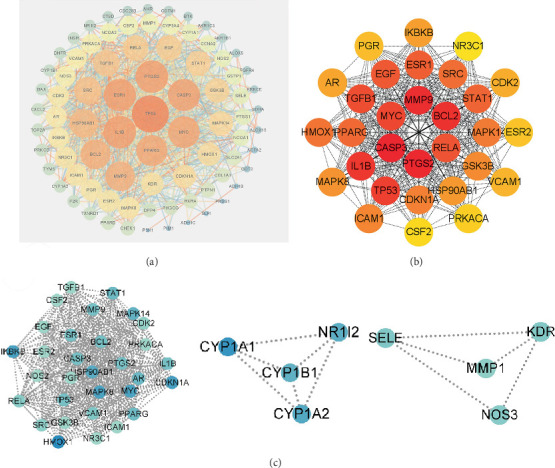 Figure 3
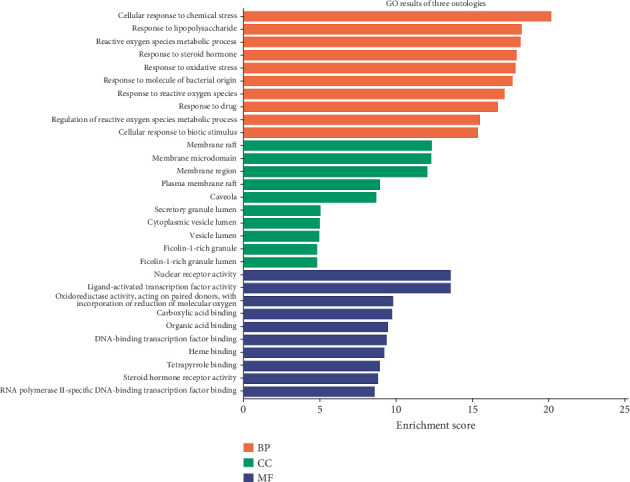 Figure 4
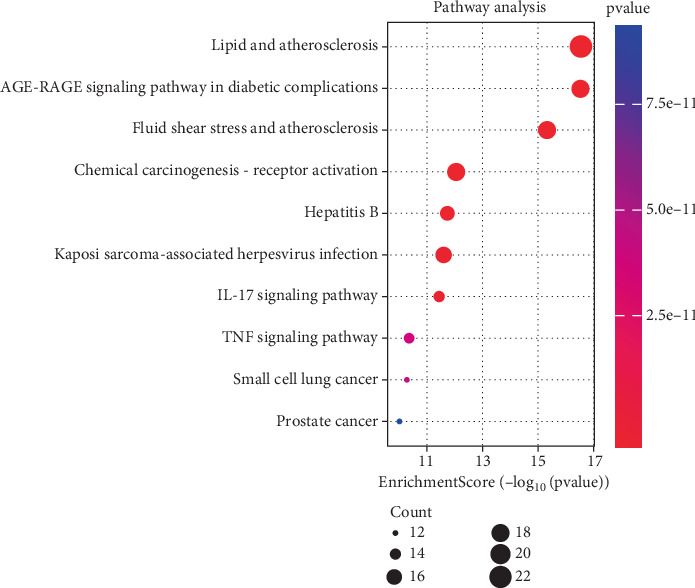 Figure 5
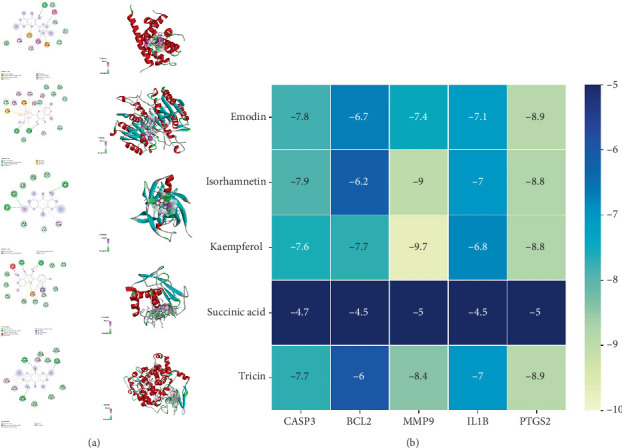 Figure 6
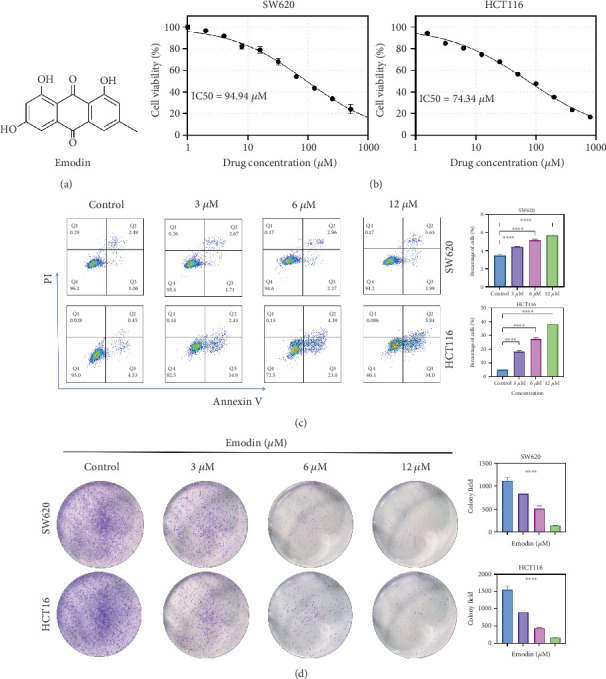 Figure 7
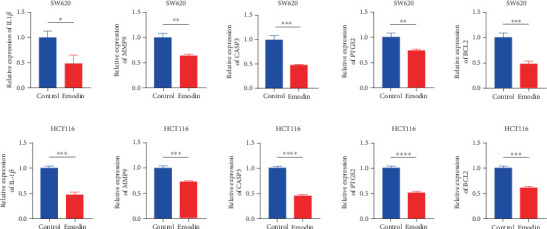 Figure 8
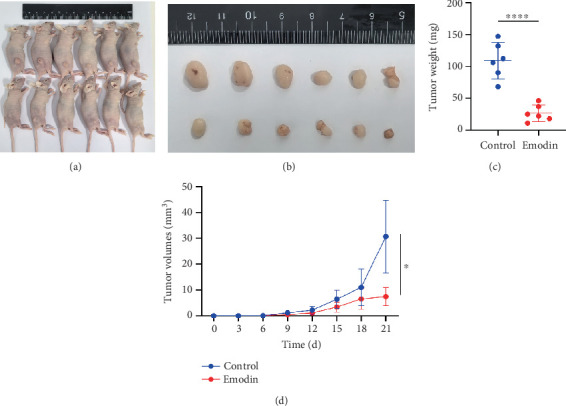 Figure 9
Peer Reviews
No public reviews on file for this paper yet. If you reviewed it on a platform where reviews are public (OpenReview, ICLR, NeurIPS, ICML), you can paste yours below so the community can read it here.
Videos
No videos yet. Explain this paper in a talk, walkthrough, or lecture? Add one.
Taxonomy
TopicsPhytochemistry and biological activity of medicinal plants · Aldose Reductase and Taurine · Natural Compound Pharmacology Studies