High-dimensional machine learning models for prediction of heart failure in more than 400 000 men and women from the UK Biobank
Thomas F Kok, Navin Suthahar, Jesse H Krijthe, Rudolf A de Boer, Eric Boersma, Isabella Kardys

TL;DR
This study compared traditional and machine learning models to predict heart failure risk in over 400,000 people, finding similar performance but identifying new risk factors like spirometry measures.
Contribution
The study reveals that machine learning models can uncover sex-specific and model-specific risk factors for heart failure, including spirometry measures, which are often overlooked.
Findings
Machine learning and Cox models showed comparable performance in predicting 10-year heart failure risk.
Spirometry measures were identified as important risk factors, rarely included in existing models.
Sex-specific and model-specific risk factors were found, highlighting differences in risk prediction.
Abstract
We aimed to compare performances of conventional survival models with machine learning (ML) survival models for incident heart failure (HF) in men and women without prevalent HF, cardiomyopathy (CM) or ischaemic heart disease (IHD), and to identify potential high-risk precursors overlooked by conventional survival models. We predicted 10-year risk of incident HF in 266 306 women (2894 events) and 212 061 men (4213 events). We constructed multivariable Cox models, first using ∼ 400 baseline characteristics, and subsequently only those remaining after LASSO stability selection. We also used Random Survival Forest (RSF) and eXtreme Gradient Survival Boosting (XGBoost). Performances were assessed using internal cross validation and hold-out sets, with C-indices, calibration curves and net-benefit analyses. Model performances were comparable during internal validation: XGBoost (C-index ±…
Genes, proteins, chemicals, diseases, species, mutations and cell lines named across the full text — each resolved to its canonical identifier and authoritative record.
Click any figure to enlarge with its caption.
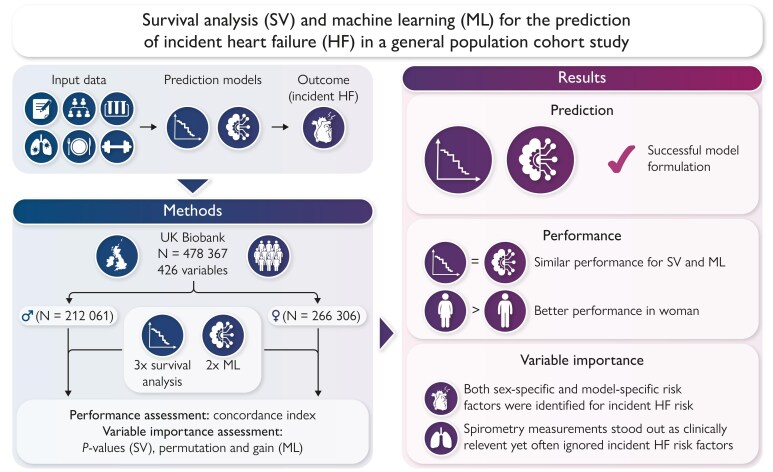 Figure 1
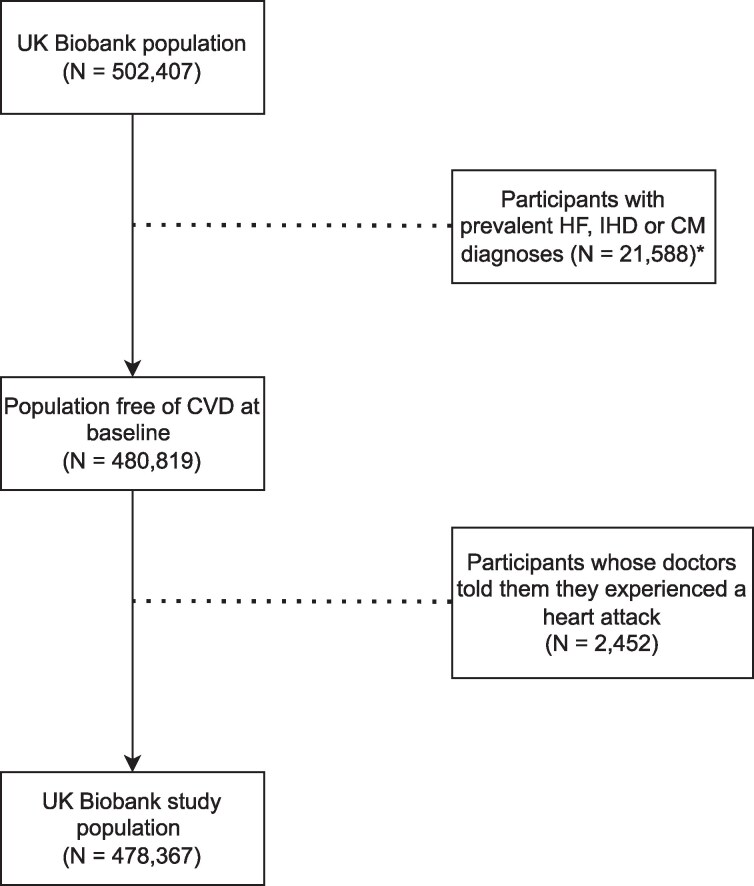 Figure 2
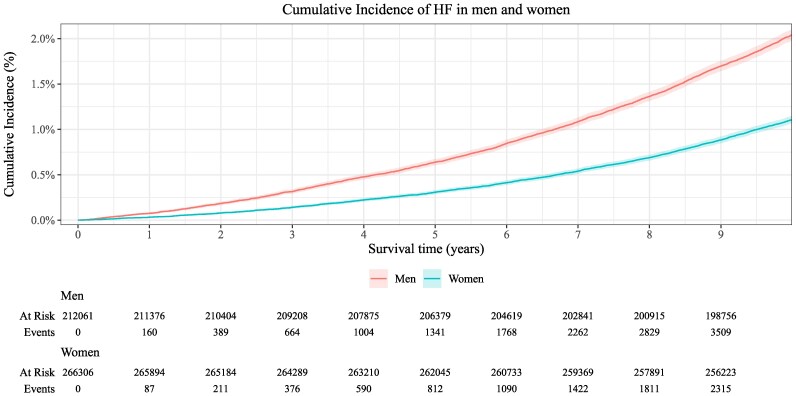 Figure 3
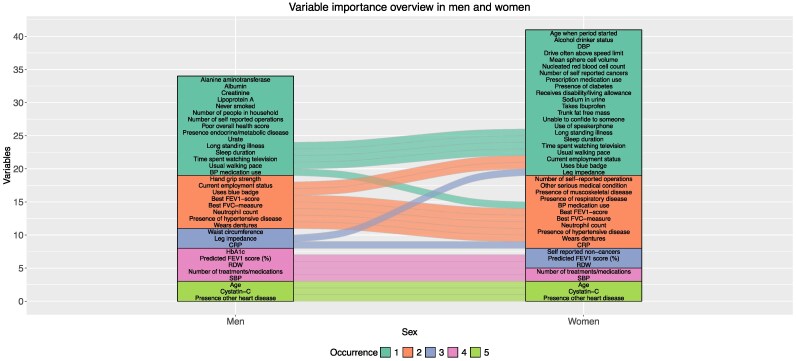 Figure 4
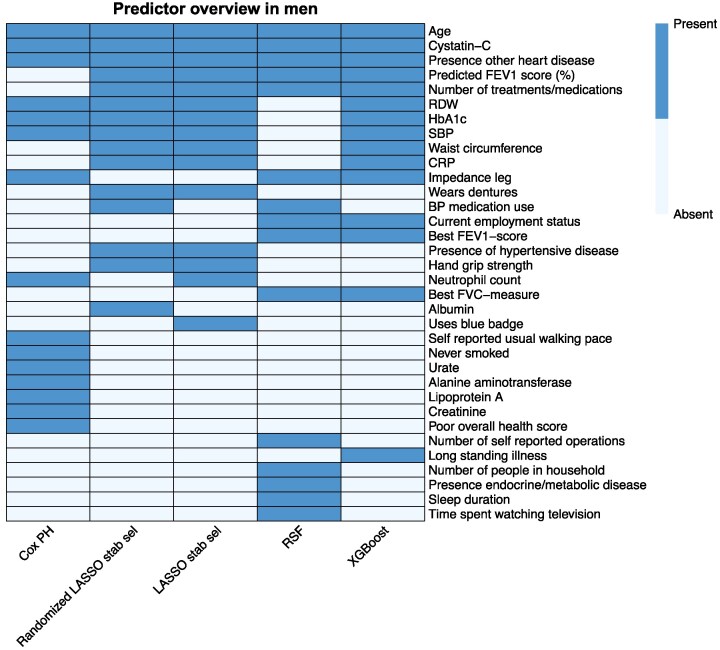 Figure 5
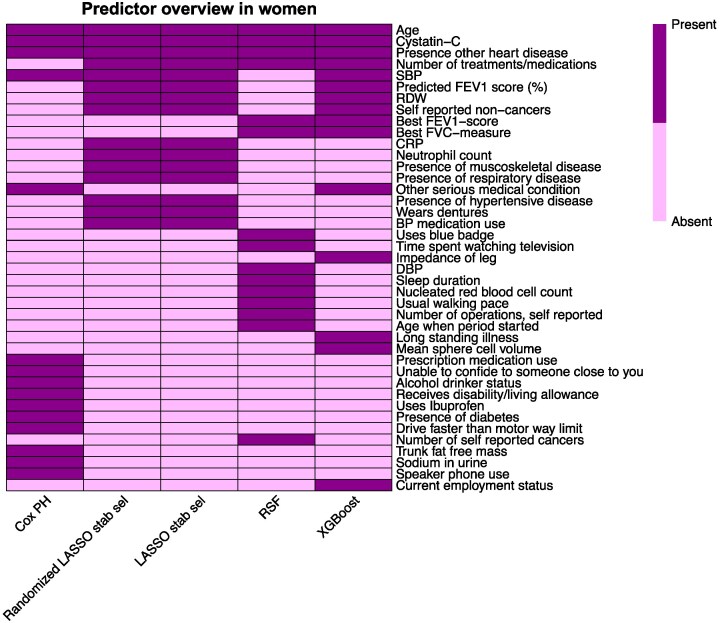 Figure 6
 Figure 7
Peer Reviews
No public reviews on file for this paper yet. If you reviewed it on a platform where reviews are public (OpenReview, ICLR, NeurIPS, ICML), you can paste yours below so the community can read it here.
Videos
No videos yet. Explain this paper in a talk, walkthrough, or lecture? Add one.
Taxonomy
TopicsArtificial Intelligence in Healthcare · Machine Learning in Healthcare