Functional characterization of a bovine luteal cell culture model: Effects of passage number
Arpna Sharma, Jens Vanselow, Christa Kühn, Doreen Becker

TL;DR
This study shows that bovine luteal cells in culture lose key characteristics at higher passage numbers, making early passage cells better models for in-vitro studies.
Contribution
The study identifies that only early passage luteal cells retain in-vivo-like molecular features, offering a novel insight into optimal cell culture practices.
Findings
Higher passage luteal cells show reduced expression of key marker proteins and progesterone synthesis.
Early passage luteal cells (P3) retain key gene expression and cytoskeletal features similar to in-vivo conditions.
Luteal cells remain viable and co-express vimentin and cytokeratin-18 across passage numbers.
Abstract
Primary cell culture models are useful tools to analyze intracellular signaling pathways and interactions in detail. However, at higher passages, vital cell characteristics such as cell morphology, physiology, gene expression and cell proliferation can be compromised which may result in variable data. In the present study, we characterized cultured primary luteal cells (PLCs) and compared them to intermediate passaged luteal cells i.e. passage number 15 (P15) and high passaged luteal cells i.e. passage number 30 (P30). To explore in-vitro culture induced variabilities, PLCs were passaged repeatedly until passage number P30. Expression of cell cytoskeleton proteins was monitored by immunofluorescence and steroidogenic acute regulatory (STAR) protein expression was detected by capillary electrophoresis as physiological key parameter. The abundance of STAR, hydroxy-delta-5-steroid…
Genes, proteins, chemicals, diseases, species, mutations and cell lines named across the full text — each resolved to its canonical identifier and authoritative record.
Click any figure to enlarge with its caption.
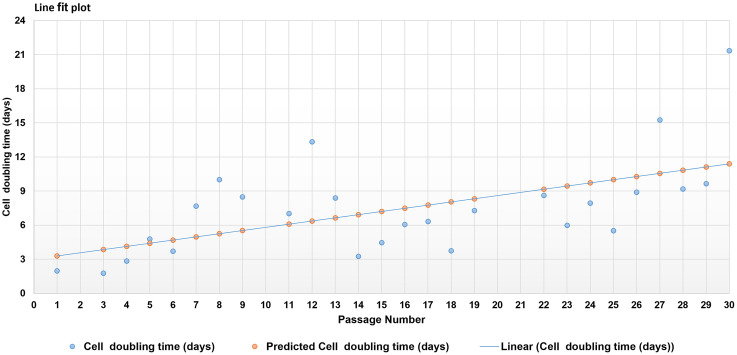 Figure 1
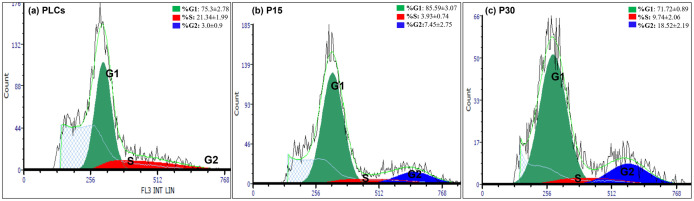 Figure 2
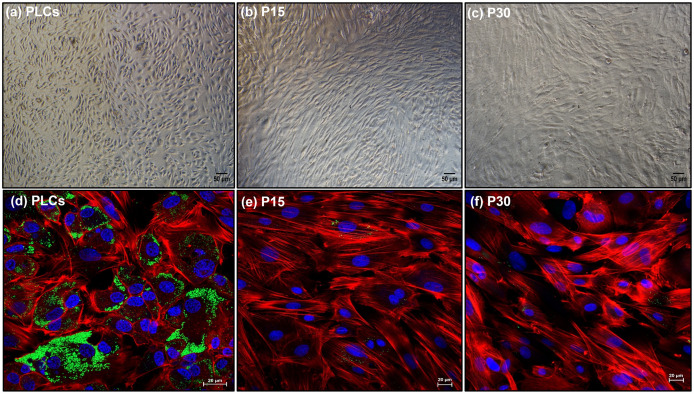 Figure 3
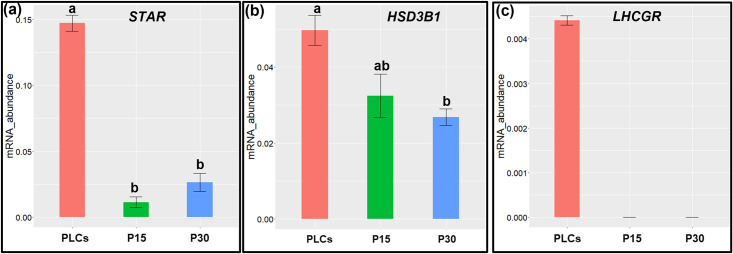 Figure 4
 Figure 5
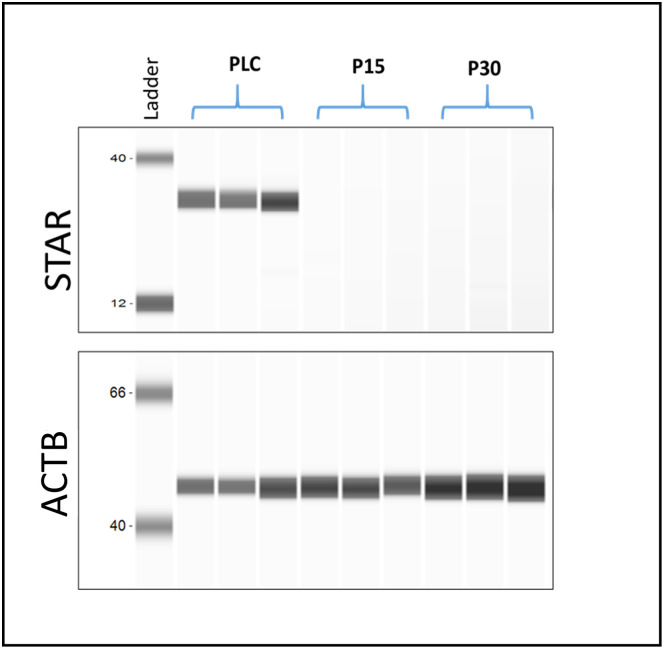 Figure 6
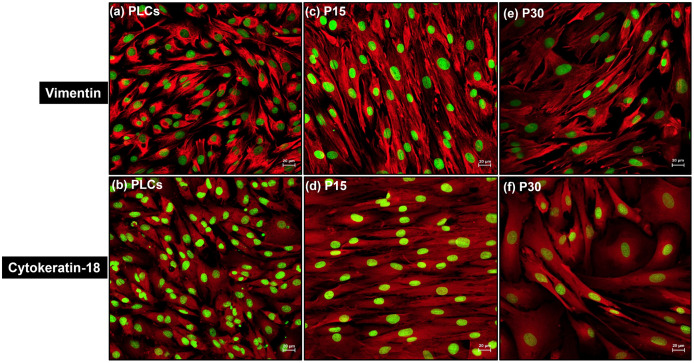 Figure 7
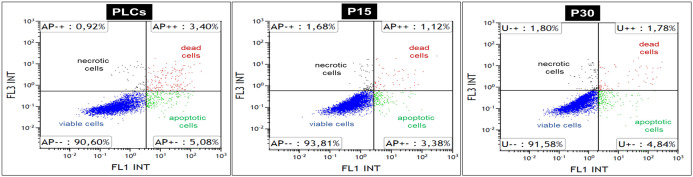 Figure 8
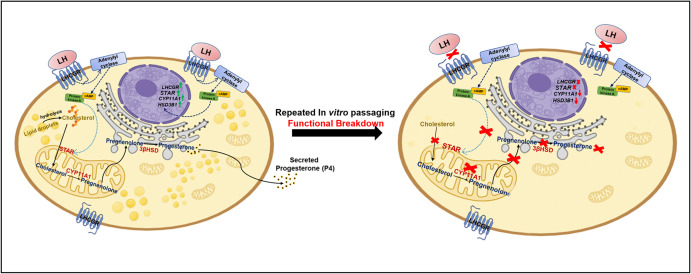 Figure 9
 Figure 10
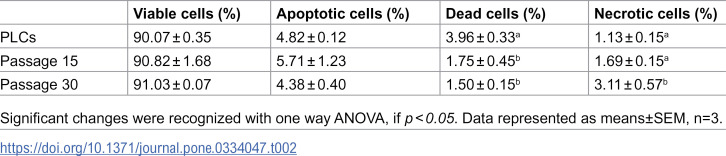 Figure 11
Peer Reviews
No public reviews on file for this paper yet. If you reviewed it on a platform where reviews are public (OpenReview, ICLR, NeurIPS, ICML), you can paste yours below so the community can read it here.
Videos
No videos yet. Explain this paper in a talk, walkthrough, or lecture? Add one.
Taxonomy
TopicsReproductive Physiology in Livestock · Reproductive Biology and Fertility · Reproductive System and Pregnancy