Iterative reconstruction of industrial positron images with generative networks
Mingwei Zhu, Min Zhao, Min Yao

TL;DR
This paper introduces a new method using generative networks to improve the quality of industrial positron images, especially when data is limited.
Contribution
The novel approach integrates a generative adversarial network with iterative reconstruction and a likelihood-based constraint for better image quality.
Findings
The method shows significant improvements in PSNR and SSIM on simulated datasets.
Real-world industrial defect detection confirms the method's effectiveness.
The self-attention mechanism enhances performance under low-sample conditions.
Abstract
Positron imaging has shown great potential in industrial non-destructive testing due to its high sensitivity and ability to reveal internal structures of complex components. However, reconstructing high-quality images from positron emission data remains challenging, particularly under limited sampling and ill-posed inverse problems, which are common in applications such as closed cavity detection. To address this, we propose an iterative reconstruction method for industrial positron images based on a generative adversarial network (PIIR-GAN). The method integrates a generative adversarial framework with a self-attention mechanism to exploit prior information and improve image quality under low-sample conditions. A key innovation is embedding the neural network model directly into the iterative reconstruction process, enabling end-to-end learning. Furthermore, a likelihood-based…
Genes, proteins, chemicals, diseases, species, mutations and cell lines named across the full text — each resolved to its canonical identifier and authoritative record.
Click any figure to enlarge with its caption.
 Figure 1
 Figure 2
 Figure 3
 Figure 4
 Figure 5
 Figure 6
 Figure 7
 Figure 8
 Figure 9
 Figure 10
 Figure 11
 Figure 12
 Figure 13
 Figure 14
 Figure 15
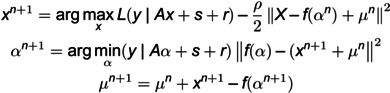 Figure 16
 Figure 17
 Figure 18
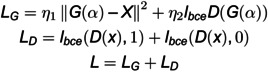 Figure 19
 Figure 20
 Figure 21
 Figure 22
 Figure 23
 Figure 24
 Figure 25
 Figure 26
 Figure 27
 Figure 28
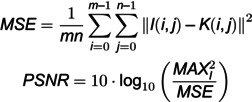 Figure 29
 Figure 30
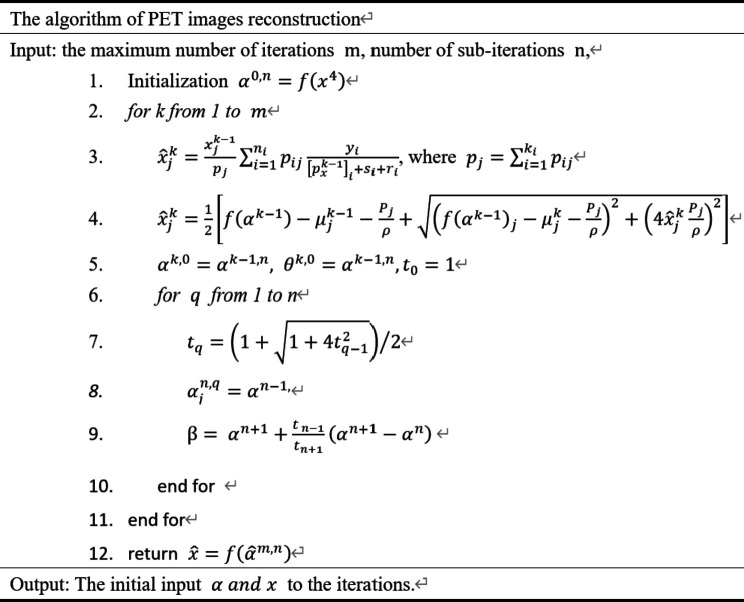 Figure 31
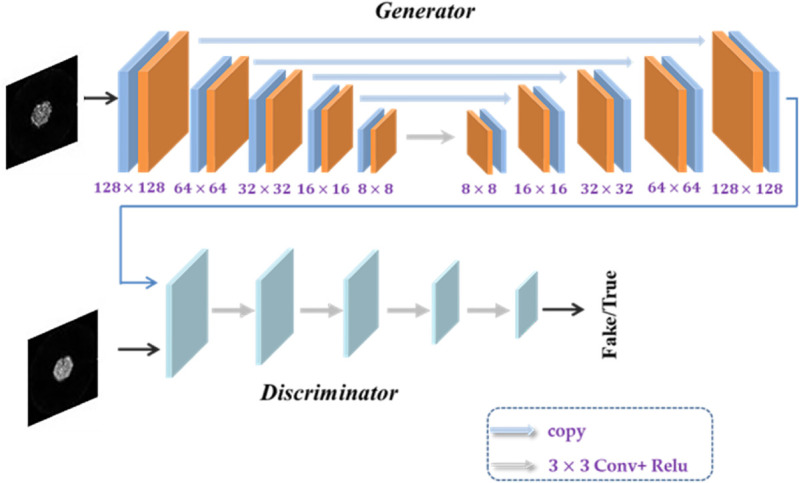 Figure 32
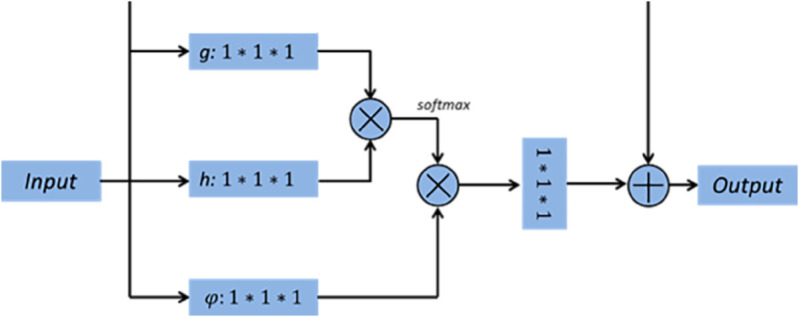 Figure 33
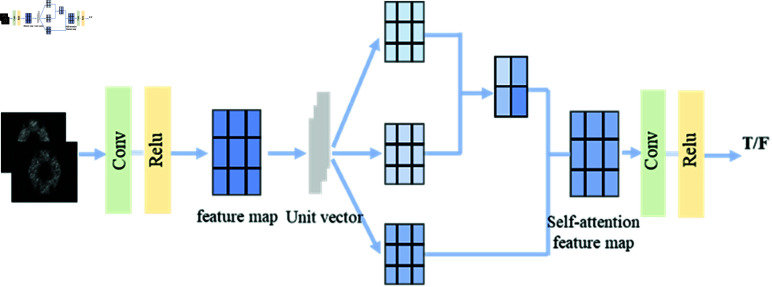 Figure 34
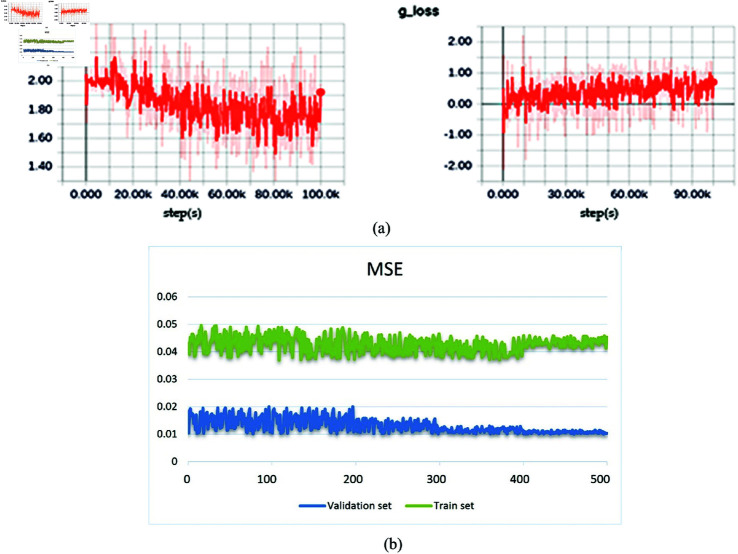 Figure 35
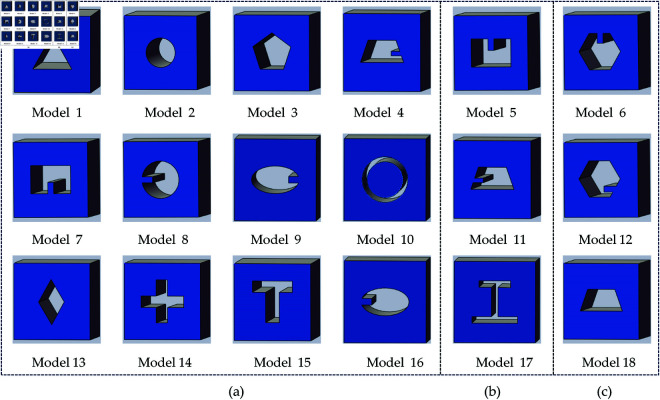 Figure 36
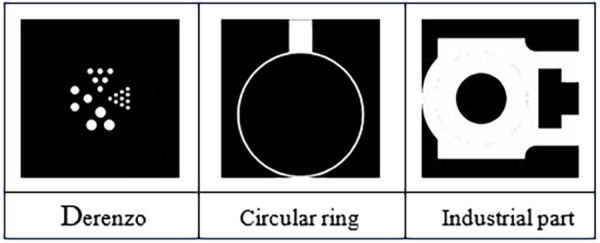 Figure 37
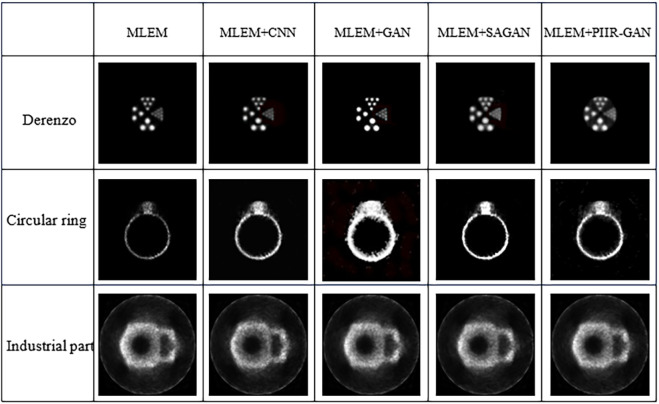 Figure 38
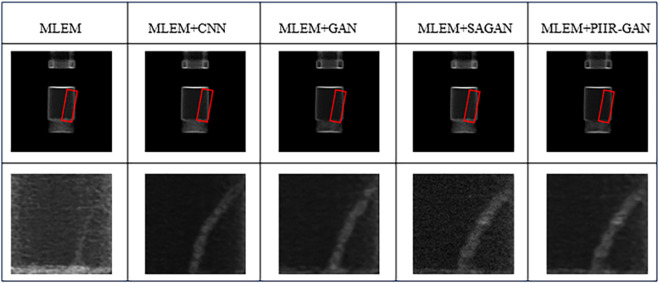 Figure 39
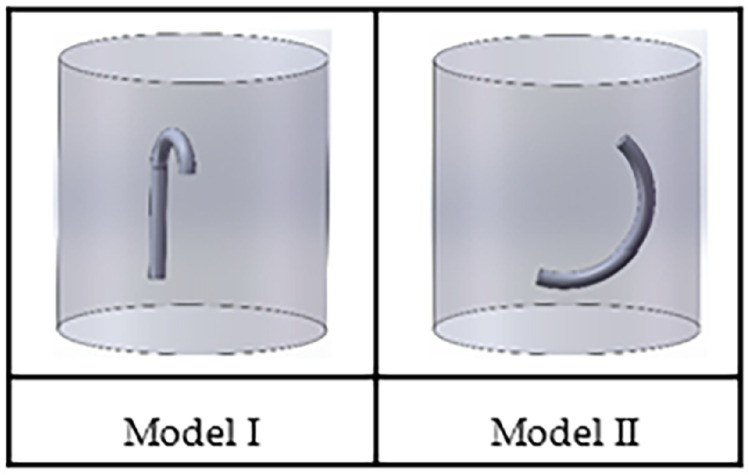 Figure 40
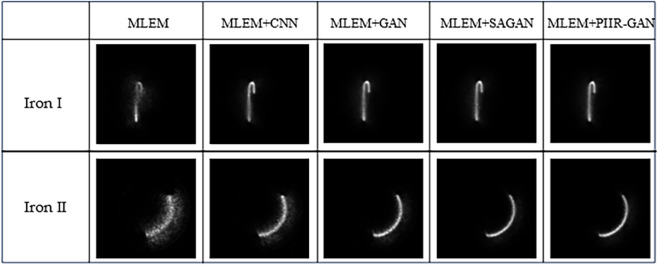 Figure 41
 Figure 42
 Figure 43
 Figure 44
 Figure 45
Peer Reviews
No public reviews on file for this paper yet. If you reviewed it on a platform where reviews are public (OpenReview, ICLR, NeurIPS, ICML), you can paste yours below so the community can read it here.
Videos
No videos yet. Explain this paper in a talk, walkthrough, or lecture? Add one.
Taxonomy
TopicsMuon and positron interactions and applications · Mineral Processing and Grinding · Medical Imaging Techniques and Applications