Whole genome sequencing, characterization and analysis of coronene degrading bacterial strain Halomonas elongata
Thasneema Rafic, Mohammed Alarawi, Omer Salem Alkhnbashi, Assad Al-Thukair, Ajibola H. Okeyode, Karthikeyan G, Alexis Nzila, Bijay Behera, Bijay Behera, Bijay Behera, Bijay Behera

TL;DR
A salt-tolerant bacterium, Halomonas elongata, was found to break down coronene, a complex pollutant, and its genome was sequenced to understand its unique degradation abilities.
Contribution
The study identifies a novel halophilic bacterial strain capable of degrading coronene and provides insights into its genomic features and potential bioremediation applications.
Findings
Halomonas elongata can use coronene as its sole carbon source in high-salt environments.
Genome analysis revealed genes related to hydrocarbon metabolism and osmoadaptation, but no known coronene-specific enzymes.
The presence of mobile genetic elements suggests potential for horizontal gene transfer and adaptation.
Abstract
Polycyclic aromatic hydrocarbons (PAHs) are persistent environmental pollutants with significant ecological and health risks. Among them, coronene, a high molecular weight PAH, is particularly resistant to biodegradation due to its complex structure. This study characterizes a halophilic bacterial strain, initially identified as Halomonas caseinilytica and later reclassified as Halomonas elongata, capable of utilizing coronene as its sole carbon source under high salinity (10% NaCl). Whole genome sequencing using Oxford Nanopore technology (ONT) revealed 4,308 predicted genes, including those linked to hydrocarbon metabolism, stress adaptation, and secondary metabolite biosynthesis. Pathway analysis identified genes associated with xenobiotic degradation, although no canonical coronene specific degradative enzymes were identified, implying that the bacteria may be utilising an…
Genes, proteins, chemicals, diseases, species, mutations and cell lines named across the full text — each resolved to its canonical identifier and authoritative record.
Click any figure to enlarge with its caption.
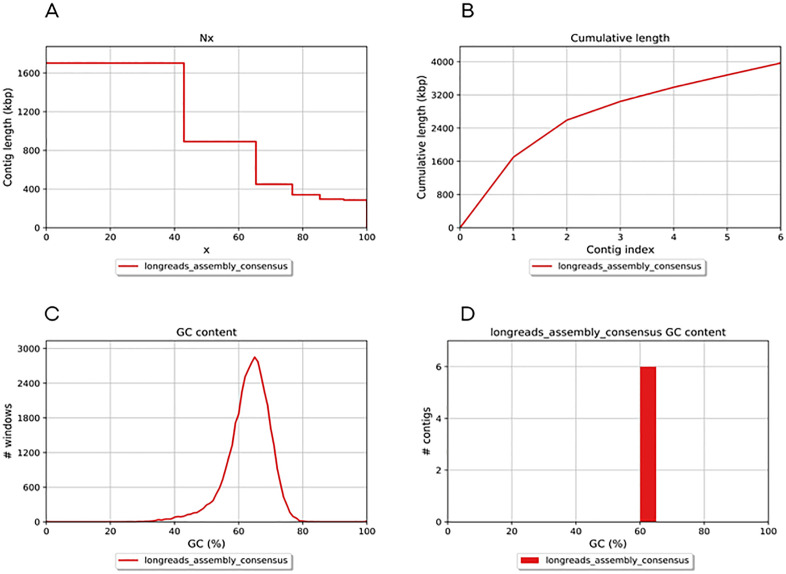 Figure 1
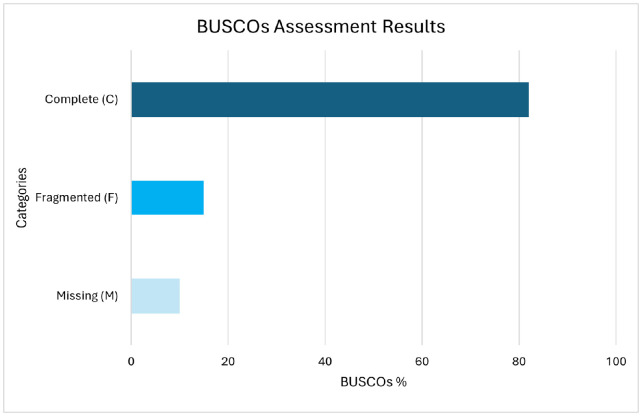 Figure 2
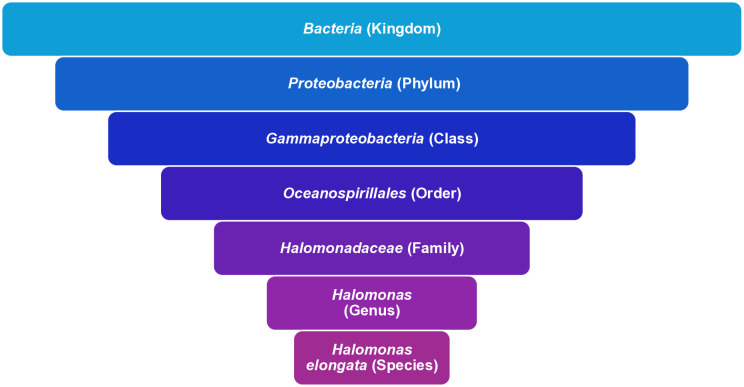 Figure 3
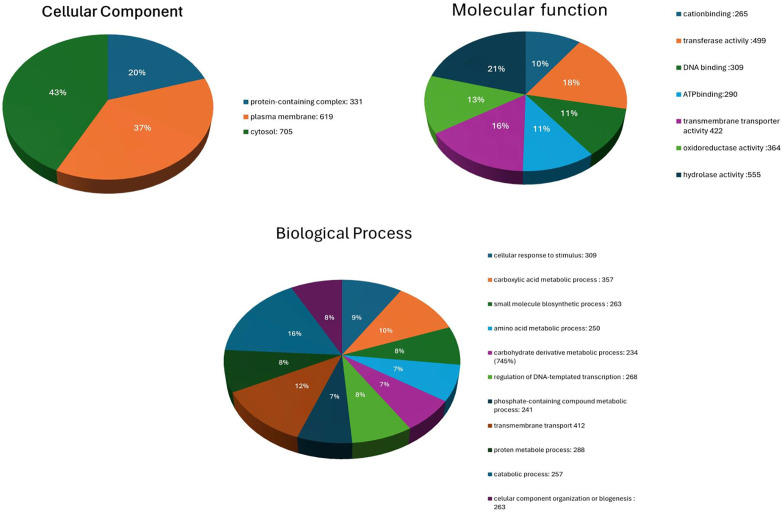 Figure 4
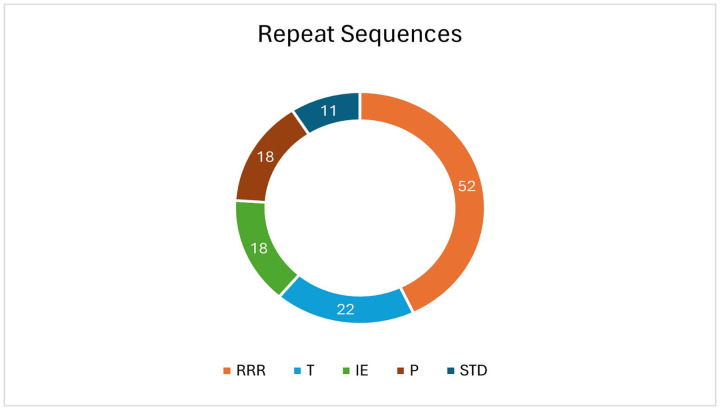 Figure 5
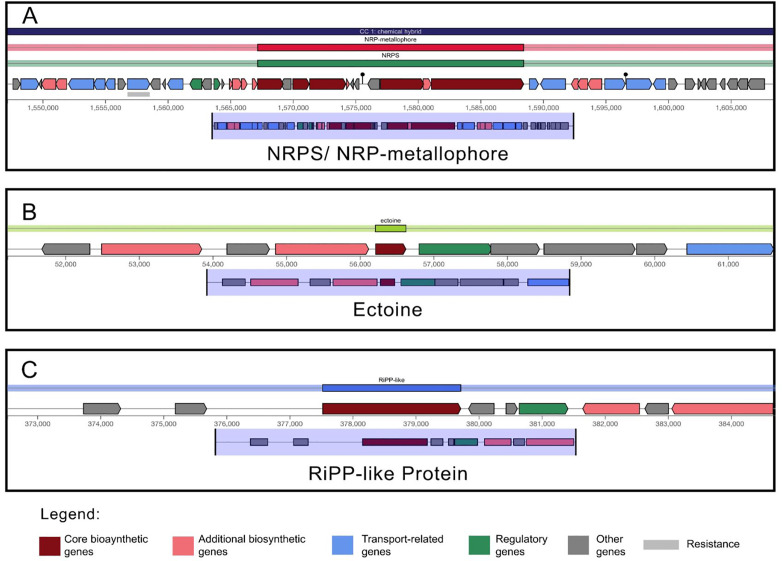 Figure 6
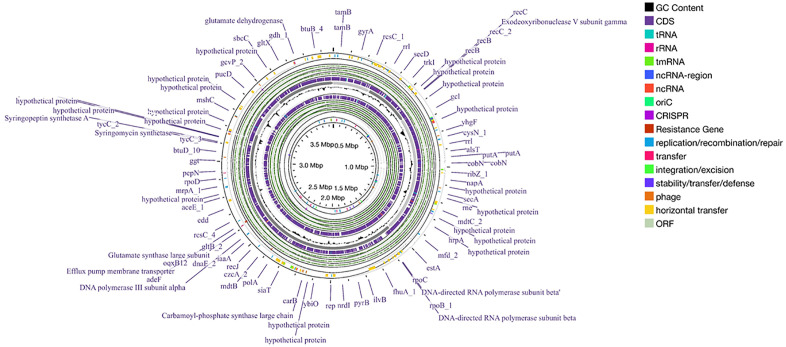 Figure 7
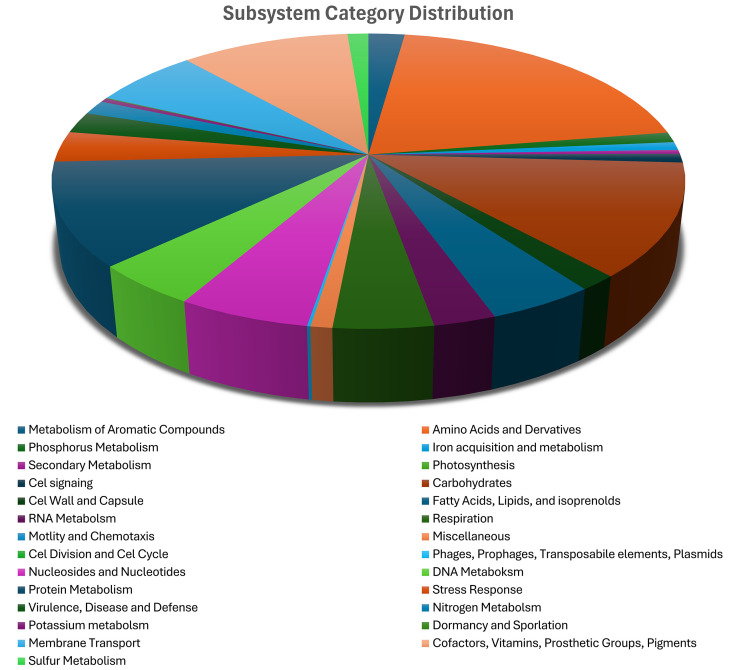 Figure 8
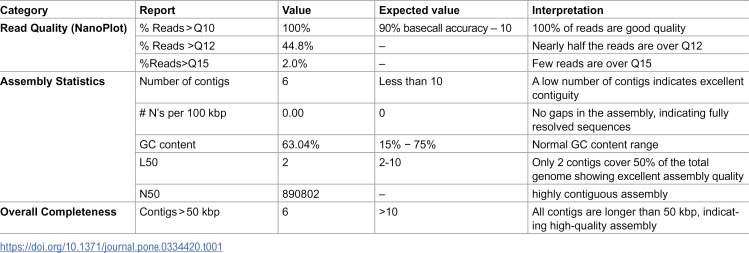 Figure 9
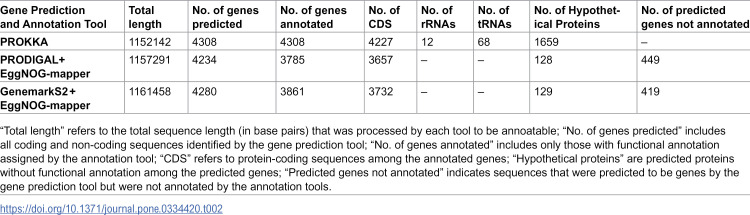 Figure 10
Peer Reviews
No public reviews on file for this paper yet. If you reviewed it on a platform where reviews are public (OpenReview, ICLR, NeurIPS, ICML), you can paste yours below so the community can read it here.
Videos
No videos yet. Explain this paper in a talk, walkthrough, or lecture? Add one.
Taxonomy
TopicsMicrobial bioremediation and biosurfactants · Toxic Organic Pollutants Impact · Chromium effects and bioremediation