Toward better data disaggregation: A person-centered approach to understanding AANHPI sociodemographic diversity in resource constrained times
Lu Dong, Jaimie Shaff, Douglas Yeung, Ruolin Lu, Delia Bugliari, Anthony Rodriguez, Anita Chandra

TL;DR
This paper shows how breaking down data on Asian, Native Hawaiian, and Pacific Islander communities can reveal hidden health disparities and help allocate resources more effectively.
Contribution
The study introduces a person-centered approach using Latent Class Analysis to identify subgroups within the AANHPI population for better health equity.
Findings
Study 1 identified four subgroups within the AANHPI population based on socioeconomic and demographic factors.
Study 2 revealed two distinct classes: high and low socioeconomic status, with differences in age, homeownership, and community well-being.
The findings support the use of data disaggregation to uncover health inequities and guide targeted interventions.
Abstract
Each year, the United States loses billions of dollars due to health inequities. Data disaggregation is essential for understanding the health status and needs of populations to identify these inequities and inform efficient resource allocation. For example, aggregating data from people identifying with Asian, Native Hawaiian, and other Pacific Islander (AANHPI) communities may inhibit the identification of important health challenges within this large and diverse community, impeding meaningful progress toward reducing differences in health outcomes. This study employed Latent Class Analysis (LCA) to identify meaningful subgroups within the AANHPI population. Two studies were conducted: Study 1 analyzed data from the Amplify AAPI Survey, which included 1,026 AANHPI adults, while Study 2 utilized the 2023 National Survey of Health Attitudes (NSHA) with a sample of 318 AANHPI…
Genes, proteins, chemicals, diseases, species, mutations and cell lines named across the full text — each resolved to its canonical identifier and authoritative record.
Click any figure to enlarge with its caption.
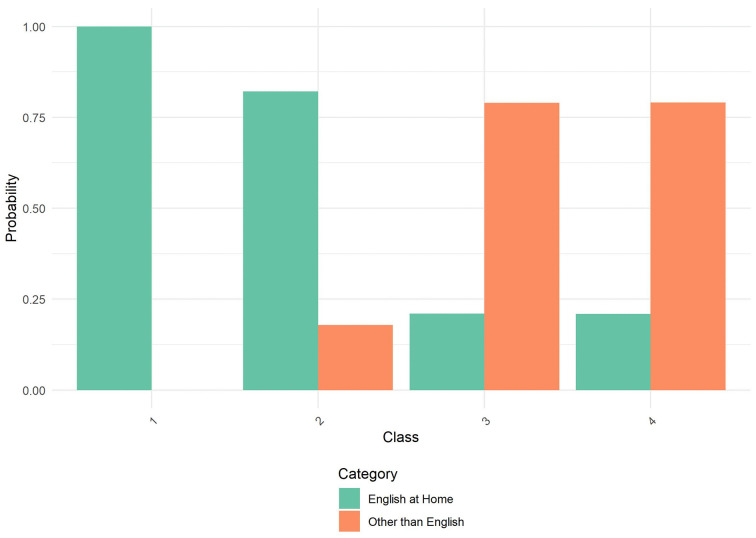 Figure 1
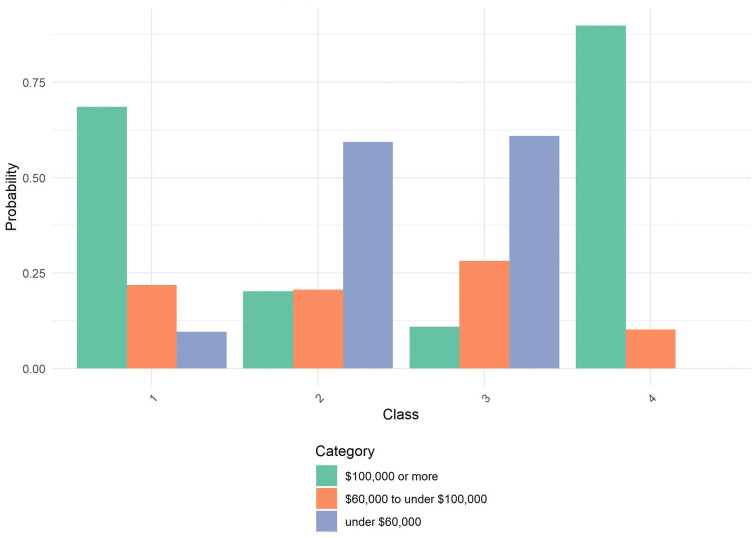 Figure 2
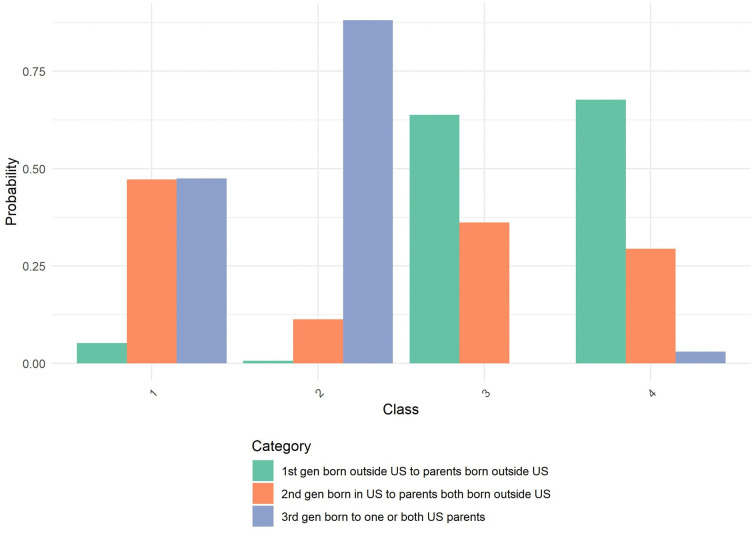 Figure 3
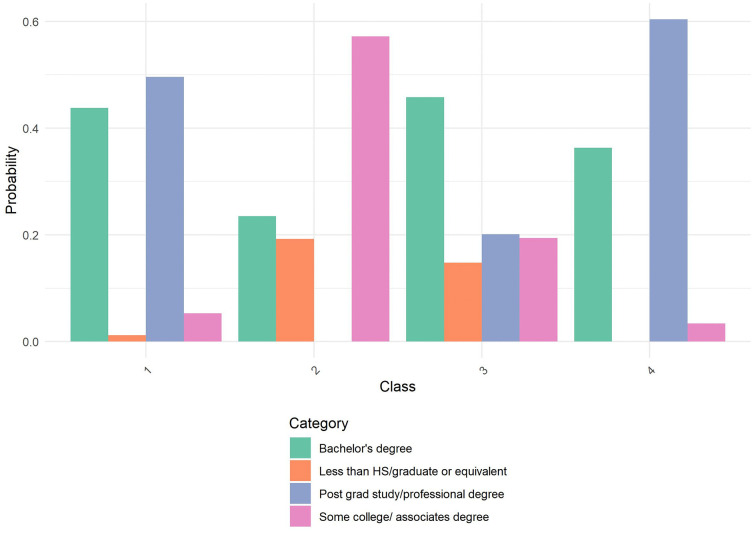 Figure 4
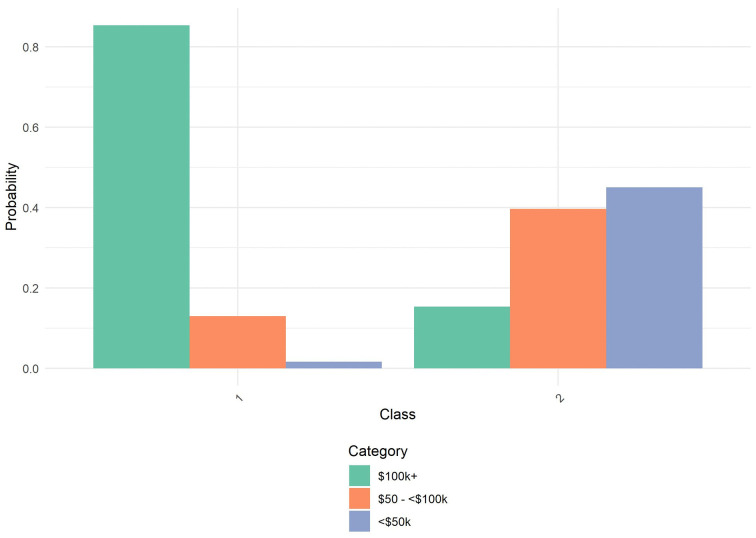 Figure 5
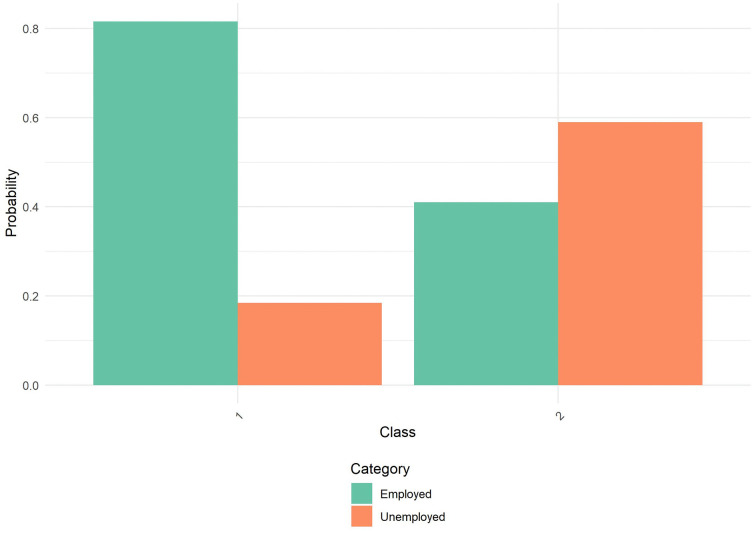 Figure 6
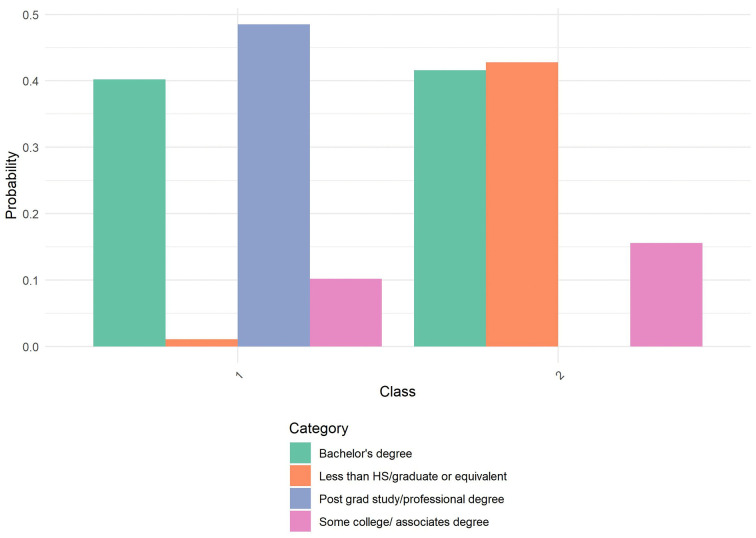 Figure 7
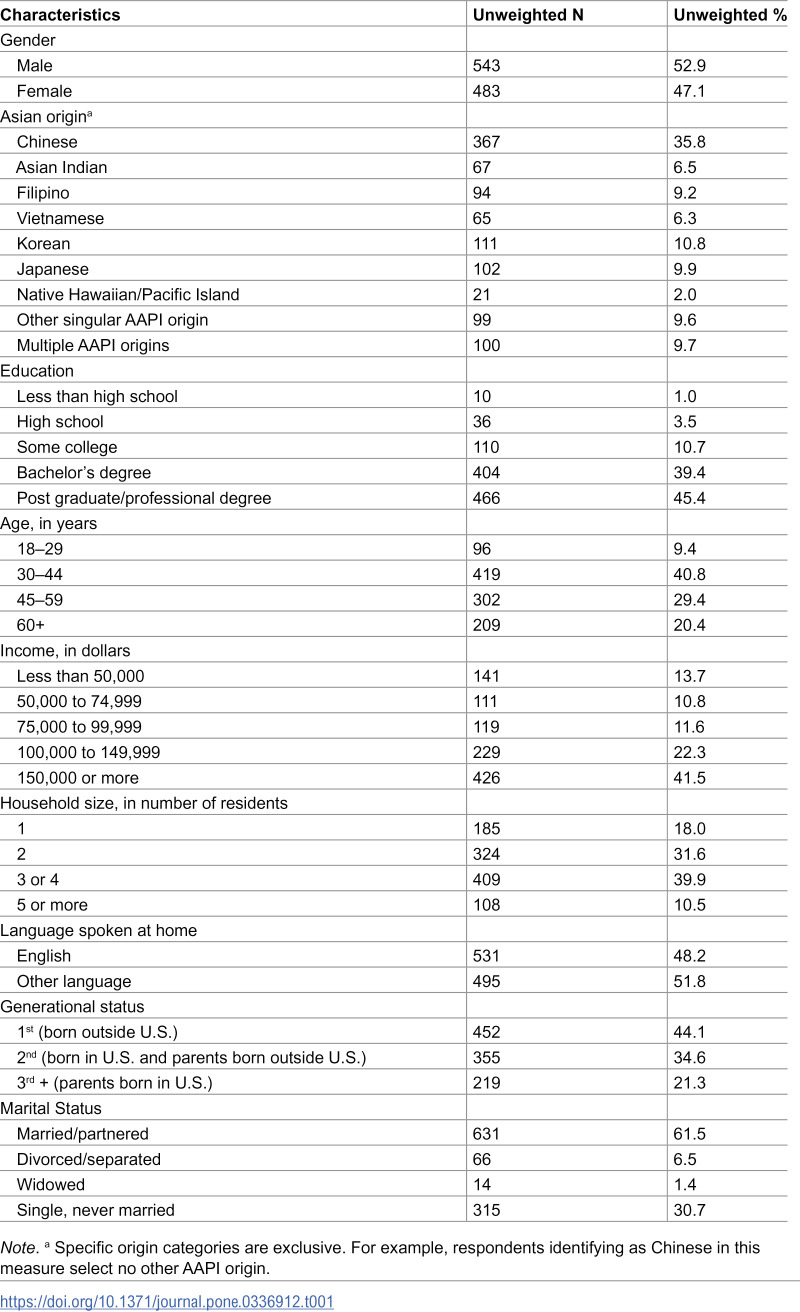 Figure 8
 Figure 9
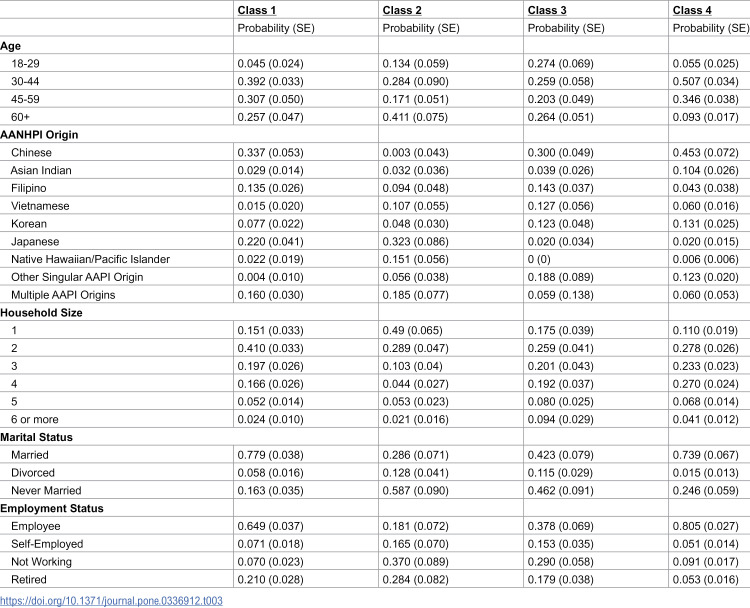 Figure 10
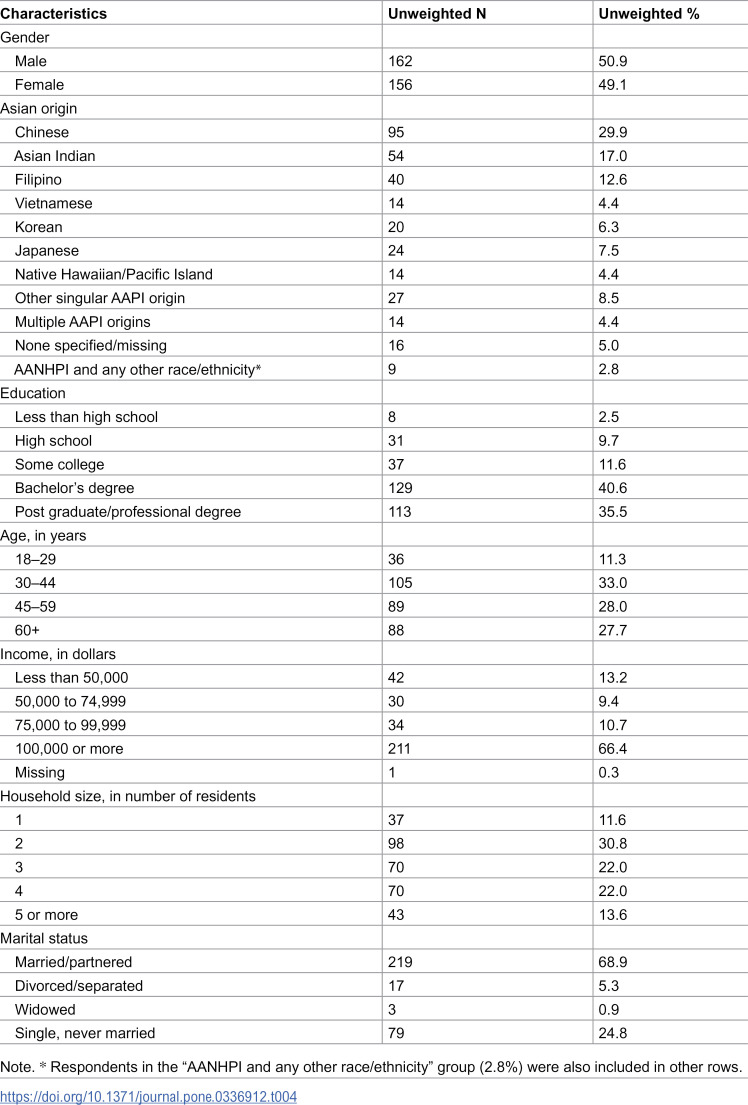 Figure 11
 Figure 12
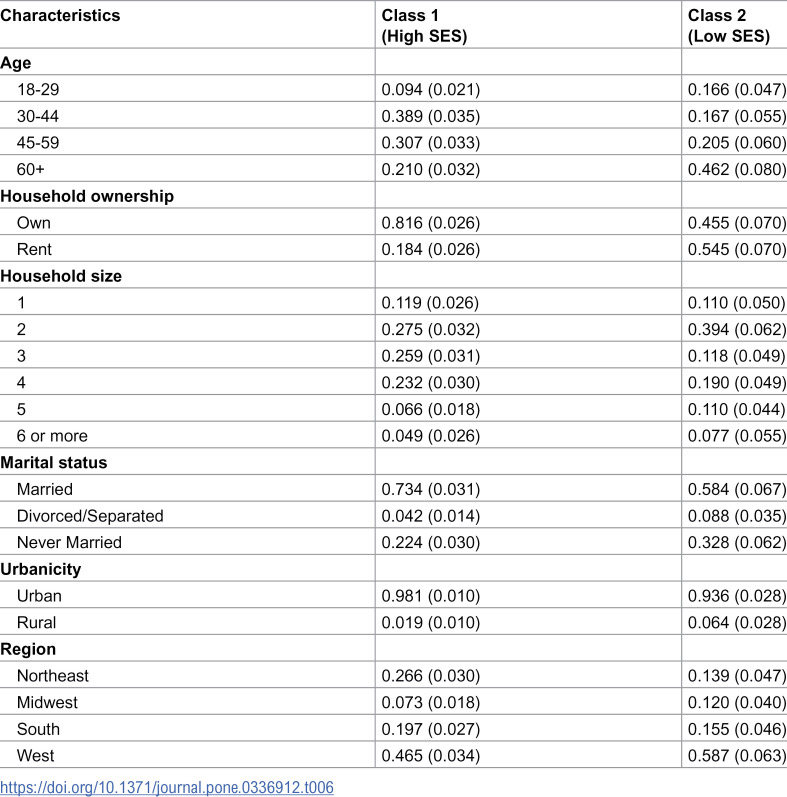 Figure 13
Peer Reviews
No public reviews on file for this paper yet. If you reviewed it on a platform where reviews are public (OpenReview, ICLR, NeurIPS, ICML), you can paste yours below so the community can read it here.
Videos
No videos yet. Explain this paper in a talk, walkthrough, or lecture? Add one.
Taxonomy
TopicsHealth disparities and outcomes · Chronic Disease Management Strategies · Sex and Gender in Healthcare