Helicobacter pylori cagA, vacA and babA2 genotypes and gastroduodenal diseases: a cross-sectional study from the Mekong Delta of Vietnam
Thi Hong Nhung Thai, Thai Hoa Nguyen, Thi Mai Ngan Nguyen, Thi Minh Thi Ha

TL;DR
This study examines how specific Helicobacter pylori gene combinations are linked to different stomach and duodenum diseases in Vietnam.
Contribution
The study identifies a synergistic effect of cagA, babA2, and vacA s1m2 genotypes in increasing the risk of peptic ulcer and gastric precancerous lesions in Vietnamese populations.
Findings
The cagA(+)/babA2(+)/vacAs1m2 combination was associated with peptic ulcer disease in male patients.
The same genotype combination was linked to gastric precancerous lesions in female patients.
The cagA(+)/babA2(+)/vacAs1m1 combination was also prevalent among Vietnamese H. pylori strains.
Abstract
Introduction. The cagA and vacA genes encode the CagA and VacA proteins, which are the two main toxins of Helicobacter pylori. Regardless of whether the illness is benign or malignant, the majority of Asian H. pylori strains are cagA (+) and vacA s1 (vacA signal region 1 allele); hence, these genotypes cannot account for the severity of gastroduodenal disease. Gap statement. The babA2 gene encodes the important adhesin BabA of H. pylori, which is crucial for persistent colonization and facilitates the translocation of CagA into host gastric epithelial cells. The synergic interaction of toxins, including CagA, VacA and BabA, could significantly contribute to the pathogenesis of H. pylori. The investigation of cagA, vacA and babA2 genes in clinical H. pylori isolates in Asian nations, particularly Vietnam, is insufficient. Aim. To investigate the cagA, vacA and babA2 genotypes to…
Genes, proteins, chemicals, diseases, species, mutations and cell lines named across the full text — each resolved to its canonical identifier and authoritative record.
Click any figure to enlarge with its caption.
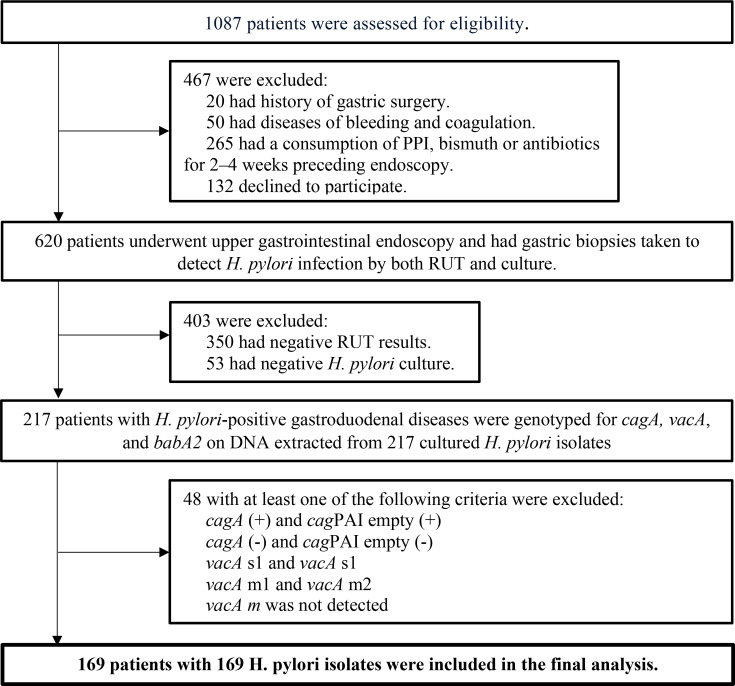 Figure 1
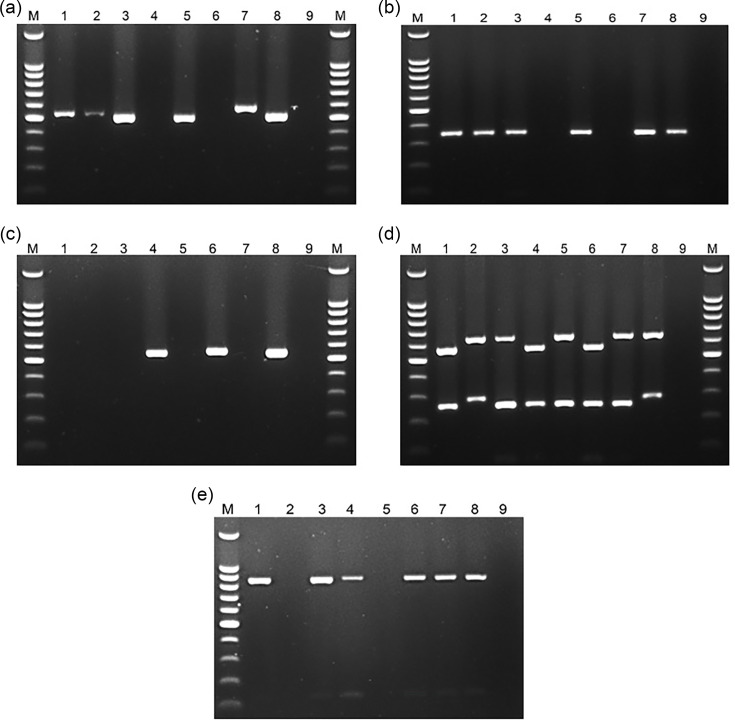 Figure 2
Peer Reviews
No public reviews on file for this paper yet. If you reviewed it on a platform where reviews are public (OpenReview, ICLR, NeurIPS, ICML), you can paste yours below so the community can read it here.
Videos
No videos yet. Explain this paper in a talk, walkthrough, or lecture? Add one.
Taxonomy
TopicsHelicobacter pylori-related gastroenterology studies · Microscopic Colitis · Clostridium difficile and Clostridium perfringens research