Identification of pathogenic variants for the development of ultra-long axial length in myopic children
YanYing Zhu, XueYan Li, YueXin Chen, HaiYan Xie, YuKun Liu, XiaoChen Xu, Jing Wang

TL;DR
This study identifies new genetic variants linked to extreme eye elongation in children with myopia, offering new insights for genetic screening.
Contribution
The study discovers five novel genetic variants and two distinct phenotypes associated with ultra-long axial length in myopic children.
Findings
Five novel genetic variants were identified in genes like BBS2, P4HA2, FBN1, LOXL3, and FZD4.
Two distinct phenotypes were observed in families F#5 and a non-syndromic child with BBS2.
The findings expand the genetic variant spectrum for myopia and suggest new screening targets.
Abstract
Axial elongation is a key factor in myopia progression, yet its genetic basis remains incompletely understood. This study aims to identify pathogenic genetic variants associated with excessively elongated axial length in children. This study included 56 children with axial lengths exceeding the normal range for their age group, and whole-exome sequencing (WES) was performed on their oral mucosal samples. Clinical evaluations included axial length measurement, refraction testing, and fundus photography to assess the degree of myopia and retinal changes. Co-segregation analysis was conducted in selected families (F#1, F#2, F#5) to validate the familial inheritance patterns of the variants. Fifteen children carried variants in genes including BBS2, OPN1LW, P4HA2, FBN1, LOXL3, FZD4, USH2A, COL2A1, and BFSP2, with five novel variants identified: BBS2 (c.700C > T), P4HA2 (c.1382C > G), FBN1…
Genes, proteins, chemicals, diseases, species, mutations and cell lines named across the full text — each resolved to its canonical identifier and authoritative record.
Click any figure to enlarge with its caption.
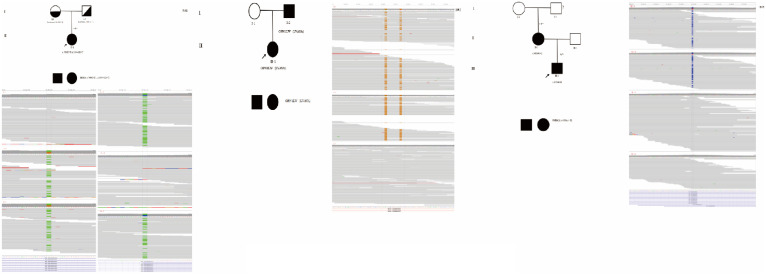 Figure 1
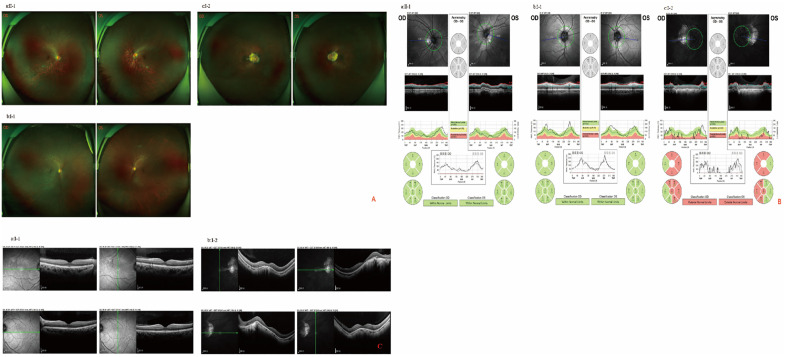 Figure 2
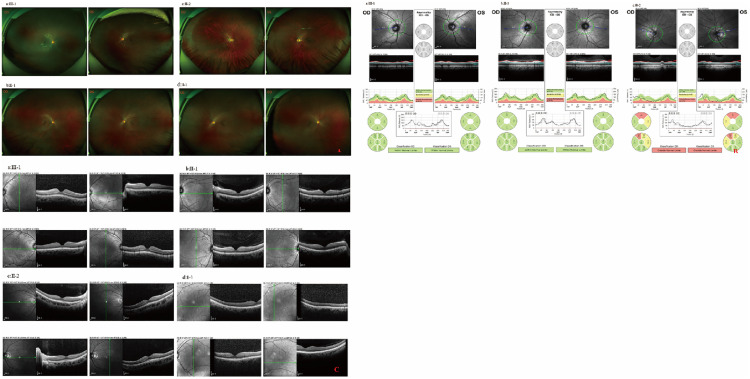 Figure 3
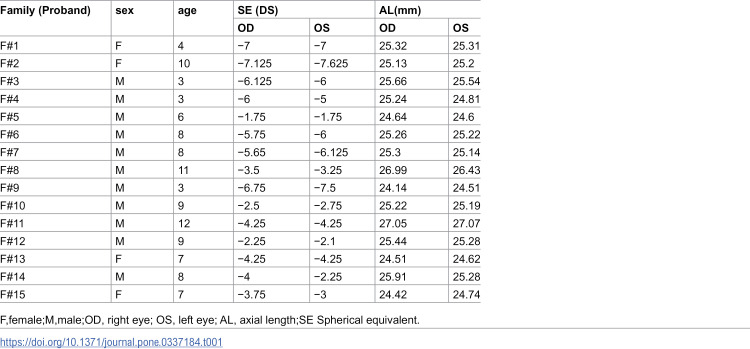 Figure 4
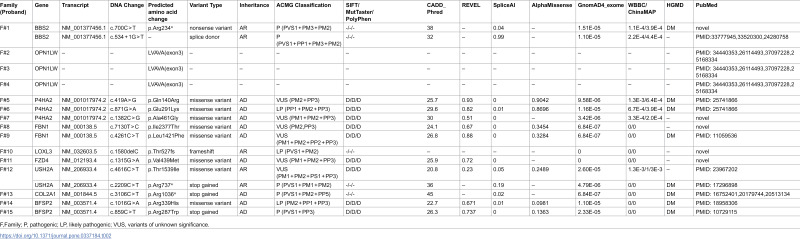 Figure 5
Peer Reviews
No public reviews on file for this paper yet. If you reviewed it on a platform where reviews are public (OpenReview, ICLR, NeurIPS, ICML), you can paste yours below so the community can read it here.
Videos
No videos yet. Explain this paper in a talk, walkthrough, or lecture? Add one.
Taxonomy
TopicsOphthalmology and Visual Impairment Studies · Connective tissue disorders research · Retinopathy of Prematurity Studies