Per- and polyfluoroalkyl substances (PFAS) in fish collected from the Rio Grande and reservoirs in northern New Mexico
Justin Clements, Jenna Stanek, Cyler Conrad, Jessica Celmer, Hanna Mora, Zachary Jones, Kylie Gallegos, Chauncey Gadek, Shannon Gaukler

TL;DR
This study measures PFAS chemicals in fish from northern New Mexico's rivers and reservoirs, finding higher concentrations in liver tissues and evidence of biomagnification.
Contribution
The study provides new data on PFAS concentrations in fish from under-sampled desert southwest ecosystems and identifies biomagnification patterns.
Findings
PFAS compounds were detected in most fish tissues, with PFOS concentrations in liver samples up to 350 times higher than in muscle samples.
Average tissue concentrations of PFAS were calculated to be 2.02 ± 1.81 ng g-1.
Higher δ15N values correlated with increased perfluorodecanoic acid concentrations, indicating trophic-level influences.
Abstract
Per- and polyfluoroalkyl substances (PFAS) are a group of industrial and commercial chemicals widely used throughout the world due to their beneficial chemical properties. Because of their widespread use, their chemical stability, and their ability to be transported over long distances through atmospheric deposition and movement through waterways, PFAS are found throughout most aquatic ecosystems; yet large sampling gaps exist among reservoir and river ecosystems in the desert southwest of the United States. In this study, we examine PFAS concentrations in the tissue of fish (catfish [channel and blue], common carp, smallmouth bass, northern pike, walleye, white crappie and white sucker) collected in northern New Mexico, including examining PFAS composition and concentration relative to trophic level distribution. We collected fish from two man-made reservoirs and from the Rio Grande.…
Genes, proteins, chemicals, diseases, species, mutations and cell lines named across the full text — each resolved to its canonical identifier and authoritative record.
Click any figure to enlarge with its caption.
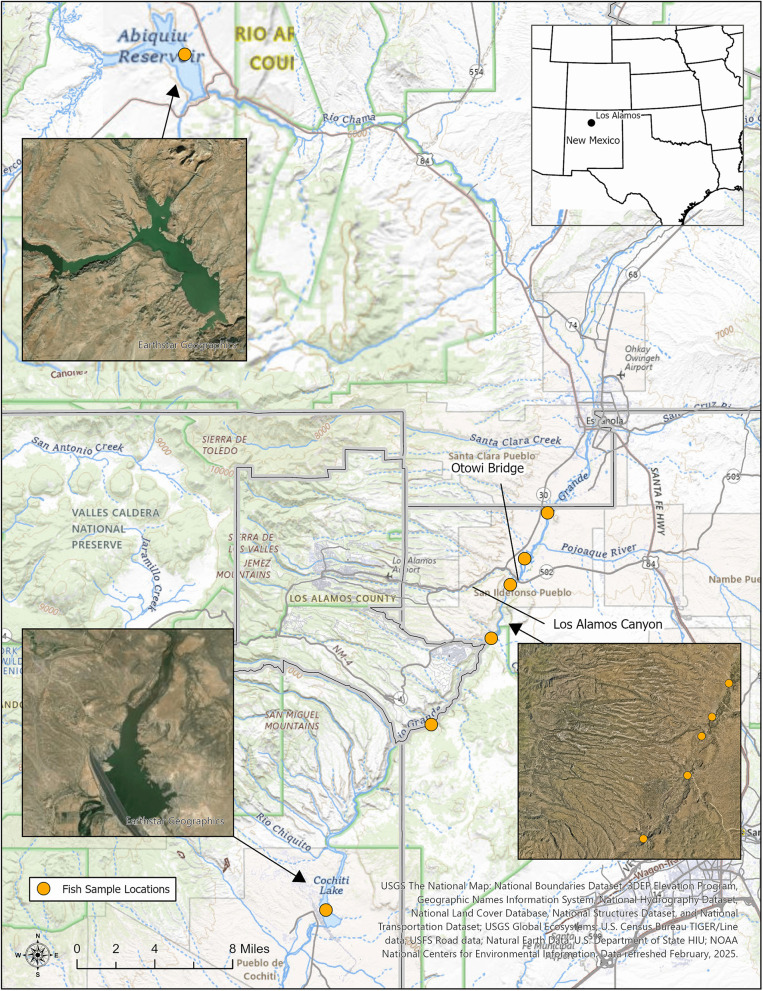 Figure 1
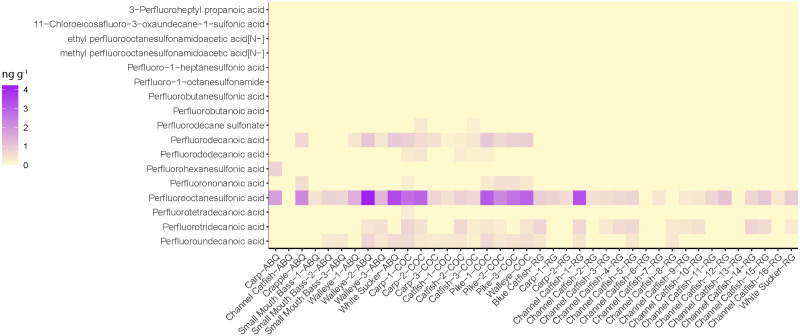 Figure 2
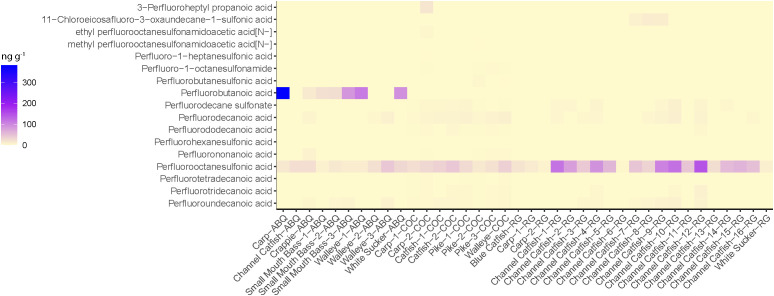 Figure 3
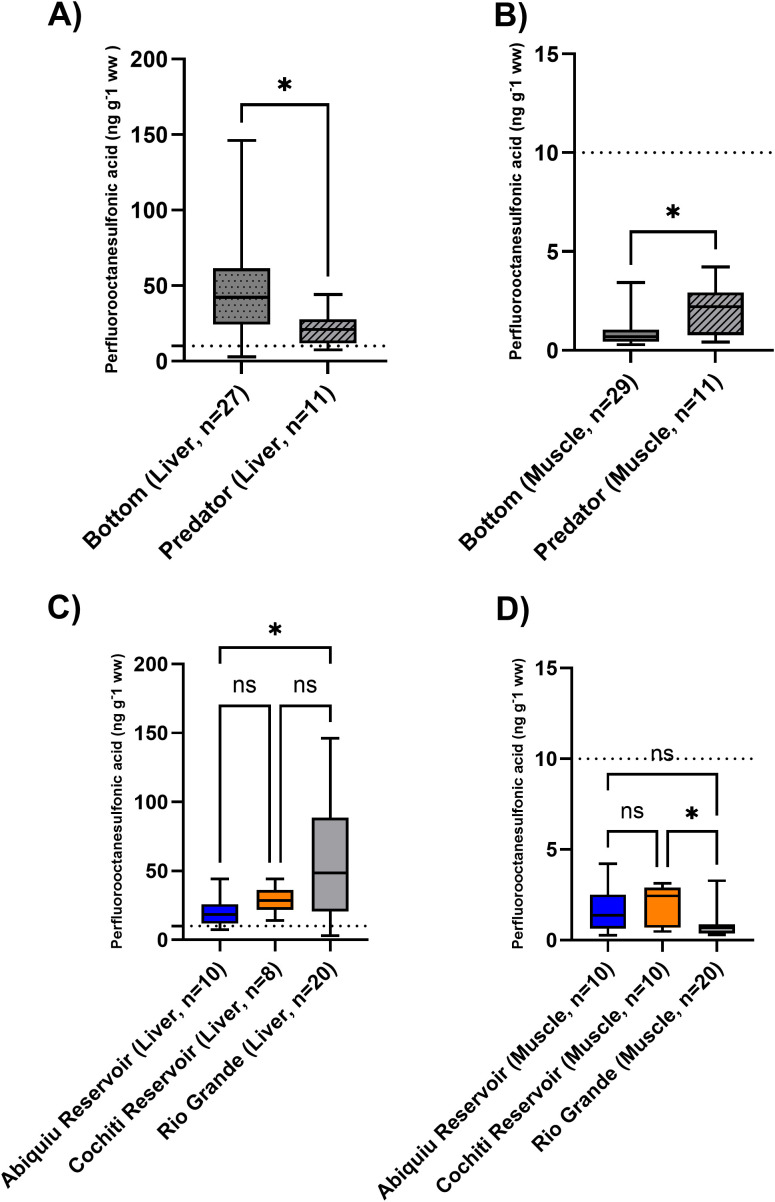 Figure 4
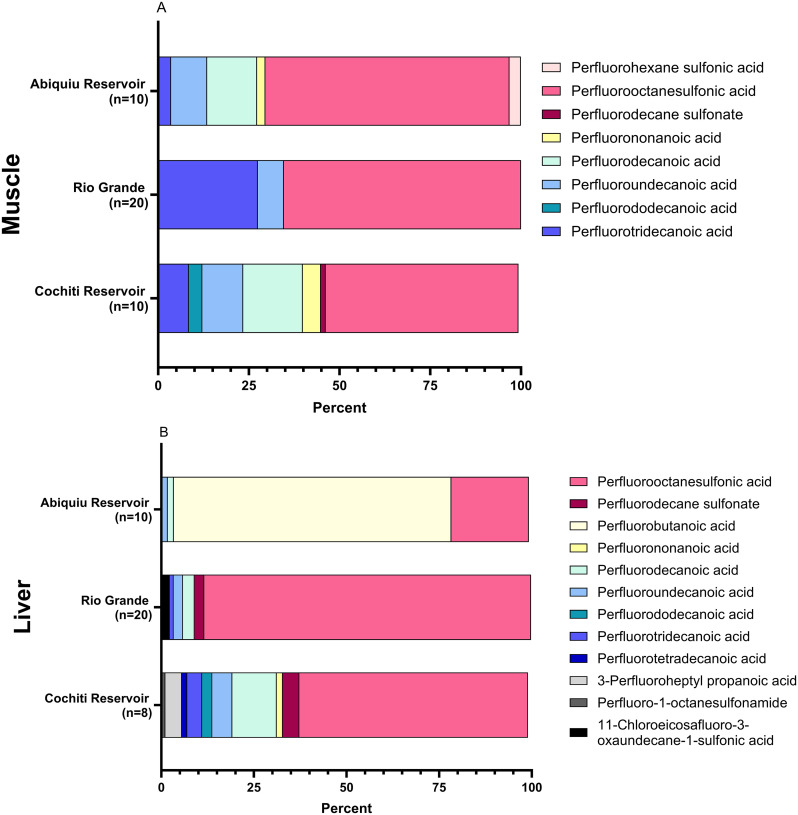 Figure 5
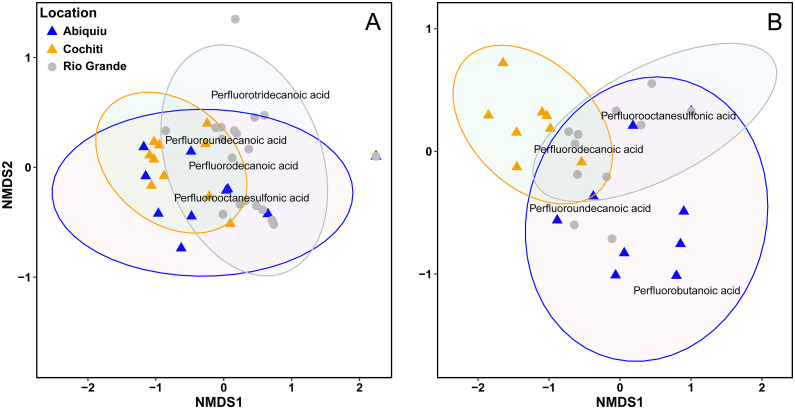 Figure 6
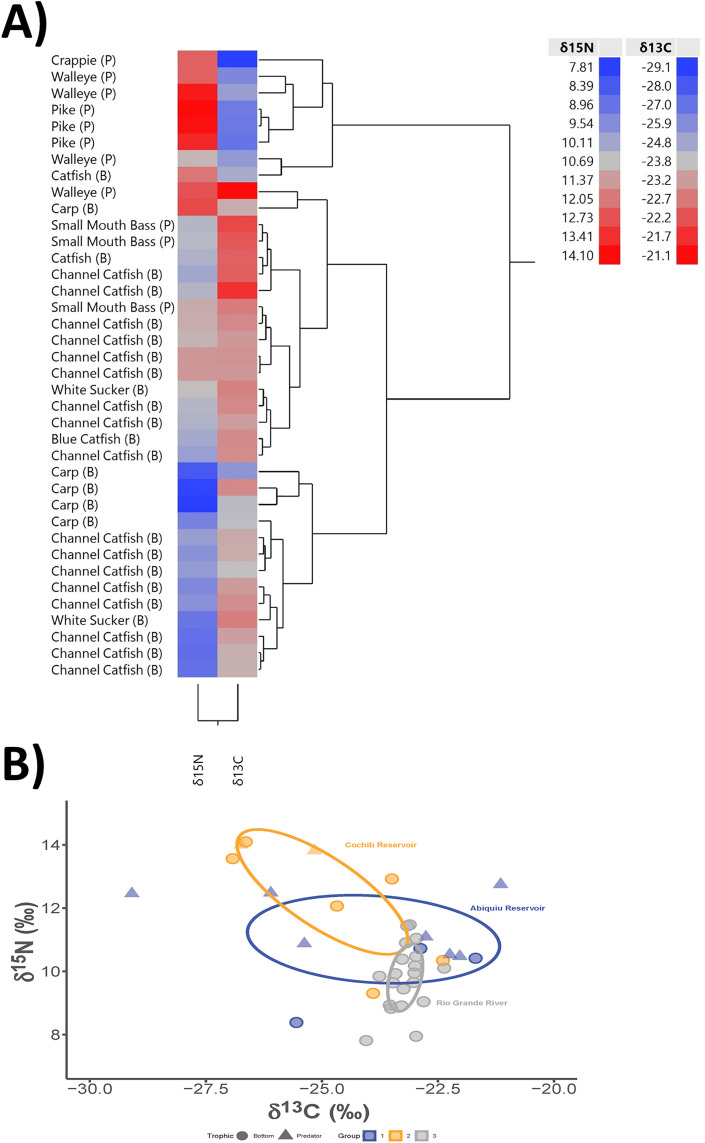 Figure 7
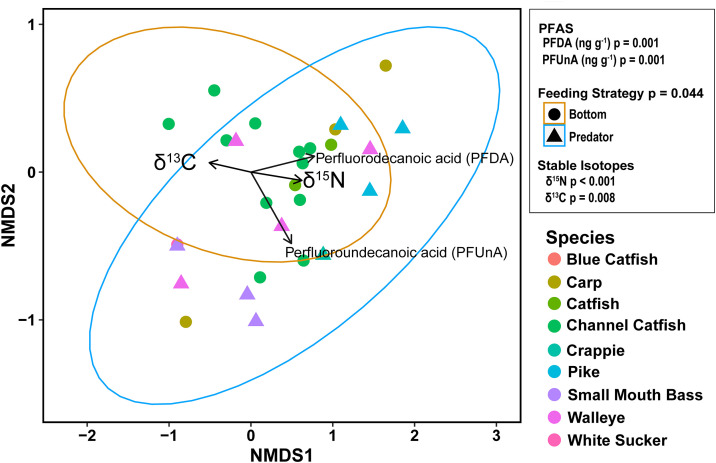 Figure 8
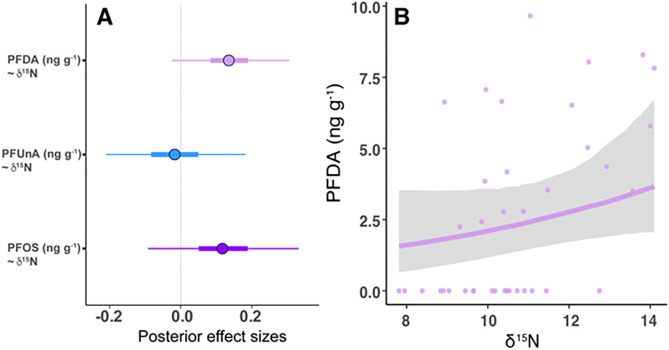 Figure 9
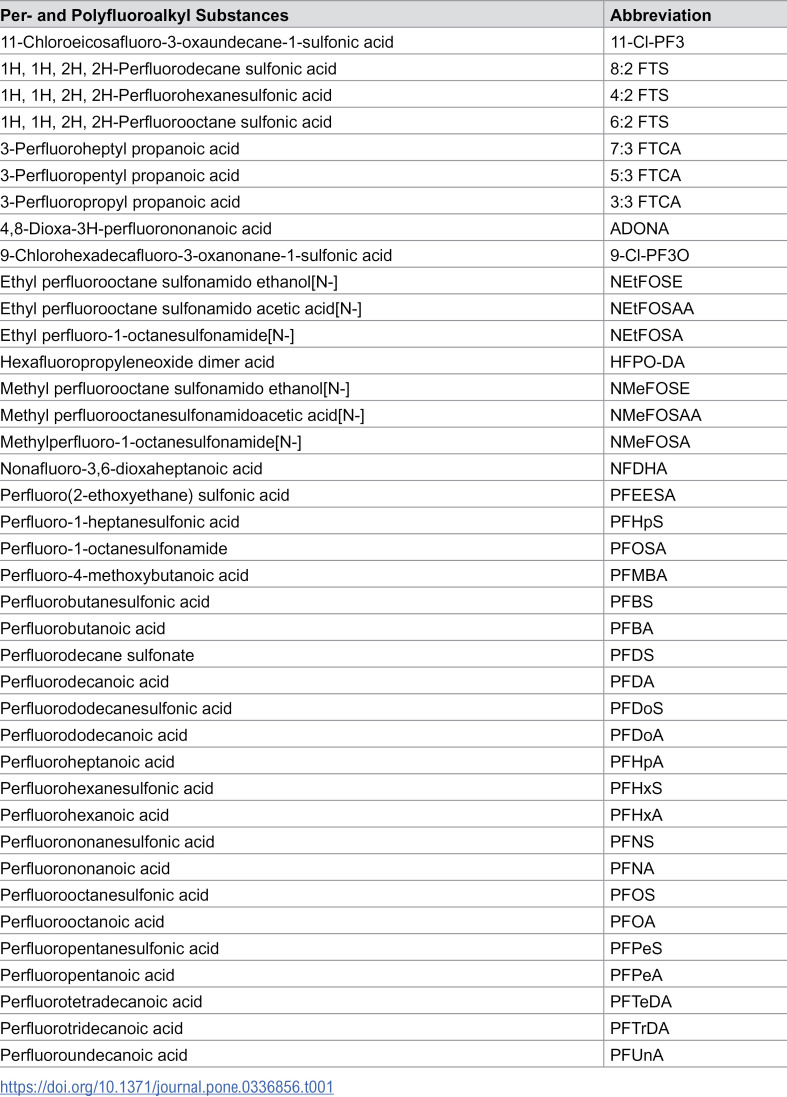 Figure 10
Peer Reviews
No public reviews on file for this paper yet. If you reviewed it on a platform where reviews are public (OpenReview, ICLR, NeurIPS, ICML), you can paste yours below so the community can read it here.
Videos
No videos yet. Explain this paper in a talk, walkthrough, or lecture? Add one.
Taxonomy
TopicsPer- and polyfluoroalkyl substances research · Toxic Organic Pollutants Impact · Effects and risks of endocrine disrupting chemicals