Inwardly rectifying potassium channels promote directional sensing during neutrophil chemotaxis
Tianqi Wang, Daniel H. Kim, Chang Ding, Dingxun Wang, Weiwei Zhang, Martin Silic, Xi Cheng, Kunming Shao, TingHsuan Ku, Conwy Zheng, Junkai Xie, Shulan Xiao, Krishna Jayant, Chongli Yuan, Alexander A. Chubykin, Christopher J. Staiger, GuangJun Zhang, Qing Deng

TL;DR
Inwardly rectifying potassium channels help neutrophils sense direction during migration, revealing a new role for bioelectricity in immune cell movement.
Contribution
The study identifies a novel role of Kir7.1 channels in directional sensing during neutrophil chemotaxis through membrane potential regulation.
Findings
Blocking or knocking out Kir channels in neutrophils disrupts directional sensing toward chemoattractants.
Kir7.1 is required for depolarization toward chemokine sources in zebrafish neutrophils.
Membrane potential acts as a key component in guiding immune cell migration through feedforward mechanisms.
Abstract
Wang et al. demonstrate that inward-rectifying potassium channels maintain the resting membrane potential and are required for directional sensing during neutrophil chemotaxis. It is a novel molecular mechanism by which bioelectricity regulates cell migration without affecting overall cell motility. The work is significant, given the high importance of immune cell migration in health and disease. Potassium channels control membrane potential and various physiological processes, including cell migration. However, the specific role of inwardly rectifying potassium channels in immune cell chemotaxis remains unknown. Here, we demonstrate that inwardly rectifying potassium channels, particularly Kir7.1 (Kcnj13), maintain the resting membrane potential and are crucial for directional sensing during neutrophil chemotaxis. Blocking or knocking out Kir in neutrophils disrupted their ability to…
Genes, proteins, chemicals, diseases, species, mutations and cell lines named across the full text — each resolved to its canonical identifier and authoritative record.
Click any figure to enlarge with its caption.
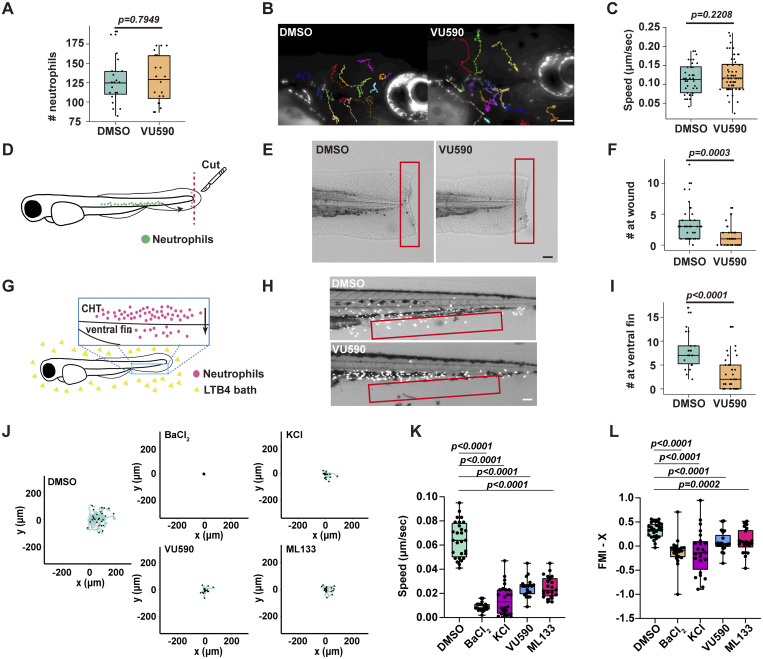 Figure 1
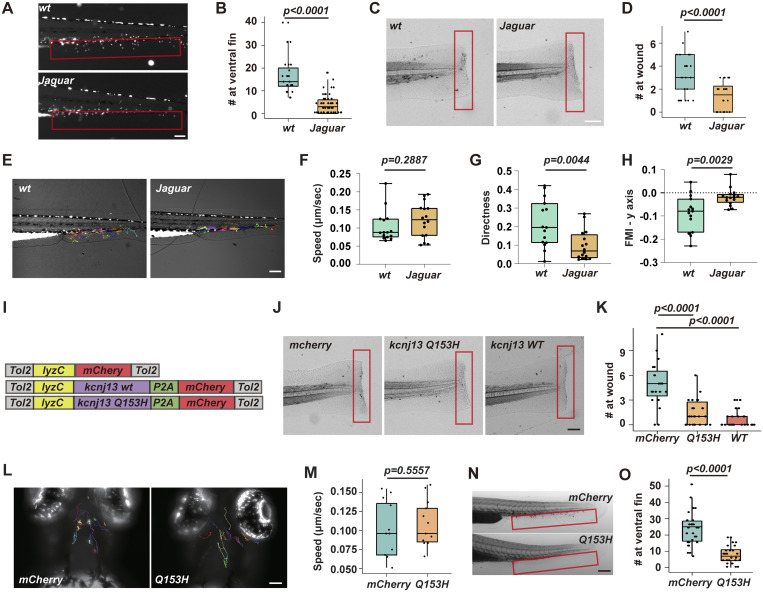 Figure 2
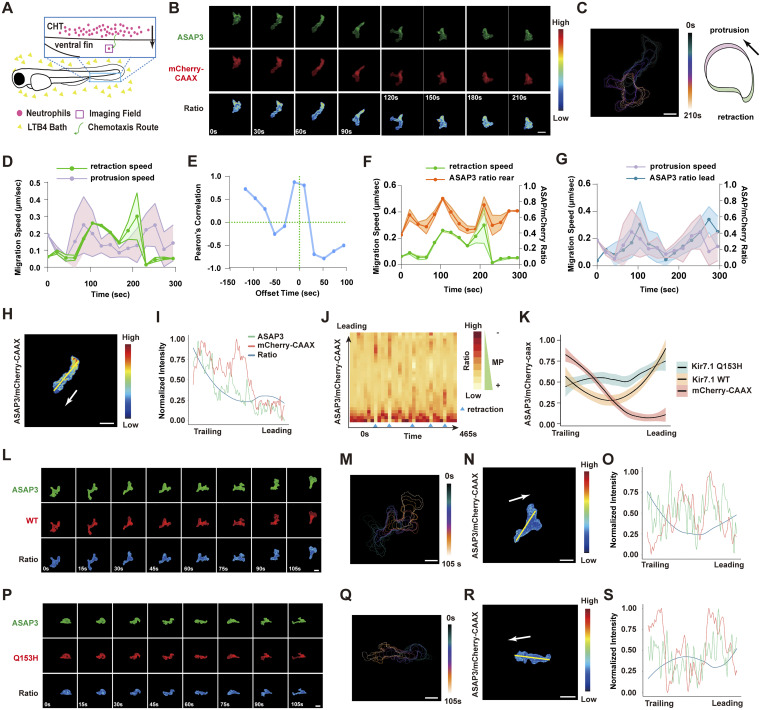 Figure 3
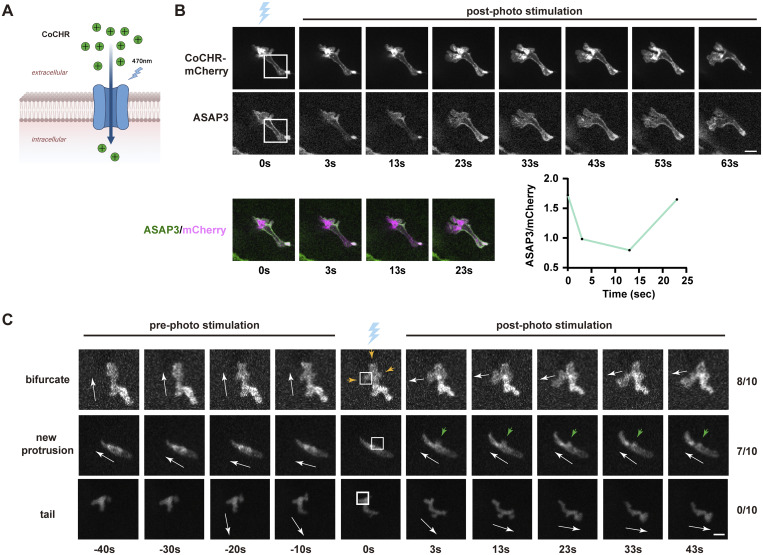 Figure 4
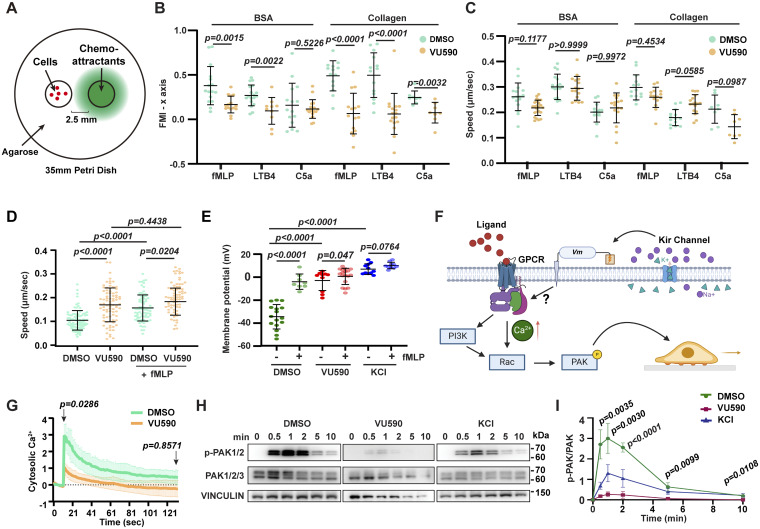 Figure 5
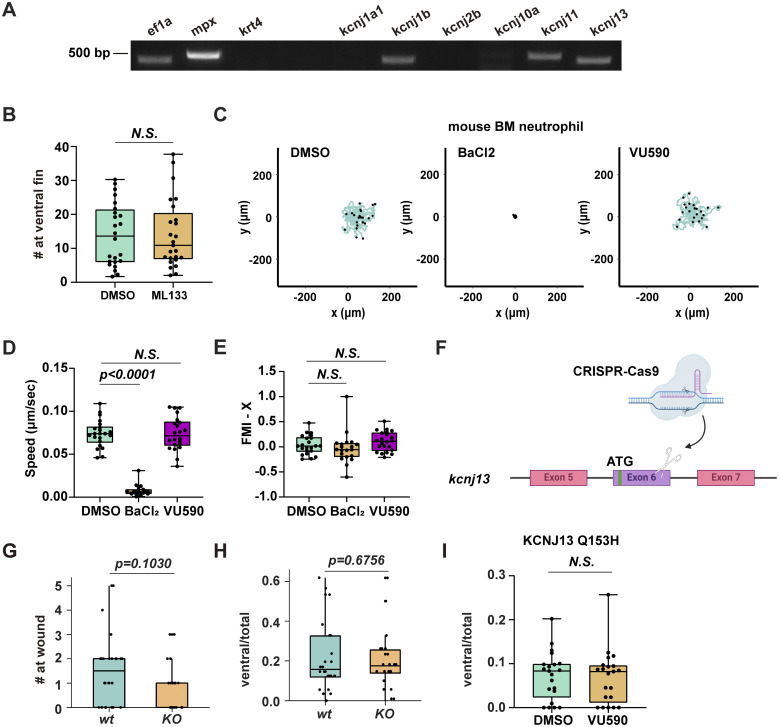 Figure 6
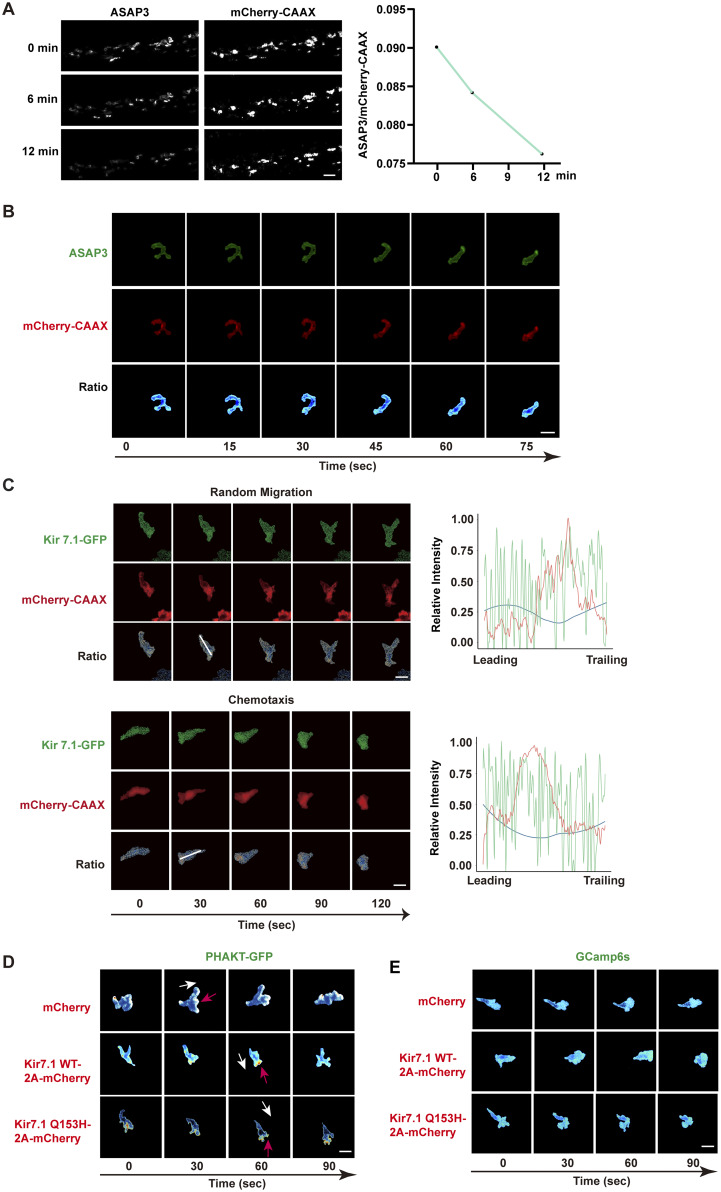 Figure 7
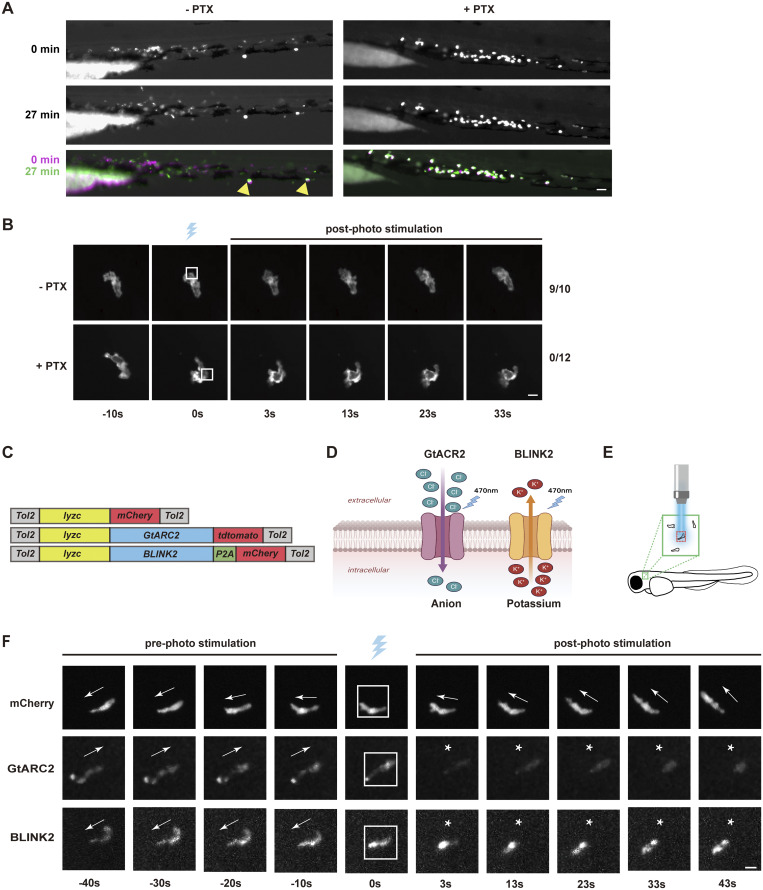 Figure 8
Peer Reviews
No public reviews on file for this paper yet. If you reviewed it on a platform where reviews are public (OpenReview, ICLR, NeurIPS, ICML), you can paste yours below so the community can read it here.
Videos
No videos yet. Explain this paper in a talk, walkthrough, or lecture? Add one.
Taxonomy
TopicsIon channel regulation and function · Planarian Biology and Electrostimulation · Erythrocyte Function and Pathophysiology