Neuroprotective Role of DING protein in Fetal Alcohol Spectrum Disorders and Depression
Nune Darbinian, Monica Hampe, Nana Merabova, Tamara Tatevosian-Geller, Laura Goetzl, Mary F Morrison, Gabriel Tatevosian, Malgorzata Simm, Eric Chabriere, Huaqing Zhao, Shohreh Amini, Michael E. Selzer

TL;DR
This study shows that the DING protein protects fetal neurons from alcohol and antidepressant effects, potentially offering new ways to prevent fetal alcohol spectrum disorders.
Contribution
The novel finding is that DING protein reverses alcohol-induced neurotoxicity and restores serotonin receptor function in human fetal neurons.
Findings
DING protein increases cell survival in human fetal neurons exposed to alcohol.
DING reverses alcohol-induced inhibition of serotonin receptors and reduces neuronal apoptosis.
Combined alcohol and SSRI exposure increases neurotoxicity compared to either alone.
Abstract
An estimated 20% of women consume alcohol during pregnancy, and 10% of women receive antidepressants during their pregnancy. Women with depression are more likely to use alcohol (EtOH) in early pregnancy and are more likely to have a child with one of the fetal alcohol spectrum disorders (FASD). Previously, we provided evidence in rat neurons in vitro that DING phosphatase (p38SJ, a member of the DINGGG family of proteins that has neuroprotective effects under conditions of cellular stress) was neuroprotective against EtOH-mediated toxicity. Now, we examine the effects of DING, alone or in combination with EtOH and serotonergic (5-HT) pathway molecules and drugs, on EtOH-mediated neurotoxicity in human fetal tissues in vitro. Human fetal brain tissue was collected between 9 and 23 weeks’ gestation. Primary neurons and neurospheres were prepared from a 16-week fetal brain. Exposures to…
Genes, proteins, chemicals, diseases, species, mutations and cell lines named across the full text — each resolved to its canonical identifier and authoritative record.
Click any figure to enlarge with its caption.
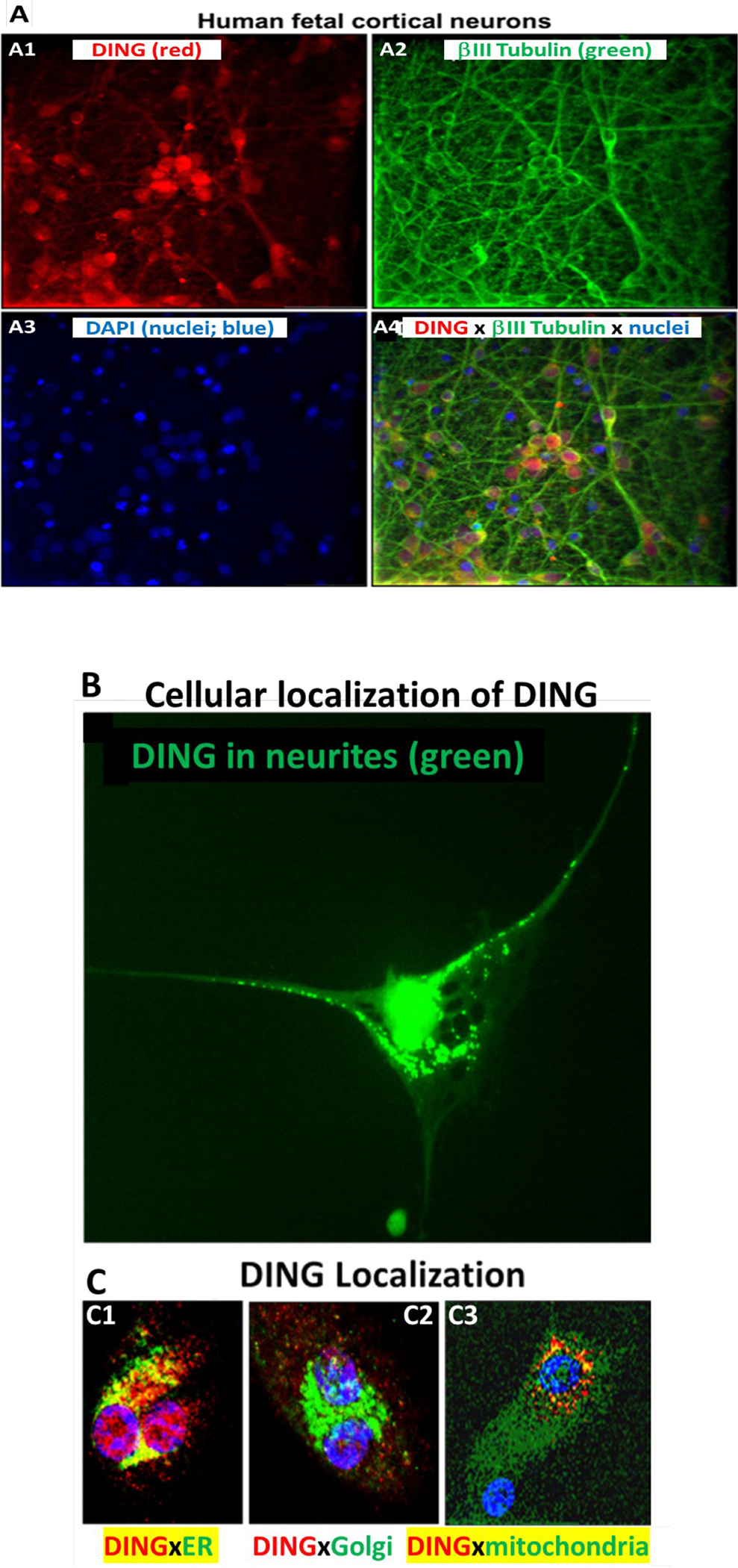 Figure 1
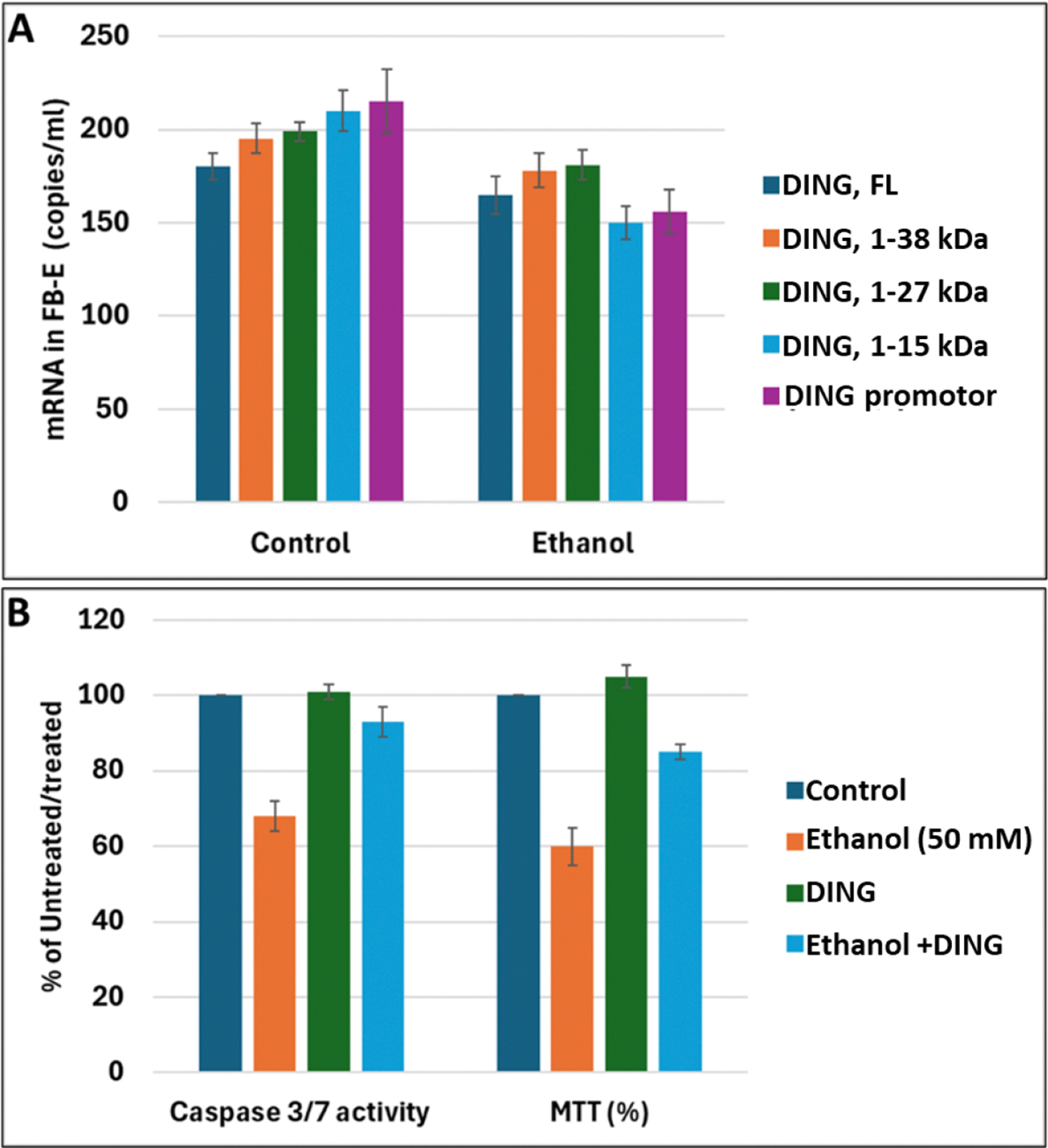 Figure 2
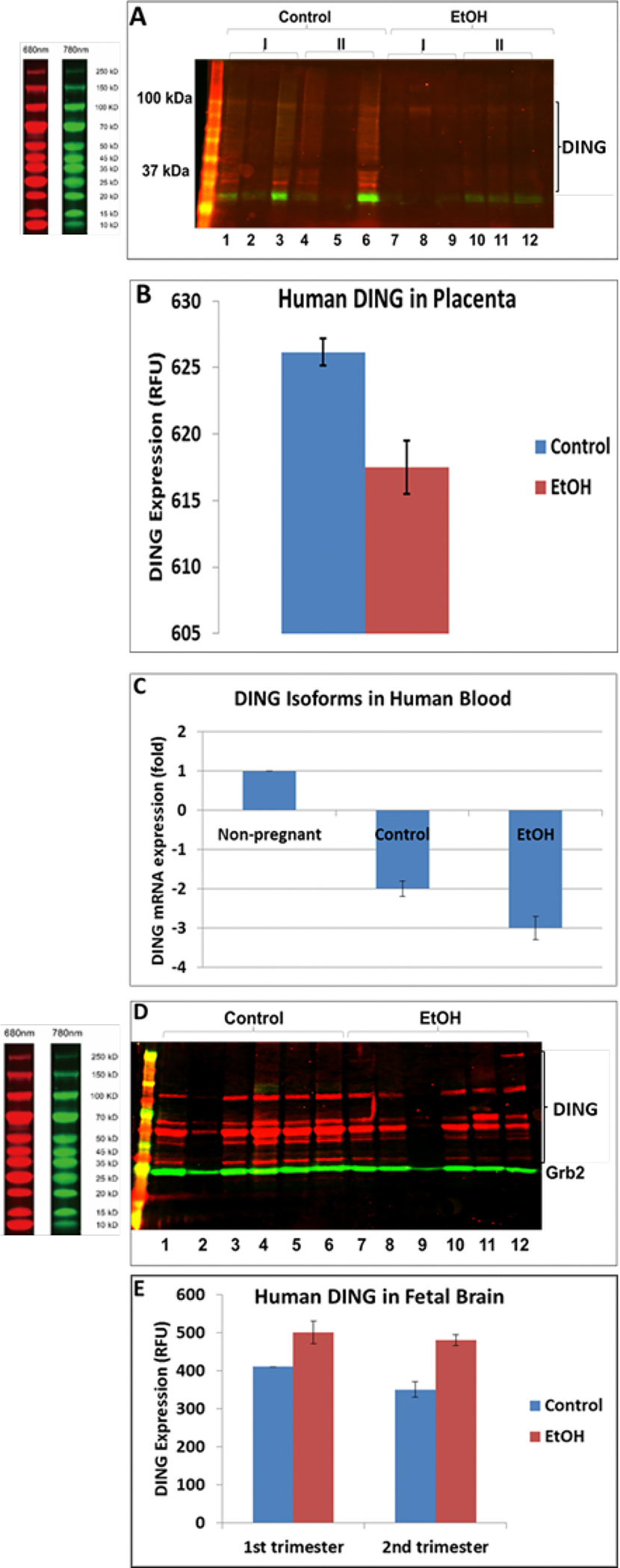 Figure 3
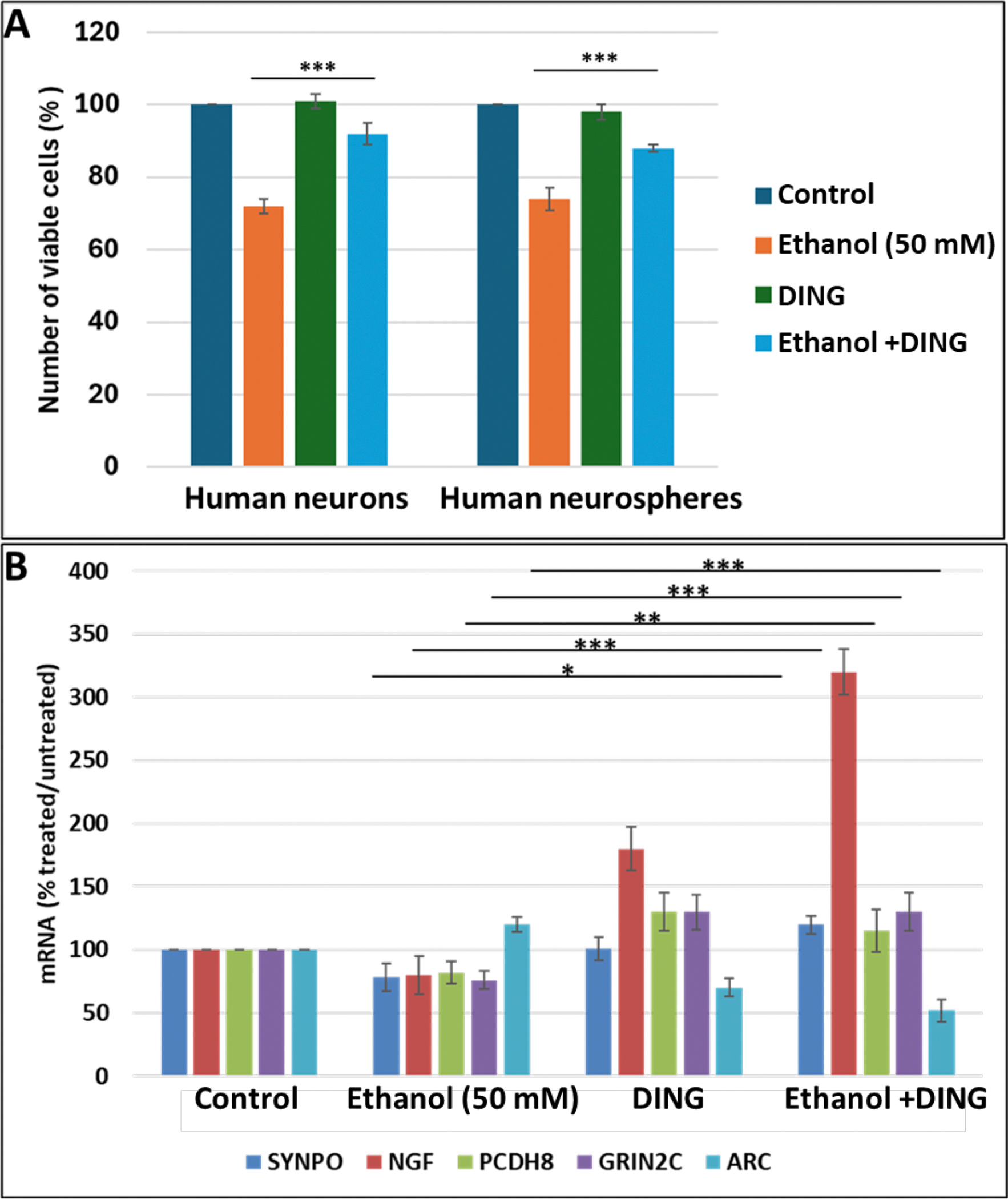 Figure 4
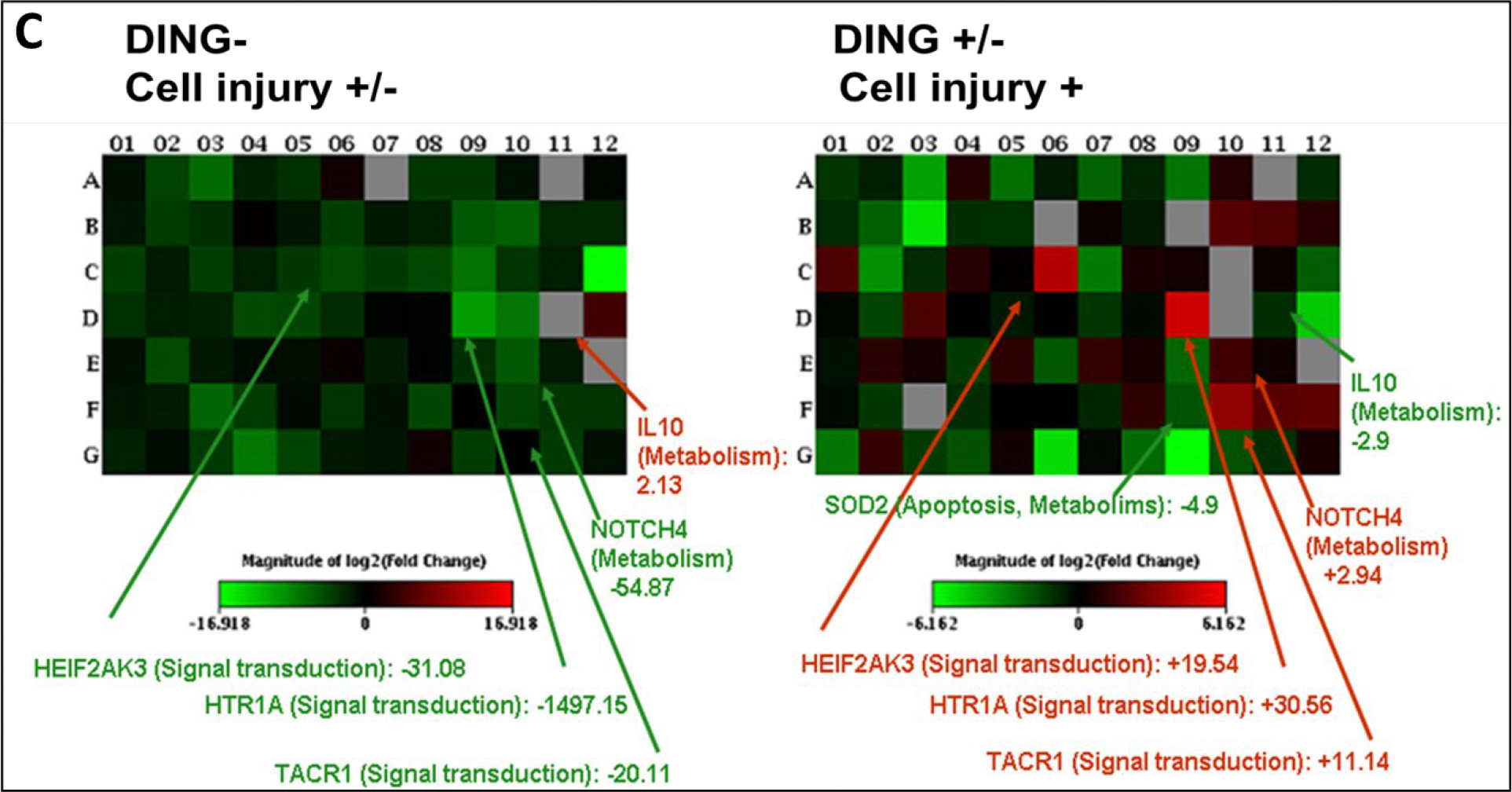 Figure 5
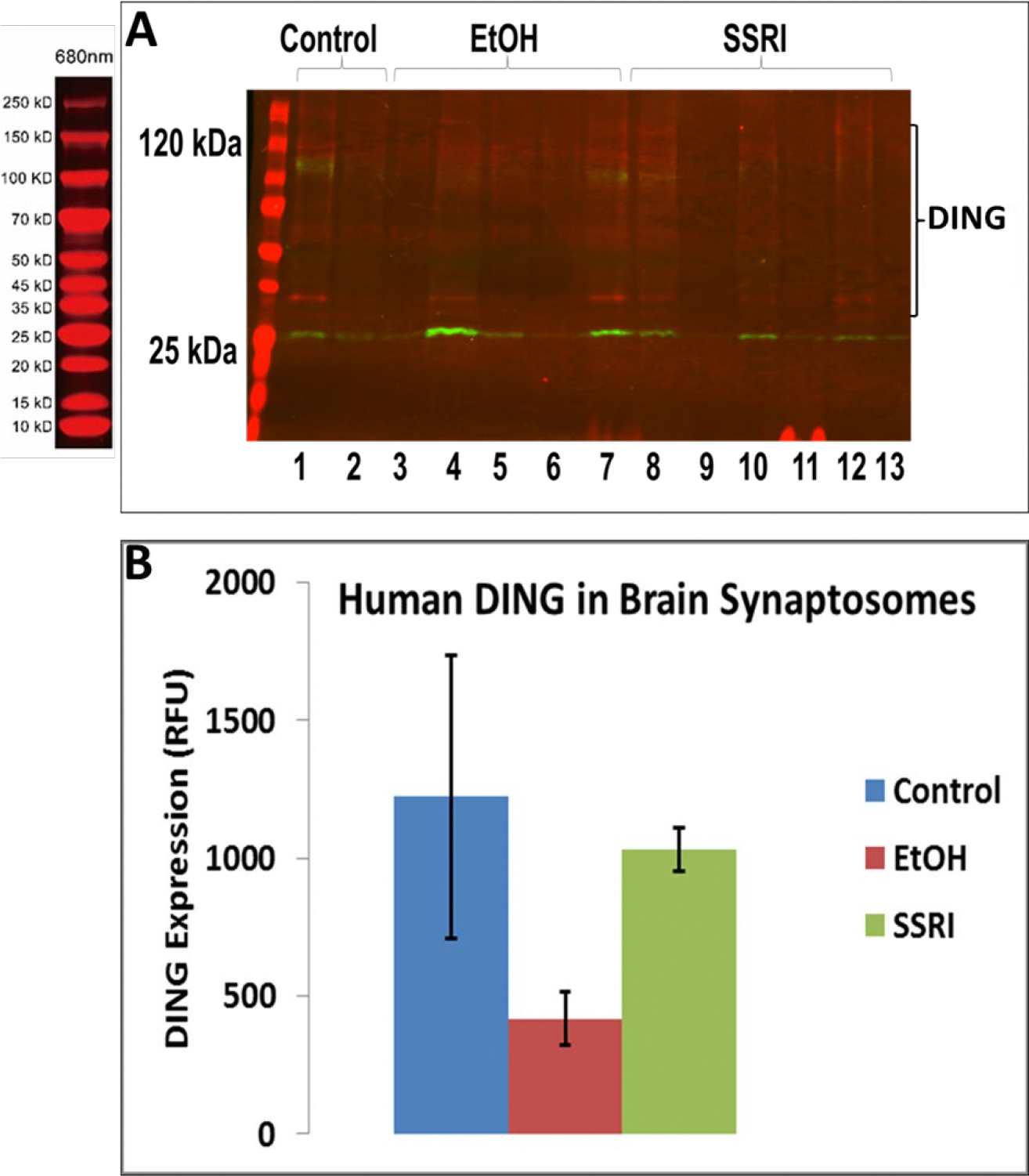 Figure 6
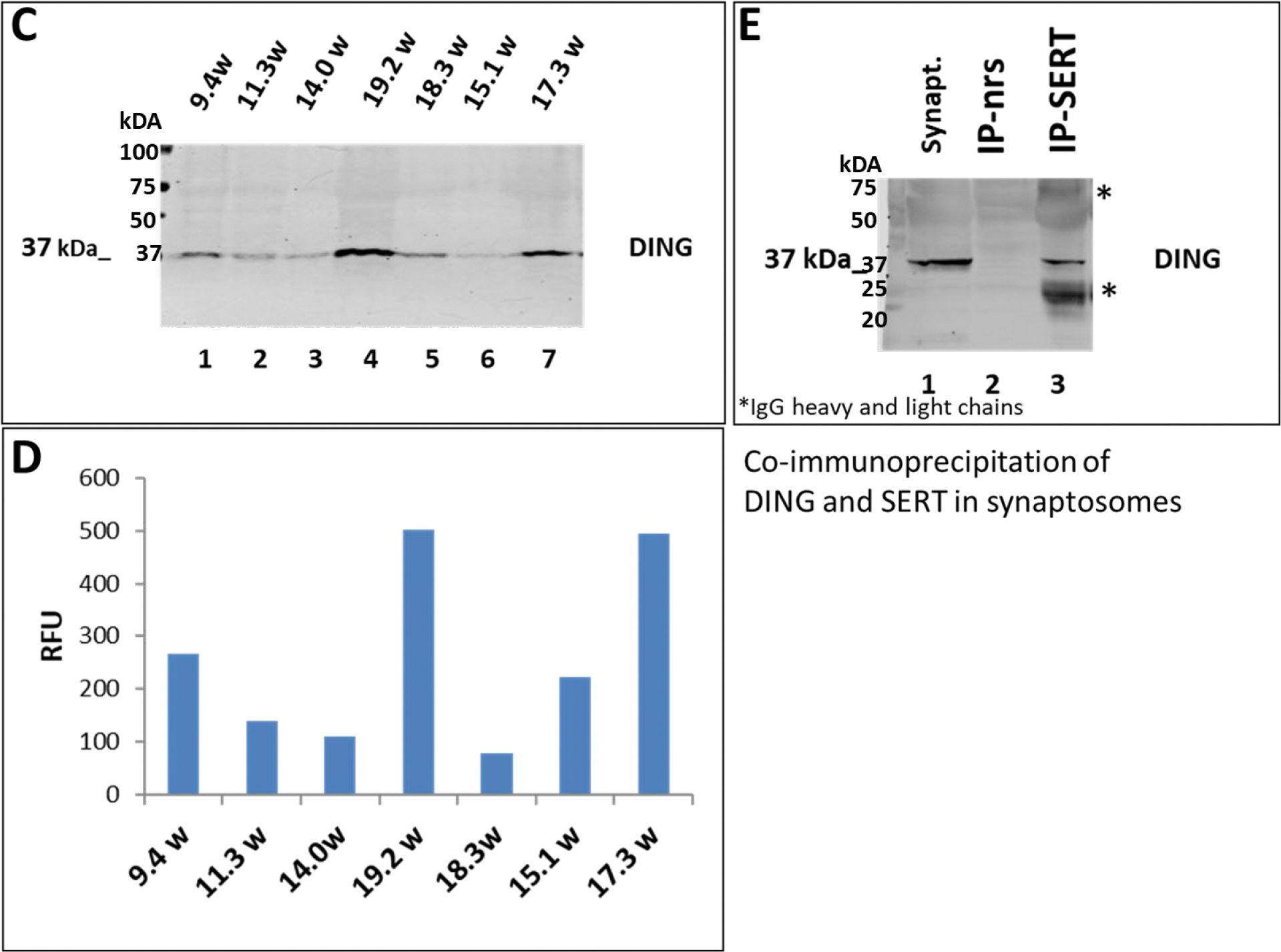 Figure 7
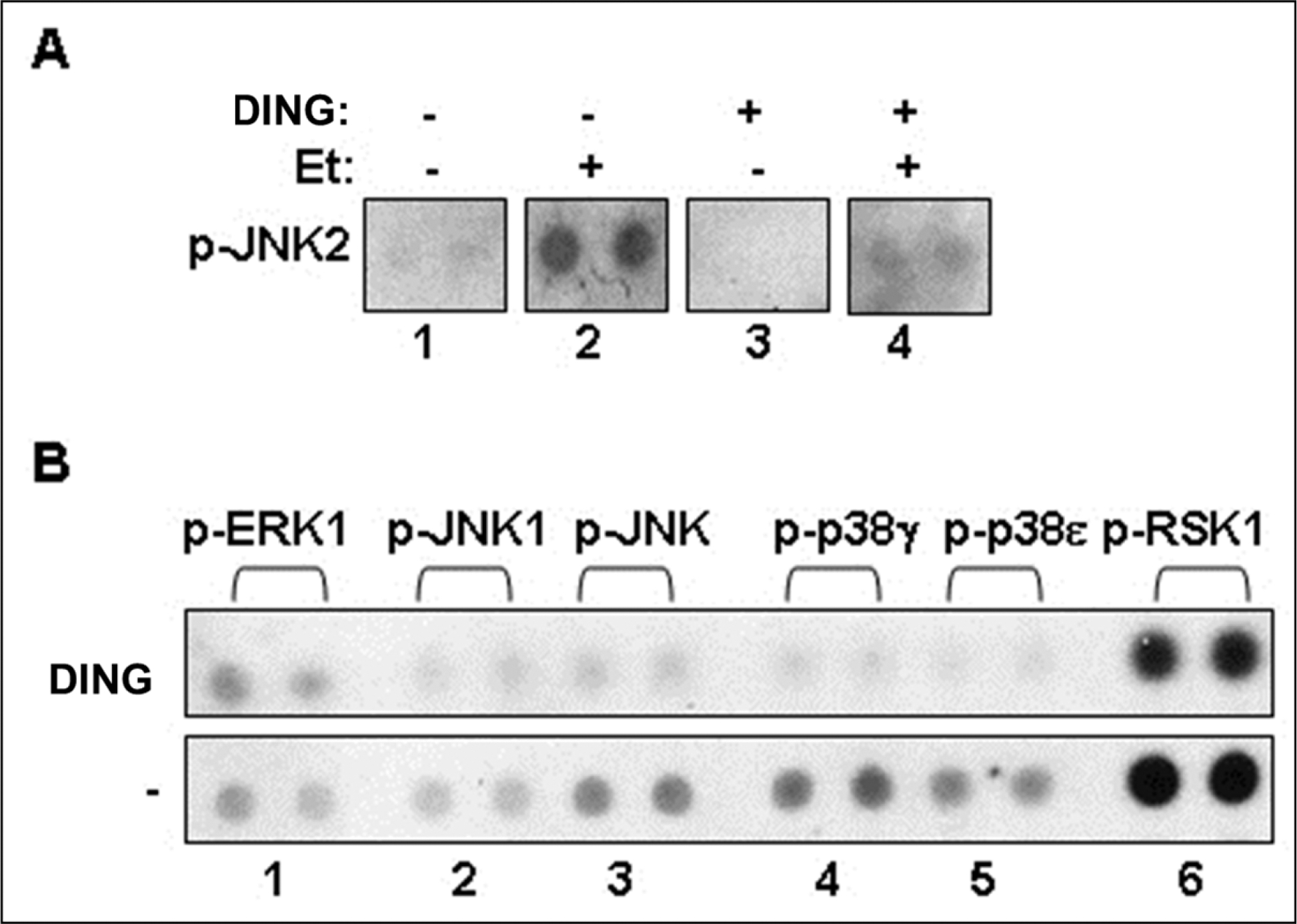 Figure 8
Peer Reviews
No public reviews on file for this paper yet. If you reviewed it on a platform where reviews are public (OpenReview, ICLR, NeurIPS, ICML), you can paste yours below so the community can read it here.
Videos
No videos yet. Explain this paper in a talk, walkthrough, or lecture? Add one.
Taxonomy
TopicsParaoxonase enzyme and polymorphisms · Stress Responses and Cortisol · Vitamin K Research Studies