Preclinical Evaluation of a Pilocarpine–(R)-Lipoic Acid Eye Drop for Presbyopia
Emily Robb, Korawin Triyasakorn, Jason Christidhis, Joshua Buffington, Marina L. Mamarian, Mahesh Kandula, Subbu Apparsundaram, John M. York

TL;DR
A new eye drop called CLX-162 was tested in preclinical studies and showed better safety and effectiveness than a similar compound in treating presbyopia.
Contribution
CLX-162 is a novel dual-mechanism eye drop that targets oxidative stress in presbyopia with improved tolerability and stability.
Findings
CLX-162 showed superior ocular tolerability compared to LACE with no corneal or conjunctival effects.
CLX-162 achieved higher and longer-lasting (R)-lipoic acid levels in the aqueous humor and lens.
CLX-162 remained stable for 6 months in a dual-chamber system and 21 days after reconstitution.
Abstract
Presbyopia is a progressive, age-related loss of near vision. Although current therapies offer symptomatic relief, they fail to target the underlying pathology. These studies investigated a novel dual-mechanism eye drop, CLX-162 (pilocarpine lipoate salt), focusing on three key characteristics: (1) tolerability, (2) pharmacokinetics and ocular tissue penetration, and (3) chemical stability within a dual-chamber delivery system. Tolerability and pharmacokinetic studies involved administering CLX-162 and lipoic acid choline ester (LACE) ophthalmic formulations to New Zealand White rabbits. Investigators assessed ocular tolerability using the Draize scoring system and evaluated pharmacokinetics by collecting and analyzing ocular tissues. A third study evaluated CLX-162 stability by storing it in a dual-chamber system under varying conditions and analyzing the drug substance and…
Genes, proteins, chemicals, diseases, species, mutations and cell lines named across the full text — each resolved to its canonical identifier and authoritative record.
Click any figure to enlarge with its caption.
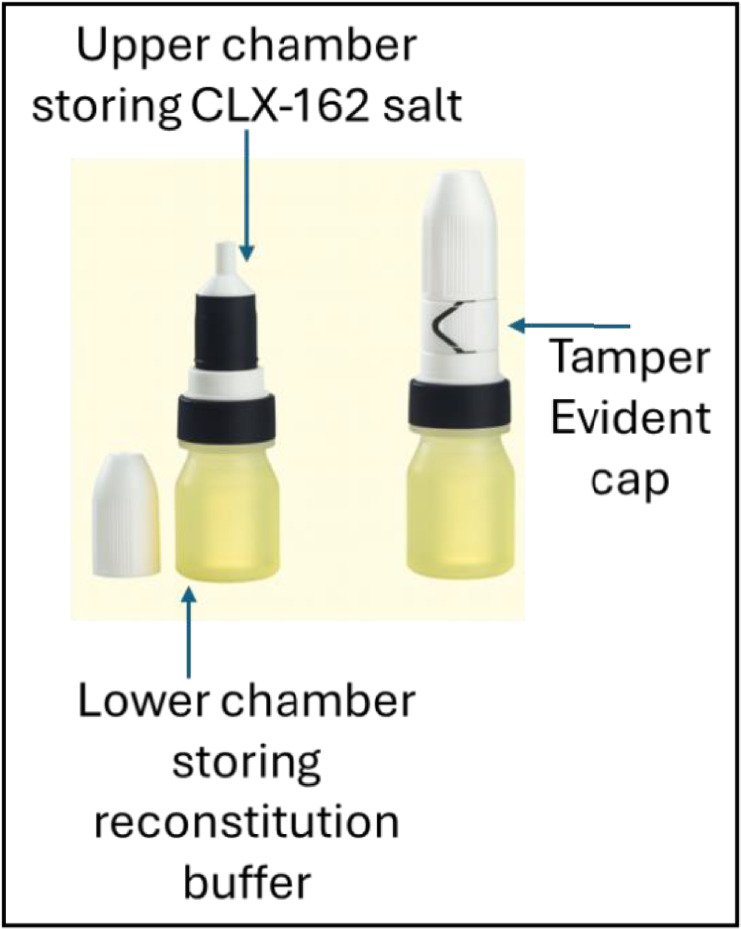 Figure 1
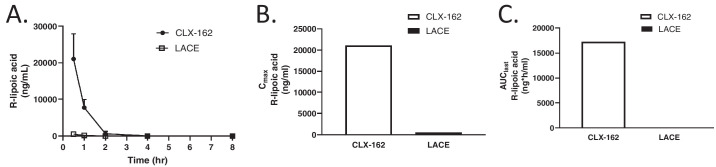 Figure 2
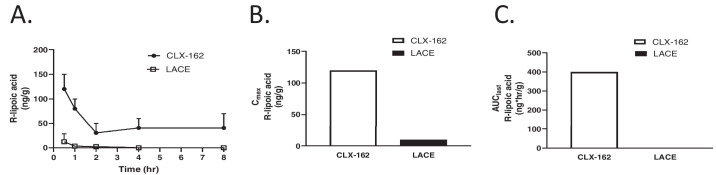 Figure 3
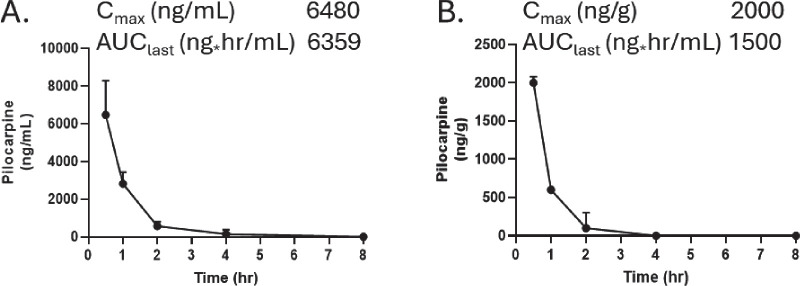 Figure 4
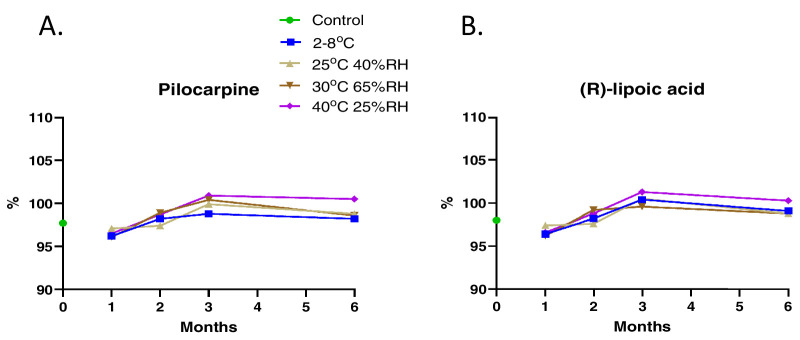 Figure 5
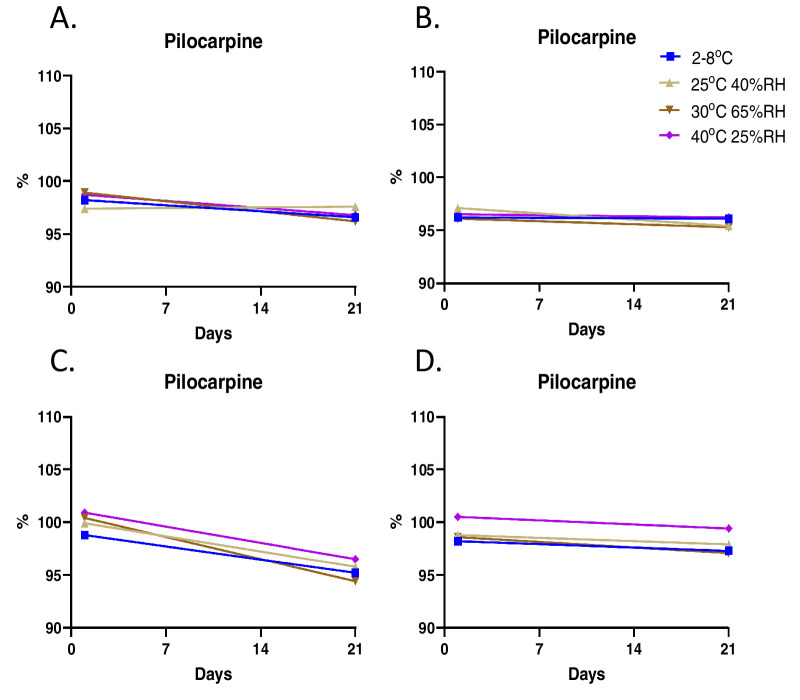 Figure 6
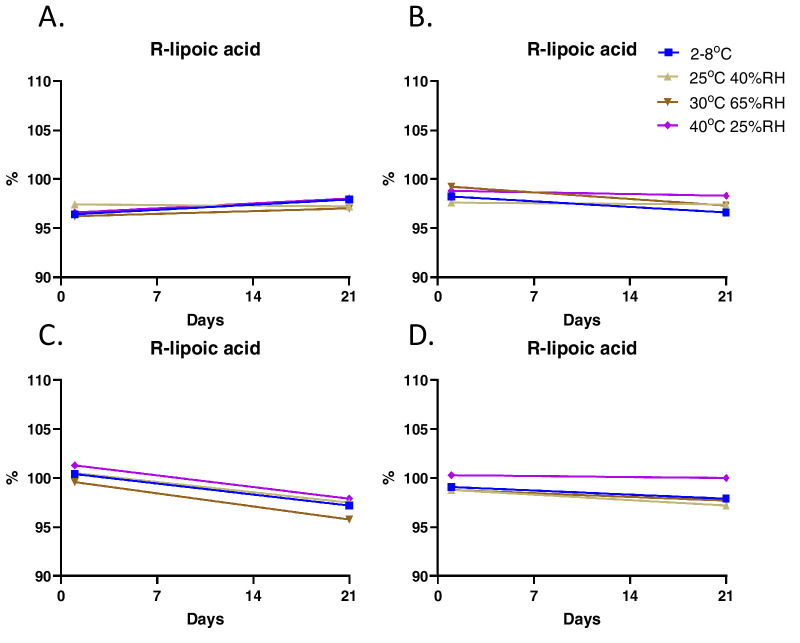 Figure 7
Peer Reviews
No public reviews on file for this paper yet. If you reviewed it on a platform where reviews are public (OpenReview, ICLR, NeurIPS, ICML), you can paste yours below so the community can read it here.
Videos
No videos yet. Explain this paper in a talk, walkthrough, or lecture? Add one.
Taxonomy
TopicsOphthalmology and Visual Impairment Studies · Neurological Disorders and Treatments · Biochemical Acid Research Studies