Strong immunogenicity and protection against SARS-CoV-2 in hamsters induced by heterologous boost vaccination with an MVA-based COVID-19 vaccine candidate
Sonja Ohrnberger, Christian Meyer zu Natrup, Sabrina Clever, Lisa-Marie Schünemann, Federico Armando, Malgorzata Ciurkiewicz, Wolfgang Baumgärtner, Georgia Kalodimou, Gerd Sutter, Alina Tscherne, Asisa Volz

TL;DR
Using a different vaccine for a booster shot in hamsters provided strong protection against SARS-CoV-2 and better immune response than using the same vaccine twice.
Contribution
Demonstrated that MVA-ST as a heterologous booster enhances protection and immunogenicity against SARS-CoV-2 in hamsters.
Findings
Heterologous prime–boost regimens with MVA-ST as a booster conferred robust protection against severe SARS-CoV-2 disease.
Lower doses of MVA-ST as a booster still provided strong protection and limited viral shedding in hamsters.
MVA-ST as a booster induced superior immunogenicity compared to homologous MVA-ST vaccination.
Abstract
Over the last decade, heterologous prime–boost vaccination regimens have been established as a promising strategy to enhance immune responses and make optimal use of the advantages of different vaccine platforms. Modified vaccinia virus Ankara (MVA), a replication-deficient poxviral vector with an established safety profile, is under clinical investigation as a versatile recombinant vaccine platform against various infectious diseases. In the context of coronavirus disease 2019 (COVID-19), a recombinant MVA-based vaccine candidate expressing the prefusion-stabilized severe acute respiratory syndrome coronavirus 2 (SARS-CoV-2) spike protein (MVA-ST) has demonstrated safety, immunogenicity and protection in preclinical studies using different animal models. Furthermore, a phase Ib clinical trial in healthy adults showed that MVA-ST is safe, well-tolerated and immunogenic when used as a…
Genes, proteins, chemicals, diseases, species, mutations and cell lines named across the full text — each resolved to its canonical identifier and authoritative record.
Click any figure to enlarge with its caption.
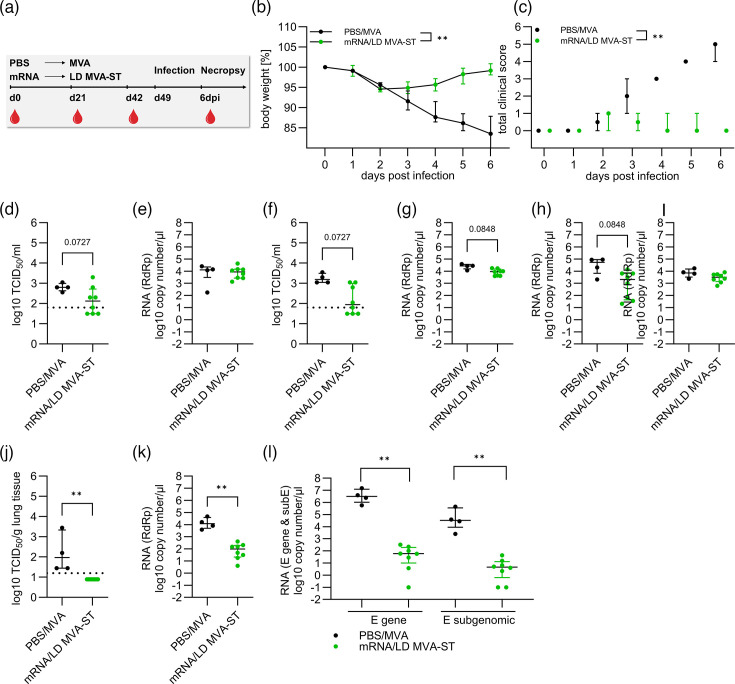 Figure 1
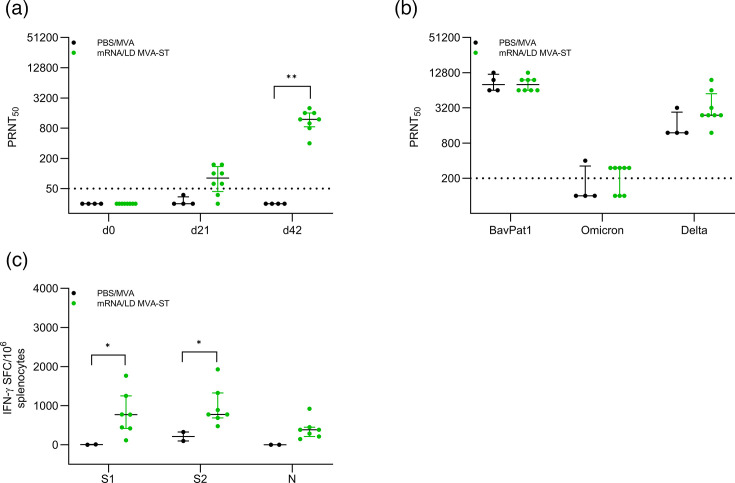 Figure 2
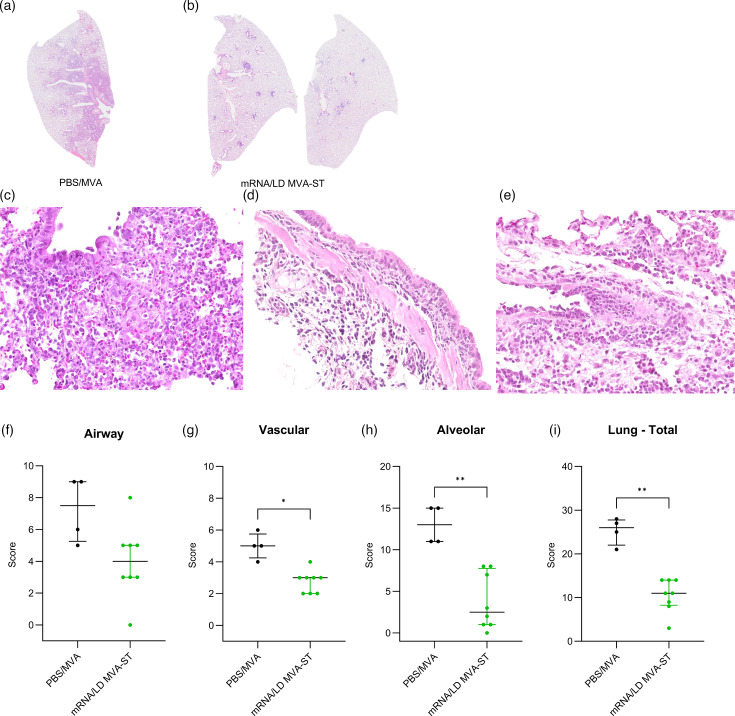 Figure 3
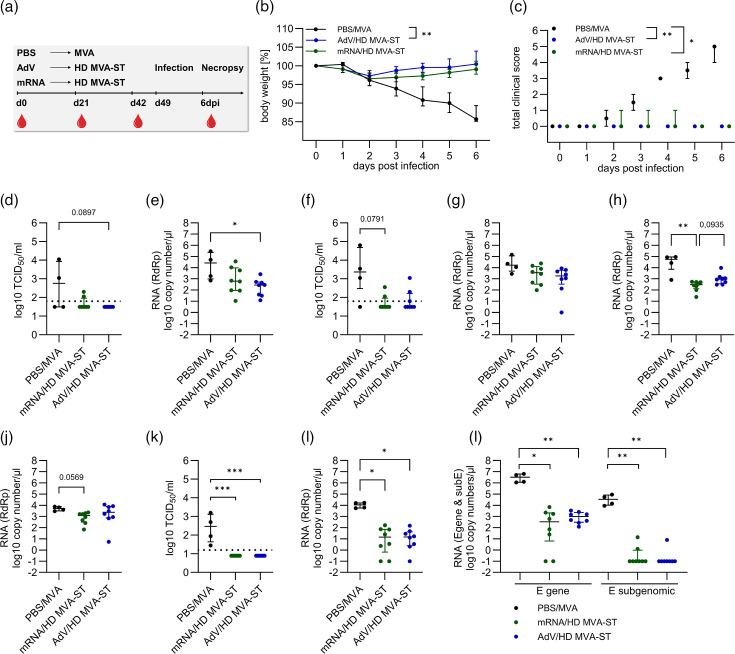 Figure 4
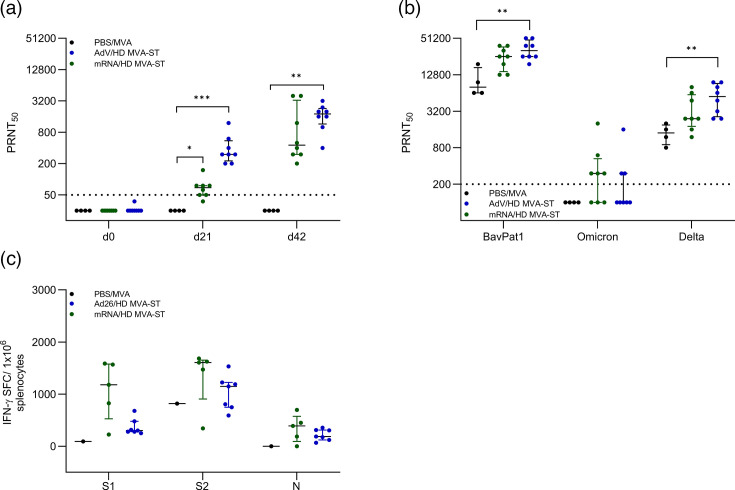 Figure 5
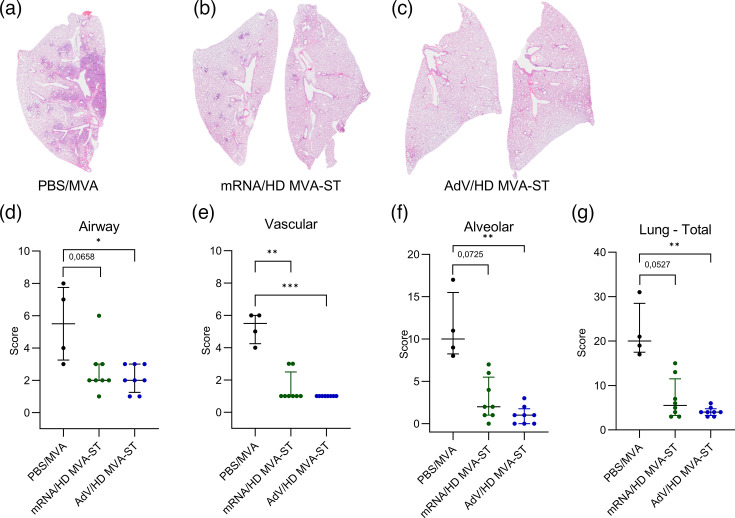 Figure 6
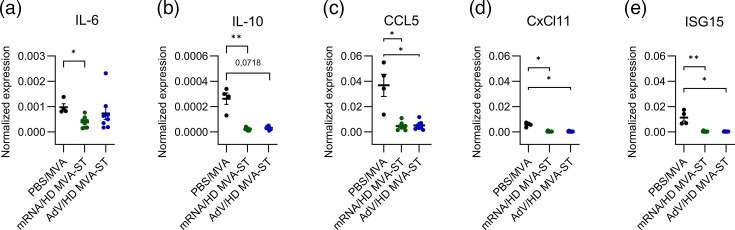 Figure 7
Peer Reviews
No public reviews on file for this paper yet. If you reviewed it on a platform where reviews are public (OpenReview, ICLR, NeurIPS, ICML), you can paste yours below so the community can read it here.
Videos
No videos yet. Explain this paper in a talk, walkthrough, or lecture? Add one.
Taxonomy
TopicsSARS-CoV-2 and COVID-19 Research · Animal Virus Infections Studies · Virus-based gene therapy research