Insecticide resistance and malaria transmission indicators in Anopheles gambiae s.l. in Bobo-Dioulasso, Burkina Faso: implications for vector control strategies
Miriam Félicité Amara, Moussa Namountougou, Hamadou Konaté, Kouamé Wilfred Ulrich Kouadio, Koudraogo Bienvenue Yaméogo, Sadapawindé Thérèse Kagoné, Abdoulaye Diabaté, Olivier Gnankine

TL;DR
This study in Burkina Faso found high insecticide resistance in malaria-carrying mosquitoes, but some insecticides still work, highlighting the need for updated control strategies.
Contribution
The study provides new insights into insecticide resistance patterns and malaria transmission dynamics in Anopheles gambiae populations in Bobo-Dioulasso.
Findings
High resistance to dichlorodiphenyltrichloroethane and pyrethroids was observed, with evidence of metabolic resistance mechanisms.
Anopheles arabiensis was the dominant malaria vector, contributing 91.2% of infectious bites with a high sporozoite infection rate.
Bendiocarb and pirimiphos-methyl showed susceptibility in most localities, suggesting potential for continued use in vector control.
Abstract
In the context of intensified malaria control efforts in Burkina Faso, this study assessed i) the insecticide resistance status of Anopheles gambiae sensu lato and ii) key entomological indicators of malaria transmission in Bobo-Dioulasso. World Health Organization–standard susceptibility bioassays were conducted on Anopheles populations collected from six neighborhoods (Kua, Sarfalao, Sabaribougou, Dogona, Farakan and Kodeni). The bioassays tested six insecticides organochlorines (4%dichlorodiphenyltrichloroethane), organophosphates (1.25% pirimiphos-methyl), pyrethroids (0.75%permethrin, 0.05% deltamethrin, 0.05% alpha-cypermethrin), and carbamates (0.1% bendiocarb). Synergist bioassays using piperonyl butoxide (PBO) were also performed to investigate metabolic resistance mechanisms, and Plasmodium infection rates were determined via Polymerase Chain Reaction. Overall, data revealed…
Genes, proteins, chemicals, diseases, species, mutations and cell lines named across the full text — each resolved to its canonical identifier and authoritative record.
Click any figure to enlarge with its caption.
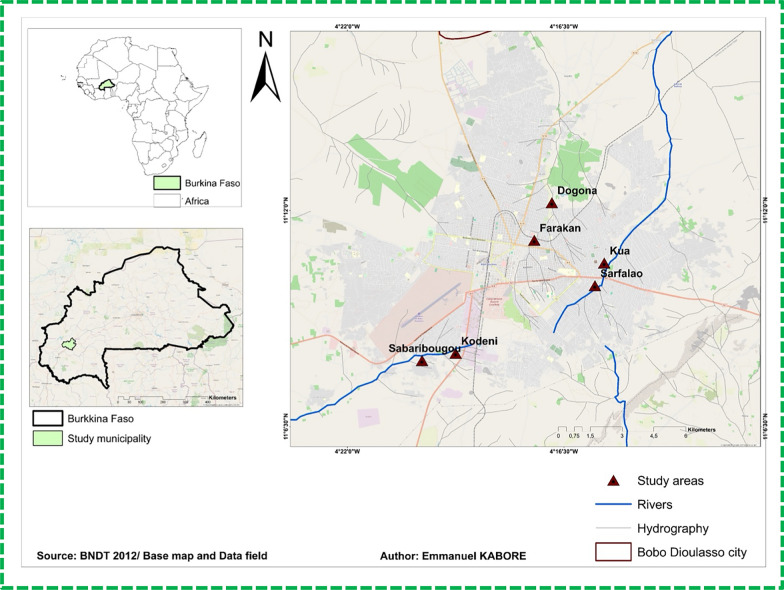 Figure 1
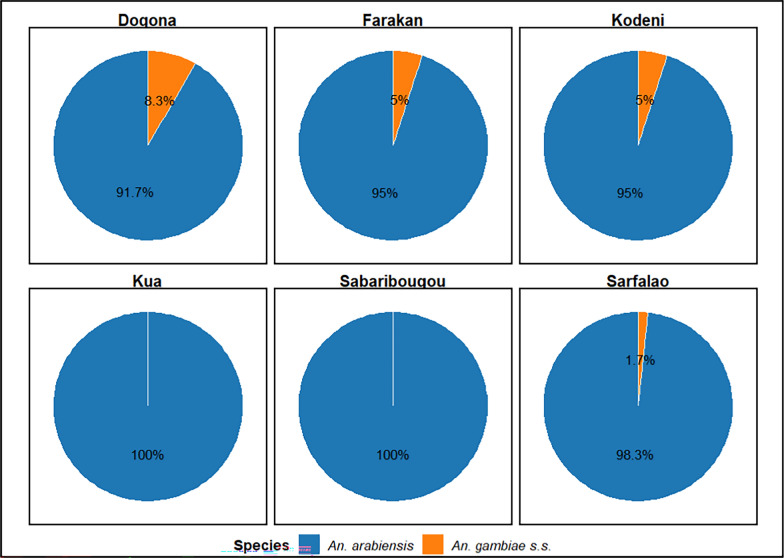 Figure 2
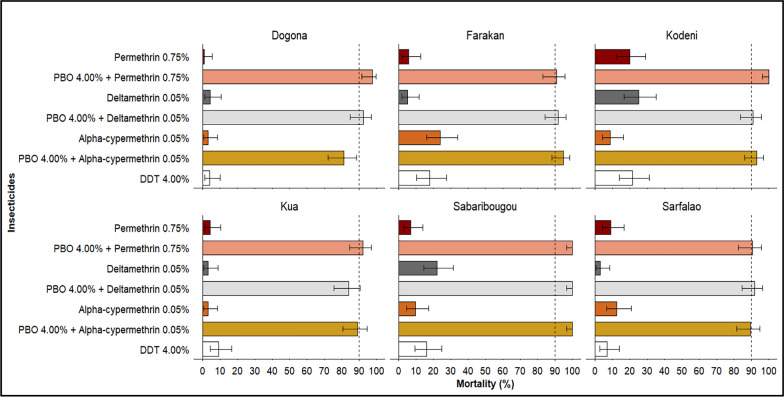 Figure 3
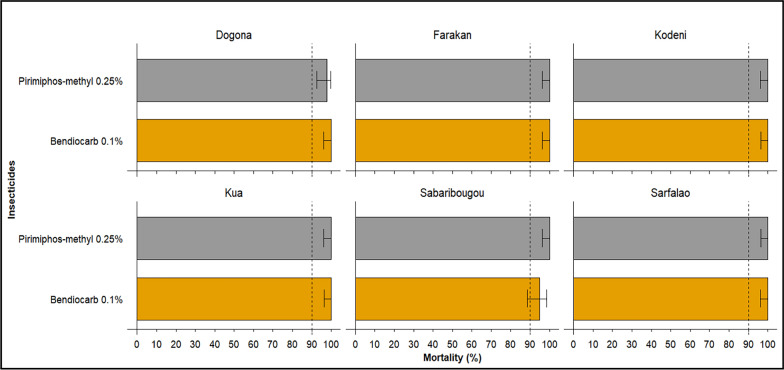 Figure 4
Peer Reviews
No public reviews on file for this paper yet. If you reviewed it on a platform where reviews are public (OpenReview, ICLR, NeurIPS, ICML), you can paste yours below so the community can read it here.
Videos
No videos yet. Explain this paper in a talk, walkthrough, or lecture? Add one.
Taxonomy
TopicsMalaria Research and Control · Insect Pest Control Strategies · Insect Resistance and Genetics