Pediatric ABCC6 deficiency: a genotypic and phenotypic analysis
Marta Bertamino, David J. Goldberg, M. Zulf Mughal, Lisa Pabst, Yaping Joyce Liao, Lisa R. Sun, Jane Beckwell, Amina Kozaric, Ruth du Moulin, Katie Swanner, Carlos R. Ferreira, Shira G. Ziegler

TL;DR
This study examines the genetic and physical traits of ABCC6 deficiency in children, revealing early and varied complications that suggest the condition is underdiagnosed.
Contribution
The study provides the first comprehensive analysis of ABCC6 deficiency in the pediatric population, highlighting its clinical variability and early manifestations.
Findings
ABCC6 deficiency in children shows high prevalence of ectopic calcification and complications in cardiovascular, dermatologic, neurologic, and ocular systems.
Many pediatric patients exhibit overlapping features of GACI and PXE, with significant phenotypic variability among those with the same genetic variants.
Clinical manifestations are most frequent before age 6, with a decline in frequency from ages 7 to 18.
Abstract
ABCC6 deficiency is caused by variants in the ABCC6 gene, leading to dysfunction of the ABCC6 protein. This can result in the development of the infantile phenotype, generalized arterial calcification of infancy type 2 (GACI2), or the adolescent-adult phenotype, pseudoxanthoma elasticum (PXE). To date, the impact of ABCC6 deficiency in a pediatric population has not been comprehensively studied. This analysis aimed to collectively characterize the genotypic and phenotypic presentation of ABCC6 deficiency in the pediatric population. A literature review and analysis identified 95 individuals with ABCC6 variant(s) and documented clinical manifestations occurring from ages 0 to < 18 years. Of the 133 ABCC6 variants found, 57.1% were pathogenic, 26.3% were likely pathogenic, and 10.5% were of uncertain significance. A high prevalence of ectopic calcification with cardiovascular,…
Genes, proteins, chemicals, diseases, species, mutations and cell lines named across the full text — each resolved to its canonical identifier and authoritative record.
Click any figure to enlarge with its caption.
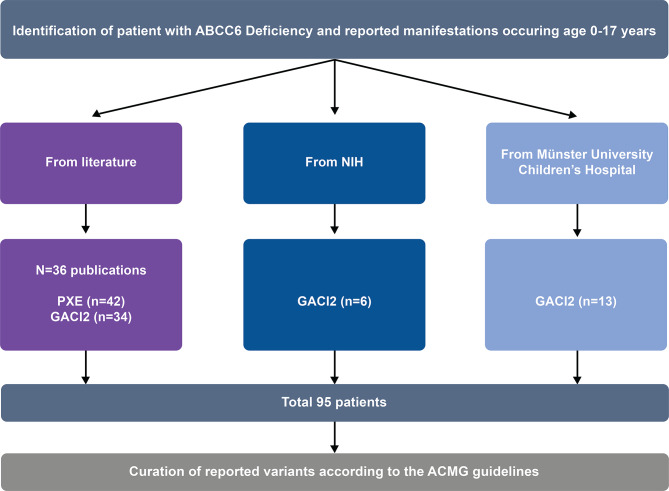 Figure 1
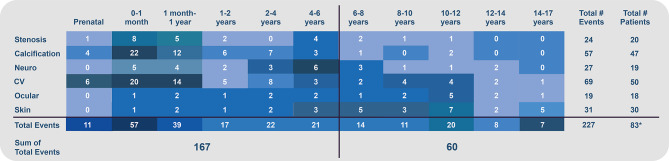 Figure 2
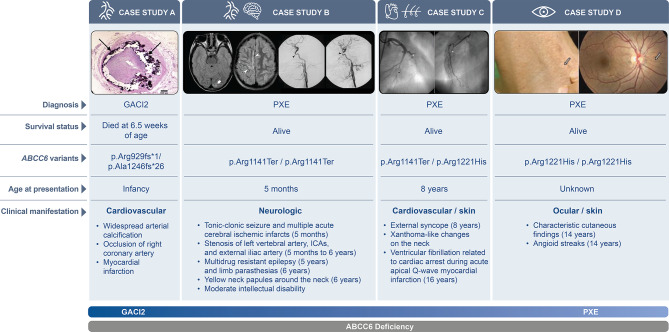 Figure 3
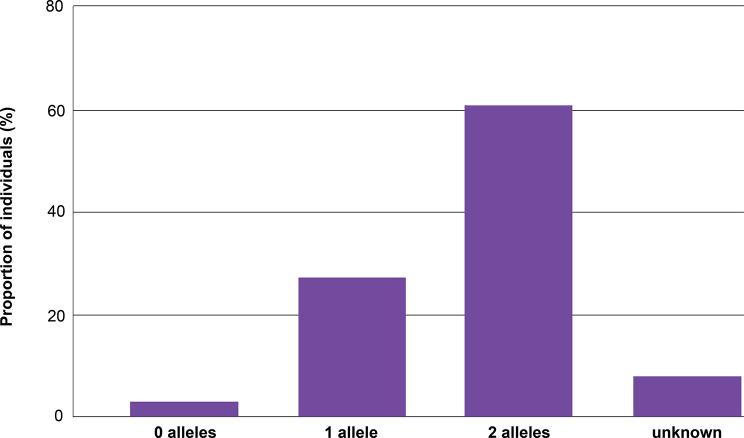 Figure 4
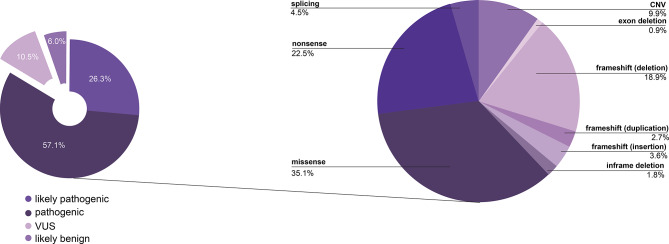 Figure 5
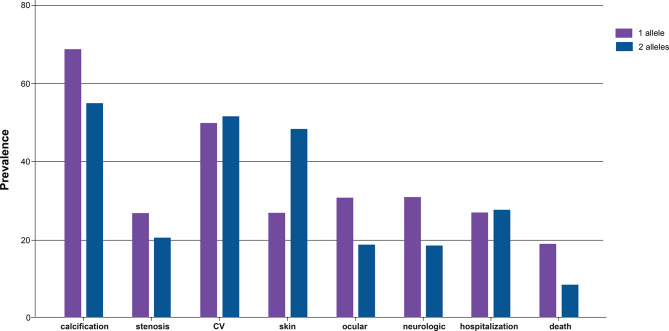 Figure 6
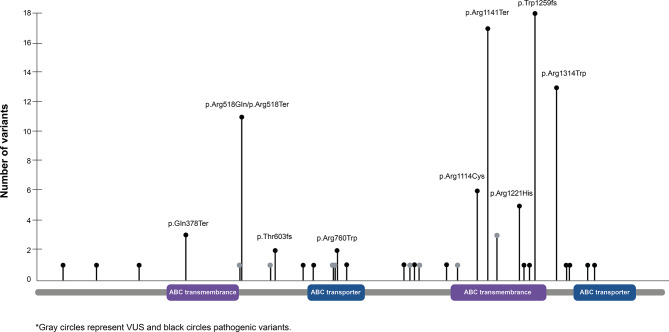 Figure 7
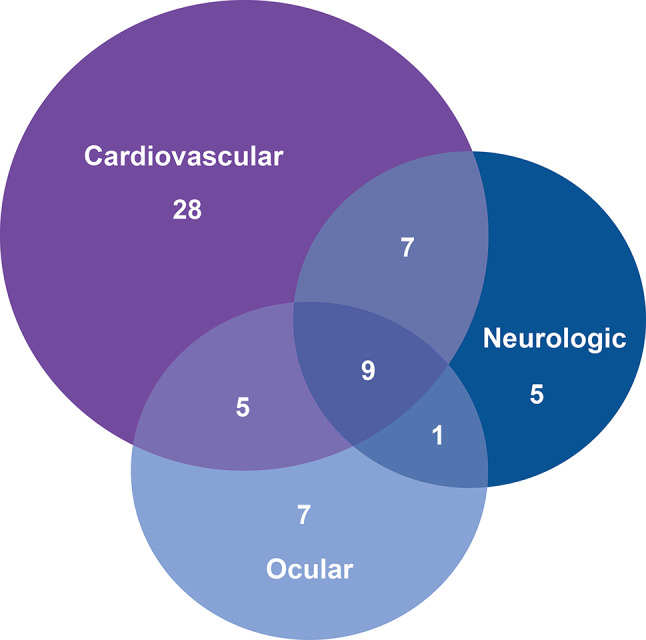 Figure 8
Peer Reviews
No public reviews on file for this paper yet. If you reviewed it on a platform where reviews are public (OpenReview, ICLR, NeurIPS, ICML), you can paste yours below so the community can read it here.
Videos
No videos yet. Explain this paper in a talk, walkthrough, or lecture? Add one.
Taxonomy
TopicsDermatological and Skeletal Disorders · Connective tissue disorders research · Parathyroid Disorders and Treatments