Complete chloroplast genome sequence of Pachystachys lutea Nees: genome structure, adaptive evolution, and phylogenetic relationships
Changmei Du, Yan Dong, Haishuo Gao, Tingting Fang, Jianhua Yue, Yan Zhang

TL;DR
This paper reports the complete chloroplast genome of Pachystachys lutea, revealing its structure, evolution, and phylogenetic relationships with other plants.
Contribution
The study is the first to report the complete chloroplast genome and phylogenetic analysis of the genus Pachystachys.
Findings
The chloroplast genome of P. lutea has a typical quadripartite structure with 132 annotated genes.
Genes like rps19, ycf1, and ndhF show high nucleotide polymorphism and may aid in molecular identification.
Phylogenetic analysis shows P. lutea forms a sister group with Clinacanthus nutans with 100% bootstrap support.
Abstract
Pachystachys lutea Nees is a typical species of the family Acanthaceae, native to tropical South America. As an evergreen shrub, it has found extensive application in landscape greening due to its unique ornamental value. However, there are currently no phylogenetic and genetic studies on the chloroplast (cp.) genome of P. lutea. This study characterized the cp. genome of P. lutea using high-throughput sequencing technology and analyzed its structural features and phylogenetic position using bioinformatics methods. The results indicated that the cp. genome had a high degree of conservation in gene structure and gene content, with a typical quadripartite structure. Its total length is 151,574 bp and the total GC content is 38.18%. A total of 132 genes were annotated, including 87 protein-coding genes (PCGs), 37 tRNAs and eight rRNA genes. Through the comparative analysis, the diversity…
Genes, proteins, chemicals, diseases, species, mutations and cell lines named across the full text — each resolved to its canonical identifier and authoritative record.
Click any figure to enlarge with its caption.
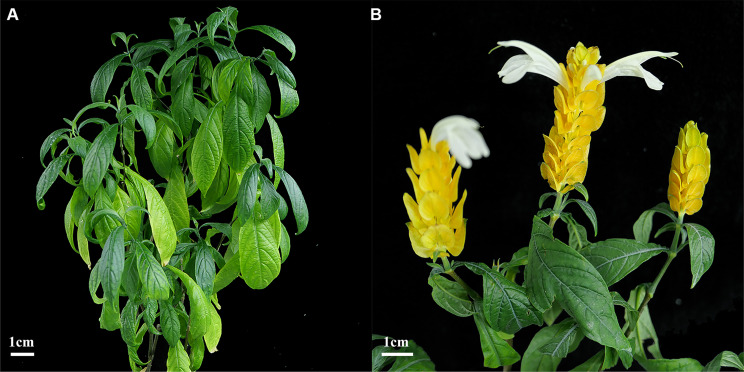 Figure 1
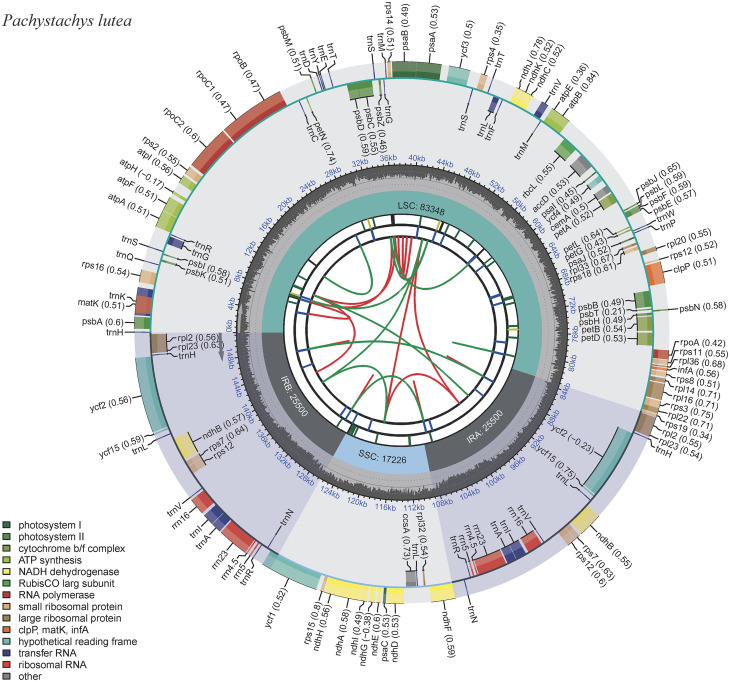 Figure 2
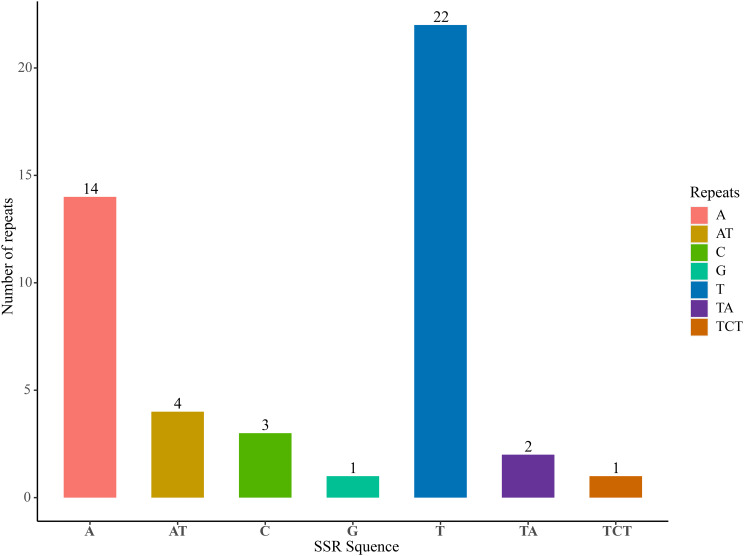 Figure 3
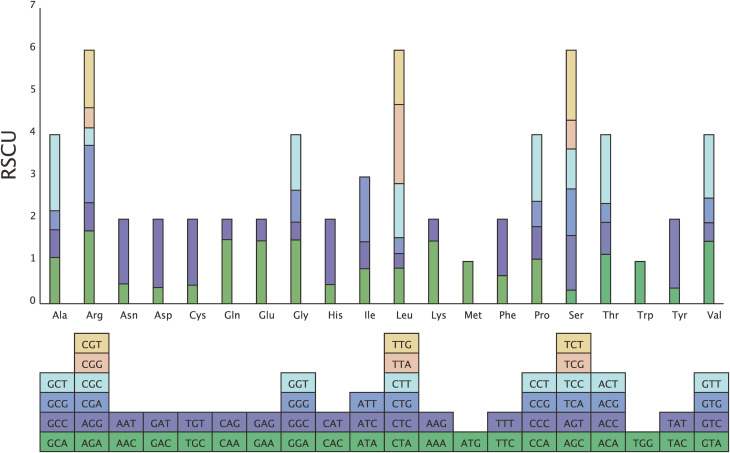 Figure 4
 Figure 5
 Figure 6
 Figure 7
 Figure 8
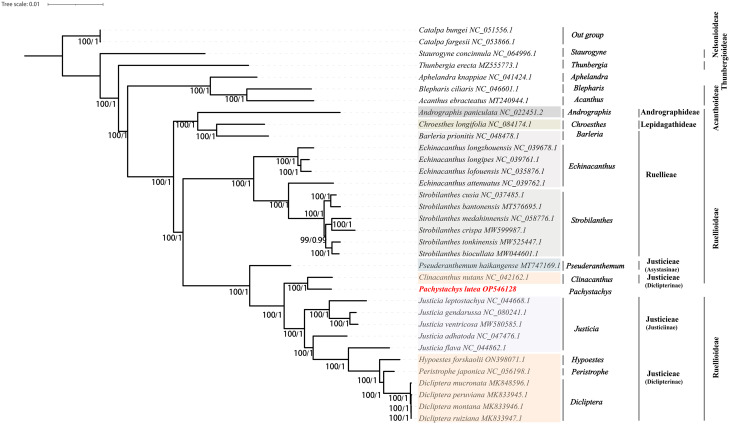 Figure 9
Peer Reviews
No public reviews on file for this paper yet. If you reviewed it on a platform where reviews are public (OpenReview, ICLR, NeurIPS, ICML), you can paste yours below so the community can read it here.
Videos
No videos yet. Explain this paper in a talk, walkthrough, or lecture? Add one.
Taxonomy
TopicsGenomics and Phylogenetic Studies · Plant Diversity and Evolution · Chromosomal and Genetic Variations