Antimicrobial-producing bacteria from fish epidermal mucus alter the fish epidermal bacterial flora and host resistance to infection
Hajime Nakatani, Naoto Suetake, Katsutoshi Hori

TL;DR
Bacteria from fish mucus that produce antimicrobials can protect fish from infections by altering skin microbiota and suppressing pathogens.
Contribution
The study identifies Pseudomonas mosselii KH-ZF1 and its antimicrobial compound Fluviol C as a novel mechanism for fish disease control.
Findings
Strain KH-ZF1 alters fish skin microbiota and improves survival against Yersinia ruckeri infection.
Fluviol C, produced by KH-ZF1, inhibits multiple fish pathogens but is toxic to zebrafish at low concentrations.
Sub-inhibitory levels of Fluviol C induce bacterial substitution in the epidermal microbiota.
Abstract
The emergence of antimicrobial-resistant bacteria in aquaculture has raised the need for alternative strategies to control fish infections. Antimicrobial-producing bacteria have been explored as probiotics or biocontrol agents, but their mechanisms of action and impact on host-associated microbiota remain poorly understood. Here, we identified Pseudomonas mosselii KH-ZF1, a bacterium isolated from fish epidermal mucus, as a producer of antimicrobial substances. When applied to zebrafish, strain KH-ZF1 transiently adhered to the epidermal mucus and altered the composition of the skin microbiota. Under an appropriate administration condition, strain KH-ZF1 treatment significantly improved survival in zebrafish infected with Yersinia ruckeri and suppressed pathogen growth on the skin surface. However, in the absence of strain KH-ZF1 or inappropriate conditions, Y. ruckeri dominated the…
Genes, proteins, chemicals, diseases, species, mutations and cell lines named across the full text — each resolved to its canonical identifier and authoritative record.
Click any figure to enlarge with its caption.
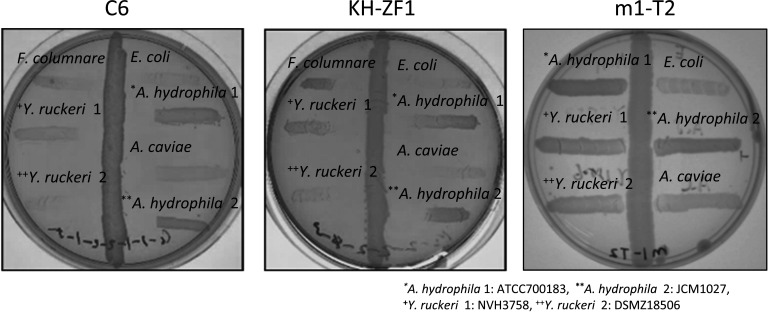 Figure 1
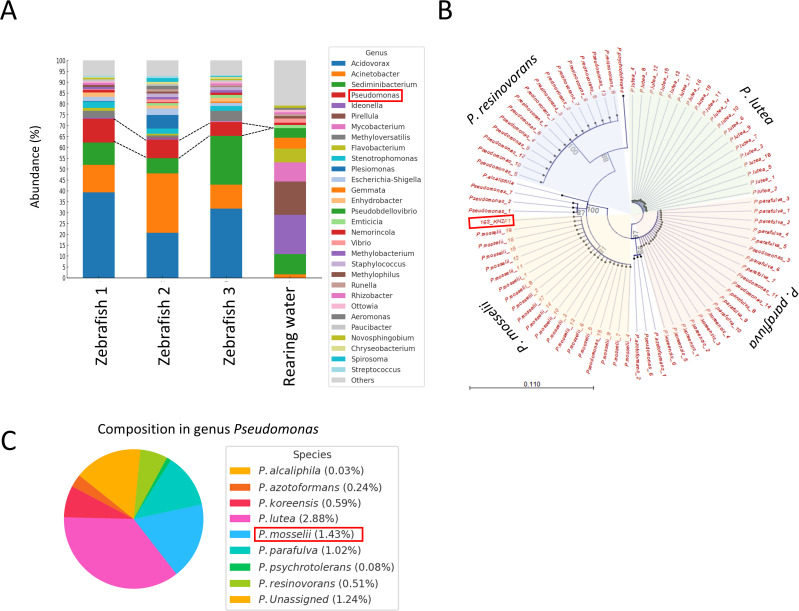 Figure 2
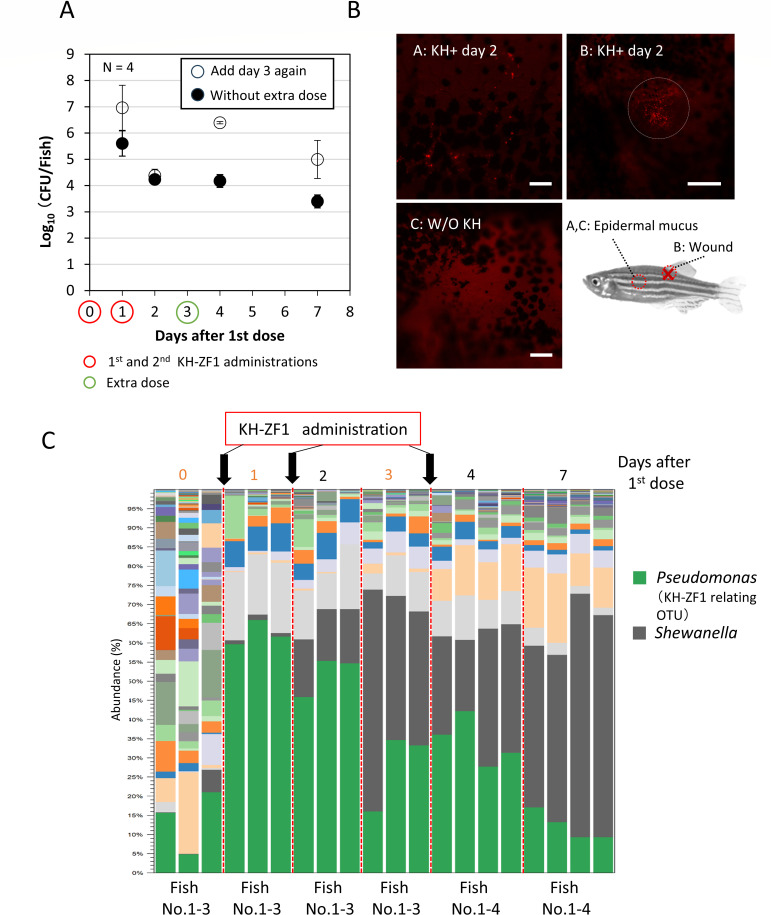 Figure 3
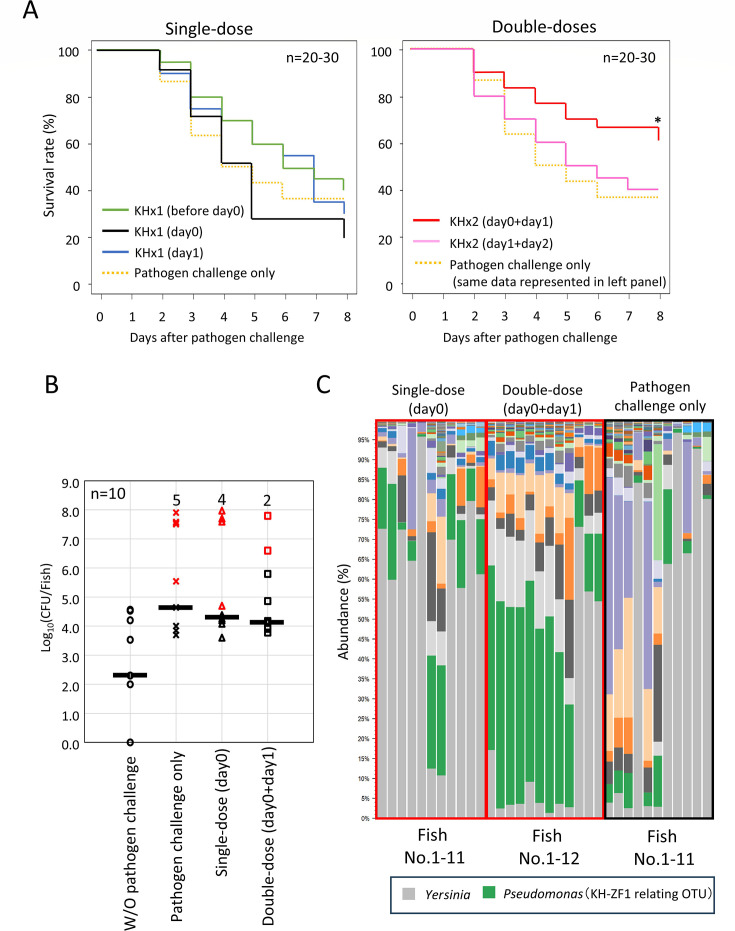 Figure 4
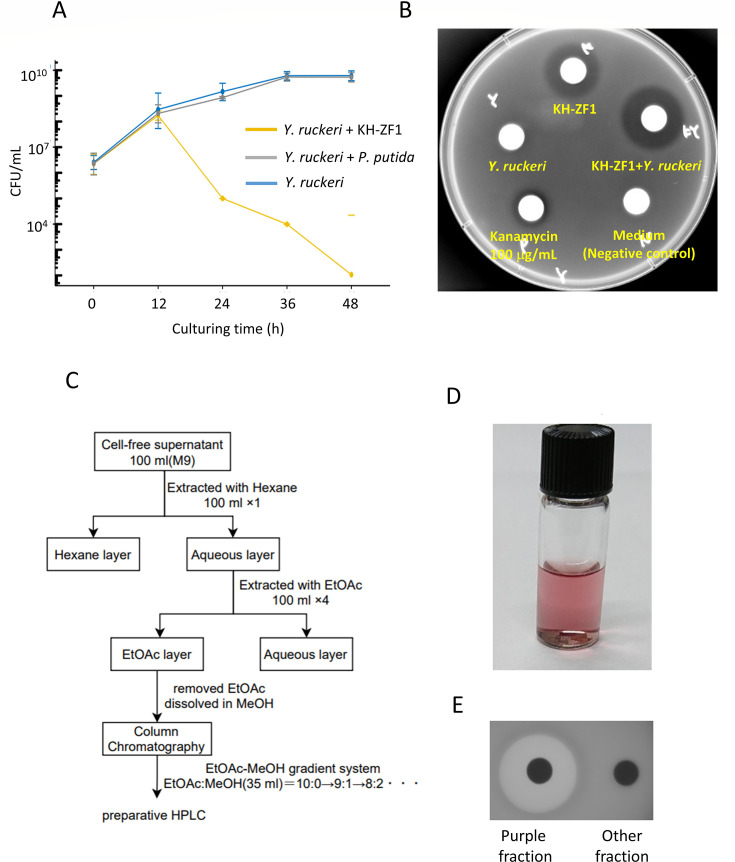 Figure 5
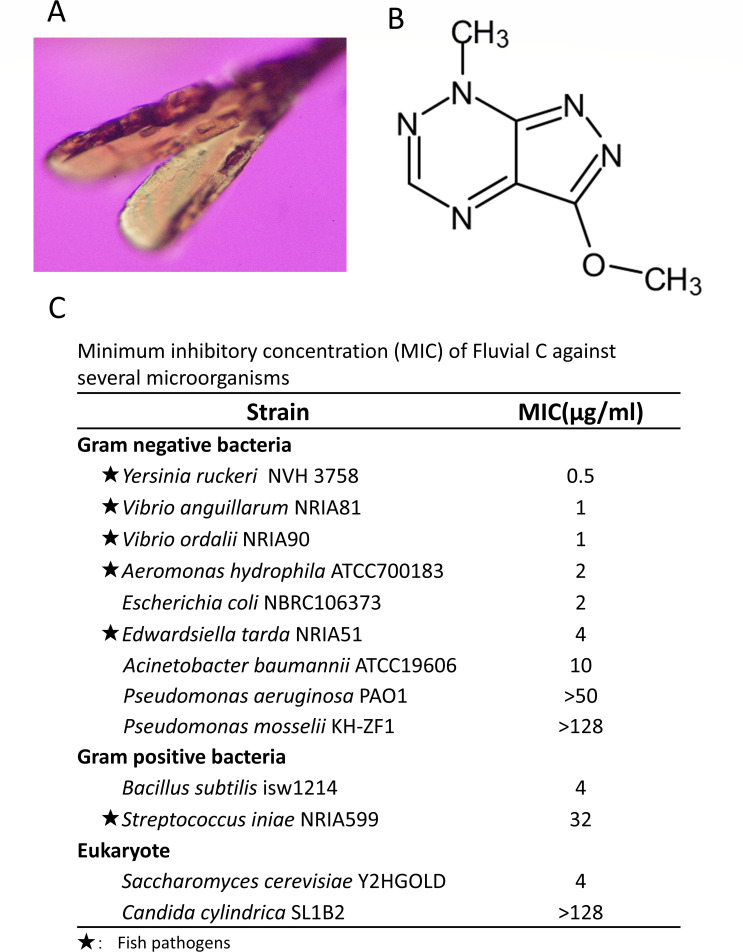 Figure 6
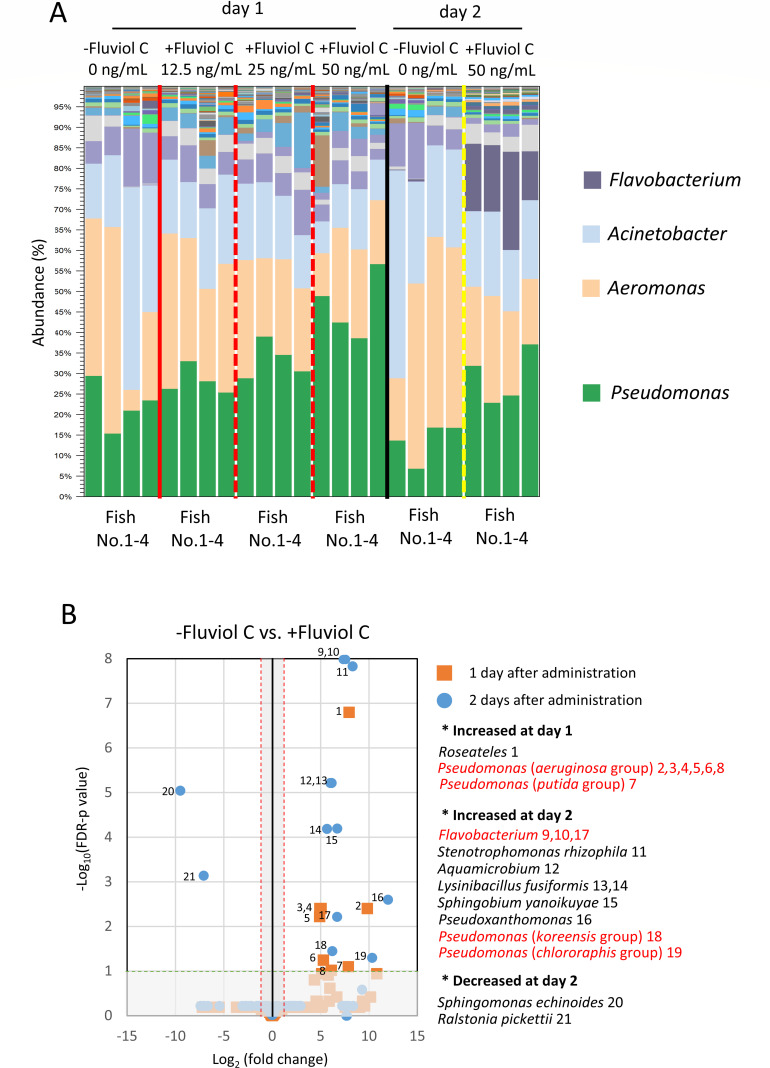 Figure 7
Peer Reviews
No public reviews on file for this paper yet. If you reviewed it on a platform where reviews are public (OpenReview, ICLR, NeurIPS, ICML), you can paste yours below so the community can read it here.
Videos
No videos yet. Explain this paper in a talk, walkthrough, or lecture? Add one.
Taxonomy
TopicsAquaculture disease management and microbiota · Microbial Natural Products and Biosynthesis · Bacterial biofilms and quorum sensing