Lactobacillus rhamnosus YQ001 binds with GII.4 human noroviruses and inhibits viral replication in zebrafish larvae
Yaqi Yang, Ran An, Xiangjun Zhan, Yunce Liu, Mengge Sun, Shang Chen, Chenang Lyu, Yutong Yang, Qinghua Zhang, Lin Yao, Dapeng Wang

TL;DR
A Lactobacillus rhamnosus strain inhibits norovirus replication in zebrafish larvae by binding to the virus and reducing immune responses.
Contribution
The study identifies a probiotic strain that synergistically inhibits norovirus through cell-free supernatant and membrane proteins.
Findings
L. rhamnosus YQ001's fermentation broth reduced viral RNA titers by 2.18 log10 copies in zebrafish larvae.
Membrane proteins from L. rhamnosus YQ001 bind to GII.4 noroviruses, inhibiting replication.
The probiotic's cell-free supernatant reduced immune gene upregulation in infected zebrafish.
Abstract
Human noroviruses (HuNoVs) are the primary cause of viral gastroenteritis globally. Nevertheless, available anti-HuNoV approaches remain limited. The current study revealed that a Lactobacillus rhamnosus strain, that is, L. rhamnosus YQ001, originated de Man, Rogosa and Sharpe (MRS)-based fermentation broth (FB) and cell-free supernatant (CFS) could significantly inhibit the replication of GII.4 HuNoVs in zebrafish larvae (Danio rerio), reducing viral RNA titers by approximately 2.18 log10 and 1.12 log10 copies, respectively. In addition, the inhibitory effect of FB was significantly stronger than that of CFS (P < 0.05), while L. rhamnosus YQ001 alone demonstrated no inhibitory effect. Zebrafish larvae injected with FB-treated GII.4 HuNoVs demonstrated reduced immune responses (i.e., significantly decreased upregulation of innate immune genes, ifn and mx, P < 0.05), compared to those of…
Genes, proteins, chemicals, diseases, species, mutations and cell lines named across the full text — each resolved to its canonical identifier and authoritative record.
Click any figure to enlarge with its caption.
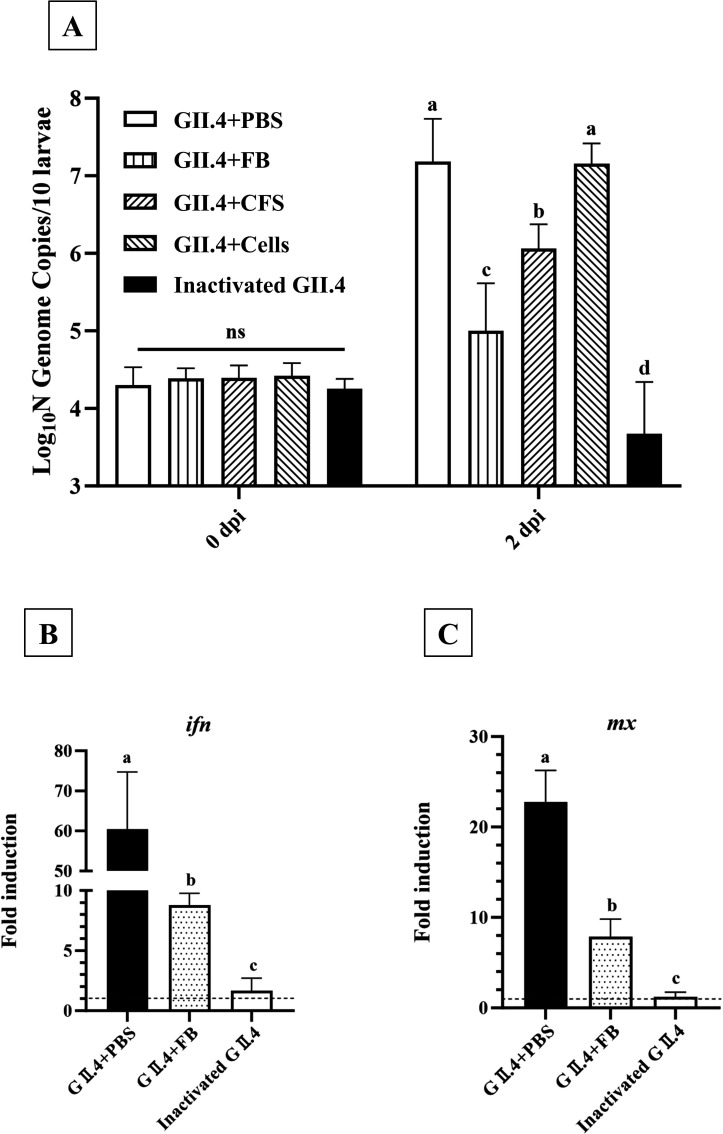 Figure 1
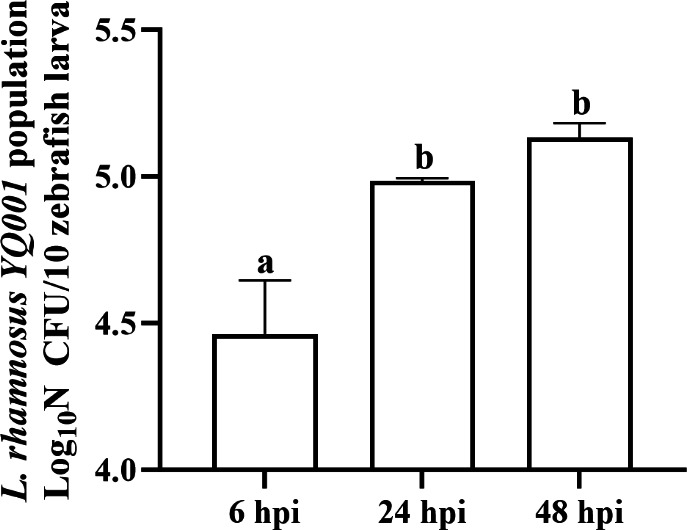 Figure 2
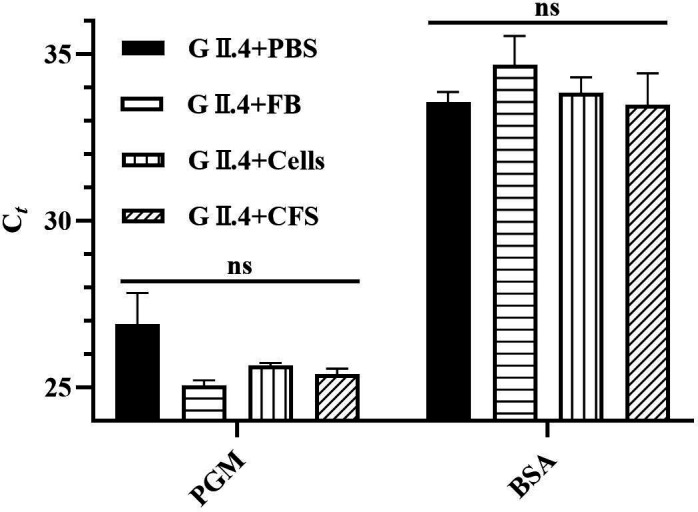 Figure 3
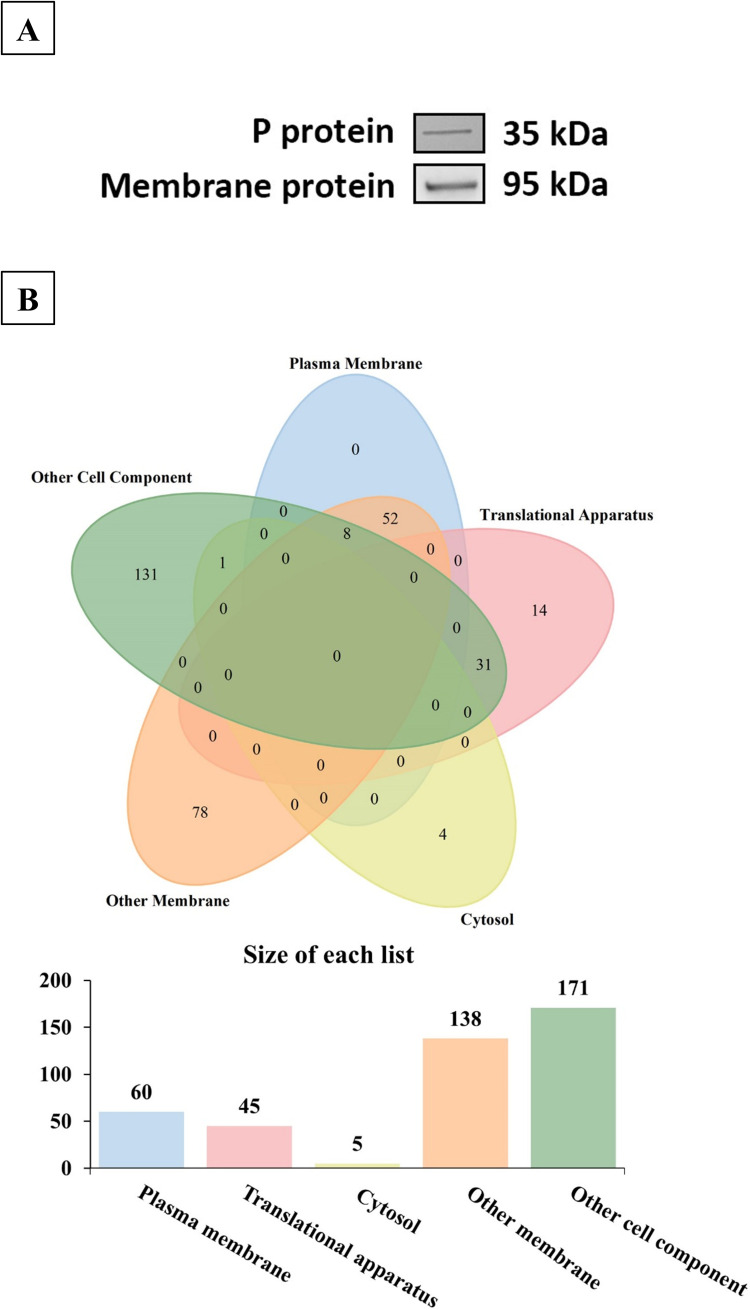 Figure 4
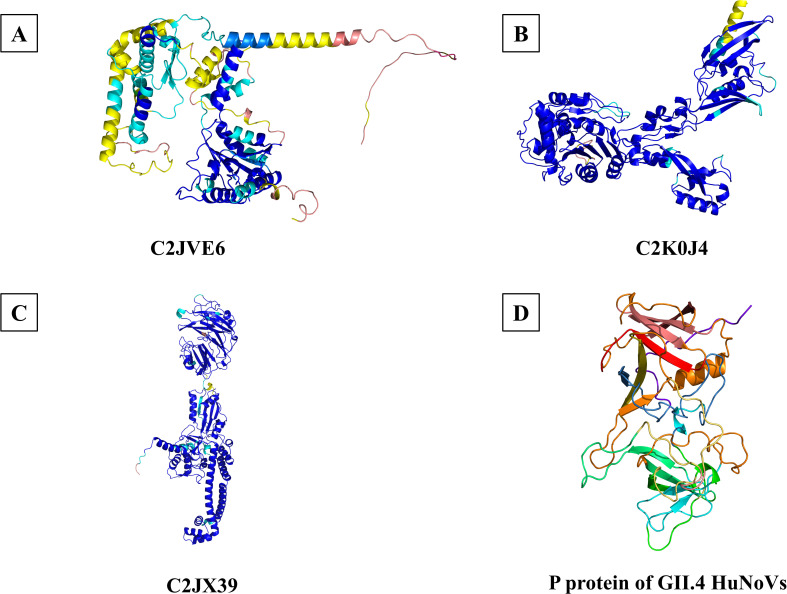 Figure 5
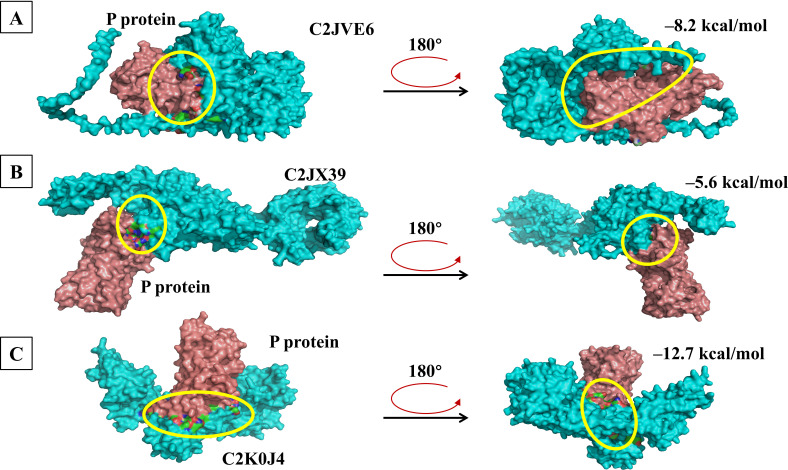 Figure 6
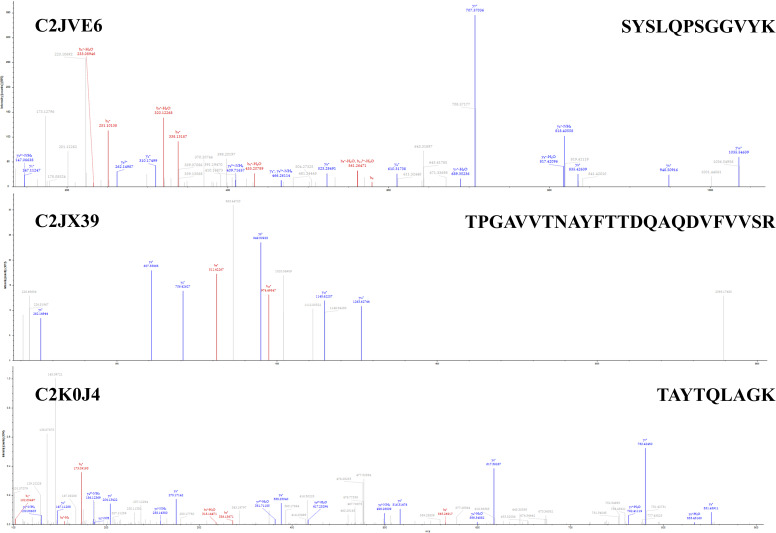 Figure 7
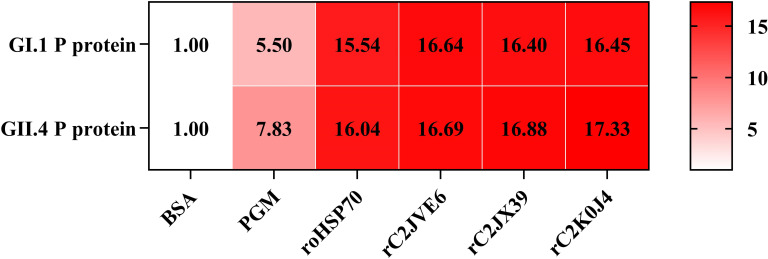 Figure 8
Peer Reviews
No public reviews on file for this paper yet. If you reviewed it on a platform where reviews are public (OpenReview, ICLR, NeurIPS, ICML), you can paste yours below so the community can read it here.
Videos
No videos yet. Explain this paper in a talk, walkthrough, or lecture? Add one.
Taxonomy
TopicsViral gastroenteritis research and epidemiology · Animal Virus Infections Studies · Virus-based gene therapy research