Long-term culturing of Pseudomonas aeruginosa in static, minimal nutrient medium results in increased pyocyanin production, reduced biofilm production, and loss of motility
Rhiannon E. Cecil, Elana Ornelas, Anh Phan, Nahui Olin Medina-Chavez, Michael Travisano, Deborah R. Yoder-Himes

TL;DR
This study shows how Pseudomonas aeruginosa adapts to low-nutrient environments, leading to changes in traits like pyocyanin production and motility.
Contribution
The study reveals novel phenotypic and genotypic adaptations of P. aeruginosa under long-term low-nutrient conditions.
Findings
Adaptation to low-nutrient environments increased pyocyanin production and decreased biofilm formation and motility.
Some evolved isolates showed increased virulence/competitiveness against phagocytic predators.
Adaptation led to reduced cell size and decreased generation time in some strains.
Abstract
Pseudomonas aeruginosa is a multidrug-resistant opportunistic human pathogen that can survive in many natural and anthropogenic environments. It is a leading cause of morbidity in individuals with cystic fibrosis and is one of the most prevalent pathogens associated with nosocomial infections in the United States. It has been shown that this organism can survive and persist in low-nutrient environments, such as sink drains. How adaptation to these types of environments influences the phenotypic traits of this organism has not been well studied. Here, we implemented an experimental evolution system in which six strains of P. aeruginosa were subjected to low-nutrient conditions over the course of 12 weeks and assessed phenotypic and genotypic changes that occurred as a result of adaptation to such environments. We observed that adaptation to low-nutrient environments resulted in decreased…
Genes, proteins, chemicals, diseases, species, mutations and cell lines named across the full text — each resolved to its canonical identifier and authoritative record.
Click any figure to enlarge with its caption.
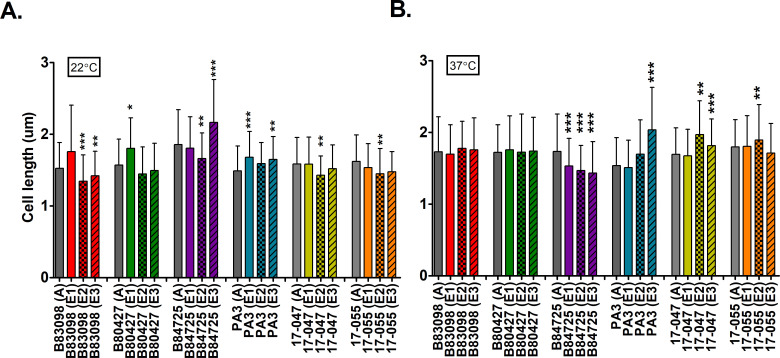 Figure 1
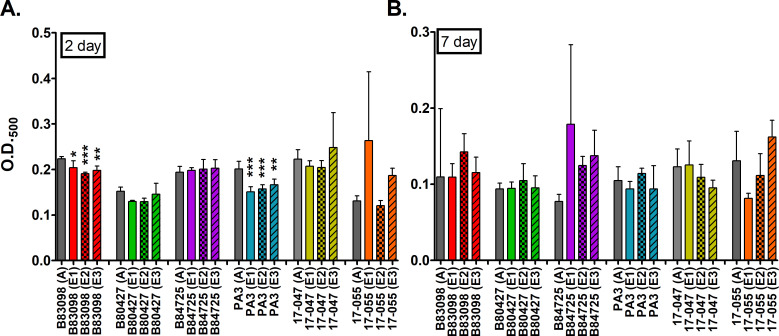 Figure 2
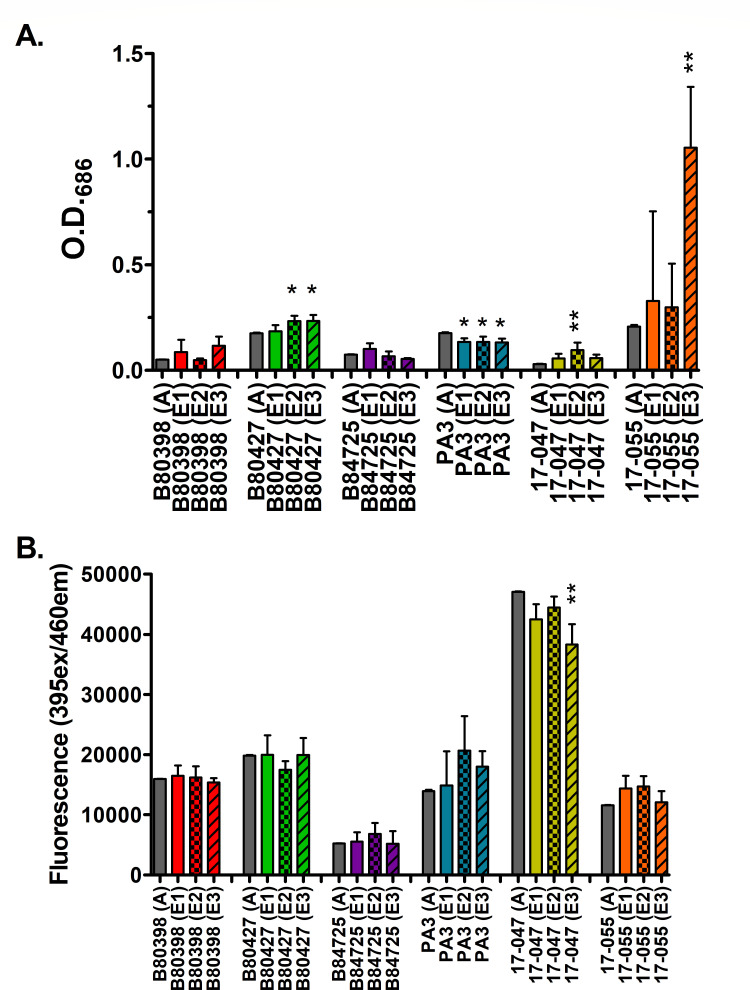 Figure 3
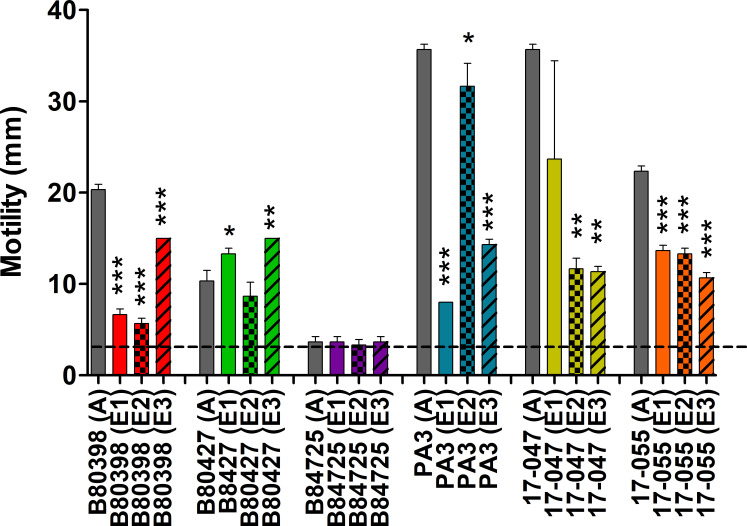 Figure 4
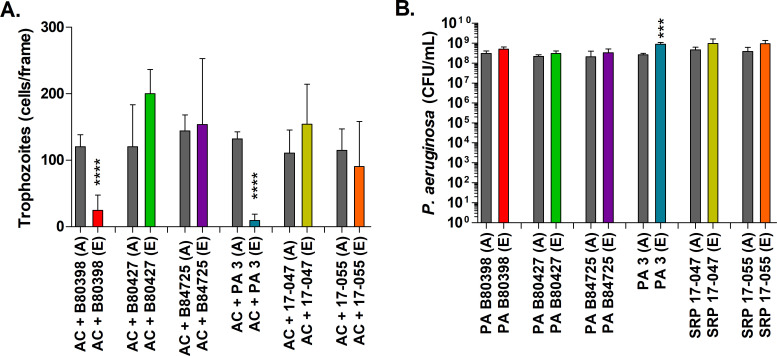 Figure 5
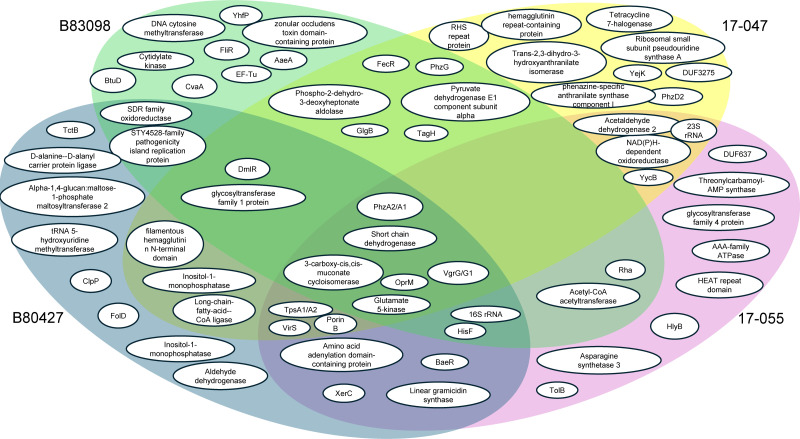 Figure 6
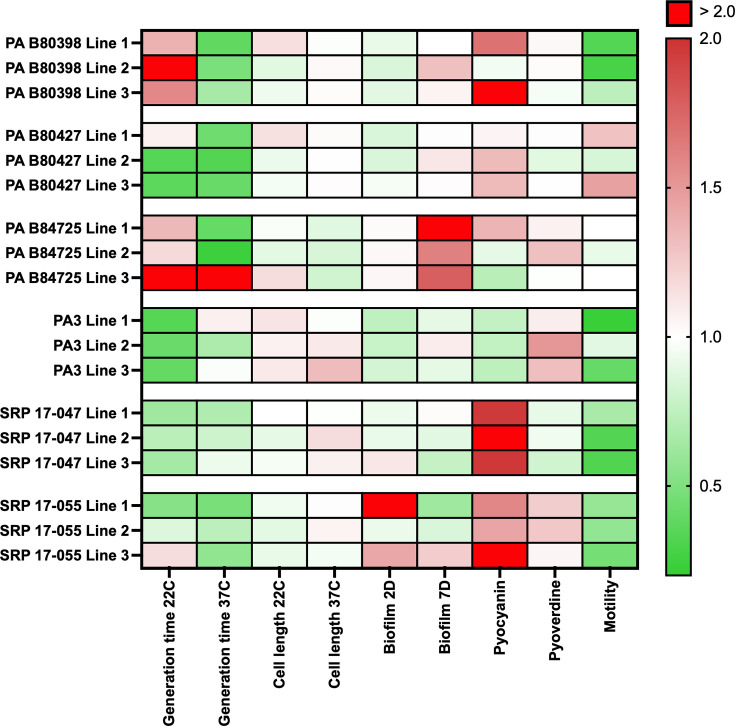 Figure 7
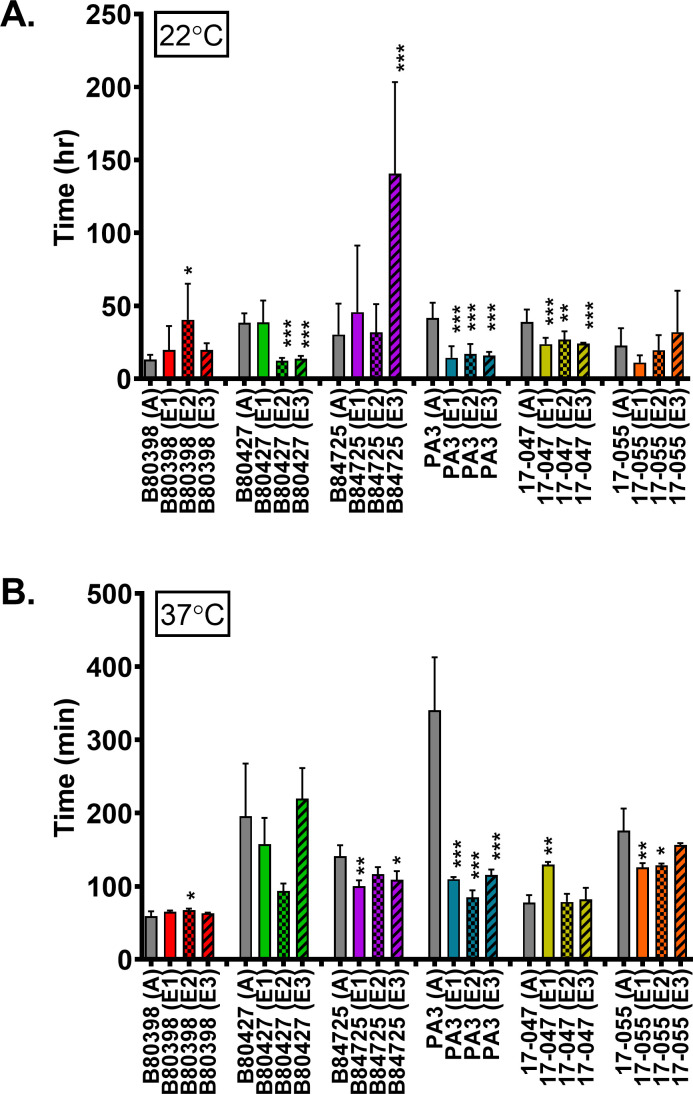 Figure 8
Peer Reviews
No public reviews on file for this paper yet. If you reviewed it on a platform where reviews are public (OpenReview, ICLR, NeurIPS, ICML), you can paste yours below so the community can read it here.
Videos
No videos yet. Explain this paper in a talk, walkthrough, or lecture? Add one.
Taxonomy
TopicsBacterial biofilms and quorum sensing · Antibiotic Resistance in Bacteria · Vibrio bacteria research studies