Genomic adaptation of an autochthonous cider yeast strain to buckwheat and barley wort under stressful brewing conditions
Martina Podgoršek, Katja Doberšek, Maja Paš, Miha Tome, Miha Ocvirk, Uroš Petrovič, Iztok Jože Košir, Neža Čadež

TL;DR
This study shows how a cider yeast can be adapted to brew specialty beers from buckwheat and barley wort using lab evolution, improving fermentation efficiency and mimicking domesticated beer yeast traits.
Contribution
The study introduces a lab-evolution method to adapt non-traditional yeasts for brewing under industrial stress, enabling efficient fermentation of alternative worts.
Findings
Evolved yeast strains efficiently converted buckwheat wort maltose and barley wort maltotriose under industrial stress.
Genomic changes included loss of heterozygosity, mutations, and chromosomal aberrations in adapted clones.
Buckwheat-adapted clones were respiratory-deficient, while barley-adapted clones retained a truncated mitochondrial genome.
Abstract
Growing consumer demand for specialty beers with unique flavors and enhanced nutritional properties is driving the development of novel, high-performance industrial yeasts. However, the genetic diversity of beer yeast strains is limited. Traditional spontaneous fermentations are a rich source of new strains that are well adapted to fermentative environments but lack the ability to efficiently convert maltose-based substrates that are rich in polyphenols (e.g., buckwheat wort) or maltotriose-rich substrates (e.g., barley wort). To simulate the selection pressure exerted on beer yeasts during domestication, we used adaptive laboratory evolution to yield cider yeast Saccharomyces cerevisiae that can efficiently convert buckwheat and barley wort into beer. To this end, 30 serial transfers of yeast biomass were conducted in high-pressure fermenters simulating industrial-scale stress…
Genes, proteins, chemicals, diseases, species, mutations and cell lines named across the full text — each resolved to its canonical identifier and authoritative record.
Click any figure to enlarge with its caption.
 Figure 1
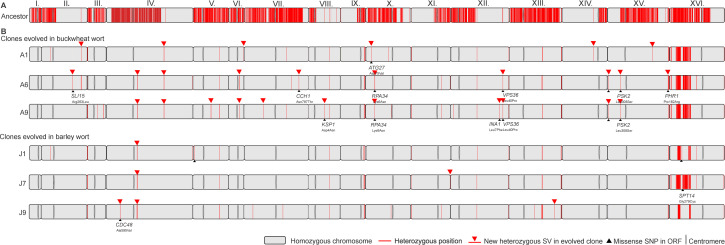 Figure 2
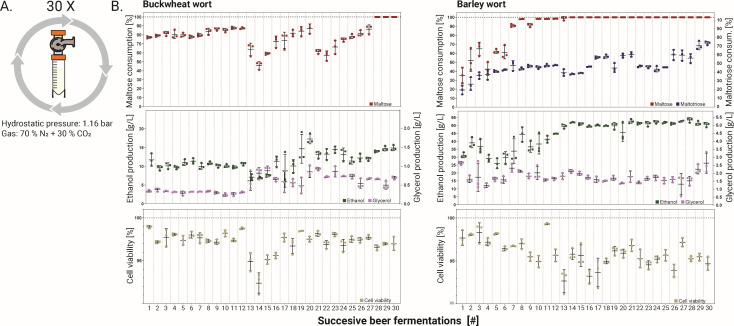 Figure 3
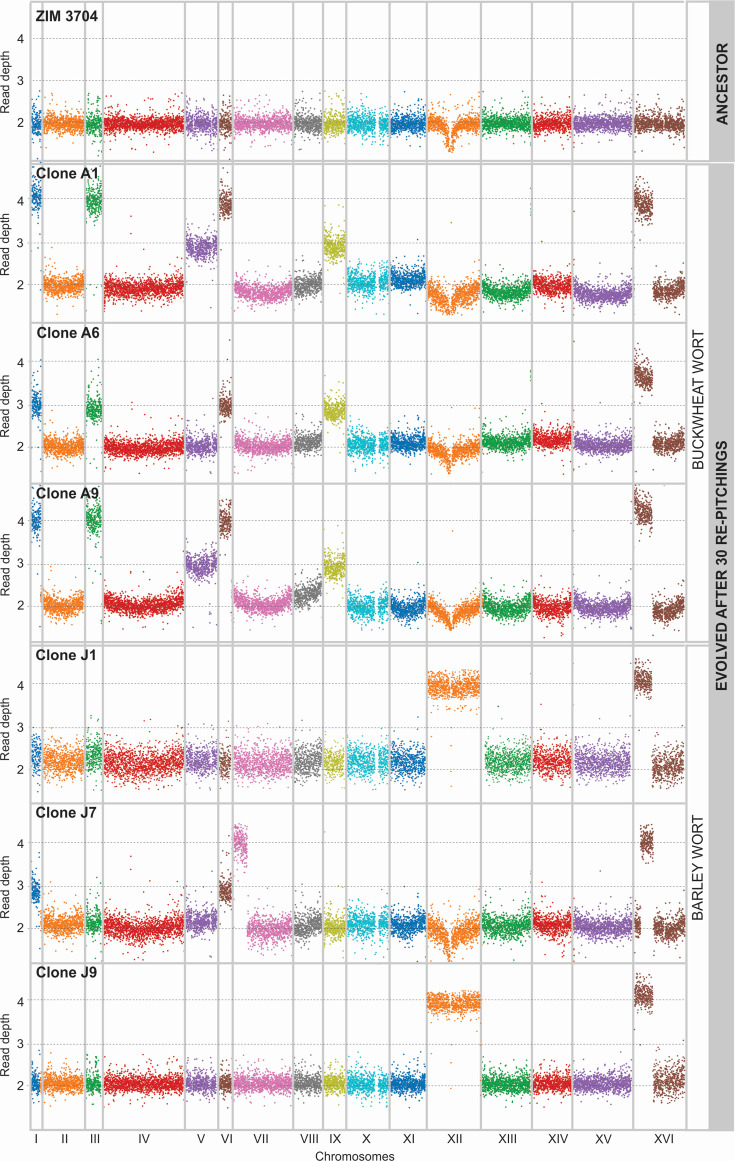 Figure 4
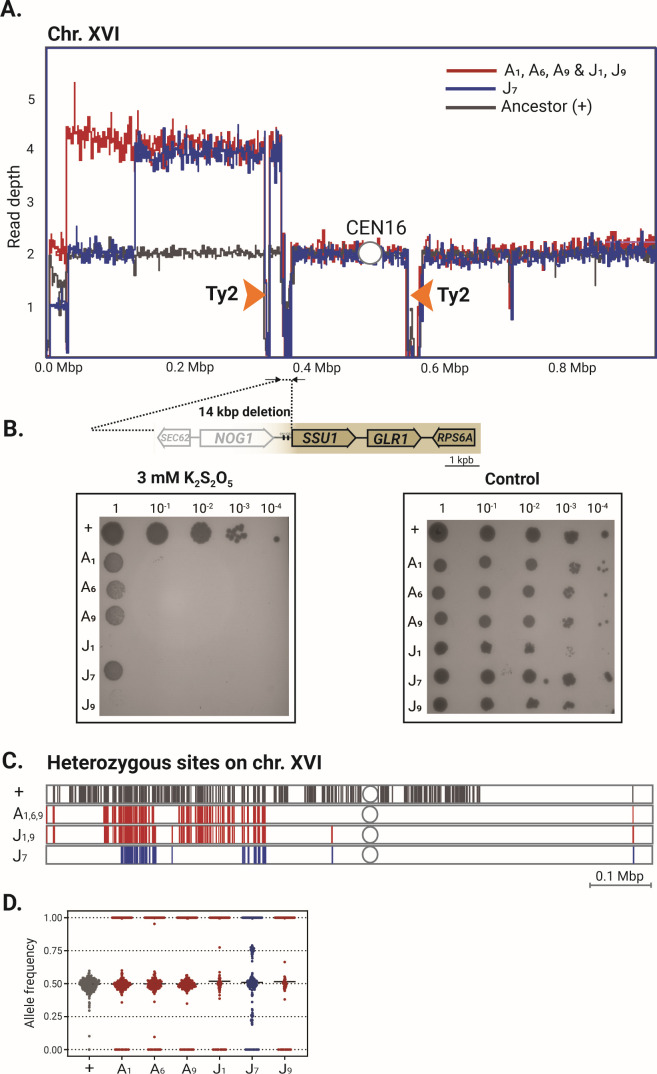 Figure 5
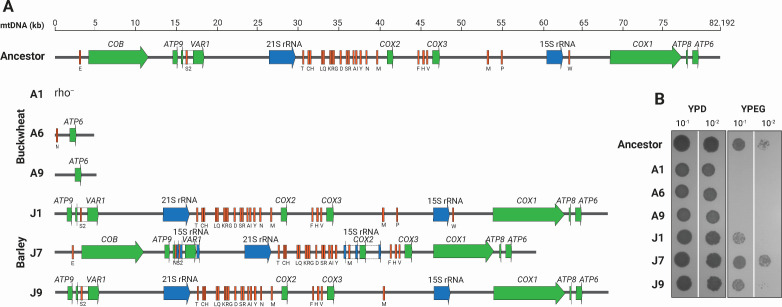 Figure 6
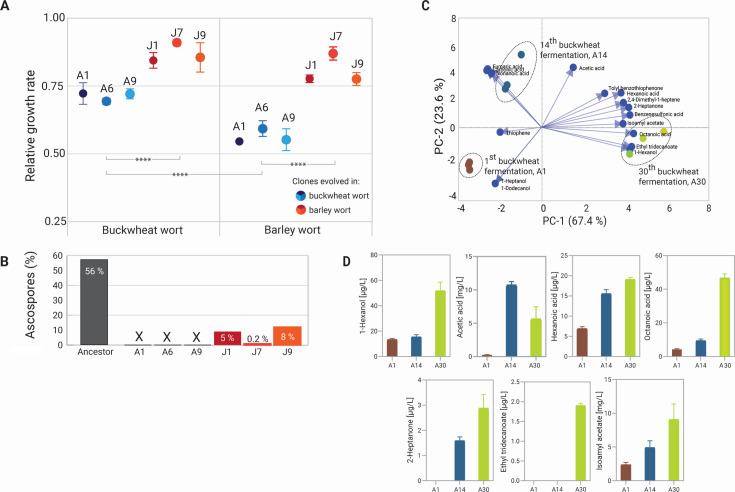 Figure 7
Peer Reviews
No public reviews on file for this paper yet. If you reviewed it on a platform where reviews are public (OpenReview, ICLR, NeurIPS, ICML), you can paste yours below so the community can read it here.
Videos
No videos yet. Explain this paper in a talk, walkthrough, or lecture? Add one.
Taxonomy
TopicsSeed and Plant Biochemistry · Fungal and yeast genetics research · Yeasts and Rust Fungi Studies