Spermatocyte injection into meiotic oocytes rescues diplotene, but not pachytene, arrest in azoospermic mutant mice
Narumi Ogonuki, Toshiaki Hino, Yasuhiro Fujiwara, Yuki Osawa, Seiya Mizuno, Fumihiro Sugiyama, Tetsuo Kunieda, Junko Otsuki, Seiya Oura, Tamio Furuse, Yuki Okada, Masaru Tamura, Elena de la Casa-Esperon, Masahito Ikawa, Kimiko Inoue, Atsuo Ogura

TL;DR
Injecting spermatocytes into immature oocytes can rescue meiosis in some azoospermic mice, but only if the arrest occurs at the diplotene stage.
Contribution
The study demonstrates that spermatocyte injection into meiotic oocytes can rescue diplotene-arrested spermatocytes but not pachytene-arrested ones in azoospermic mice.
Findings
Spermatocytes arrested at the diplotene stage can resume meiosis and support full-term development when injected into immature oocytes.
Pachytene-arrested spermatocytes failed to rescue embryo development, likely due to chromosomal abnormalities.
Class 1 and some Class 2 spermatocyte arrest mutants produced viable offspring, while Class 3 mutants did not.
Abstract
At which arrest stage can spermatocytes be rescued by injection into meiotic oocytes? In mice, spermatocytes arrested at the diplotene stage, but not at the pachytene stage, can resume meiosis within immature oocytes and support full-term embryonic development. In mice, at least some of the spermatocyte arrest mutations can be overcome by injecting spermatocytes into immature oocytes. The study was carried out from October 2019 to April 2025. Adult azoospermic mice (at 4–26 weeks of age) from nine strains carrying spermatocyte arrest mutations were used as spermatocyte donors. Adult B6D2F1 females at 9–12 weeks of age were used as oocyte donors for spermatocyte injection. Adult ICR strain pseudopregnant females at 9–12 weeks of age were used as recipients for embryo transfer experiments. The most advanced stage of spermatocytes from each mutant strain was assessed by chromosome…
Genes, proteins, chemicals, diseases, species, mutations and cell lines named across the full text — each resolved to its canonical identifier and authoritative record.
Click any figure to enlarge with its caption.
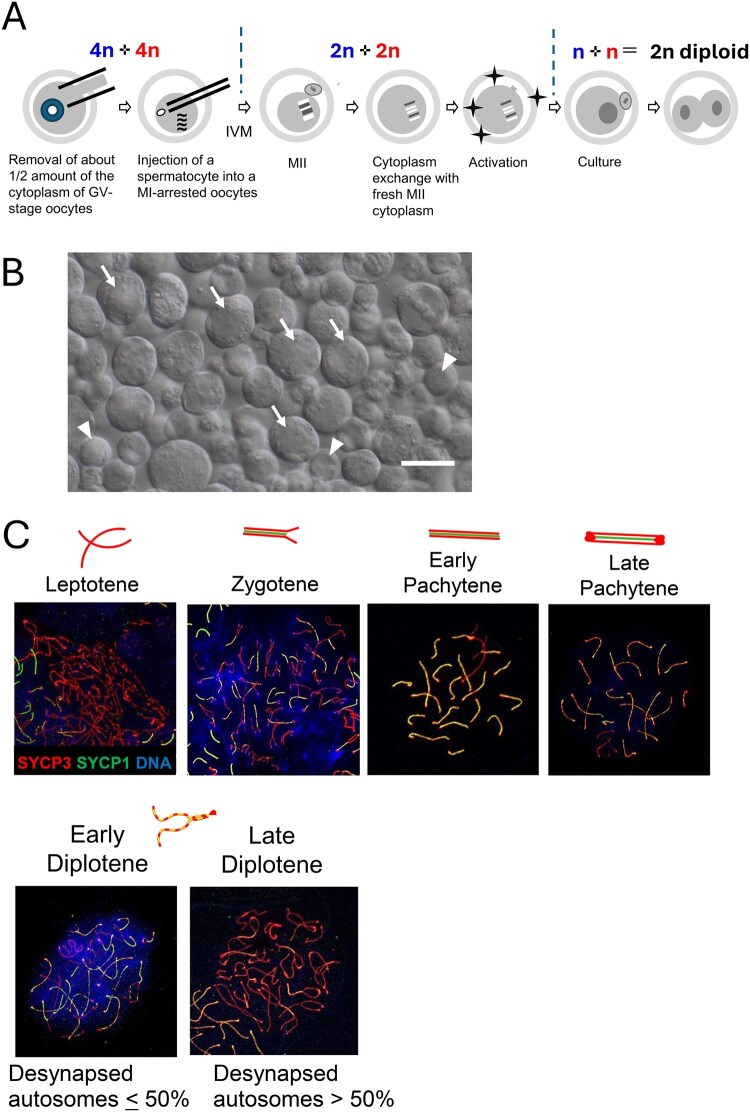 Figure 1
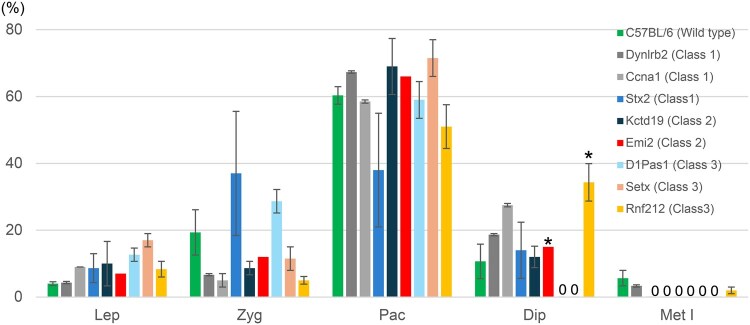 Figure 2
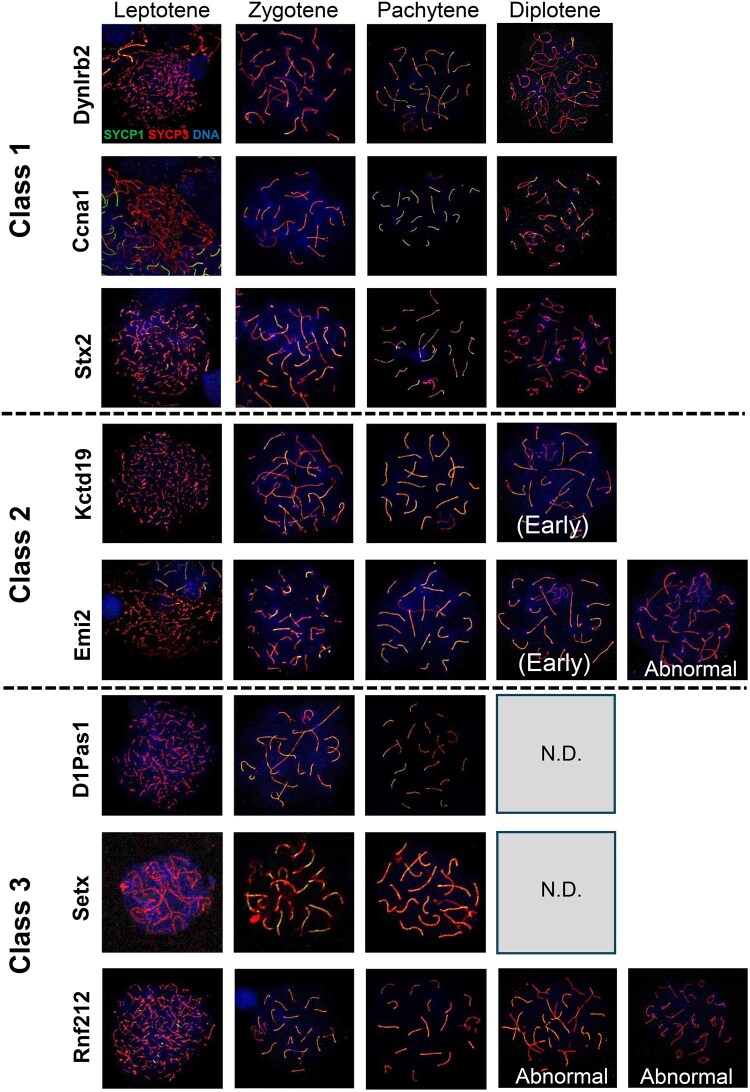 Figure 3
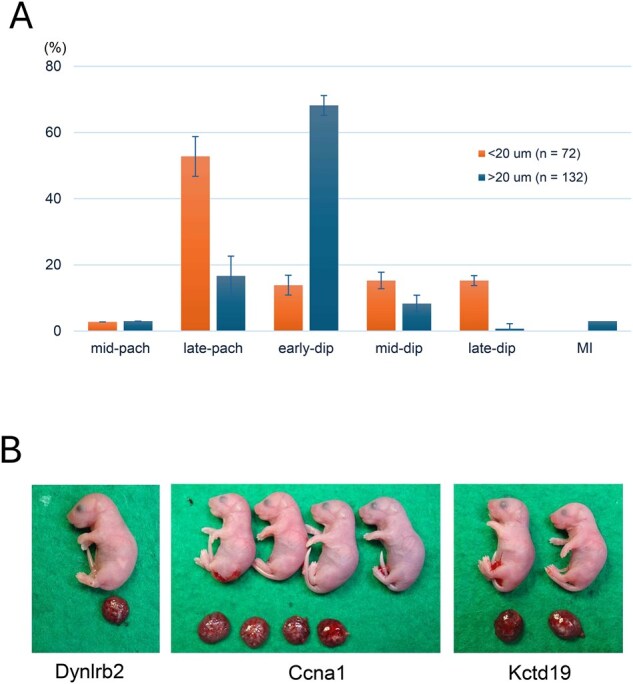 Figure 4
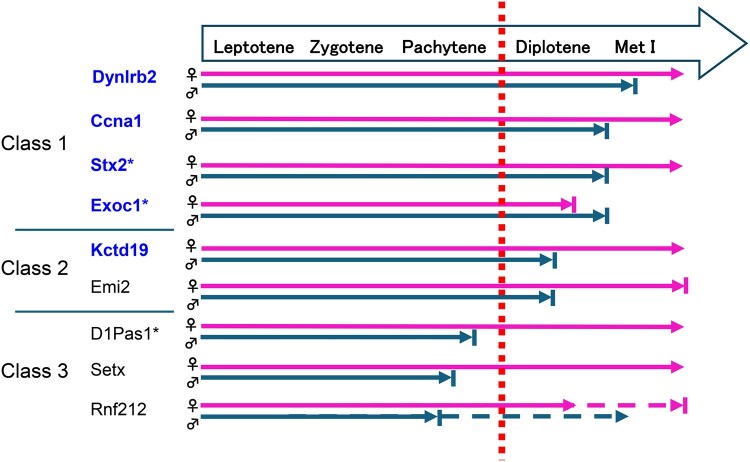 Figure 5
Peer Reviews
No public reviews on file for this paper yet. If you reviewed it on a platform where reviews are public (OpenReview, ICLR, NeurIPS, ICML), you can paste yours below so the community can read it here.
Videos
No videos yet. Explain this paper in a talk, walkthrough, or lecture? Add one.
Taxonomy
TopicsReproductive Biology and Fertility · DNA Repair Mechanisms · Pluripotent Stem Cells Research