Molecular insights into the dynamic relationship between respiration rate and sulfur isotope effect
Dong Kyun Woo, Bokyung Kim, Yuichiro Ueno, Shawn Erin McGlynn, Min Sub Sim

TL;DR
This study explores how microbial respiration rates and sulfur isotope effects are dynamically linked, revealing exceptions and their biochemical basis.
Contribution
The paper provides a molecular and biochemical explanation for the dynamic relationship between respiration rates and sulfur isotope fractionation in sulfate-reducing bacteria.
Findings
N2 fixation with malate increases metabolic sulfur flux and reversibility of sulfate reduction.
N2 fixation with fructose increases respiration rate but reduces isotope fractionation.
Elevated intracellular NADH may explain contrasting responses to N2 fixation.
Abstract
Microbial sulfate reduction and its resulting sulfur isotope effects are crucial for understanding the past and present sulfur cycle. Microbial S-isotope effects have often been explained by their inverse correlation with the cell-specific sulfur reduction rate (csSRR), but exceptions exist. A notable example is when N2-fixing sulfate reducers fractionate sulfur isotopes more than those cultivated under fixed nitrogen, despite having a faster csSRR. To further understand the biochemical basis of the csSRR and S-isotope fractionation relationship, we monitored gene expression, ATP/AMP ratio, and triple S-isotope fractionation of a sulfate-reducing bacterium, DMSS-1 (Desulfovibrio sp.), under ammonium-repleted or depleted conditions with various electron donors. N2 fixation with malate occurred with an elevated metabolic sulfur flux as indicated by enhanced sulfate reduction gene…
Genes, proteins, chemicals, diseases, species, mutations and cell lines named across the full text — each resolved to its canonical identifier and authoritative record.
Click any figure to enlarge with its caption.
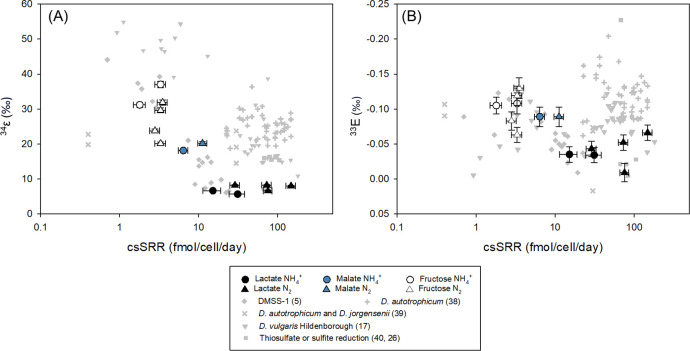 Figure 1
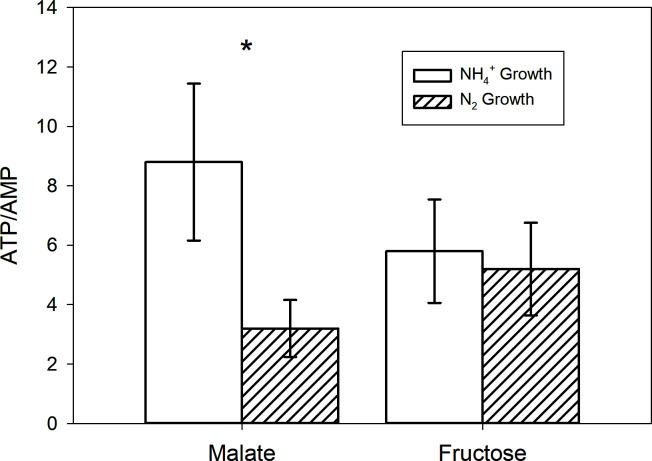 Figure 2
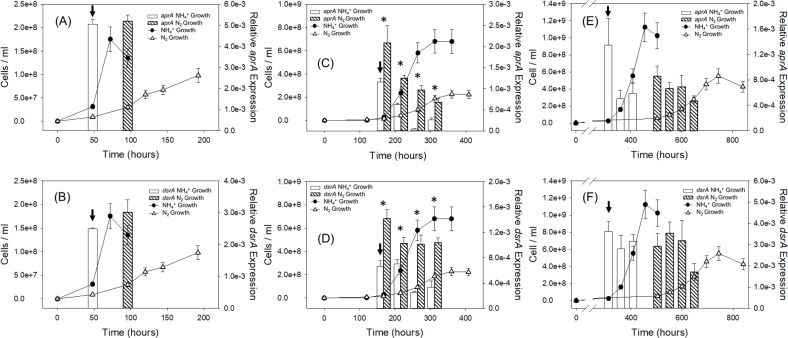 Figure 3
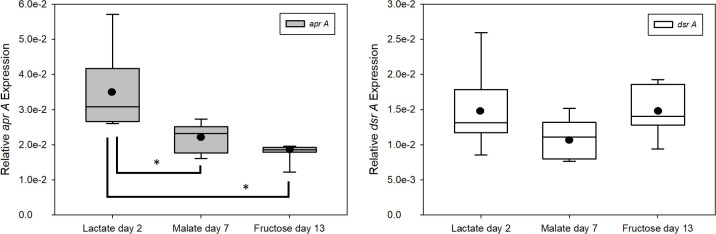 Figure 4
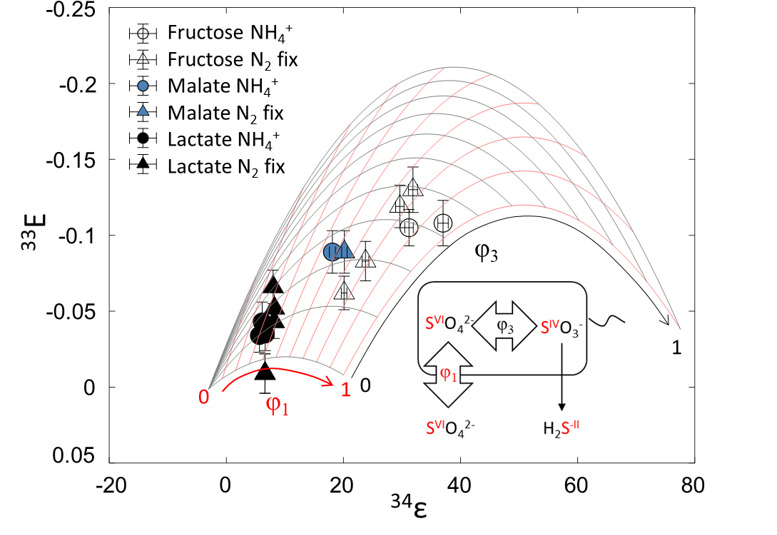 Figure 5
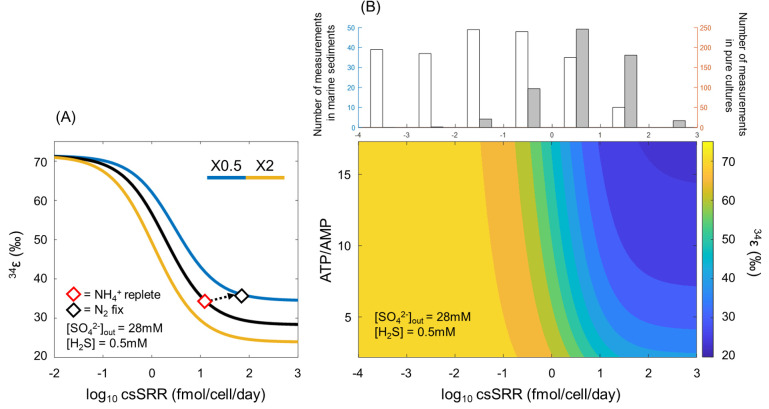 Figure 6
 Figure 7
 Figure 8
 Figure 9
 Figure 10
 Figure 11
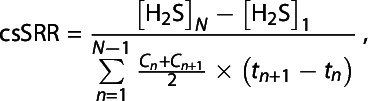 Figure 12
 Figure 13
 Figure 14
 Figure 15
 Figure 16
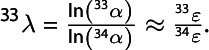 Figure 17
Peer Reviews
No public reviews on file for this paper yet. If you reviewed it on a platform where reviews are public (OpenReview, ICLR, NeurIPS, ICML), you can paste yours below so the community can read it here.
Videos
No videos yet. Explain this paper in a talk, walkthrough, or lecture? Add one.
Taxonomy
TopicsGroundwater and Isotope Geochemistry · Nitrogen and Sulfur Effects on Brassica · Wastewater Treatment and Nitrogen Removal