Bacterial community analysis of treponeme-associated hoof disease in free-ranging elk (Cervus canadensis): evidence for a polybacterial etiology with geographic consistency
Elizabeth W. Goldsmith, Kyle R. Taylor, Margaret A. Wild, Sushanta Deb, Tarah Sullivan, Eric Lofgren, Kyle R. Garrison, Gregory M. Schroeder, Carrington Hilson, Nicole L. Walrath, Julia D. Burco, Emma Lantz, Steven N. Winter, Devendra H. Shah

TL;DR
This study identifies multiple bacteria, including Treponema and Mycoplasma, associated with a hoof disease in elk, suggesting a complex cause that is consistent across regions.
Contribution
The study introduces a histologic categorization system and reveals a previously underappreciated role of Mycoplasma in treponeme-associated hoof disease.
Findings
Treponema and Mycoplasma are strongly enriched in TAHD-positive lesions and correlate positively.
TAHD-associated bacterial communities show minimal geographic variation between endemic and sporadic regions.
Novel OTUs like Corynebacterium freneyi-xerosis are identified as potential contributors to TAHD.
Abstract
Treponeme-associated hoof disease (TAHD) is an emerging infectious disease in free-ranging elk (Cervus canadensis) characterized by ulcerative and necrosuppurative pododermatitis with spirochete bacteria that leads to lameness and apparent increased mortality. While TAHD is hypothesized to have a polybacterial etiology, the causative agents remain poorly characterized, particularly across its geographic range. In this study, we developed a histologic categorization system for hoof lesions and employed 16S rRNA gene amplicon sequencing to characterize bacterial communities in samples from 129 free-ranging elk across regions with endemic or sporadic TAHD and where TAHD remains undetected. Differential abundance analysis revealed strong associations between TAHD-positive lesions and the bacterial genera Treponema, unidentified Spirochaetaceae, Mycoplasma, and Fusobacterium, along with…
Genes, proteins, chemicals, diseases, species, mutations and cell lines named across the full text — each resolved to its canonical identifier and authoritative record.
Click any figure to enlarge with its caption.
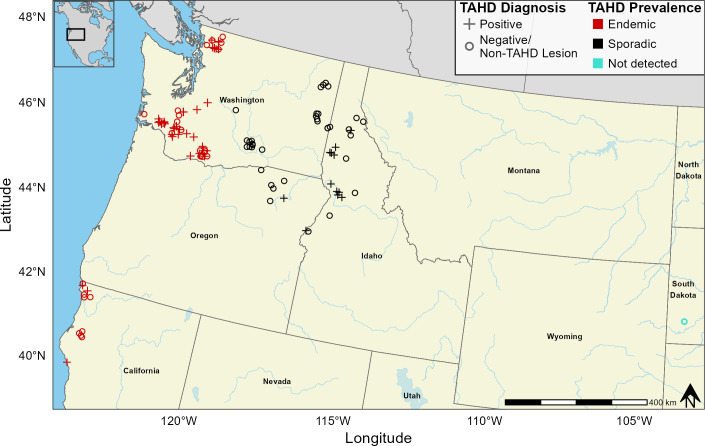 Figure 1
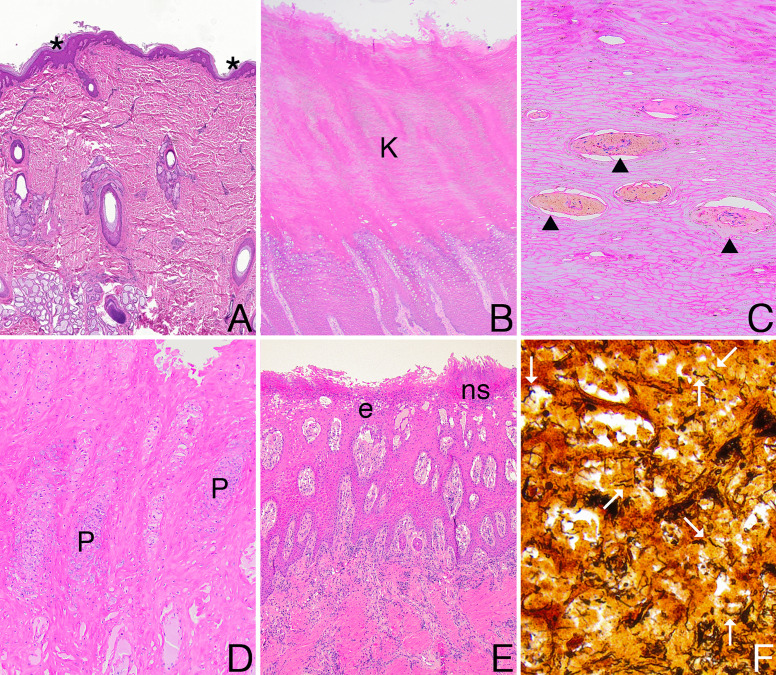 Figure 2
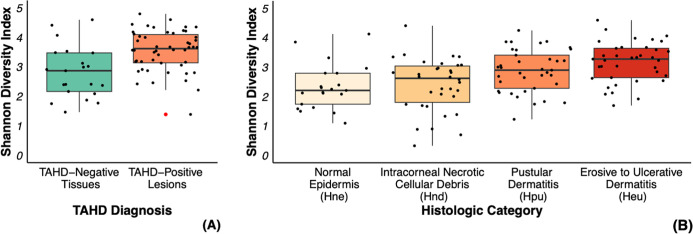 Figure 3
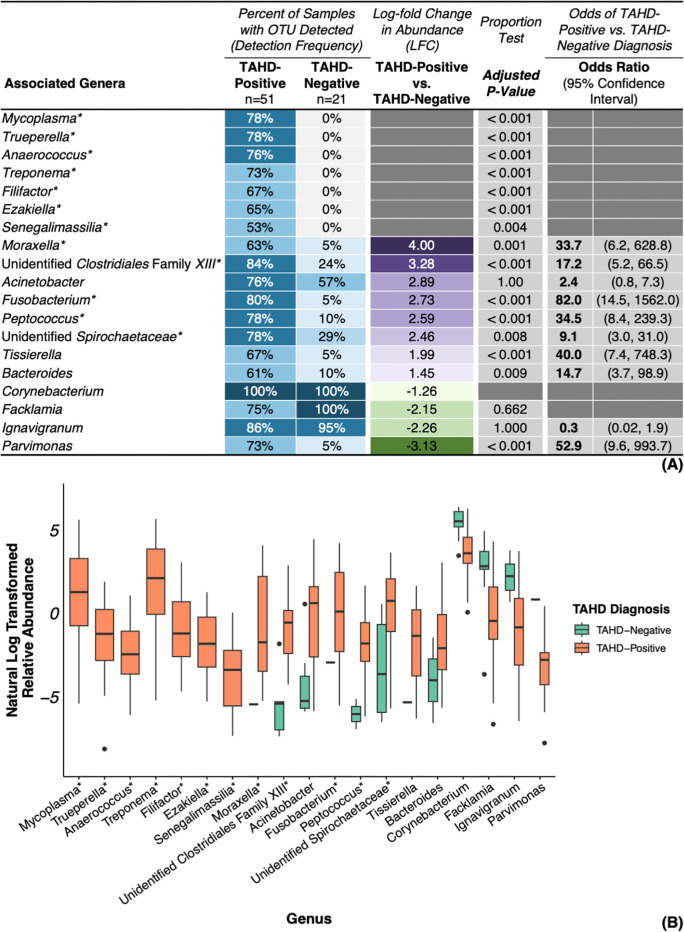 Figure 4
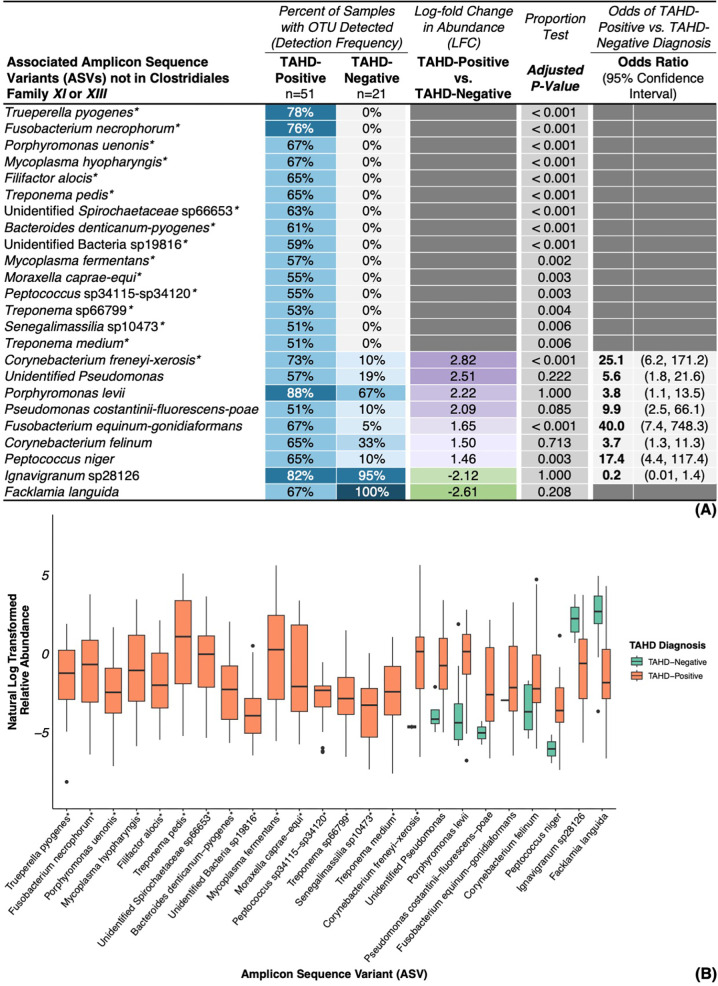 Figure 5
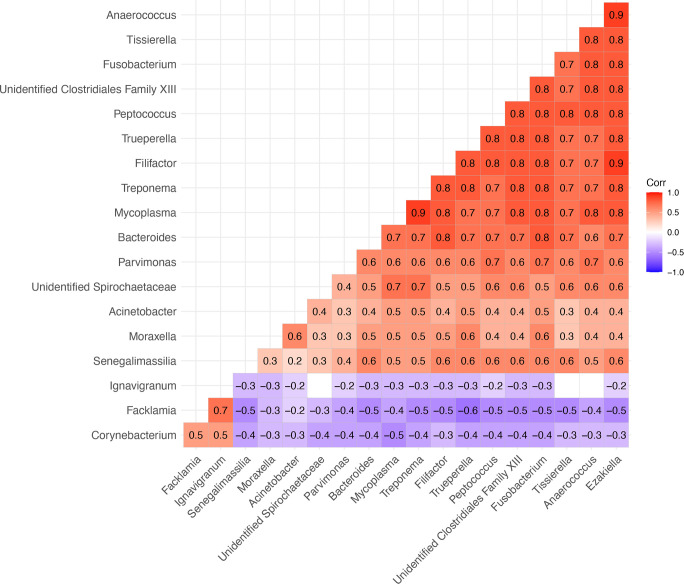 Figure 6
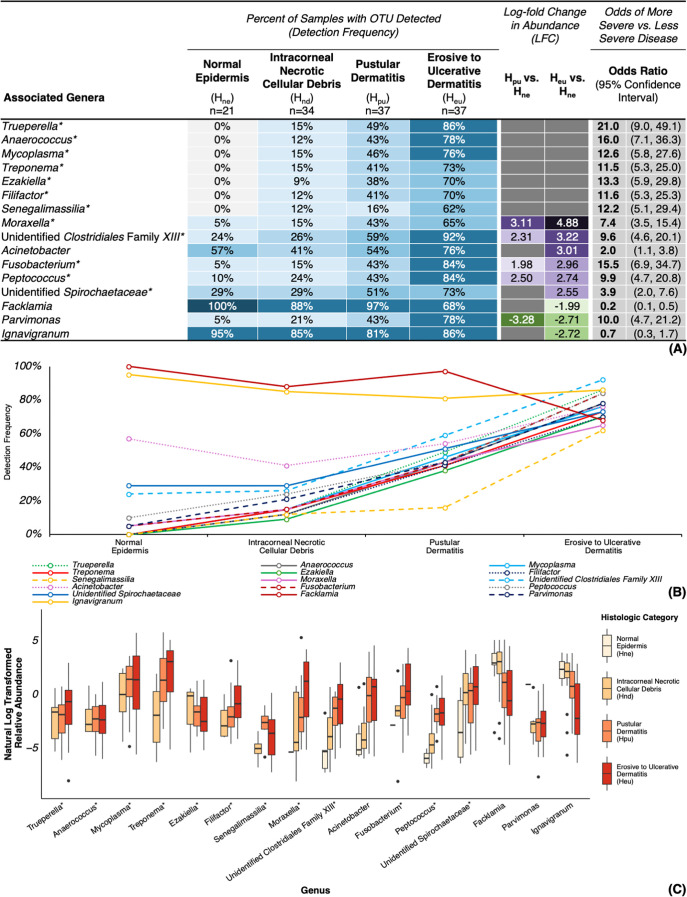 Figure 7
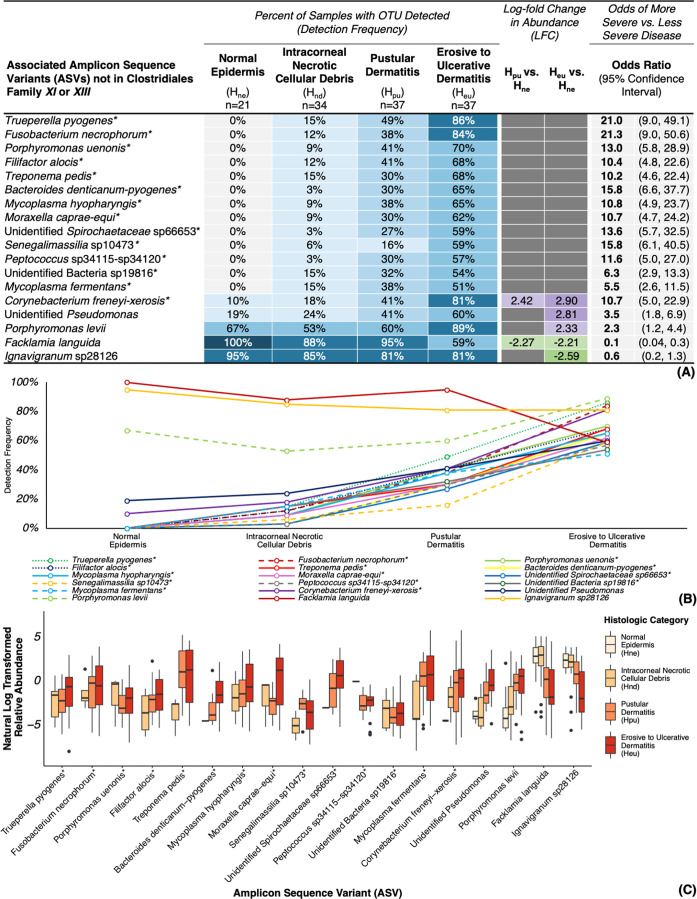 Figure 8
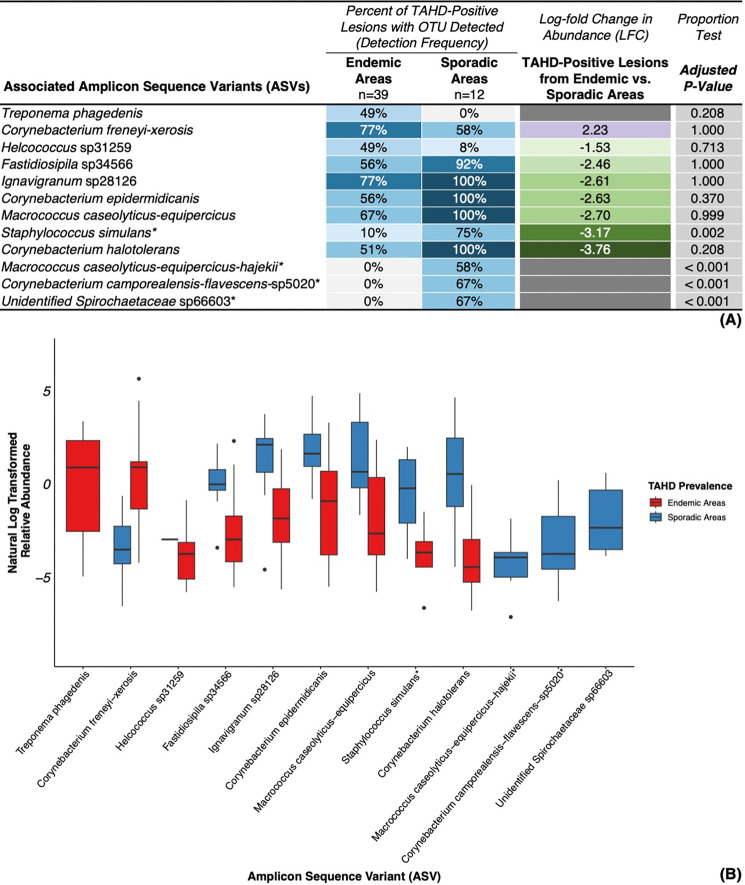 Figure 9
Peer Reviews
No public reviews on file for this paper yet. If you reviewed it on a platform where reviews are public (OpenReview, ICLR, NeurIPS, ICML), you can paste yours below so the community can read it here.
Videos
No videos yet. Explain this paper in a talk, walkthrough, or lecture? Add one.
Taxonomy
TopicsWildlife Ecology and Conservation · Microbial infections and disease research · Animal Disease Management and Epidemiology