Habitat transformation reshapes protistan community composition and assembly processes in coastal wetlands of southeastern China
Anqi Wang, Ping Yang, Guiping Ye, Chuan Tong, Luyuan Sun, Mengmeng Feng, Zi-Yang He, Ji-Zheng He, Yongxin Lin

TL;DR
This study shows how human-driven changes in coastal wetlands affect tiny protist communities, revealing shifts in their makeup and how they form.
Contribution
The first large-scale assessment of protistan community responses to habitat transformation in Chinese coastal wetlands.
Findings
Protistan community composition and functional groups shift significantly with habitat transformation.
Salinity and sediment grain size are key drivers of protistan diversity and assembly.
Environmental filtering dominates community assembly, especially in Spartina alterniflora-invaded habitats.
Abstract
Coastal wetlands along southeastern China have undergone extensive habitat transformations, notably from natural mudflats (MFs) to Spartina alterniflora marshes (SAs) and aquaculture ponds (APs), yet the ecological consequences for sediment protistan communities remain largely unknown. Here, we systematically examined protistan diversity, community composition, functional groups, and assembly processes across 21 wetlands spanning five provinces using amplicon sequencing. Although alpha diversity remained stable across habitat types, community composition and functional group distributions were significantly altered. In particular, phototrophic protists declined markedly following S. alterniflora invasion and then increased after aquaculture pond reclamation. Meanwhile, consumer and phototroph assemblages were strongly influenced by sediment grain size. Salinity emerged as the key…
Genes, proteins, chemicals, diseases, species, mutations and cell lines named across the full text — each resolved to its canonical identifier and authoritative record.
Click any figure to enlarge with its caption.
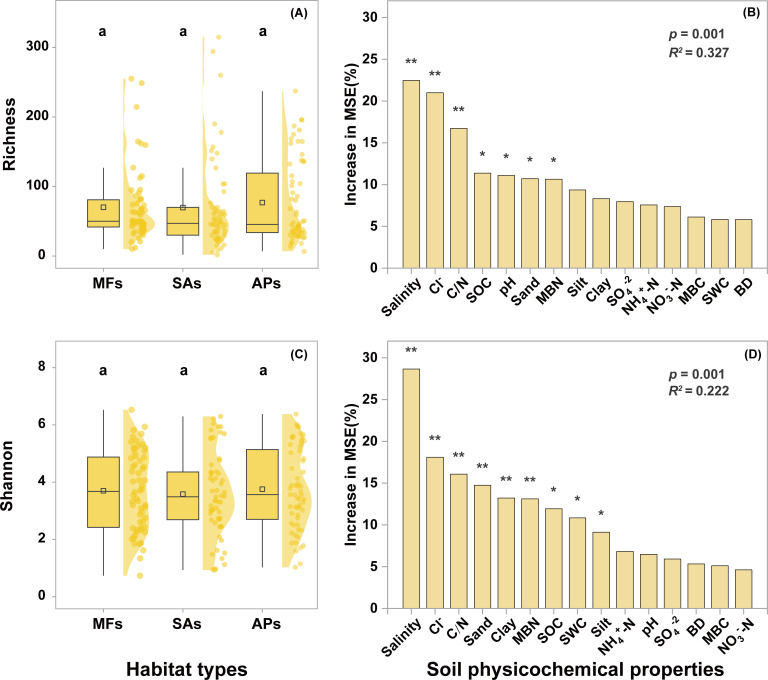 Figure 1
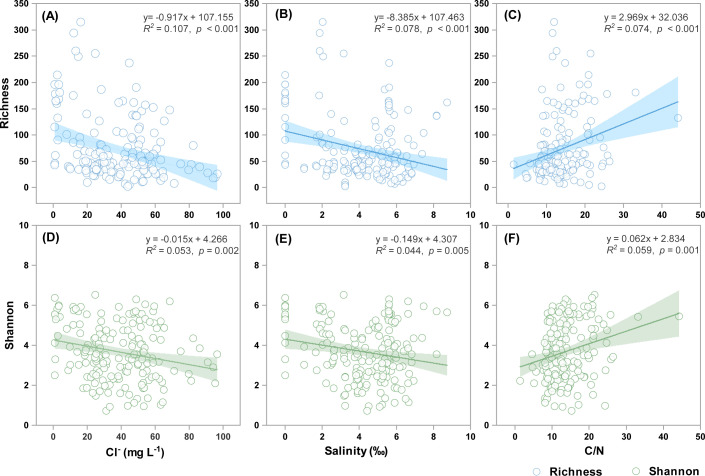 Figure 2
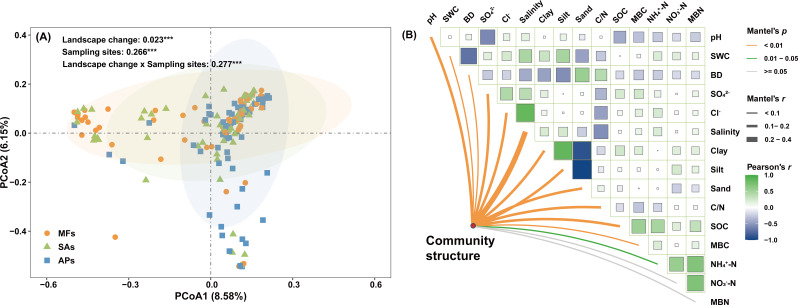 Figure 3
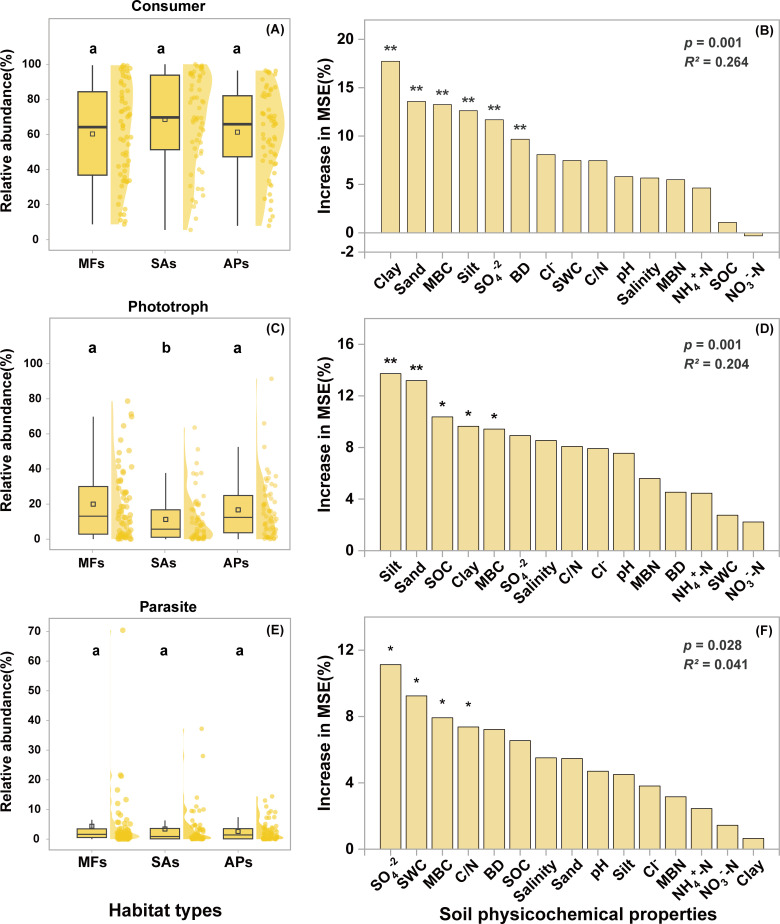 Figure 4
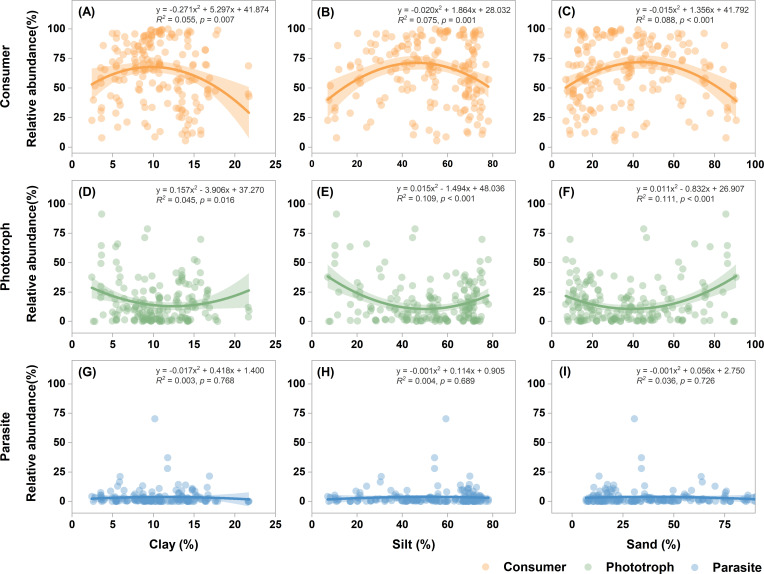 Figure 5
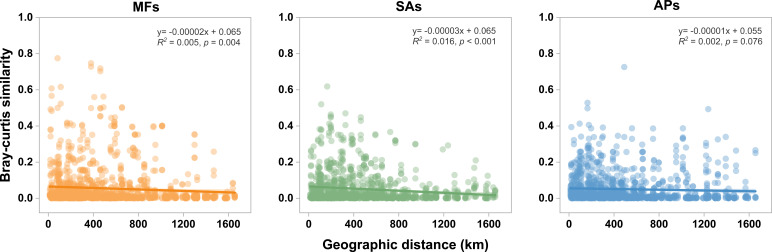 Figure 6
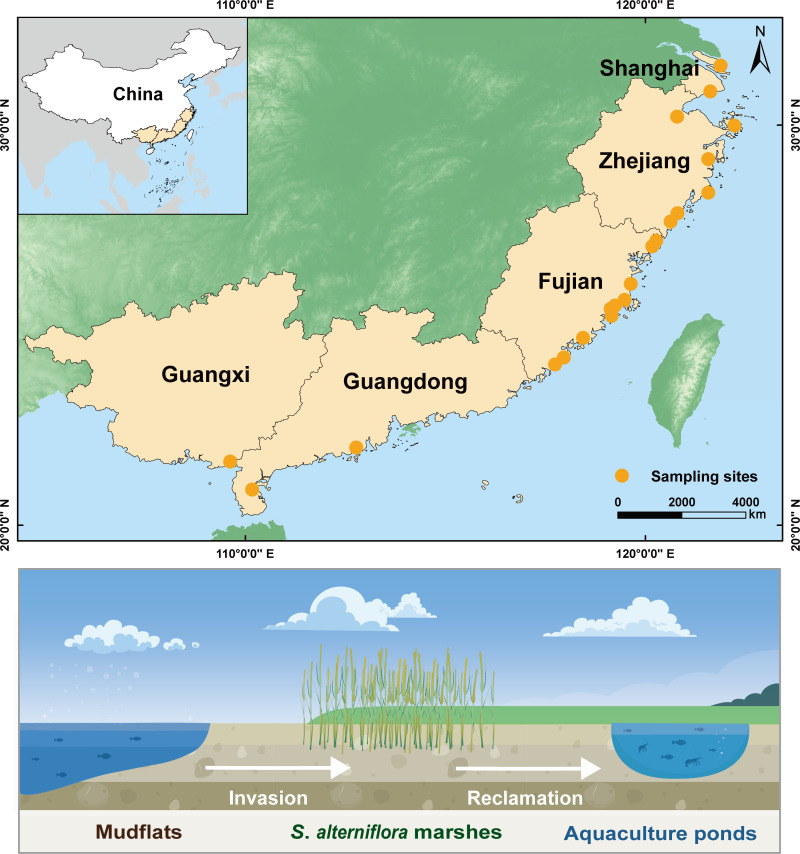 Figure 7
Peer Reviews
No public reviews on file for this paper yet. If you reviewed it on a platform where reviews are public (OpenReview, ICLR, NeurIPS, ICML), you can paste yours below so the community can read it here.
Videos
No videos yet. Explain this paper in a talk, walkthrough, or lecture? Add one.
Taxonomy
TopicsMicrobial Community Ecology and Physiology · Protist diversity and phylogeny · Environmental DNA in Biodiversity Studies