Pentose bisphosphate pathway can act in central metabolism for nucleoside-dependent growth of Thermococcus kodakarensis strains
Tetsu Nishida, Yangzi Chen, Takehiro Azuma, Izumi Orita, Toshiaki Fukui

TL;DR
A modified strain of Thermococcus kodakarensis can grow using nucleosides via the pentose bisphosphate pathway, even without sulfur or pyruvate.
Contribution
The study shows the pentose bisphosphate pathway functions as a central metabolic module for nucleoside-dependent growth in hyperthermophilic archaea.
Findings
A laboratory-evolved strain of Thermococcus kodakarensis can grow without sulfur or pyruvate by utilizing nucleosides.
Mutations in the RuBisCO gene and a nucleoside transporter subunit (NupD) are key to nucleoside-dependent growth.
The pentose bisphosphate pathway supports CO2 fixation and cell growth when nucleosides are available.
Abstract
A laboratory-evolved strain of Thermococcus kodakarensis was found to grow in a nutrient-rich medium without elemental sulfur (S0) or pyruvate, unlike the wild type. The growth of the evolved strain was stimulated by nucleoside supplementation, and the cells consumed nucleosides, accompanied by accumulation of nucleobases in the medium, indicating utilization of the ribose moiety by the cells for growth. The H2/CO2 production ratio was approximately 2:1, and the total amount of acetate and alanine produced was consistent with the amount of nucleosides consumed. These observations support the assimilation of the ribose moiety from nucleosides through the pentose bisphosphate (PBP) pathway employing the CO2-fixing form III RuBisCO. The evolved strain utilized pyruvate derived from nucleosides as both an energy source and an acceptor of an amino group to sustain peptides/amino acids…
Genes, proteins, chemicals, diseases, species, mutations and cell lines named across the full text — each resolved to its canonical identifier and authoritative record.
Click any figure to enlarge with its caption.
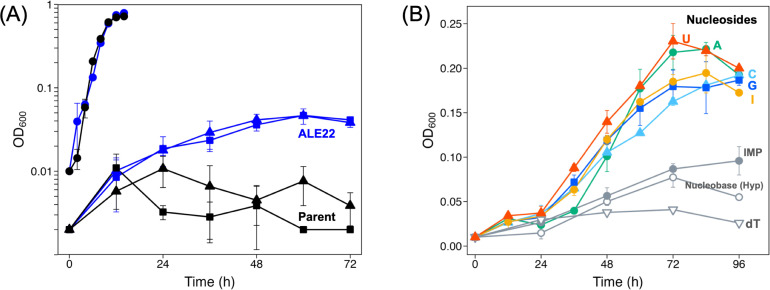 Figure 1
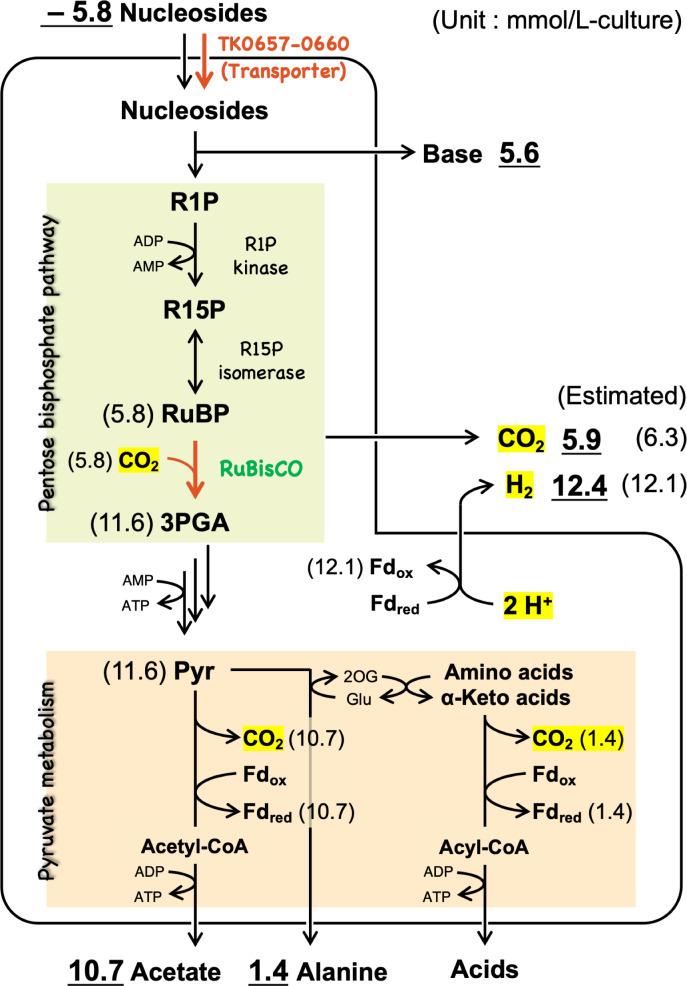 Figure 2
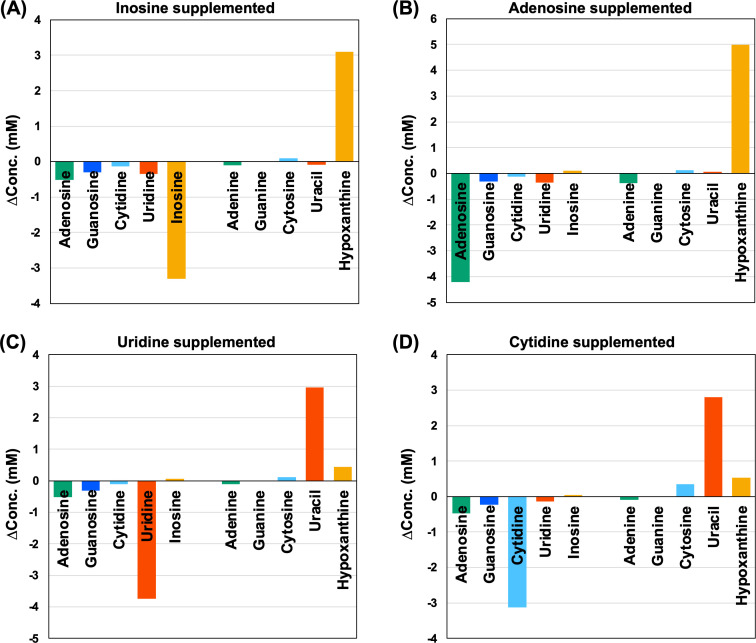 Figure 3
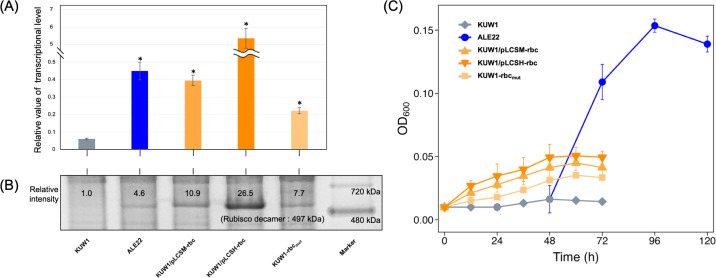 Figure 4
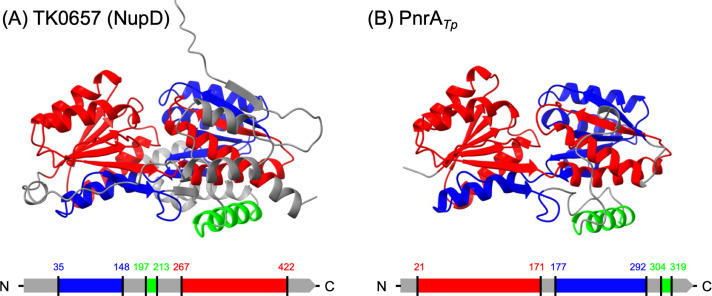 Figure 5
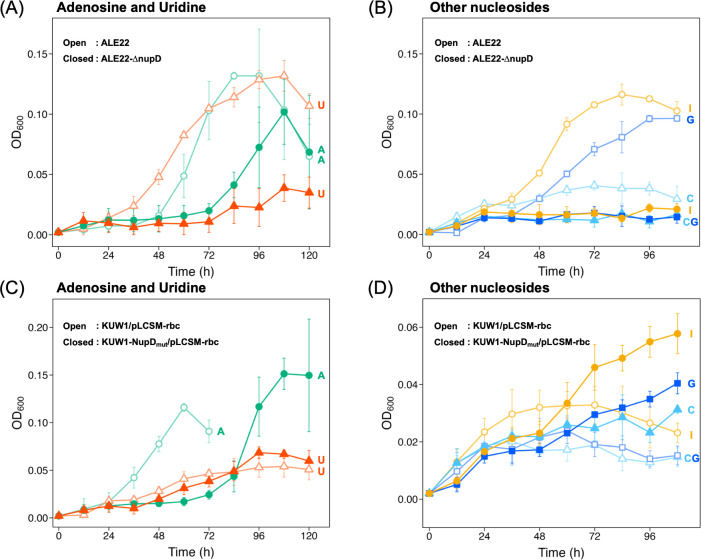 Figure 6
Peer Reviews
No public reviews on file for this paper yet. If you reviewed it on a platform where reviews are public (OpenReview, ICLR, NeurIPS, ICML), you can paste yours below so the community can read it here.
Videos
No videos yet. Explain this paper in a talk, walkthrough, or lecture? Add one.
Taxonomy
TopicsBacterial Genetics and Biotechnology · Metalloenzymes and iron-sulfur proteins · ATP Synthase and ATPases Research