Peptide ES15-1 derived from Haemonchus contortus promotes goat Th17 response by regulating the STAT3/RORγt pathway
Cheng Chen, Jiajun Feng, Jilata Amu, Zhaohai Wen, Yangchun Tan, Yongde Xu, Xianglin Pu, Mingmin Lu, Xiaokai Song, Lixin Xu, Xiangrui Li, Ruofeng Yan

TL;DR
A peptide from a parasitic worm boosts Th17 immune responses in goats by activating a specific signaling pathway, offering protection against infection.
Contribution
The study identifies a specific peptide (ES15-1) that enhances Th17 responses via the STAT3/RORγt pathway in goats.
Findings
ES15-1 activates the STAT3/RORγt pathway and increases IL-17 production in goat PBMCs.
PLGA-encapsulated ES15-1 significantly enhances Th17 cell differentiation in mice and reduces worm burdens in goats.
ES15-1 treatment increases pro-inflammatory cytokine levels and reduces fecal egg counts in goats.
Abstract
Th17 cells play important roles in anti-infective responses. The 15 kDa excretory/secretory protein of Haemonchus contortus (HcES-15) has been identified as a promising immune-protective antigen against H. contortus infection capable of up-regulating IL-17, IL-4 and IL-10 production. To obtain the peptides that primarily induce the Th17 immune response, we amplified and expressed the peptides ES15-1, ES15-2 and ES15-3 from HcES-15. In vitro studies demonstrated that ES15-1 stimulated transcriptional activation of the STAT3/RORγt signaling pathway and induced IL-17 production in goat peripheral blood mononuclear cells (PBMCs). In vivo studies, flow cytometric analysis revealed that subcutaneous injection of PLGA-encapsulated ES15-1 peptide (PLGA-ES15-1, 50 μg) significantly enhanced Th17 cell differentiation in the spleens of BALB/c mouse. Consistent with these findings, ELISA…
Genes, proteins, chemicals, diseases, species, mutations and cell lines named across the full text — each resolved to its canonical identifier and authoritative record.
Click any figure to enlarge with its caption.
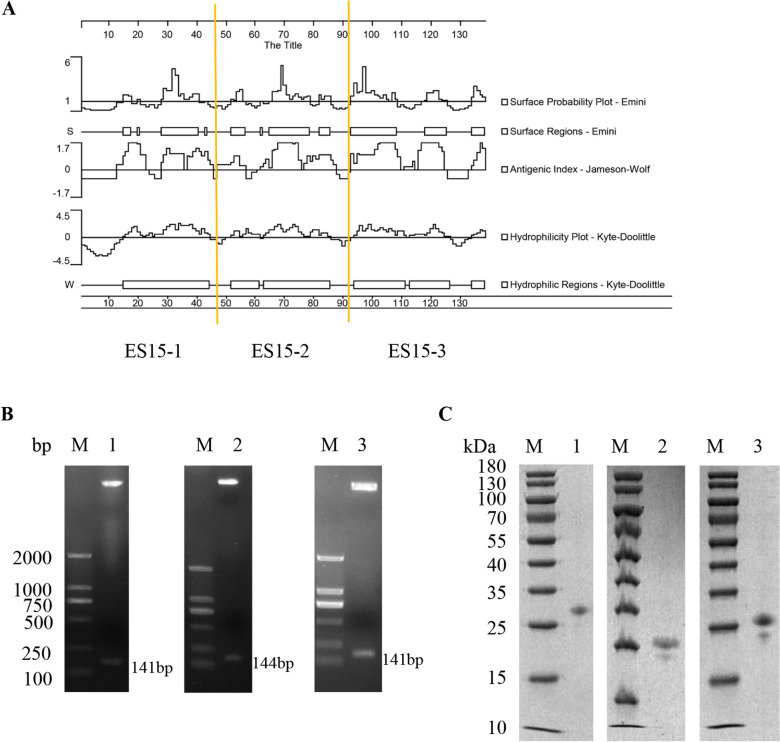 Figure 1
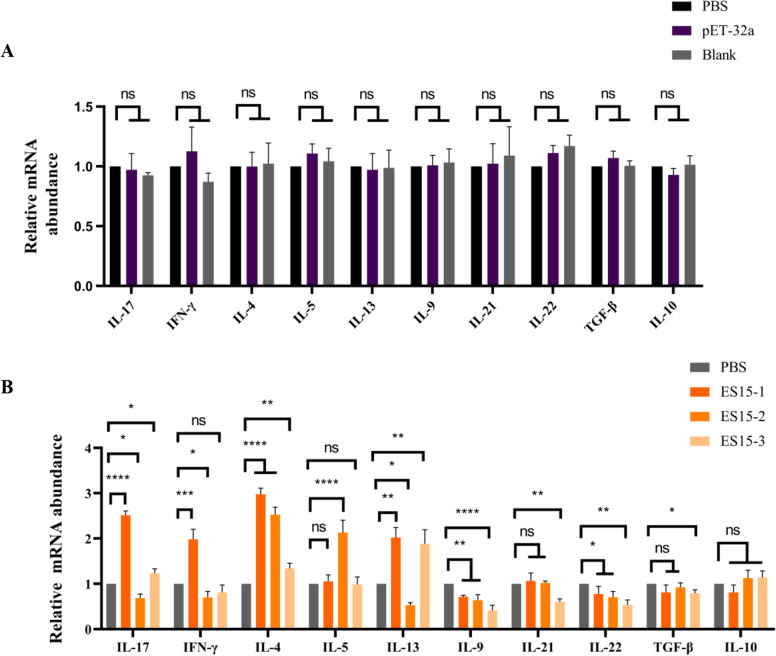 Figure 2
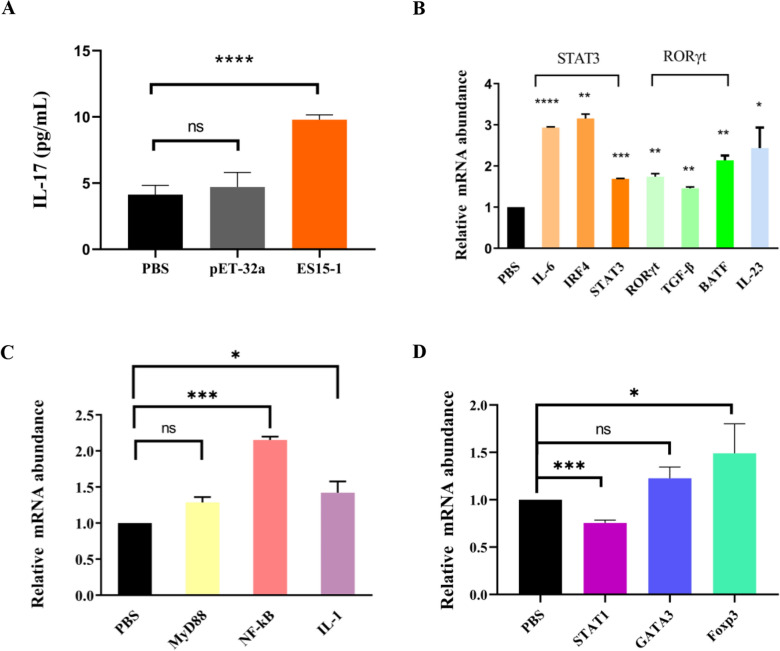 Figure 3
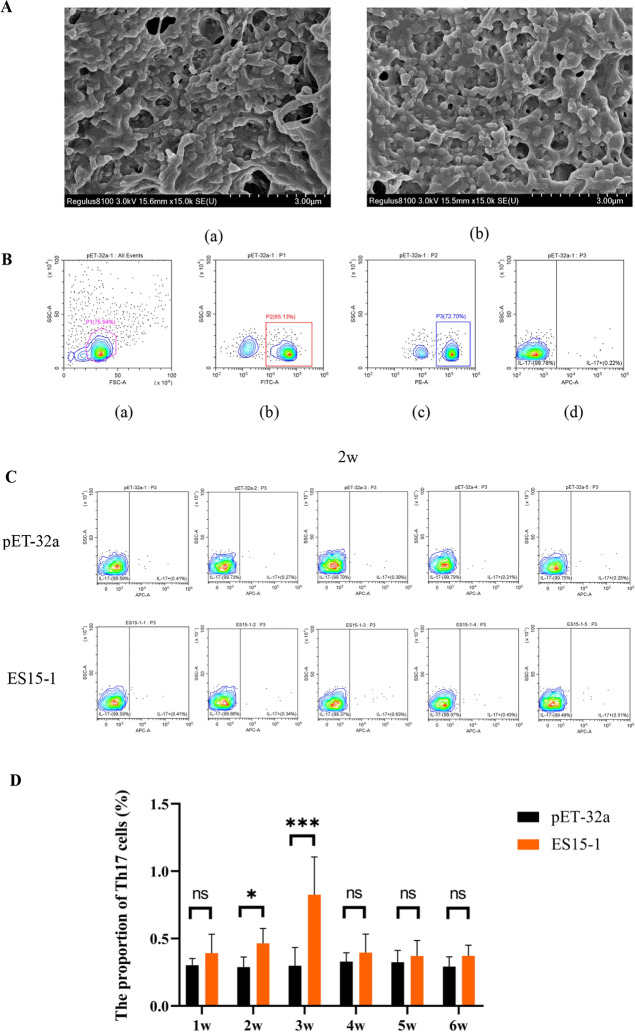 Figure 4
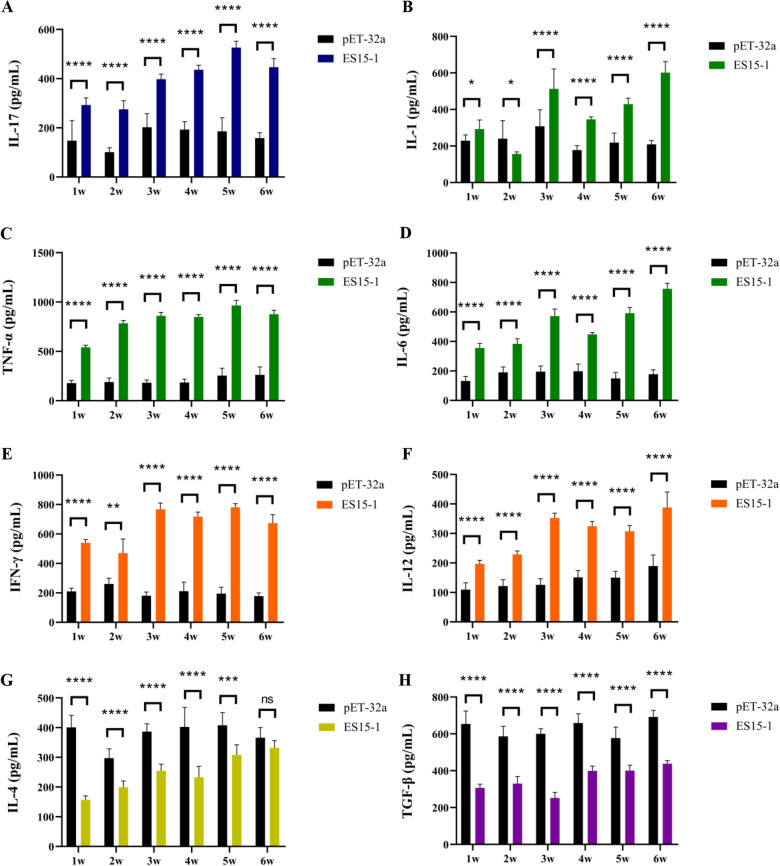 Figure 5
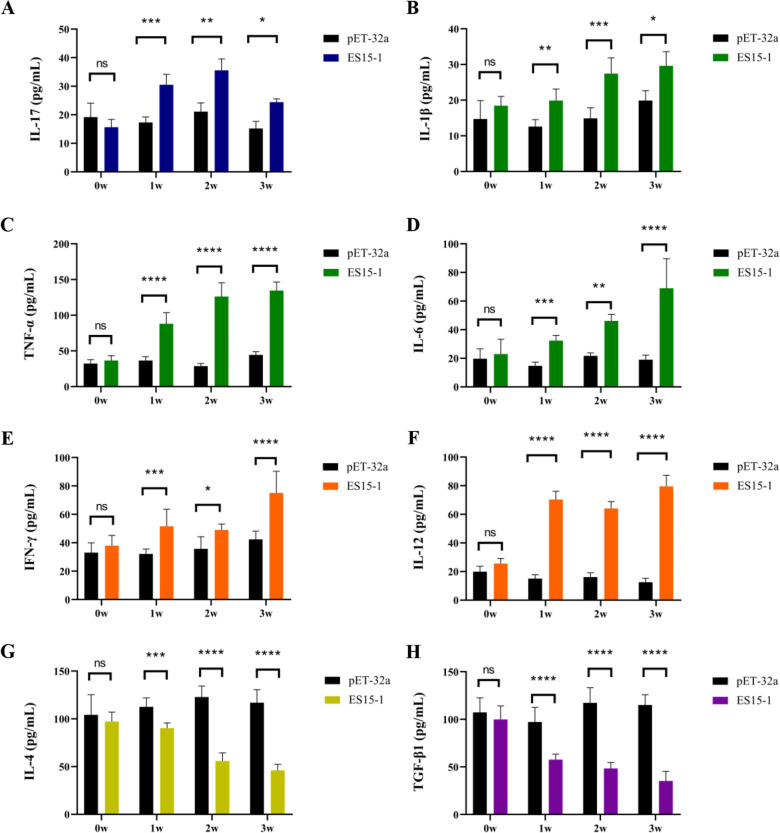 Figure 6
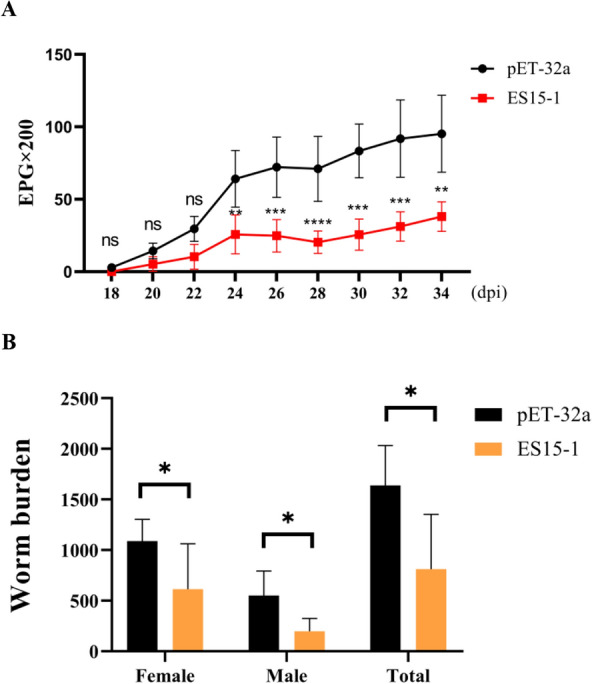 Figure 7
Peer Reviews
No public reviews on file for this paper yet. If you reviewed it on a platform where reviews are public (OpenReview, ICLR, NeurIPS, ICML), you can paste yours below so the community can read it here.
Videos
No videos yet. Explain this paper in a talk, walkthrough, or lecture? Add one.
Taxonomy
TopicsParasites and Host Interactions · Antimicrobial Peptides and Activities · Helminth infection and control