Neurological Phenotypes of SOCS1 Haploinsufficiency: Insights from Functional and Histological Investigations
Serena Palmeri, Ignazia Prigione, Francesca Schena, Marie Jeanpierre, Arinna Bertoni, Federica Penco, Paola Bocca, Genny Del Zotto, Sara Massucco, Consuelo Venturi, Angelo Schenone, Gino Tripodi, Giada Recchi, Marina Lanciotti, Maurizio Miano, Caterina Matucci-Cerinic

TL;DR
This study identifies neurological symptoms like multiple sclerosis and autoimmune encephalitis in a family with a SOCS1 gene variant, expanding the known effects of this genetic condition.
Contribution
The paper reports neurological manifestations as novel features of SOCS1 haploinsufficiency, previously unobserved in this condition.
Findings
A heterozygous SOCS1 variant was linked to neurological symptoms such as multiple sclerosis and autoimmune encephalitis.
Cells with the SOCS1 variant showed increased STAT1 activity and elevated T-cell proliferation in response to cytokines.
Skin biopsy revealed reduced intraepidermal nerve fiber density, indicating peripheral nervous system involvement.
Abstract
Suppressor of cytokine signaling 1 (SOCS1) haploinsufficiency is a recently described inborn error of immunity characterized by autoimmunity, inflammation, lymphoproliferation, and increased infection susceptibility. SOCS1, a negative regulator of cytokine signaling via the JAK/STAT pathway, explains the condition’s broad phenotypic variability. Single nucleotide polymorphisms in SOCS1 have been linked to multiple sclerosis (MS), and SOCS1 mimetics have shown efficacy in MS animal models. However, neurological involvement has not been previously reported in patients with SOCS1 insufficiency. We describe a family with a heterozygous SOCS1 variant, highlighting neurological manifestations such as MS, autoimmune encephalitis, and recurrent complex regional pain syndrome as novel features. Next-Generation Sequencing and segregation analysis were performed on PBMCs from patients and healthy…
Genes, proteins, chemicals, diseases, species, mutations and cell lines named across the full text — each resolved to its canonical identifier and authoritative record.
Click any figure to enlarge with its caption.
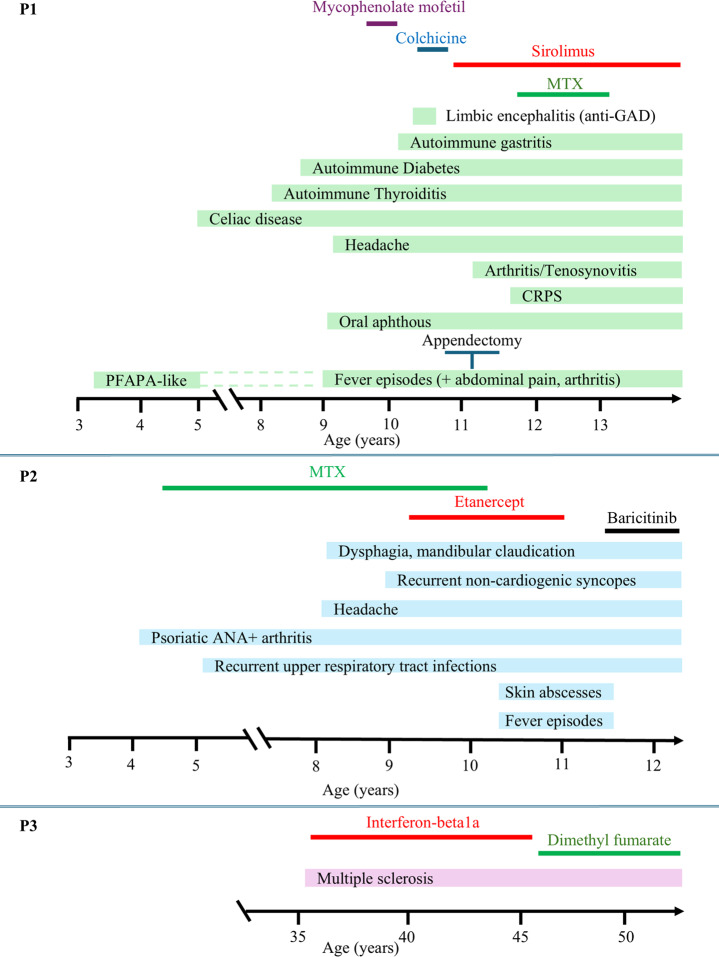 Figure 1
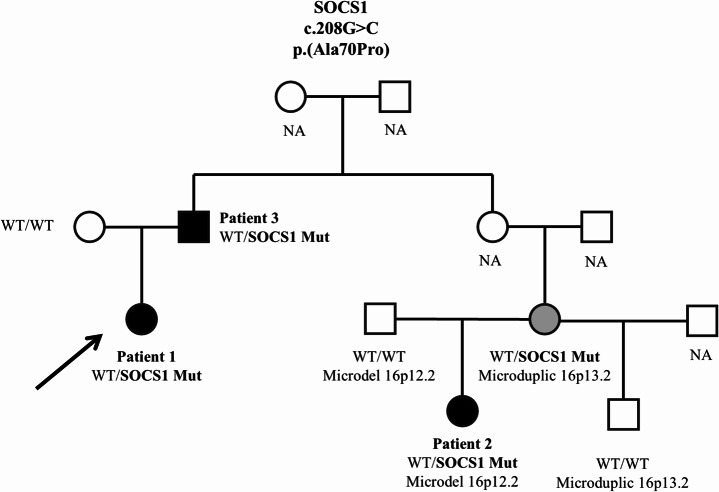 Figure 2
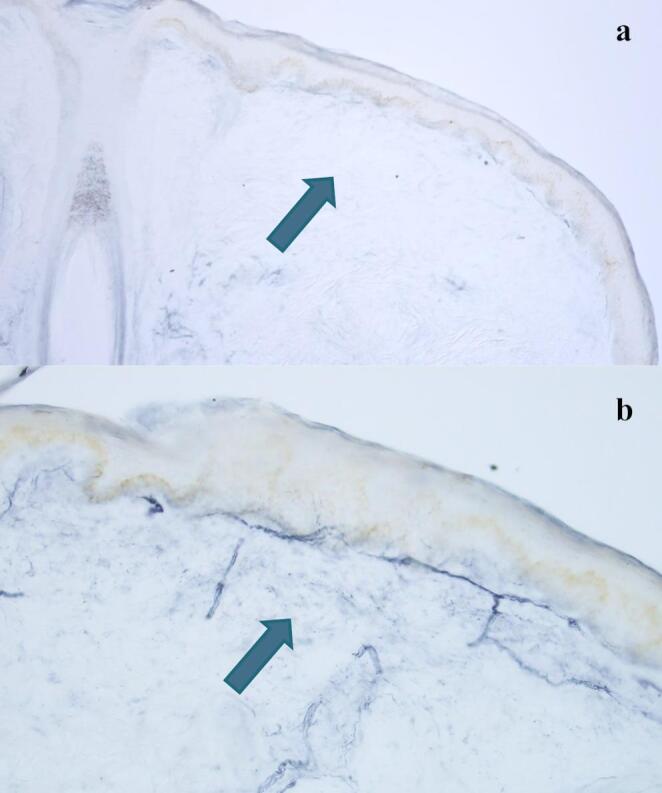 Figure 3
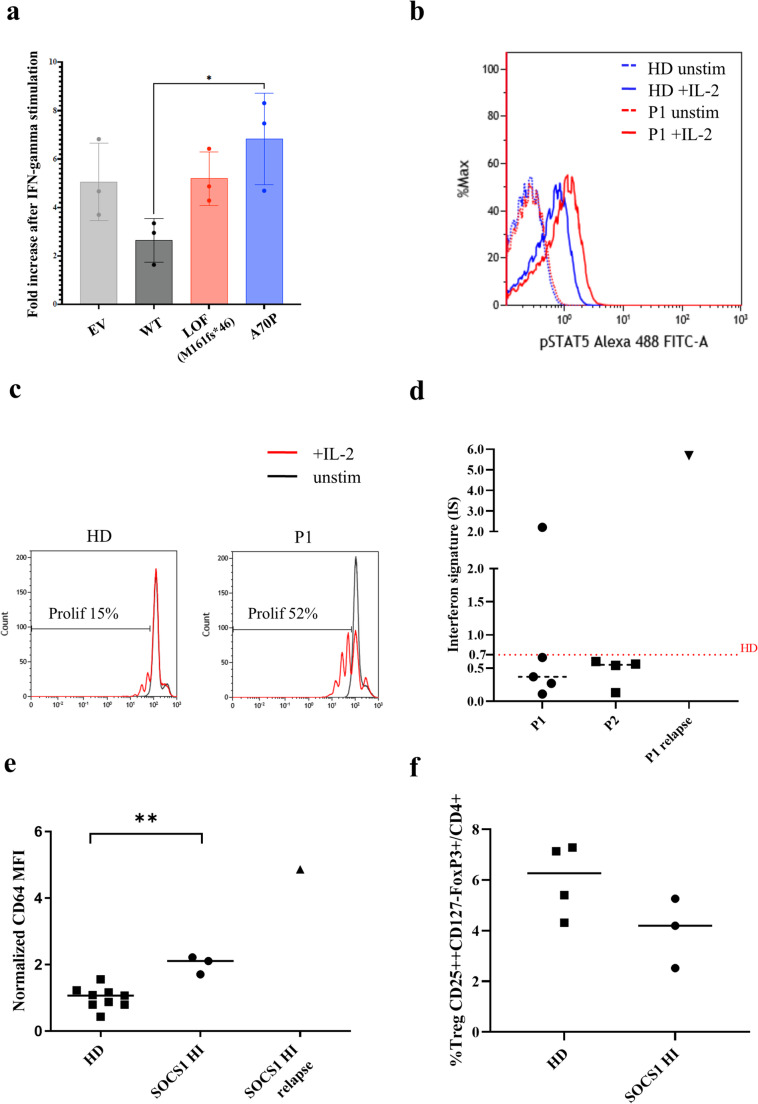 Figure 4
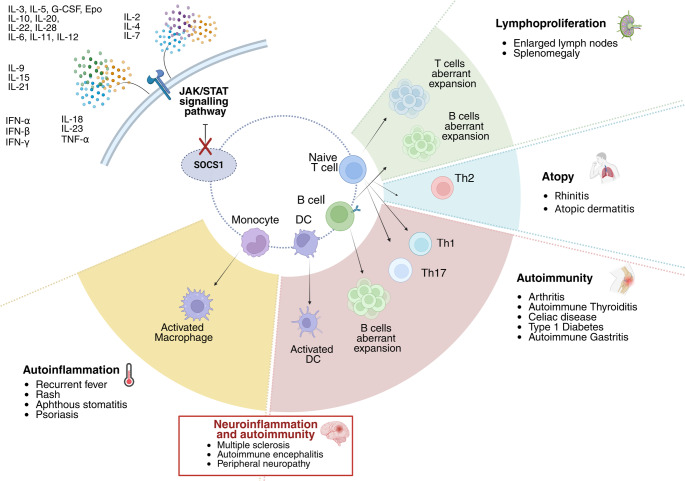 Figure 5
Peer Reviews
No public reviews on file for this paper yet. If you reviewed it on a platform where reviews are public (OpenReview, ICLR, NeurIPS, ICML), you can paste yours below so the community can read it here.
Videos
No videos yet. Explain this paper in a talk, walkthrough, or lecture? Add one.
Taxonomy
TopicsCytokine Signaling Pathways and Interactions · Immunodeficiency and Autoimmune Disorders · Autoimmune Neurological Disorders and Treatments