Ecophysiological Suitability of Batrachochytrium dendrobatidis in Mexico
Aldo Gómez-Benitez, Erika Adriana Reyes-Velázquez, Karla Pelz-Serrano, Laura Heredia-Bobadilla, Armando Sunny-García, Víctor Daniel Ávila-Akerberg

TL;DR
This study predicts where a deadly frog fungus will thrive in Mexico, showing it favors mountainous regions and how climate change may reduce its spread.
Contribution
A novel ecophysiological suitability index for Batrachochytrium dendrobatidis integrating temperature parameters and climate change projections.
Findings
Bd suitability is highest in central Mexican mountainous regions and lowest in coastal and lowland areas.
By 2050 and 2070, climate change scenarios predict reduced Bd suitability across most of Mexico.
Over half of state natural protected areas have high suitability for Bd, threatening endemic amphibians in mountain habitats.
Abstract
Batrachochytrium dendrobatidis (Bd) is a fungal pathogen responsible for amphibian population declines worldwide. In Mexico, understanding the potential distribution of Bd is crucial for conservation. Here, we developed an ecophysiological suitability index that integrates five key physiological parameters related to temperature. The environmental variables from WorldClim v2.1 were used to derive spatial representations of Bd’s thermal responses. A multicriteria evaluation combined these parameters into an ecophysiological suitability index. This index was projected to 2050 and 2070 under two contrasting climate change scenarios. We also analyzed the overlap between Bd’s suitability, natural protected areas (NPAs), and endemic amphibian geographic distributions to assess conservation implications. Our results indicate that Bd suitability is highest in the mountainous regions of central…
Genes, proteins, chemicals, diseases, species, mutations and cell lines named across the full text — each resolved to its canonical identifier and authoritative record.
Click any figure to enlarge with its caption.
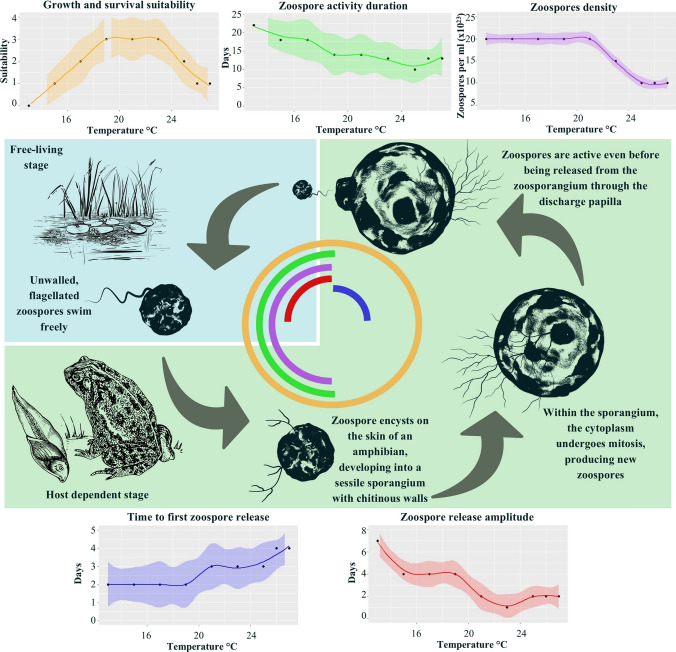 Figure 1
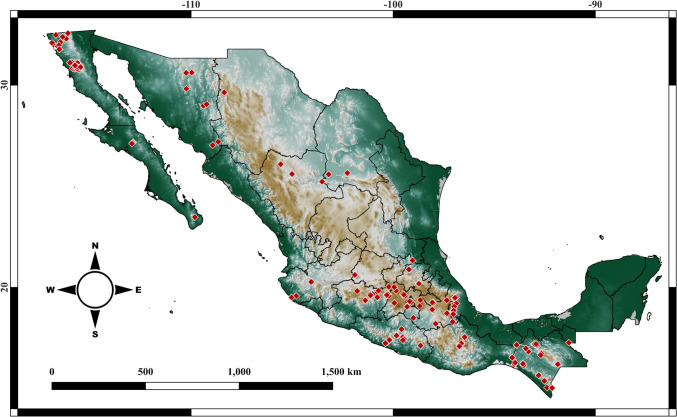 Figure 2
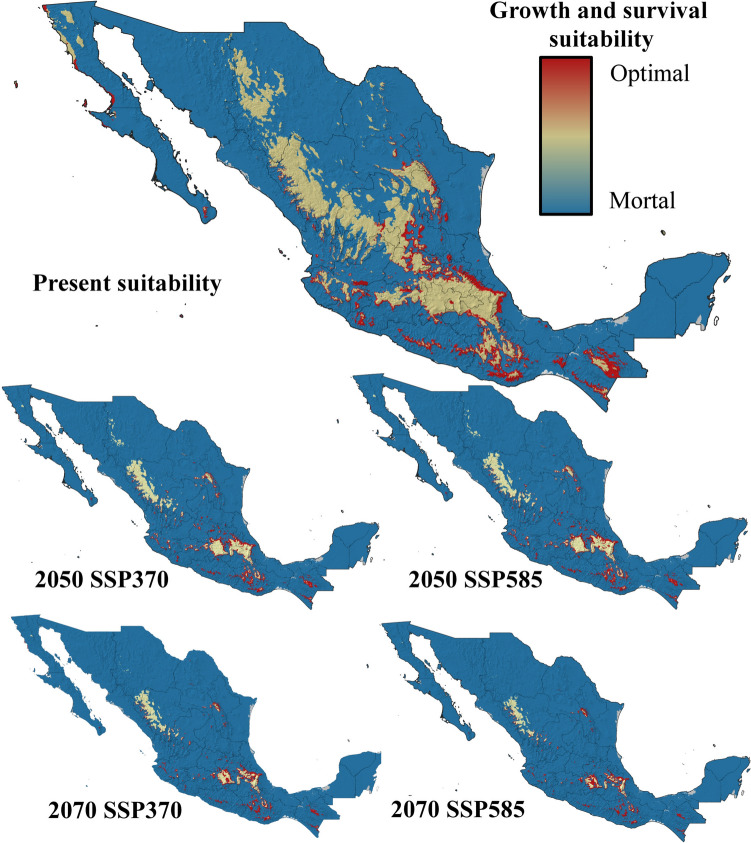 Figure 3
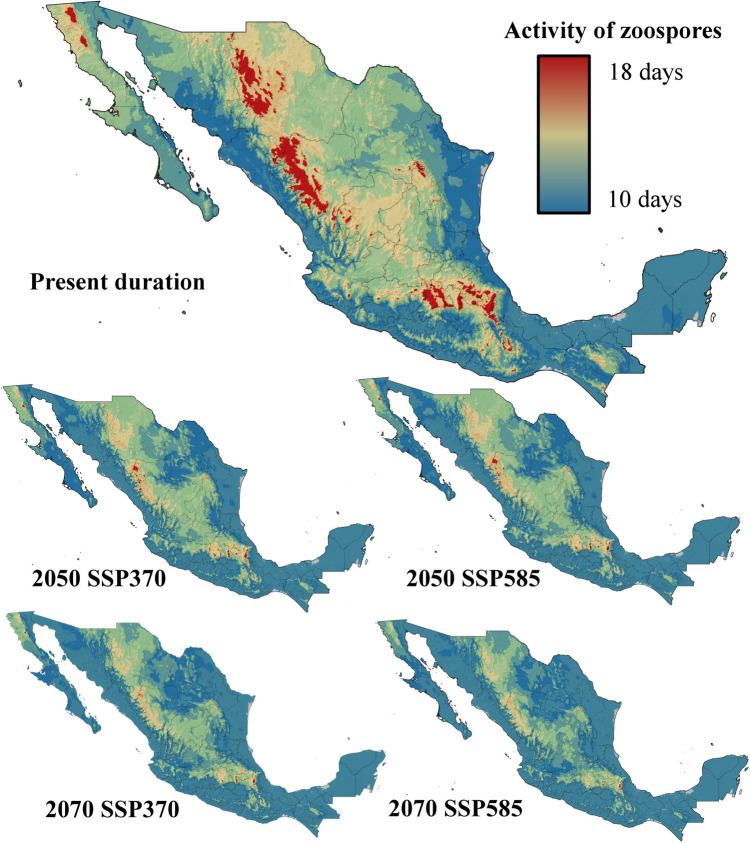 Figure 4
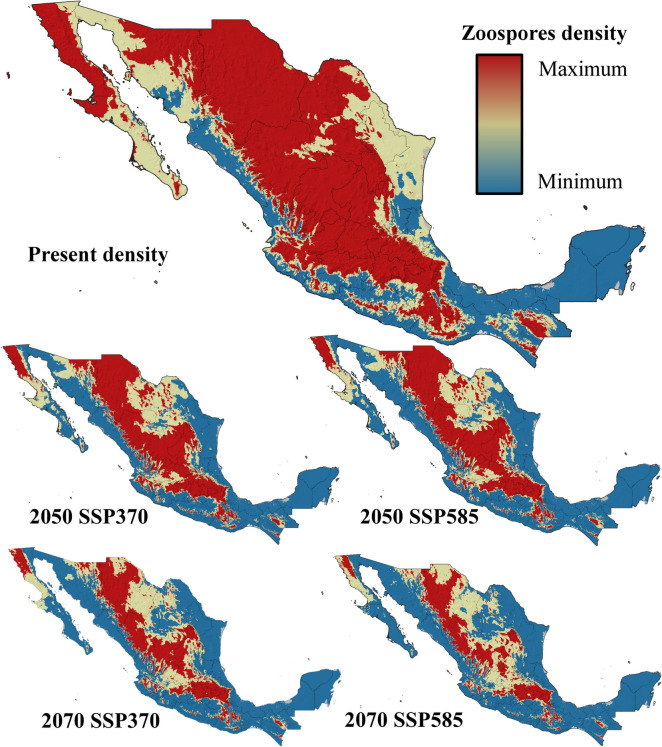 Figure 5
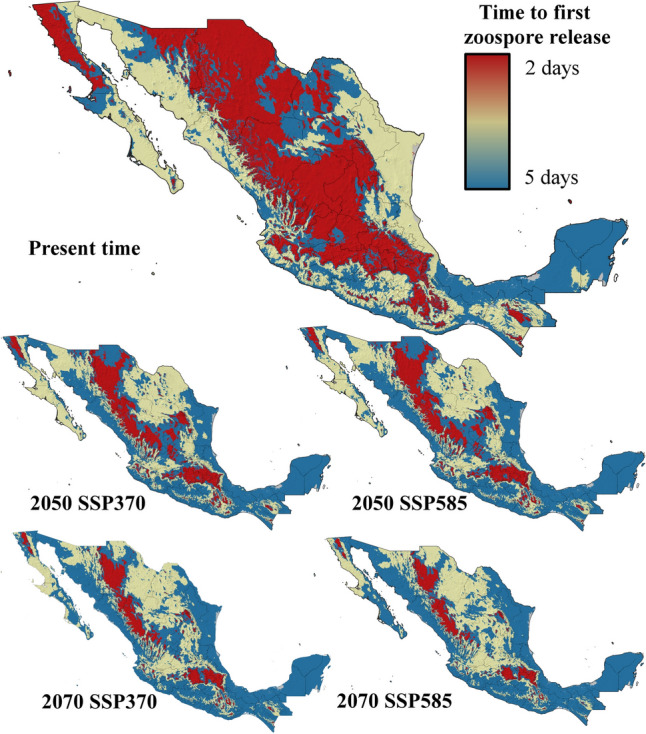 Figure 6
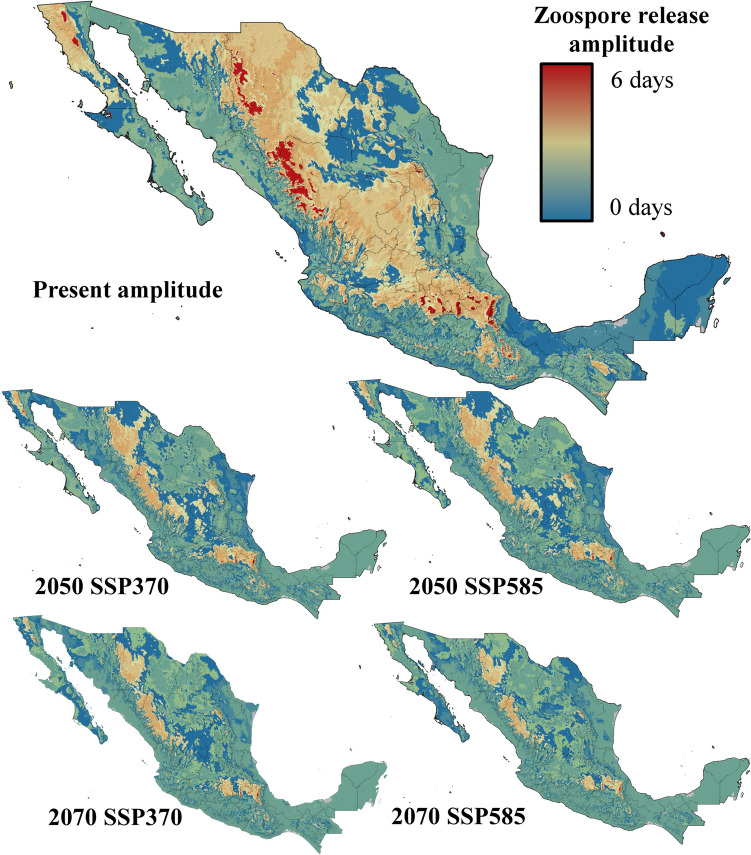 Figure 7
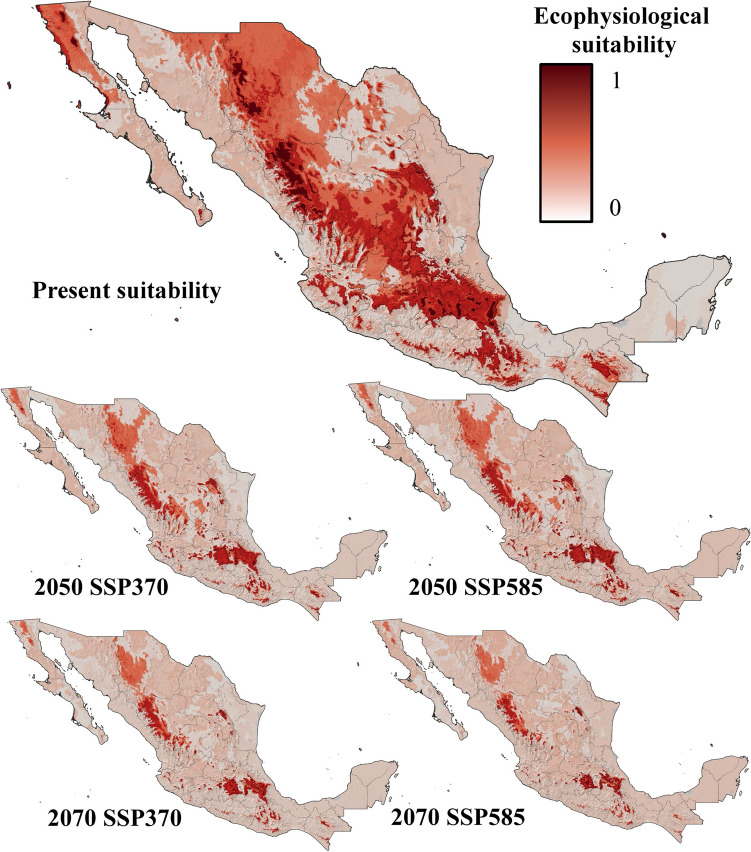 Figure 8
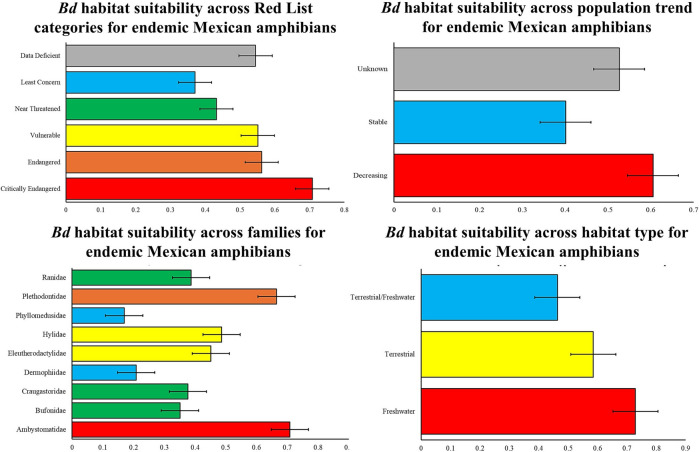 Figure 9
Peer Reviews
No public reviews on file for this paper yet. If you reviewed it on a platform where reviews are public (OpenReview, ICLR, NeurIPS, ICML), you can paste yours below so the community can read it here.
Videos
No videos yet. Explain this paper in a talk, walkthrough, or lecture? Add one.
Taxonomy
TopicsSpecies Distribution and Climate Change · Amphibian and Reptile Biology · Animal and Plant Science Education