Association of preoperative Circulating biomarkers with echocardiographic measures of right ventricular strain five years after tetralogy of fallot repair
Jose A. Galan, Jennifer A. Faerber, Andrea L. Jones, Ryusuke Numata, Angeli Thomas, Anh Duc Mai, Yan Wang, Adam S. Himebauch, Monique M. Gardner, Laura Mercer-Rosa

TL;DR
This study explores how preoperative blood markers relate to heart function in children five years after heart surgery for tetralogy of Fallot.
Contribution
The study identifies preoperative circulating biomarkers associated with mid-term right ventricular strain after tetralogy of Fallot repair.
Findings
Higher preoperative levels of MMP1, PICP, and PIIINP were associated with worse right ventricular longitudinal strain.
Higher NT-proBNP levels were associated with better free-wall systolic strain-rate.
RV strain parameters remained stable until year 2, then declined significantly by years 3 to 5.
Abstract
We analyzed right ventricular (RV) function using echocardiography after tetralogy of Fallot (TOF) repair to investigate the association between preoperative circulating biomarkers and RV strain five years after repair. We hypothesized that biomarkers of myocardial fibrosis and stretch would be correlated with worse mid-term RV function measured by strain. We included children repaired at our institution from 2016 to 2019. Biomarkers measured preoperatively included galectin-3, Procollagen-type-I carboxy-terminal-propeptide (PICP), Procollagen-type-III-amino-terminal-propeptide (PIIINP), matrix-metalloproteinase-1 (MMP1), matrix-metalloproteinase-9 (MMP9), soluble suppression of tumorigenicity-2 (sST2), and N-terminal-pro-B-type-natriuretic-peptide (NT pro-BNP). Function was retrospectively assessed with RV longitudinal peak systolic strain (RVLS), free-wall peak systolic strain (FWS),…
Genes, proteins, chemicals, diseases, species, mutations and cell lines named across the full text — each resolved to its canonical identifier and authoritative record.
Click any figure to enlarge with its caption.
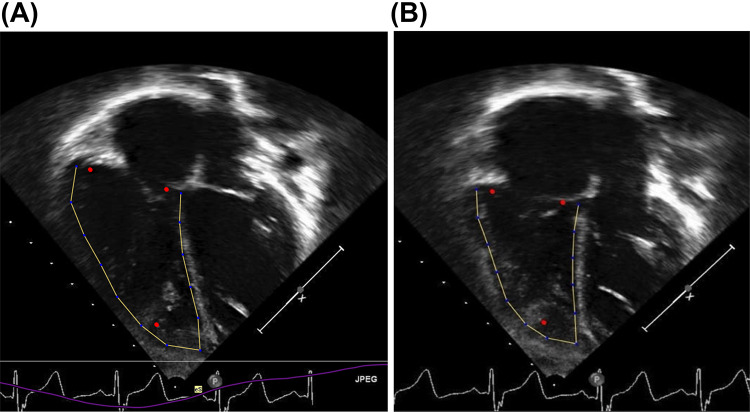 Figure 1
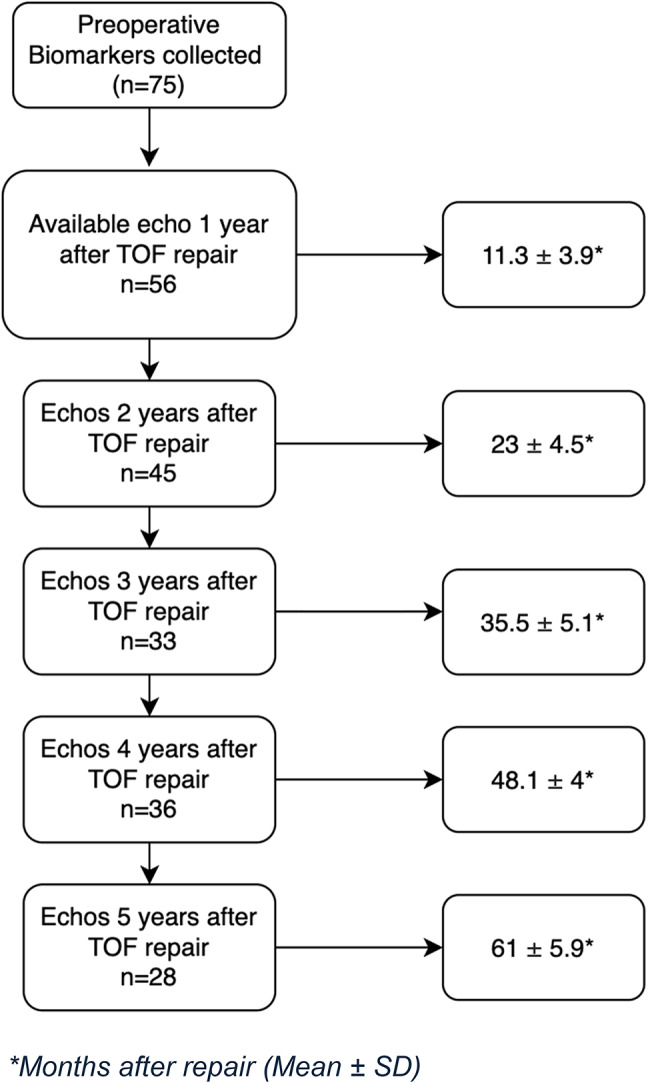 Figure 2
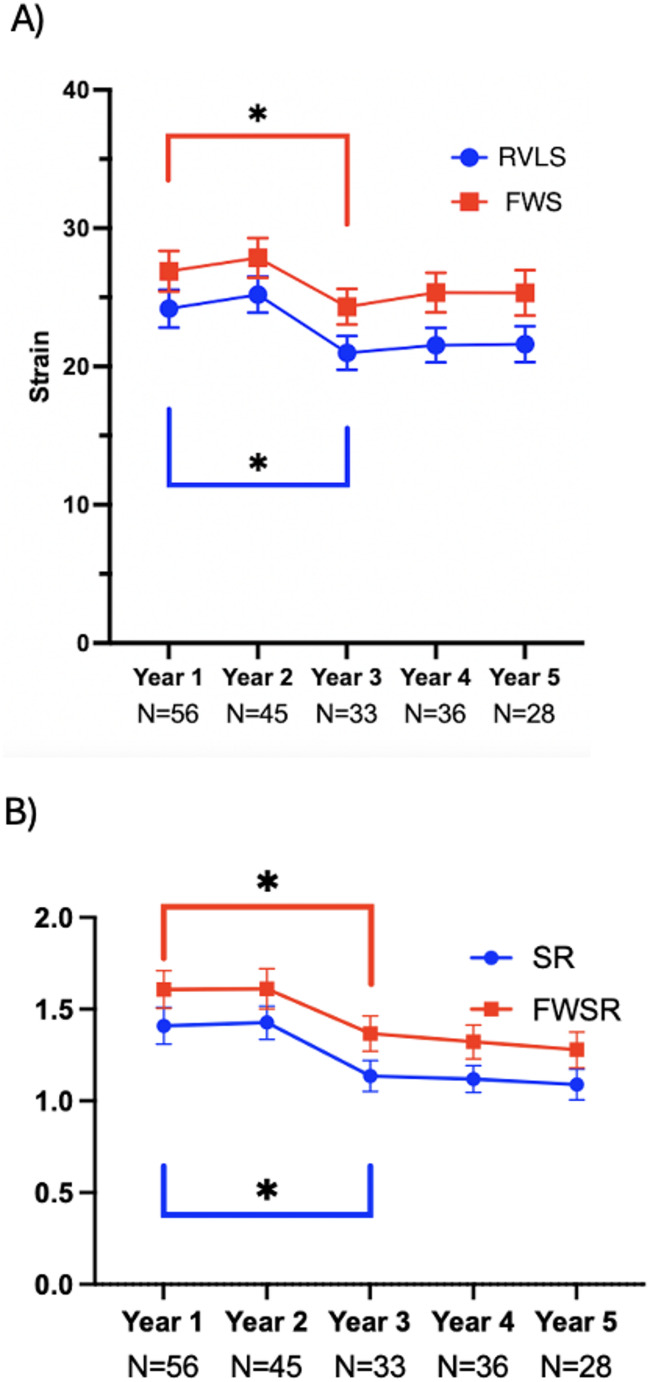 Figure 3
Peer Reviews
No public reviews on file for this paper yet. If you reviewed it on a platform where reviews are public (OpenReview, ICLR, NeurIPS, ICML), you can paste yours below so the community can read it here.
Videos
No videos yet. Explain this paper in a talk, walkthrough, or lecture? Add one.
Taxonomy
TopicsCongenital Heart Disease Studies · Pulmonary Hypertension Research and Treatments · Cardiac Valve Diseases and Treatments