Evaluating Pediatric Reference Ranges for Extended Immunophenotyping from a Finnish Cohort against Published References
Elli Äärimaa, Anssi Kesäläinen, Samuel Askeli, Anne Toivonen, Okko Savonius, Oscar Brück, Pauliina Lusila, Kim Vettenranta, Santtu Heinonen, Timo Jahnukainen, Minna Koskenvuo, Sanna Siitonen, Sari Lehtimäki, Eliisa Kekäläinen

TL;DR
This study establishes pediatric reference ranges for immune cell subsets and finds differences in immune responses between children and adults.
Contribution
The study provides new pediatric reference values for immunophenotyping and identifies age-related differences in lymphocyte function.
Findings
Children have lower lymphocyte mitogen responses compared to adults, likely due to higher naïve lymphocyte counts.
IEI patients show distinct immune cell patterns, including increased transitional B cells and γδ T cells.
Reference ranges from this study can improve pediatric immunological diagnostics.
Abstract
Flow cytometric immunophenotyping of lymphocytes and dendritic cells, and functional lymphocyte mitogen response tests are used in the diagnostics of inborn errors of immunity (IEI), especially in pediatrics. These routinely used tests lack sufficient age-matched reference values in children. We established reference values for lymphocyte and dendritic cell subsets for four age groups from 68 healthy children under 12 years of age. These values were then compared to prior publicly available articles and 46 clinical samples from children with confirmed IEI diagnosis. Mitogen response results were also compared between 27 children and 177 adults. In the literature review, we found considerable variability in lymphocyte subset definitions and statistical approaches. Most IEI patients had increased transitional and naïve B, and decreased memory B cells. CHH patients had increased γδ T and…
Genes, proteins, chemicals, diseases, species, mutations and cell lines named across the full text — each resolved to its canonical identifier and authoritative record.
Click any figure to enlarge with its caption.
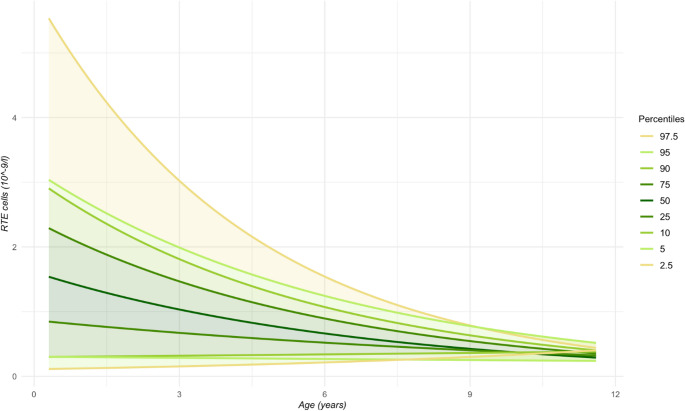 Figure 1
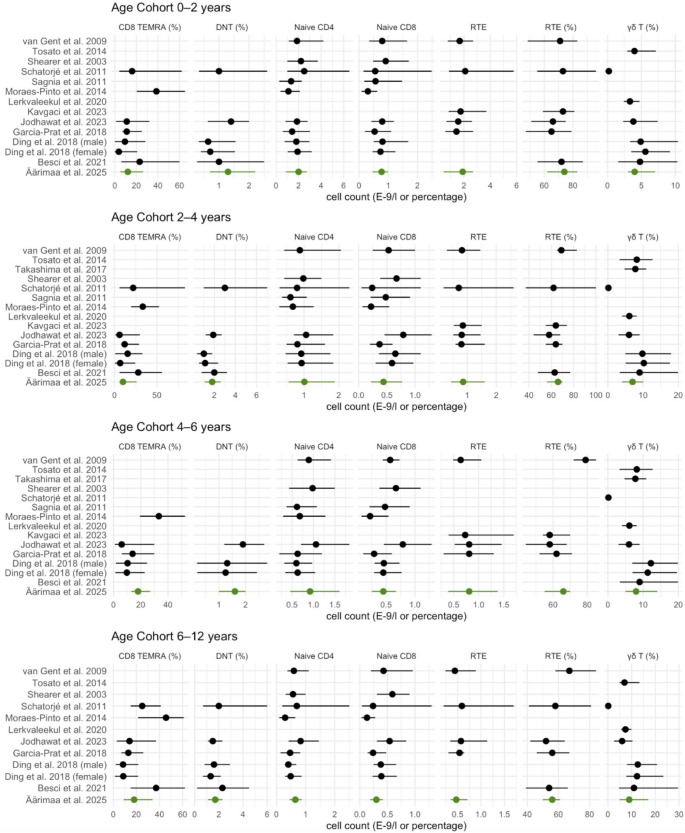 Figure 2
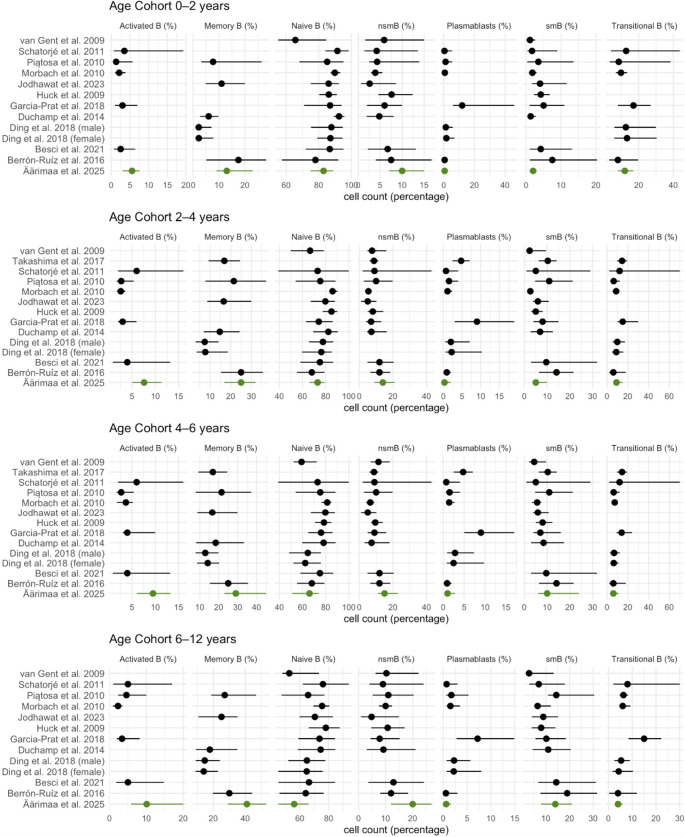 Figure 3
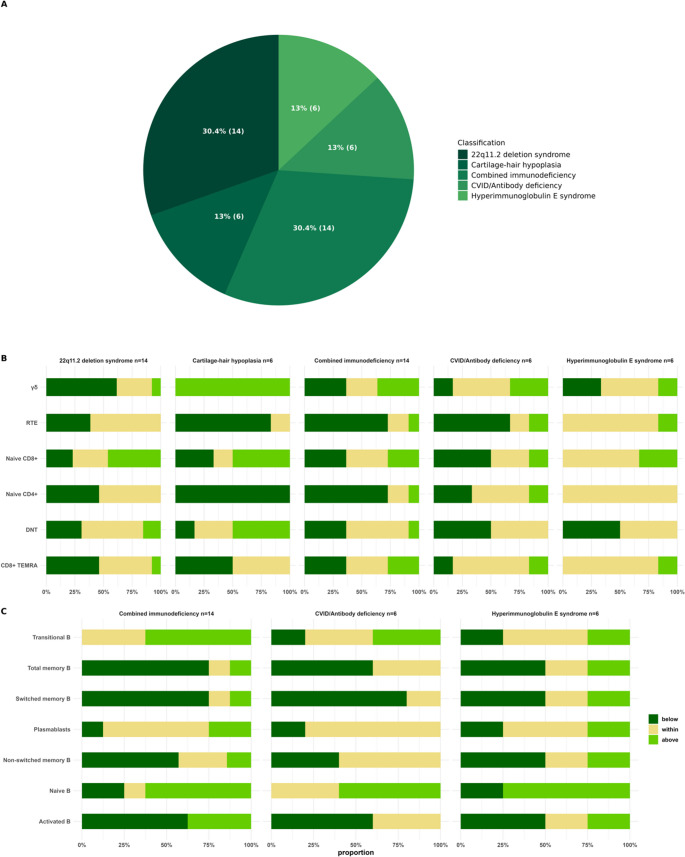 Figure 4
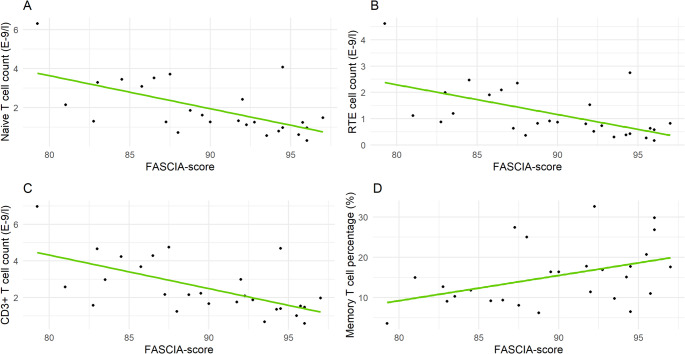 Figure 5
Peer Reviews
No public reviews on file for this paper yet. If you reviewed it on a platform where reviews are public (OpenReview, ICLR, NeurIPS, ICML), you can paste yours below so the community can read it here.
Videos
No videos yet. Explain this paper in a talk, walkthrough, or lecture? Add one.
Taxonomy
TopicsImmunodeficiency and Autoimmune Disorders · Blood disorders and treatments · Genomics and Rare Diseases