Sulforaphane-Loaded Hydrogel Prolongs Fully MHC-Mismatched Skin Allograft Survival
Lorena Doretto-Silva, Laura Quadros-Pereira, Anderson F. Sepulveda, Victor Y. Yariwake, José A. O. Nery-Neto, Eloisa M. da Silva, Isabela L. Doretto, Niels O. S. Câmara, Daniele R. de Araujo, Vinicius Andrade-Oliveira

TL;DR
A hydrogel containing sulforaphane, a compound from cruciferous vegetables, significantly prolonged skin graft survival in mice by reducing immune rejection.
Contribution
A thermosensitive hydrogel delivering sulforaphane was developed and shown to reduce immune cell activation and prolong allograft survival in a mouse model.
Findings
GS treatment reduced immune cell activation and delayed acute rejection in skin transplant mice.
Subcutaneous GS injections prolonged allograft survival to over 14 days in 80% of cases.
GS-treated dendritic cells showed reduced activation of costimulatory markers in vitro.
Abstract
Despite immunosuppression, acute rejection (AR) is still a common setback among transplantation patients and is a risk factor for graft survival. Sulforaphane (SFN), a phytochemical present in crucifers, has been shown to have anti-inflammatory and immunoregulatory properties, yet its influences on immune cell activation as well as in graft survival are still unknown. Thus, the aim was to evaluate SFN’s effect, and to improve efficacy, efficiency, and availability, it was incorporated into thermosensitive polymeric hydrogels, to prevent AR in skin transplant (Tx) model mice. A thermosensitive hydrogel containing SFN (0.1%) and hyaluronic acid (HA) (0.5%) dispersed in a poloxamer matrix (PL407 at 20% w/v) was developed (GS-PL407 20%, HA and SFN) and characterized as a liquid-viscous hydrogel. The fully MHC-incompatible skin Tx procedure was performed by using donor skin Balb/c mice,…
Genes, proteins, chemicals, diseases, species, mutations and cell lines named across the full text — each resolved to its canonical identifier and authoritative record.
Click any figure to enlarge with its caption.
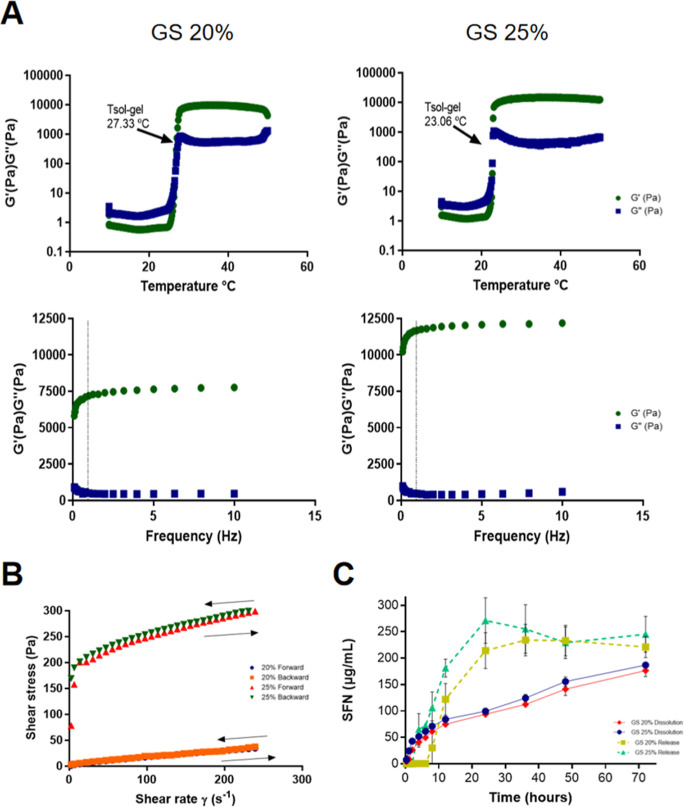 Figure 1
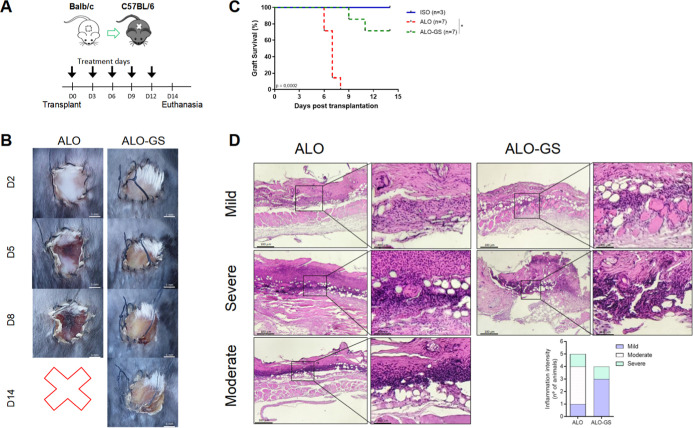 Figure 2
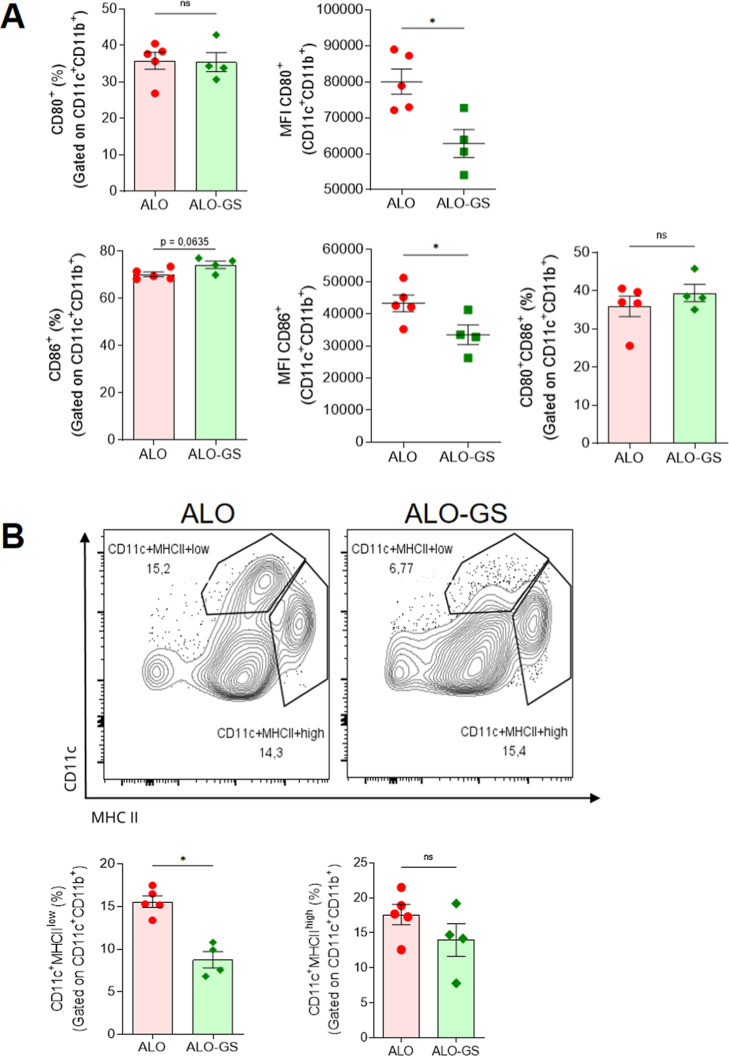 Figure 3
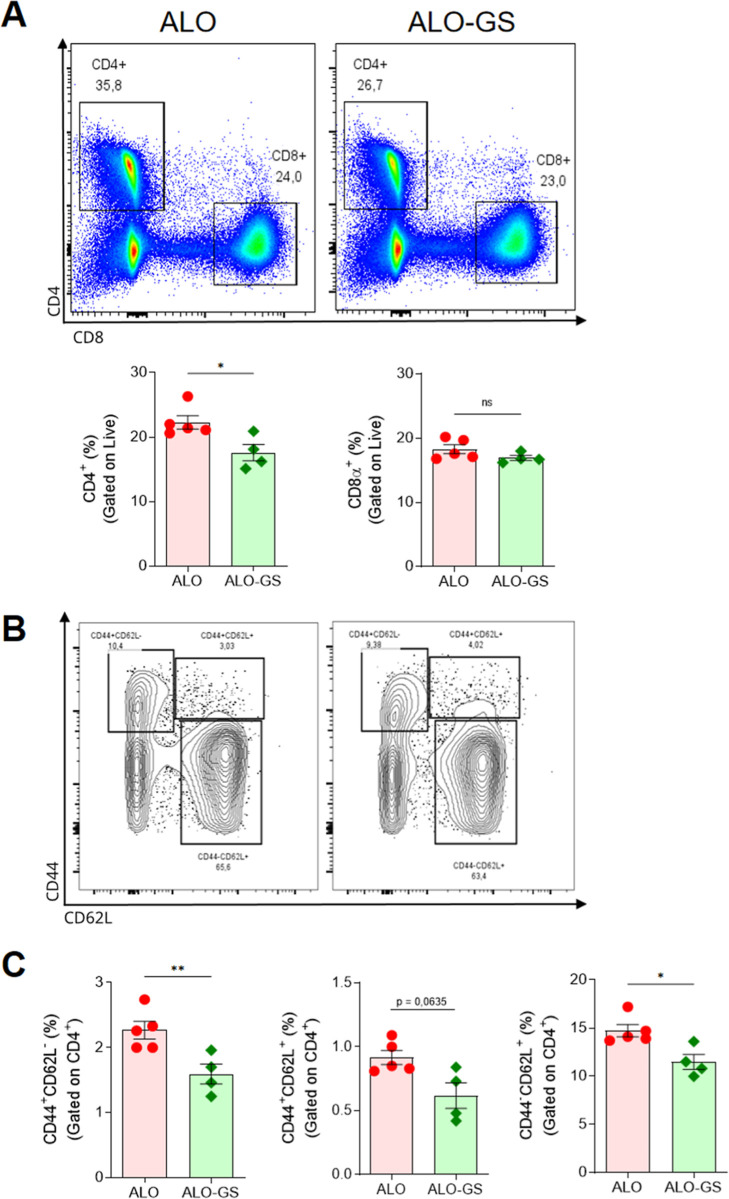 Figure 4
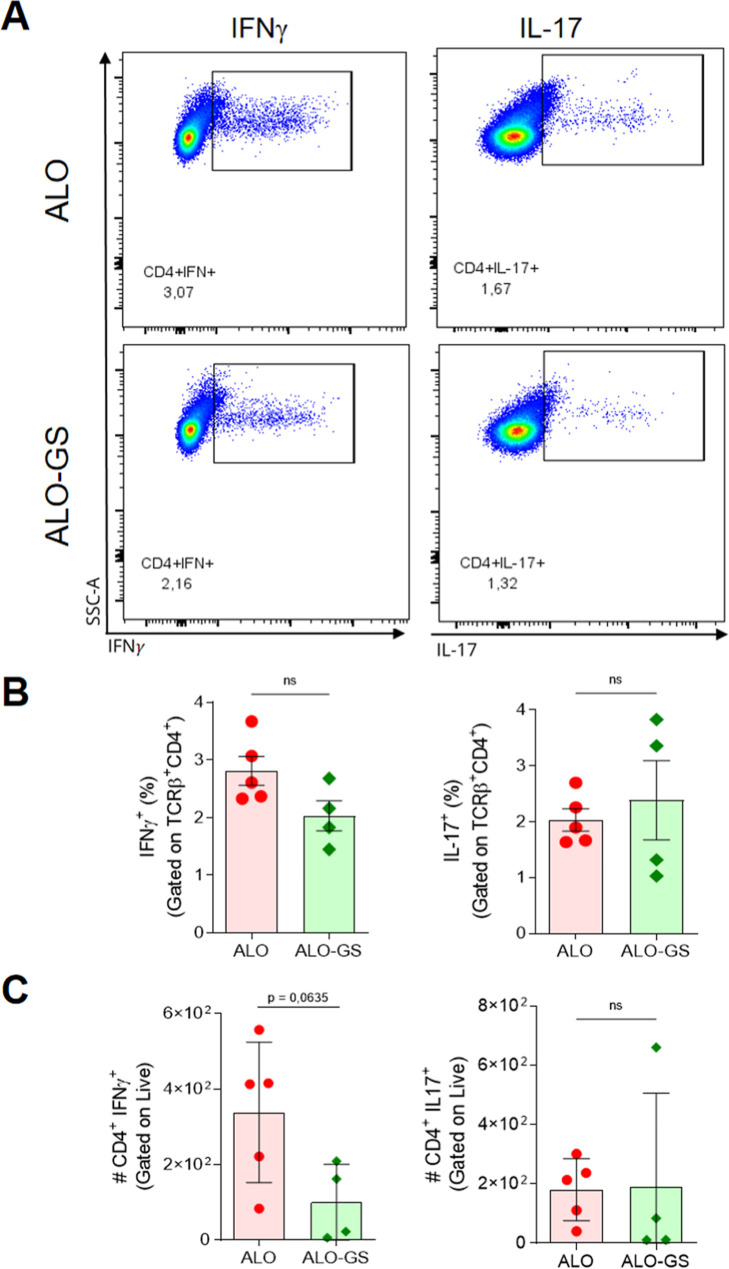 Figure 5
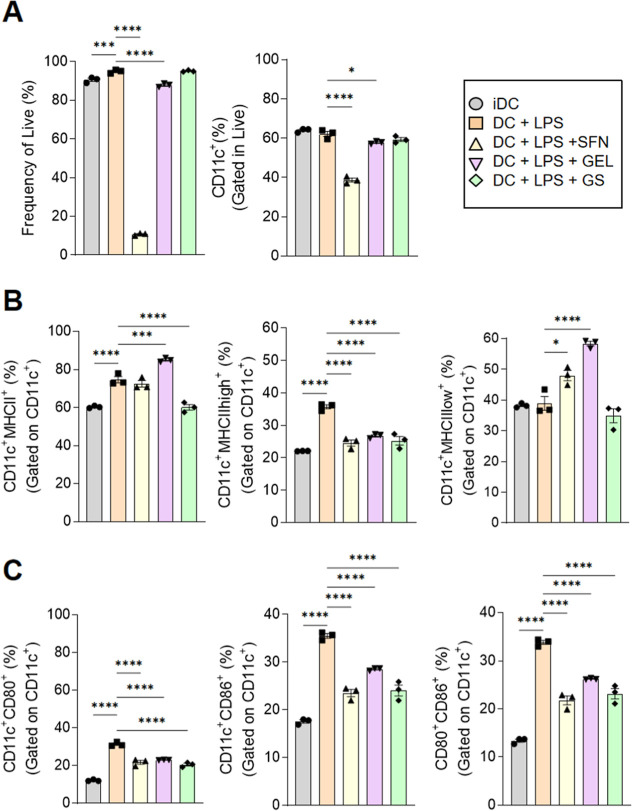 Figure 6
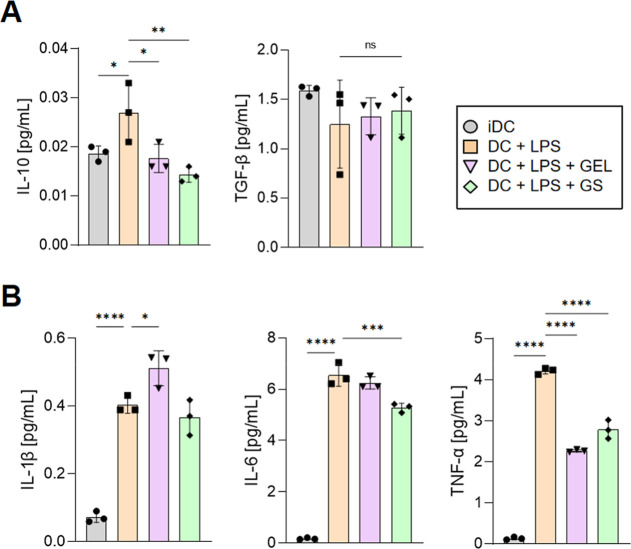 Figure 7
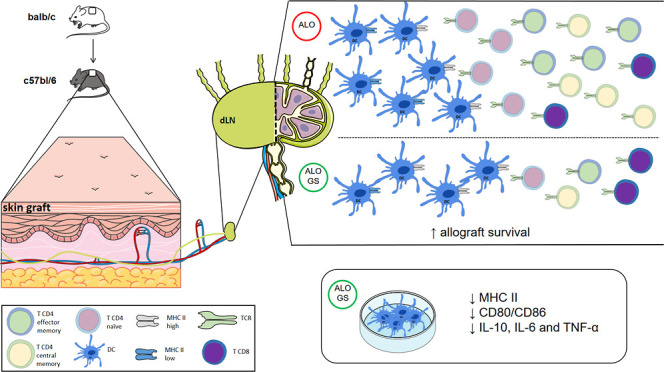 Figure 8
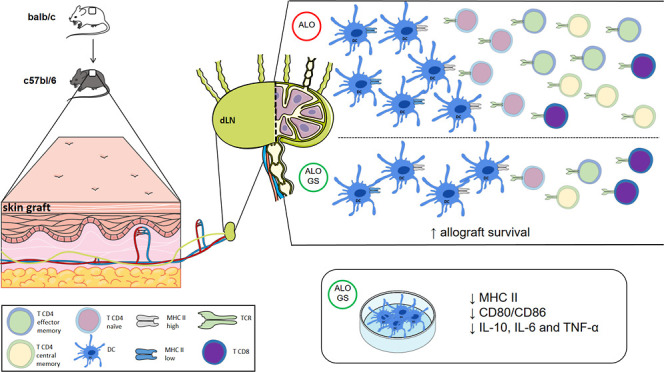 Figure 9
Peer Reviews
No public reviews on file for this paper yet. If you reviewed it on a platform where reviews are public (OpenReview, ICLR, NeurIPS, ICML), you can paste yours below so the community can read it here.
Videos
No videos yet. Explain this paper in a talk, walkthrough, or lecture? Add one.
Taxonomy
TopicsGenomics, phytochemicals, and oxidative stress · Garlic and Onion Studies · Mast cells and histamine