Structural Instability of Human Serum Albumin during Microparticles Synthesis
Elisa Fardelli, Giovanna De Simone, Radostina Georgieva, Yu Xiong, Michael Di Gioacchino, Simone Sotgiu, Alessandro Nucara, Angelo Tavella, Leonetta Baldassarre, Armida Sodo, Agnese Ricci, Tecla Gasperi, Paolo Ascenzi, Hans Bäumler, Alessandra di Masi, Giovanni Capellini

TL;DR
Human serum albumin microparticles are structurally stable but lose some protein function, which could be useful for controlled drug delivery.
Contribution
The study reveals structural changes in human serum albumin during microparticle synthesis that affect its binding properties.
Findings
Microparticles made from human serum albumin are mechanically robust but undergo structural changes during agglomeration.
The protein's secondary structure shifts from α-helices to β-sheets, reducing its binding capability for molecules like hemin.
Reduced binding on the microparticle surface prevents unwanted ligand interactions, which could be beneficial for targeted drug delivery.
Abstract
Human serum albumin, the most abundant plasma protein, plays vital roles in maintaining oncotic pressure, modulates drugs pharmacokinetics and pharmacodynamics, and features antioxidant and enzyme-like properties. This protein also exhibits high-affinity binding to a wide range of endogenous and exogenous molecules. Combined with its excellent solubility, biocompatibility, biodegradability, low toxicity, and nonimmunogenicity, these properties make human serum albumin an attractive platform for biomedical applications, particularly in drug delivery. This study reports a detailed physicochemical characterization of human serum albumin microparticles obtained via the coprecipitation-cross-linking-dissolution method. The resulting submicron particles are peanut-shaped, exhibit uniform morphology, and show robust mechanical properties, including high stiffness and colloidal stability.…
Genes, proteins, chemicals, diseases, species, mutations and cell lines named across the full text — each resolved to its canonical identifier and authoritative record.
Click any figure to enlarge with its caption.
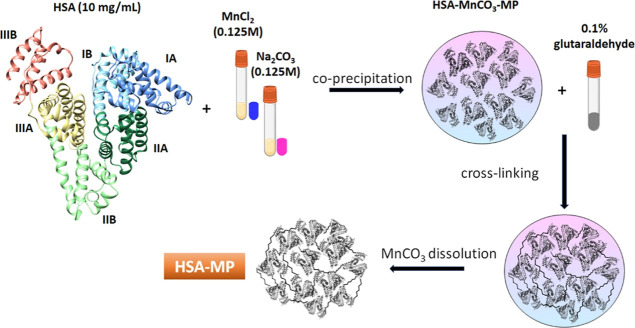 Figure 1
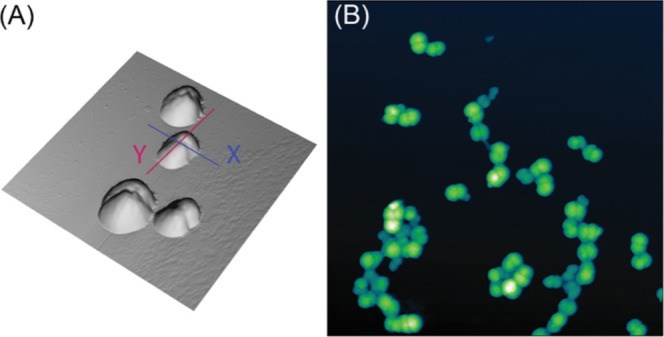 Figure 2
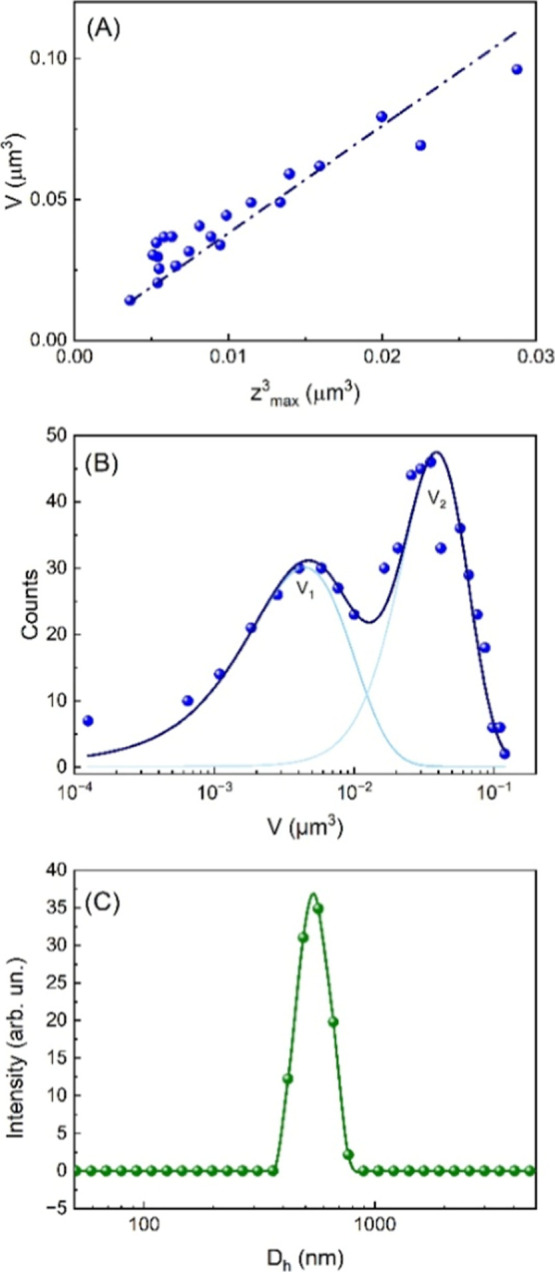 Figure 3
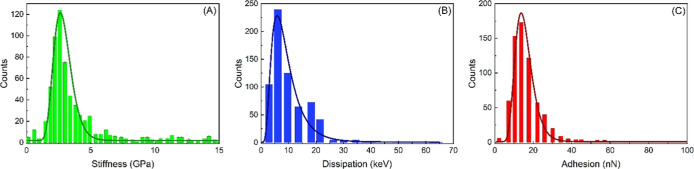 Figure 4
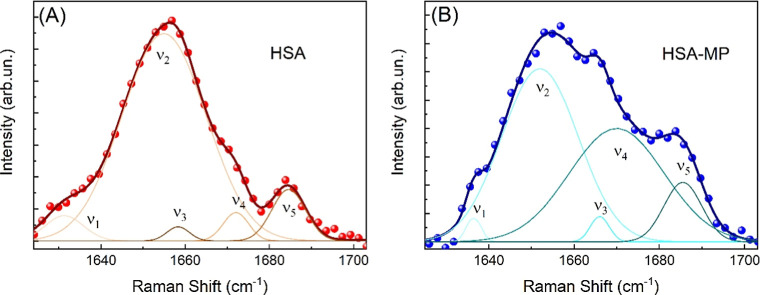 Figure 5
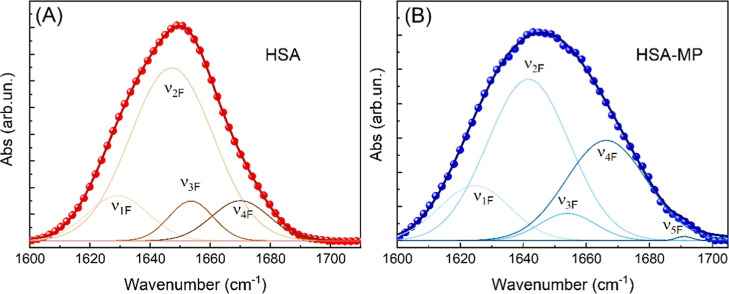 Figure 6
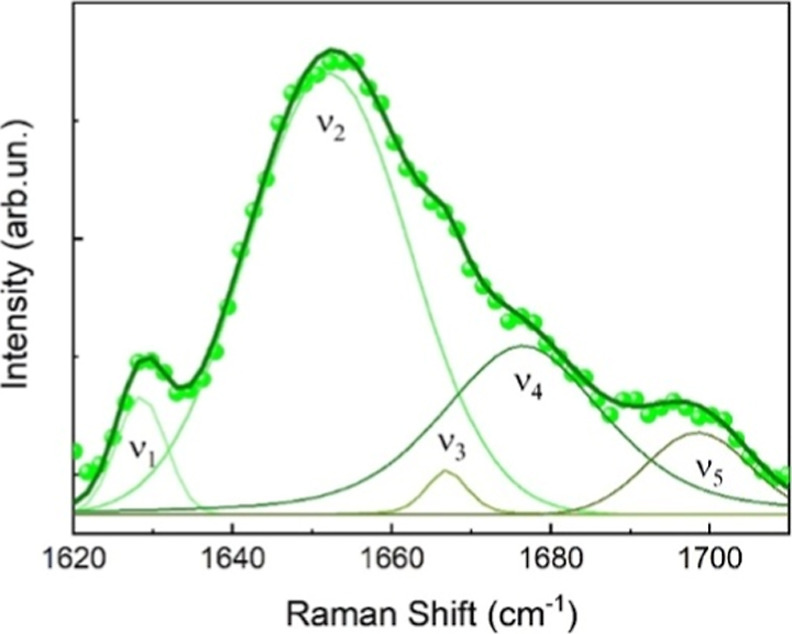 Figure 7
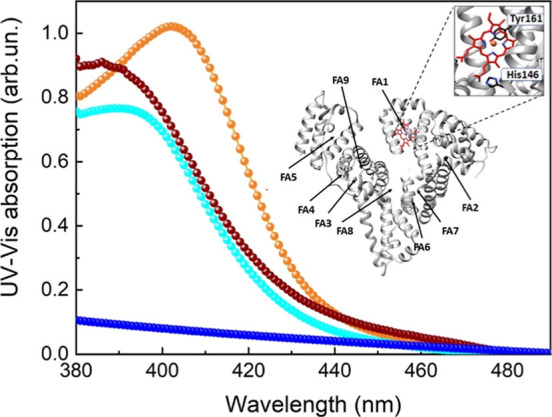 Figure 8
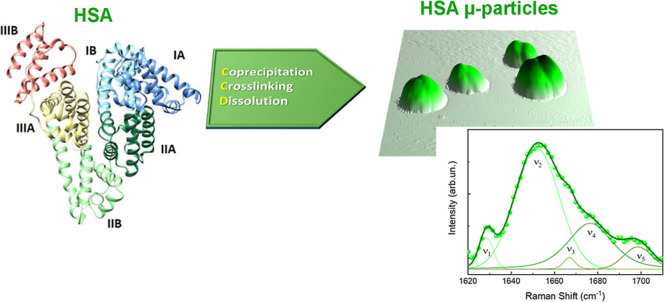 Figure 9
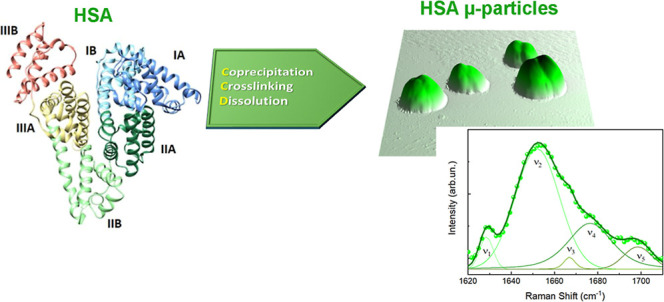 Figure 10
 Figure 11
Peer Reviews
No public reviews on file for this paper yet. If you reviewed it on a platform where reviews are public (OpenReview, ICLR, NeurIPS, ICML), you can paste yours below so the community can read it here.
Videos
No videos yet. Explain this paper in a talk, walkthrough, or lecture? Add one.
Taxonomy
TopicsProtein Interaction Studies and Fluorescence Analysis · Protein purification and stability · Proteins in Food Systems