SARS-CoV-2 reshapes m6A methylation in long noncoding RNAs of human lung cells
Cristina M Peter, Caio O Cyrino, Nilmar S Moretti, Fernando Antoneli, Marcelo R S Briones

TL;DR
This study shows that SARS-CoV-2 infection increases m6A methylation in certain long noncoding RNAs in human lung cells, potentially affecting immune responses.
Contribution
The paper introduces new insights into m6A methylation changes in lncRNAs during SARS-CoV-2 infection using machine learning analysis.
Findings
SARS-CoV-2 infection leads to increased m6A levels in 10 antiviral lncRNAs.
UCA1, GAS5, and NORAD show significant m6A changes, possibly affecting interferon signaling.
Methylated motifs in lncRNAs may destabilize structures and alter interactions.
Abstract
N6-Methyladenosine (m6A) is a key base modification that regulates RNA stability and translation during viral infection. While m6A methylation of host mRNAs has been studied in SARS-CoV-2-infected cells, its role in long noncoding RNAs (lncRNAs) is unknown. Here, we analyzed direct RNA sequencing (dRNA-seq) data from infected human lung cells (Calu-3) using a machine learning m6A detection framework. We observed a global increase in m6A levels across 10 antiviral response–associated lncRNAs, with UCA1, GAS5, and NORAD—regulators of interferon (IFN) signaling—showing the most pronounced changes. This might, in part, explain the attenuated IFN expression observed in infected cells. We identified methylated DRACH motifs in predicted lncRNA duplex-forming regions, which may favor Hoogsteen base-pairing, which destabilize secondary structures and target interaction sites. These results…
Genes, proteins, chemicals, diseases, species, mutations and cell lines named across the full text — each resolved to its canonical identifier and authoritative record.
Click any figure to enlarge with its caption.
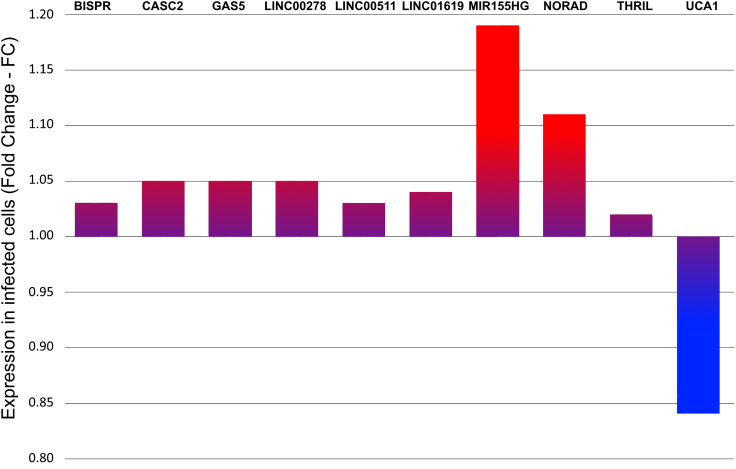 Figure 1
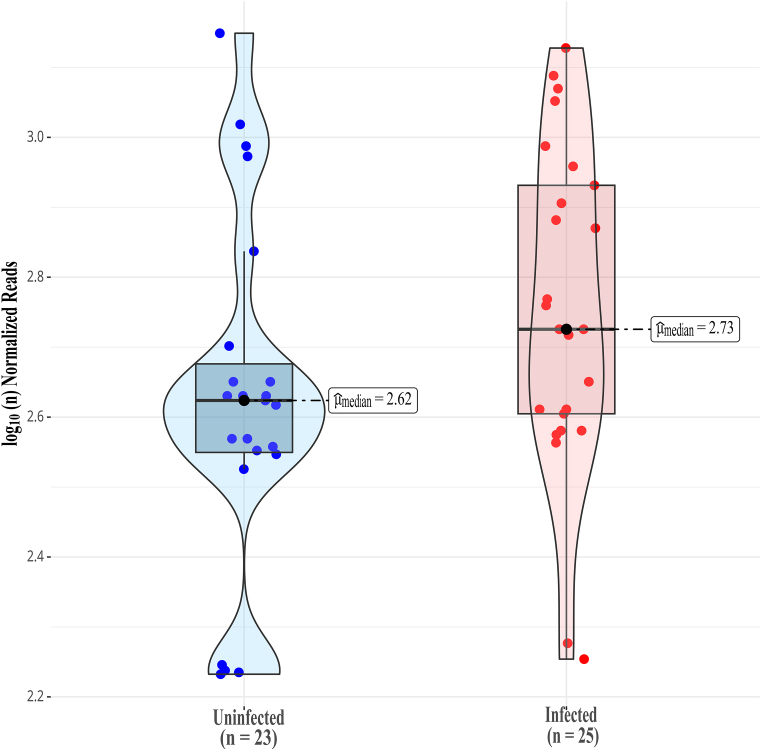 Figure 2
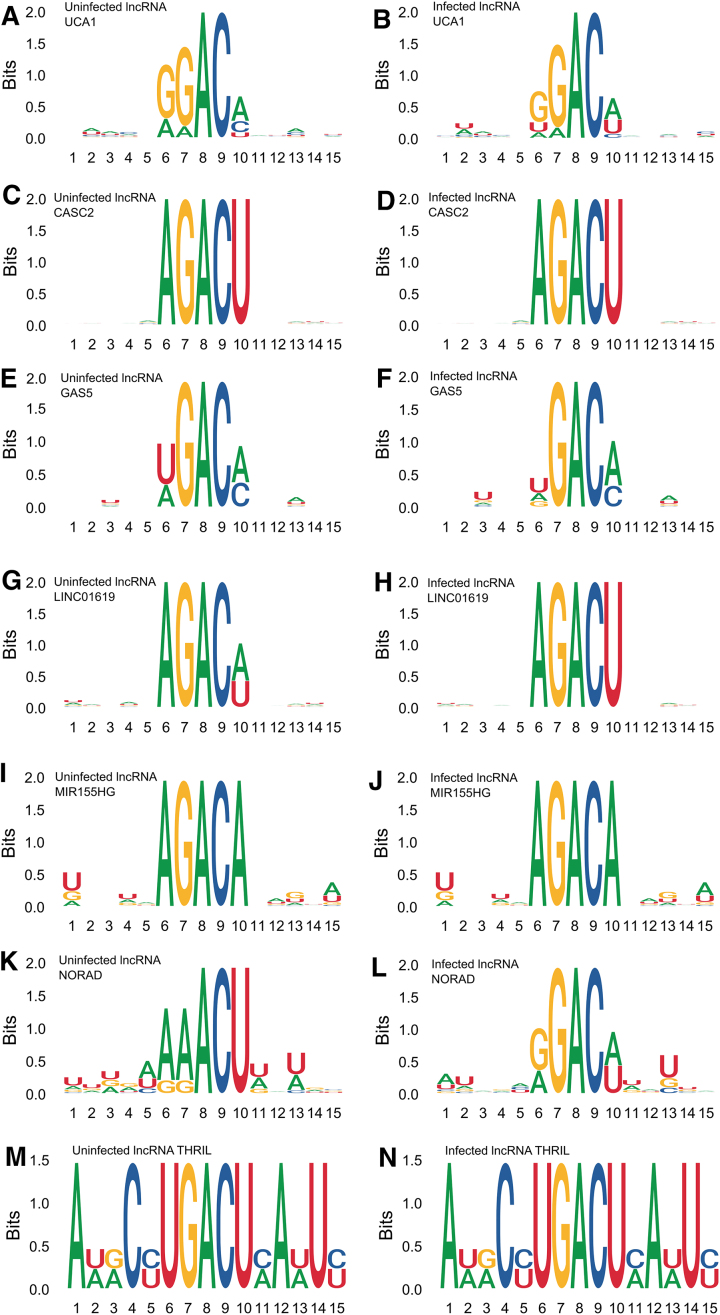 Figure 3
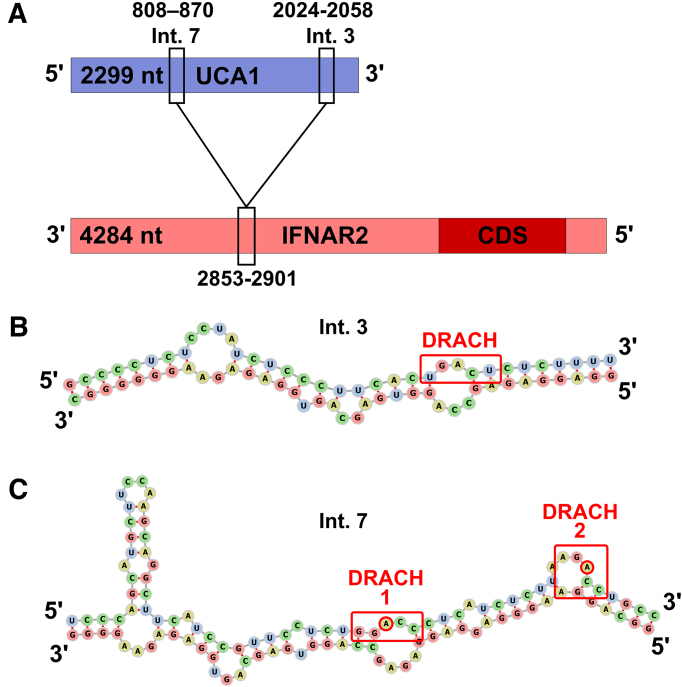 Figure 4
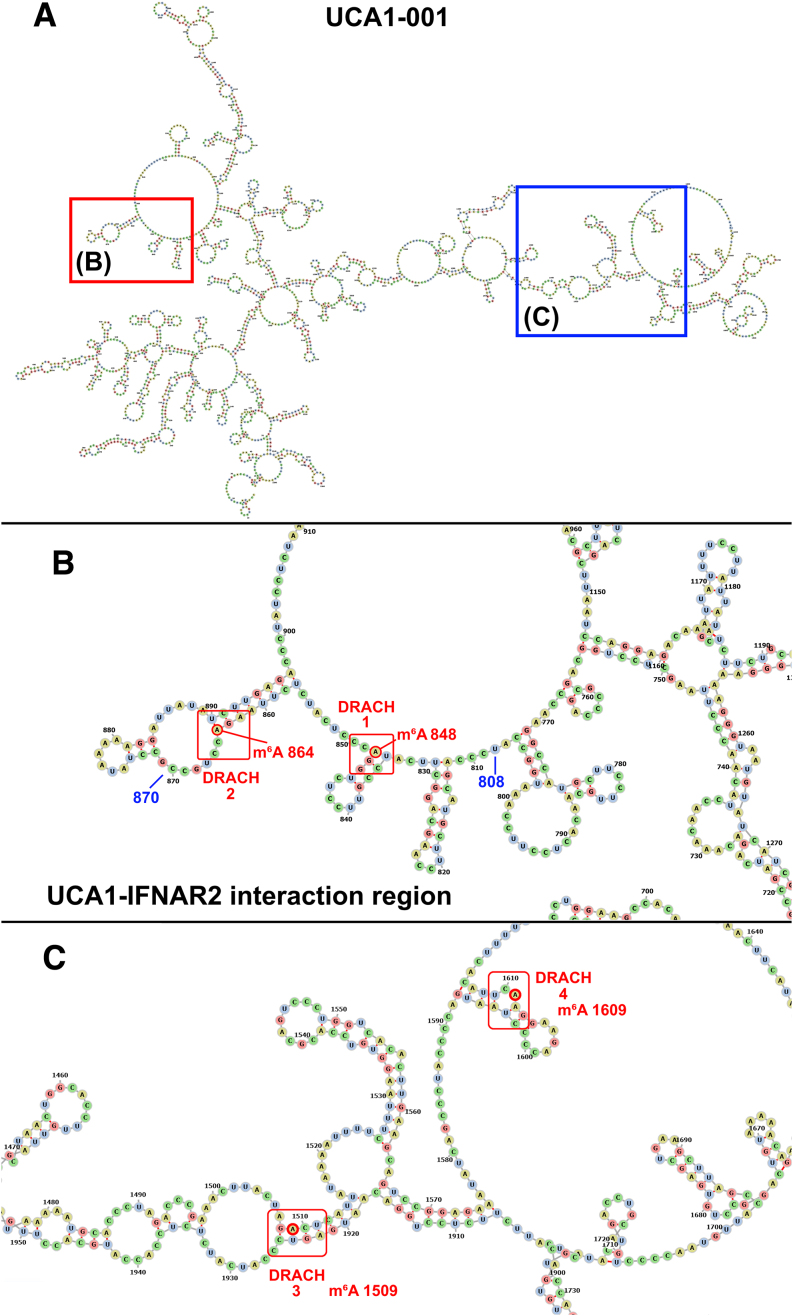 Figure 5
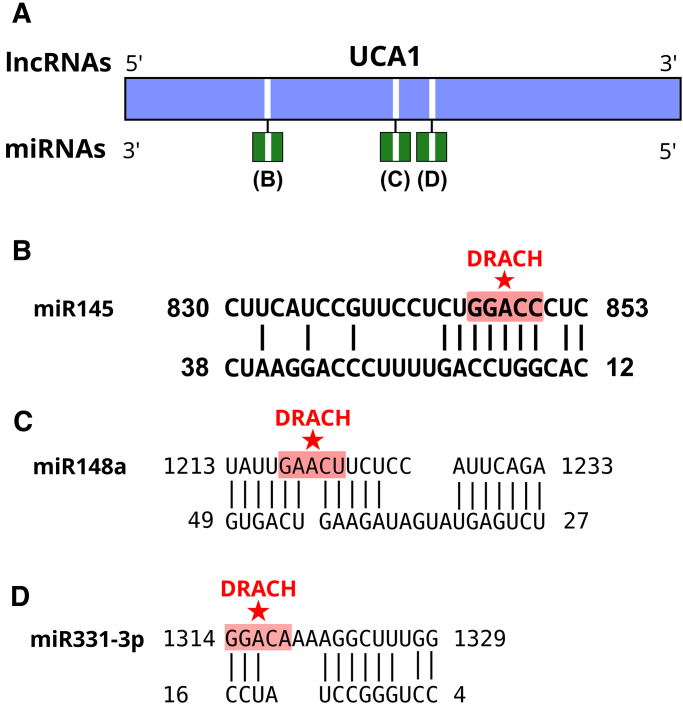 Figure 6
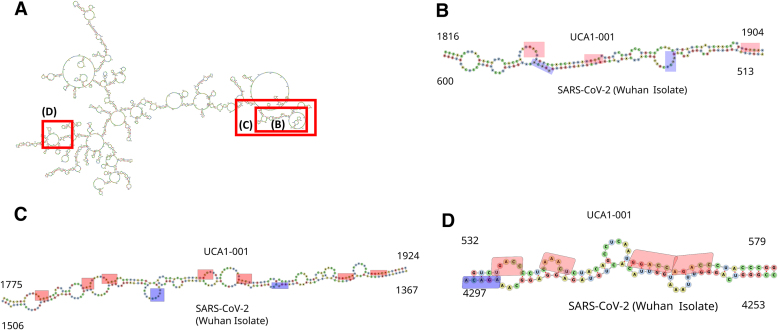 Figure 7
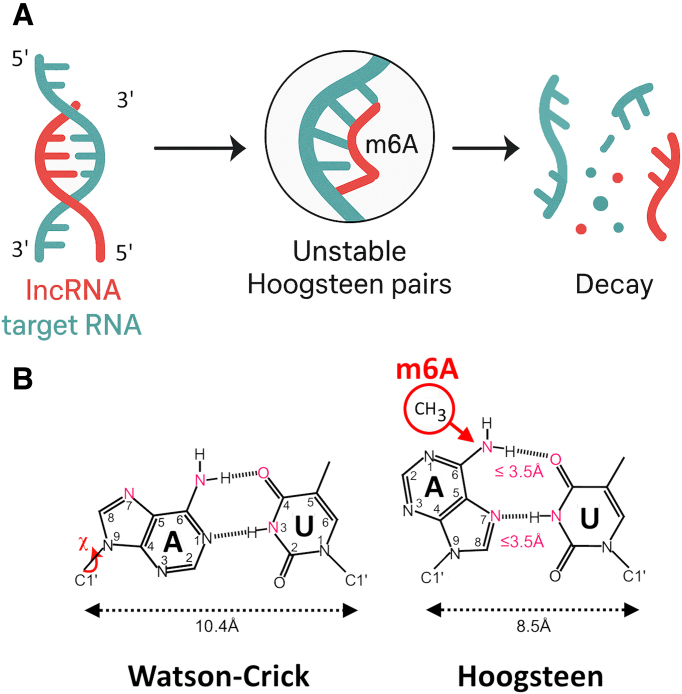 Figure 8
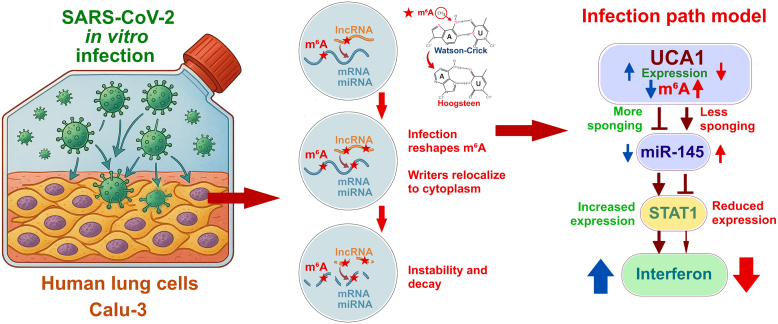 Figure 9
Peer Reviews
No public reviews on file for this paper yet. If you reviewed it on a platform where reviews are public (OpenReview, ICLR, NeurIPS, ICML), you can paste yours below so the community can read it here.
Videos
No videos yet. Explain this paper in a talk, walkthrough, or lecture? Add one.
Taxonomy
TopicsRNA modifications and cancer · Cancer-related molecular mechanisms research · Cancer-related gene regulation