Intravenously injected hPSC-derived pericytes for Alzheimer disease: Neuroprotection and vascular repair via extracellular vesicles
Ying Liu, Zhiyuan Ning, Qingyuan Dai, Xinkai Zhang, Yibin Xiao, Zhan Zhang, Daji Guo, Junhua Chen, Yi Li, Weiqiang Li, Songhua Xiao, Yamei Tang

TL;DR
Injecting pericytes from stem cells helps treat Alzheimer's by improving memory and reducing brain damage through their tiny vesicles.
Contribution
The study shows that extracellular vesicles from hPSC-derived pericytes can treat Alzheimer's by reducing amyloid and repairing the brain's blood vessels.
Findings
Intravenous hPSC-CNC PCs improved memory and reduced β-amyloid in AD mice.
EVs from hPSC-CNC PCs repaired the blood-brain barrier and enhanced neurovascular function.
miRNA-486-5p in EVs may promote neurovascular repair through multiple mechanisms.
Abstract
Intravenously injected human pluripotent stem cell (hPSC)-derived pericytes (PCs) and their extracellular vesicles (EVs) represent promising therapeutic strategies for neurological diseases. Our study aimed to investigate the effects and mechanisms of intravenous transplantation for treating Alzheimer disease (AD), with a focus on elucidating the critical role of EV-related mechanisms. We generated PCs (hPSC-CNC PCs) from hPSC-derived cranial neural crest (CNC) and employed 12-month-old 5xFAD mice as an advanced stage AD model. We investigated memory function, intracerebral β-amyloid (Aβ) deposition, blood-brain barrier (BBB) permeability, neuronal morphology, and associated protein expressions in mice to determine the therapeutic effects of intravenous administration of hPSC-CNC PCs or EVs. miRNA sequencing was conducted to identify potential downstream pathways. We found that…
Genes, proteins, chemicals, diseases, species, mutations and cell lines named across the full text — each resolved to its canonical identifier and authoritative record.
Click any figure to enlarge with its caption.
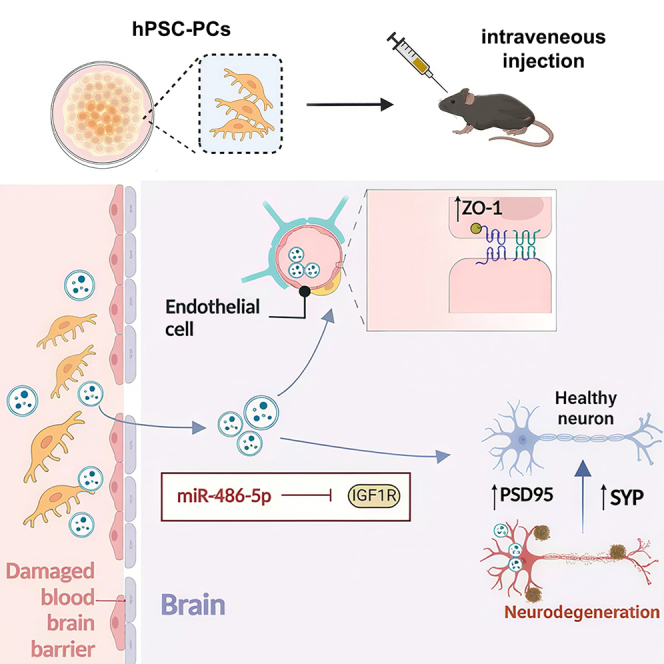 Figure 1
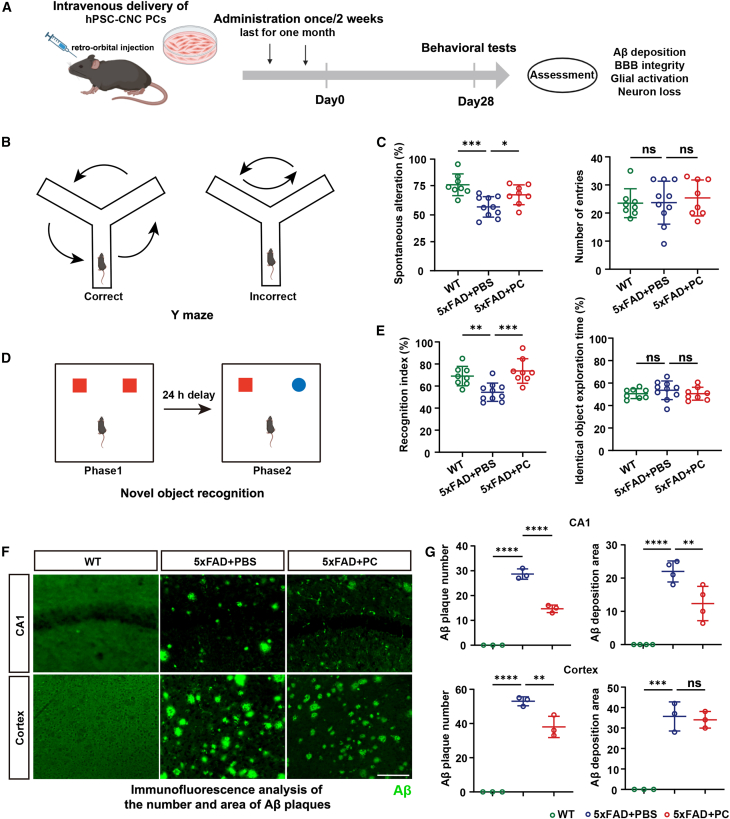 Figure 2
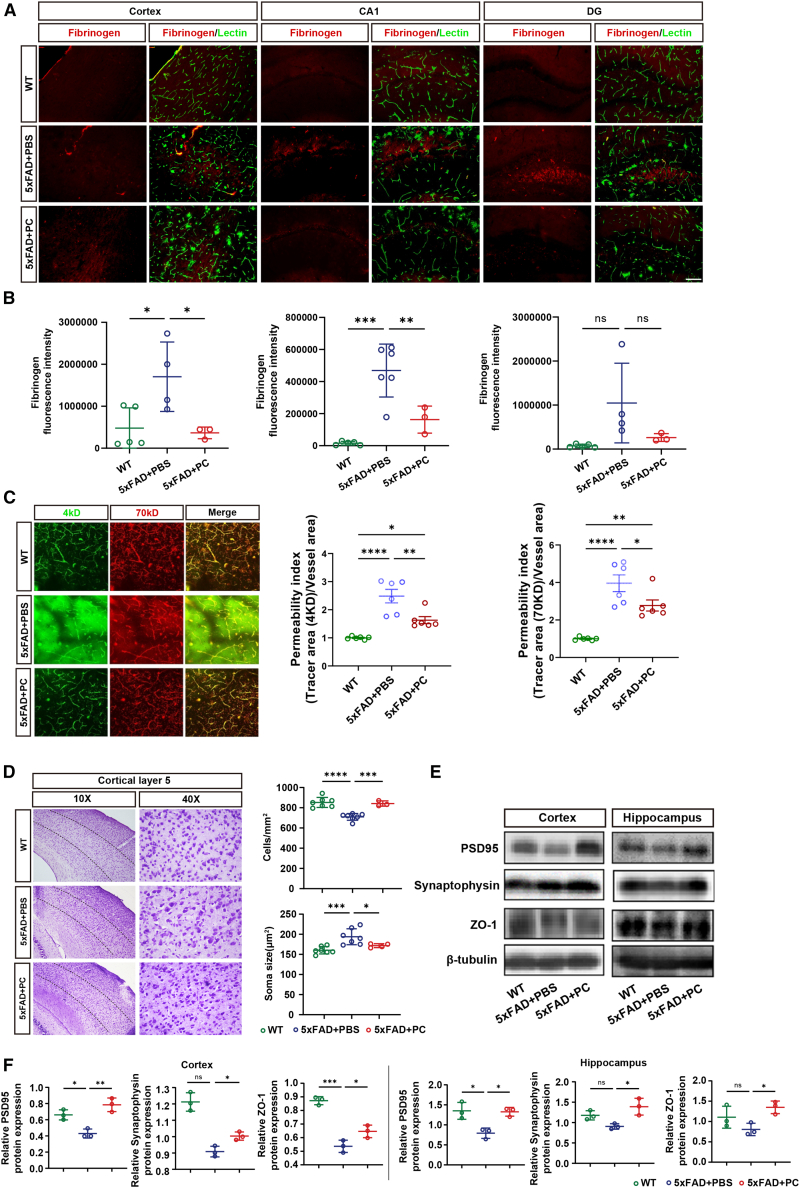 Figure 3
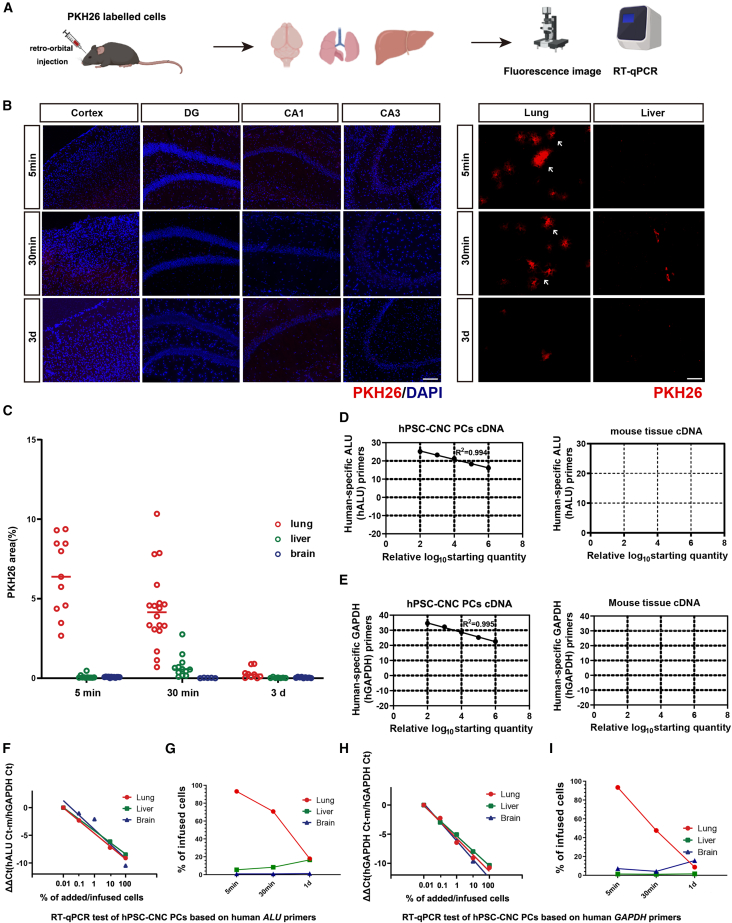 Figure 4
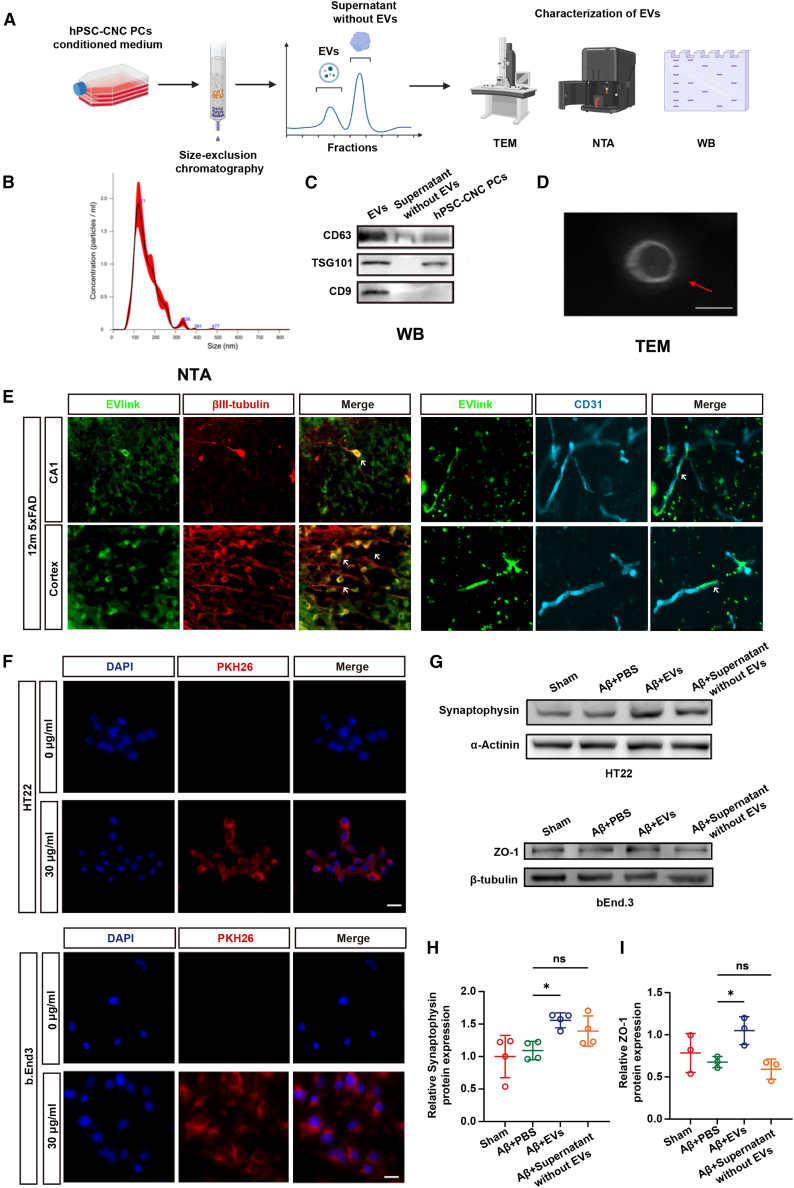 Figure 5
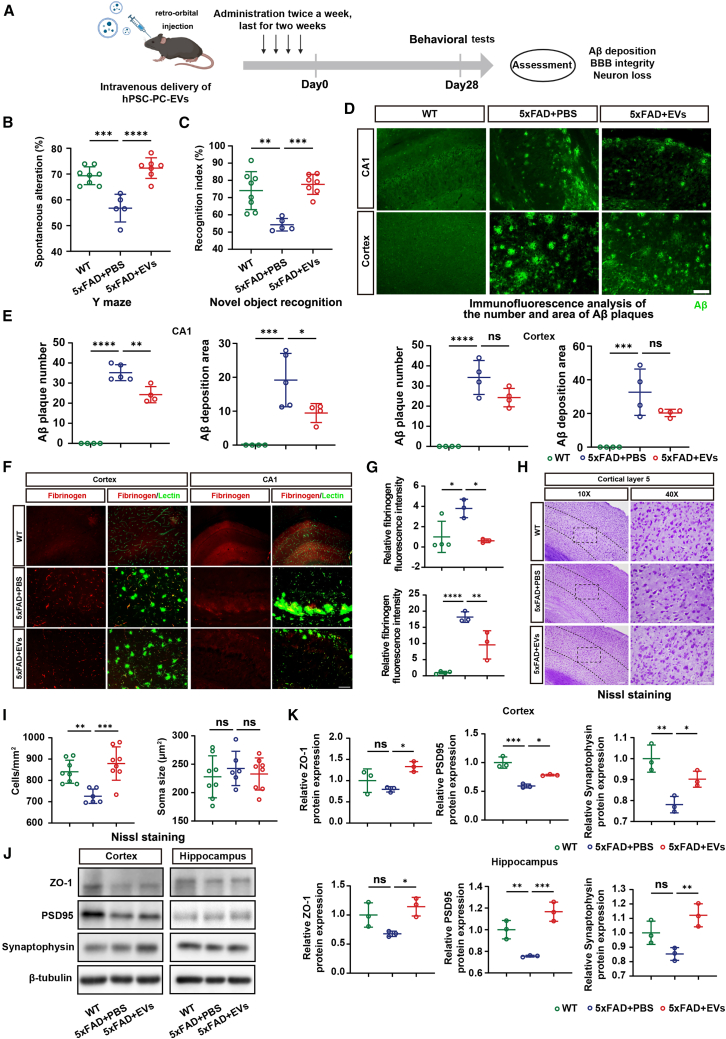 Figure 6
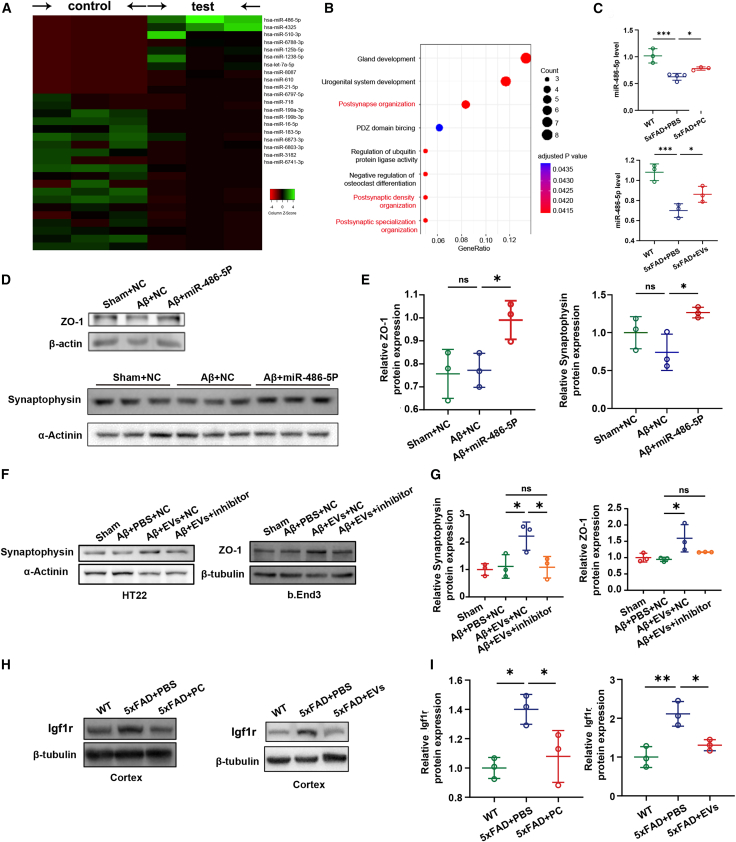 Figure 7
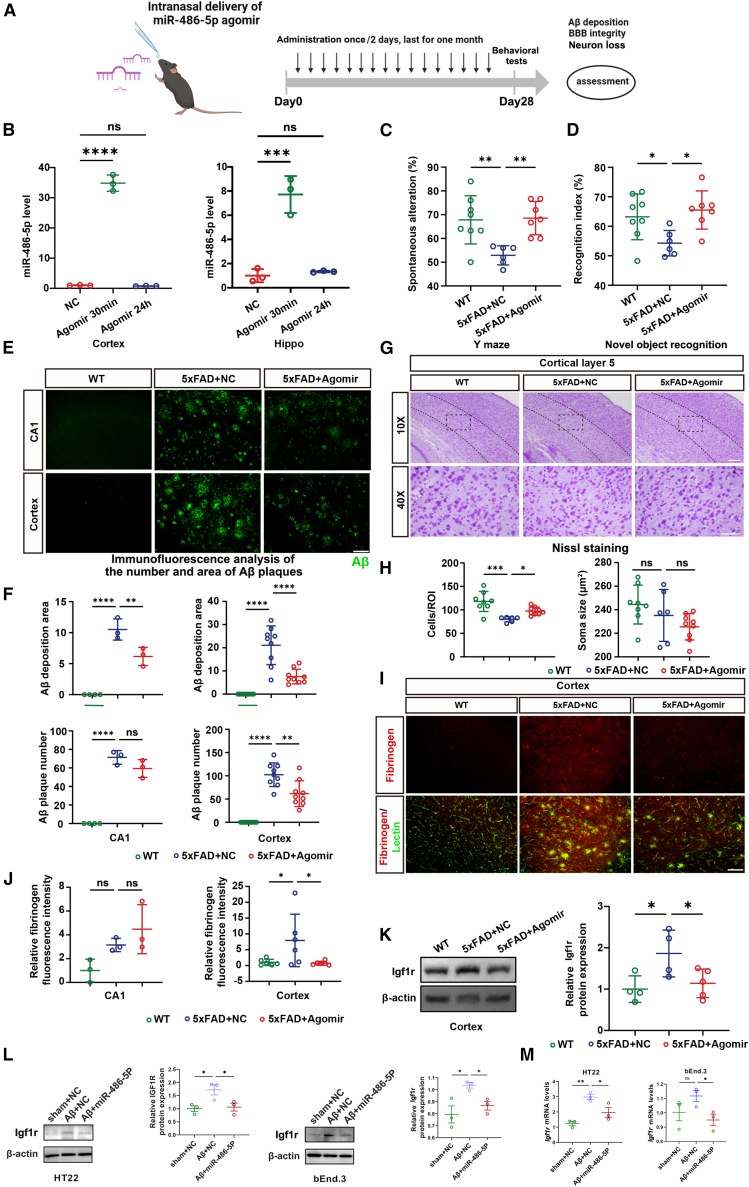 Figure 8
Peer Reviews
No public reviews on file for this paper yet. If you reviewed it on a platform where reviews are public (OpenReview, ICLR, NeurIPS, ICML), you can paste yours below so the community can read it here.
Videos
No videos yet. Explain this paper in a talk, walkthrough, or lecture? Add one.
Taxonomy
TopicsExtracellular vesicles in disease · Nanoparticle-Based Drug Delivery · Graphene and Nanomaterials Applications