Comparison of the Full Outline of UnResponsiveness Score and Glasgow Coma Scale in Predicting Endotracheal Intubation, Hospital Length of Stay, and Mortality Among Patients With Non-traumatic Altered Mental Status in the Emergency Department
Mohammad Ghaleb Abbas, Ameer Ayad Jawad Al-Musawi, Abdulillah R Khamees, Ghaith M Taha, Rafal Abdulamir Abdullah Almaulla, Omer Faris Nawar, Sama Jamal Baqer, Saja Jaafar Abotaleb, Abdullah Muhanned Isam, Athraa S Ahmed

TL;DR
This study compares two tools for assessing patients with altered mental status in the emergency department and finds that the FOUR score is more accurate than the Glasgow Coma Scale.
Contribution
The study is the first to compare the predictive performance of FOUR and GCS scores in non-traumatic altered mental status patients.
Findings
The FOUR score showed higher accuracy than the GCS in predicting in-hospital mortality.
The FOUR score outperformed the GCS in predicting endotracheal intubation needs.
The FOUR score had better predictive value for hospital length of stay compared to the GCS.
Abstract
Introduction: The Glasgow Coma Scale (GCS) is a commonly used assessment tool; however, it has recognized limitations, particularly in patients who are intubated or have aphasia. The Full Outline of UnResponsiveness (FOUR) score was created to tackle these limitations. It has been studied mainly in the trauma and neuroscience setting; to our knowledge, this is the first study to compare the predictive performance of GCS and FOUR scores for endotracheal intubation and length of hospital stay in non-traumatic altered mental status patients in the emergency department (ED). Methods: A prospective cohort study was conducted among adult patients from May 2024 to July 2025. The area under the receiver operating characteristic (AUROC) curve was used to evaluate and compare the predictive accuracy of the GCS and FOUR scores in predicting outcomes. Results: A total of 240 patients were…
Genes, proteins, chemicals, diseases, species, mutations and cell lines named across the full text — each resolved to its canonical identifier and authoritative record.
Click any figure to enlarge with its caption.
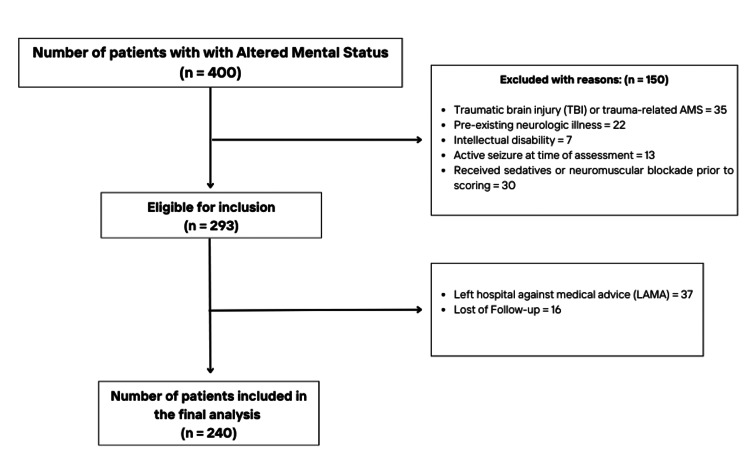 Figure 1
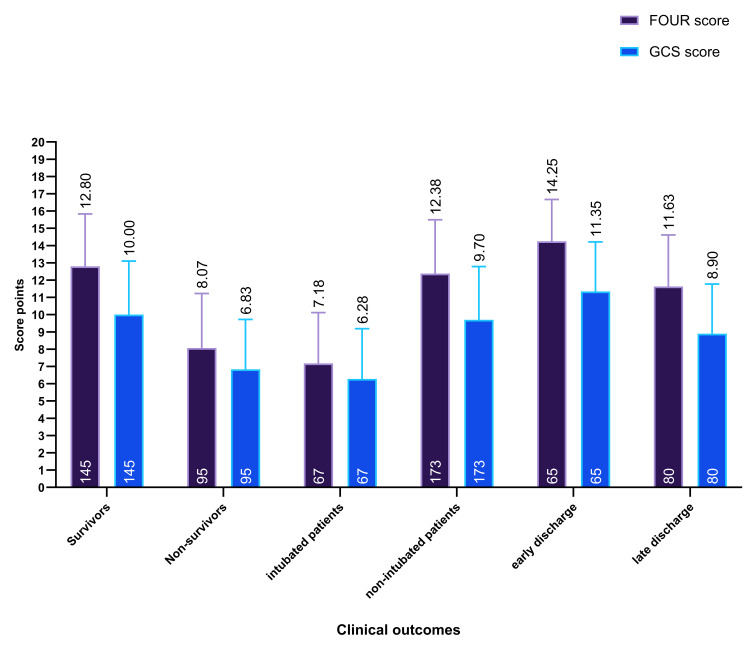 Figure 2
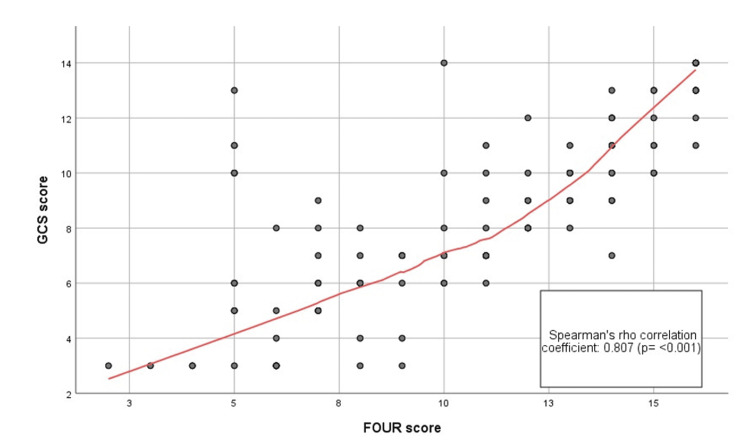 Figure 3
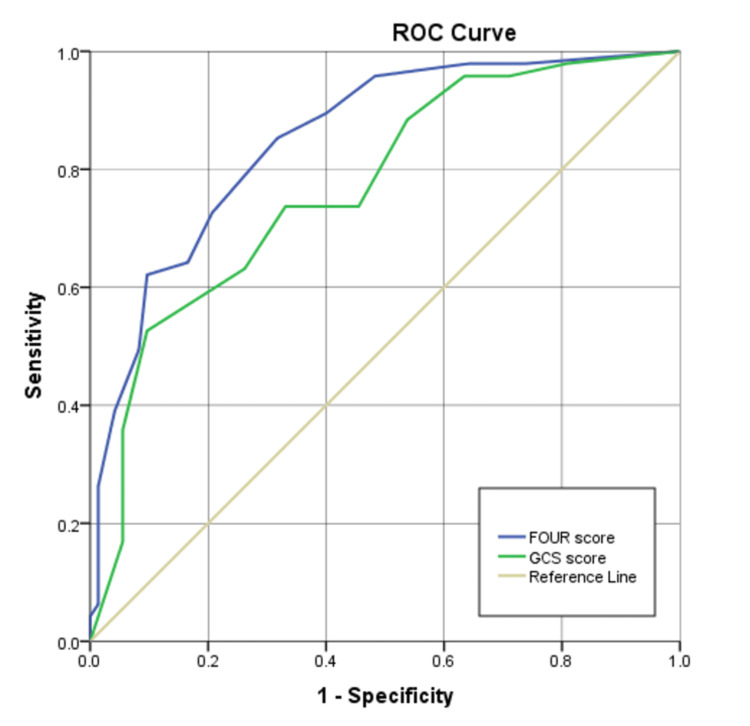 Figure 4
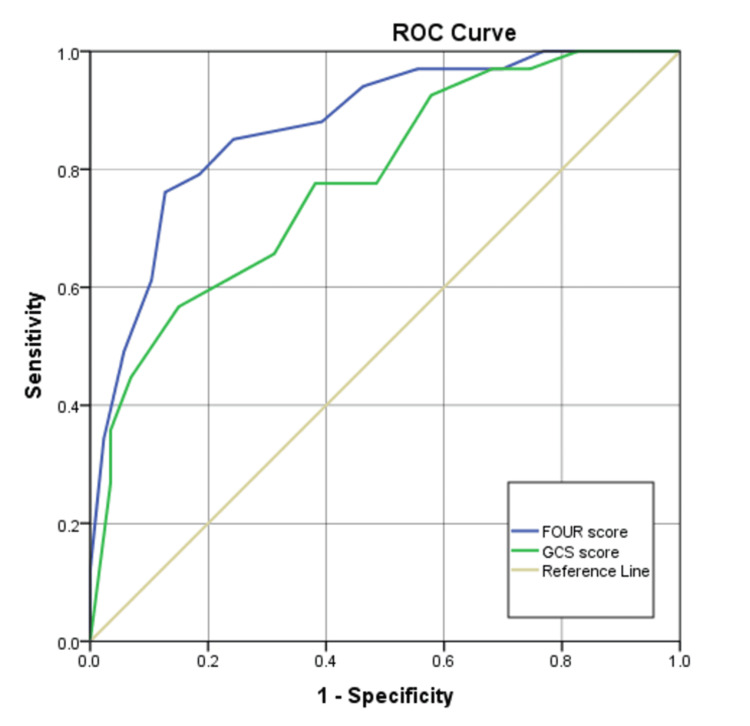 Figure 5
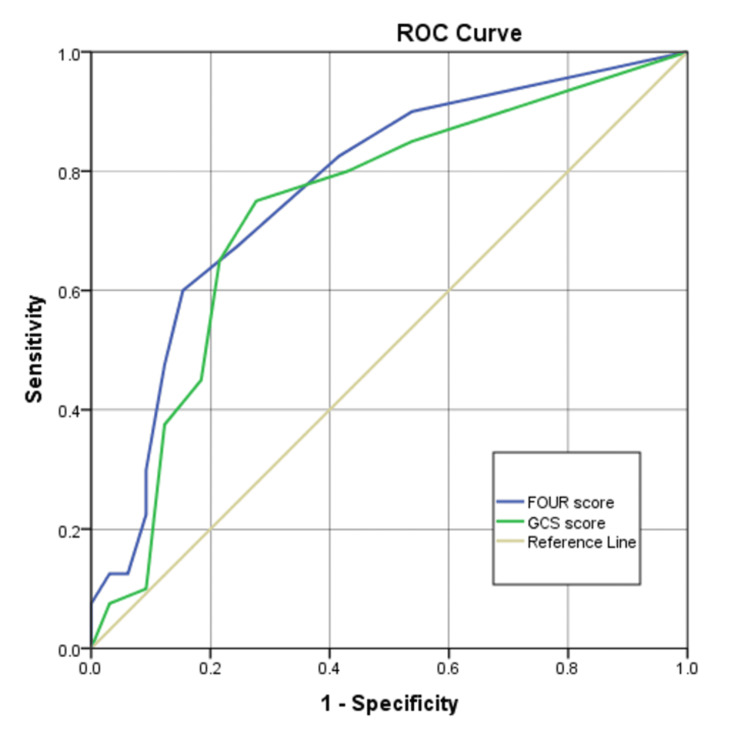 Figure 6
Peer Reviews
No public reviews on file for this paper yet. If you reviewed it on a platform where reviews are public (OpenReview, ICLR, NeurIPS, ICML), you can paste yours below so the community can read it here.
Videos
No videos yet. Explain this paper in a talk, walkthrough, or lecture? Add one.
Taxonomy
TopicsEmergency and Acute Care Studies · Intensive Care Unit Cognitive Disorders · Traumatic Brain Injury and Neurovascular Disturbances