The chimeric aptamer axl-miR-214sponge inhibits breast cancer and melanoma dissemination
Lorena Quirico, Sabrina Rizzolio, Sofia Bertone, Priscila D.R. Cirillo, Aurora Savino, Nicoletta Vitale, Silvia Catuogno, Carla L. Esposito, Michael B. Stadler, Paola Defilippi, Vittorio de Franciscis, Francesca Orso, Daniela Taverna

TL;DR
A new chimeric aptamer called axl-miR-214sponge was shown to block the spread of breast cancer and melanoma in mice without causing toxicity.
Contribution
The development and testing of a novel chimeric aptamer that targets both miR-214 and the AXL receptor to inhibit cancer metastasis.
Findings
Axl-miR-214sponge reduced migration, invasion, and transendothelial migration in axl-positive cancer cells.
Systemic administration of axl-miR-214sponge reduced cancer dissemination in mice without toxicity.
The treatment increased levels of TFAP2C and ITGA3 while decreasing ALCAM expression in cancer cells.
Abstract
MicroRNAs (miRNAs) are often deregulated in cancer. We previously showed that inhibition of the pro-metastatic miR-214 strongly impairs tumor dissemination. We recently developed a chimeric aptamer, axl-miR-214sponge, including an oligonucleotide sequence able to inhibit miR-214 (miR-214sponge) linked to GL21.T (axl), an aptamer that binds specifically to axl, an oncogenic tyrosine kinase receptor abundantly expressed on various malignant melanoma and breast cancer cells. When axl-positive but not axl-negative cancer cells were treated with axl-miR-214sponge, reduced migration, invasion, and transendothelial migration were observed. In parallel, augmented levels of two miR-214 direct targets, TFAP2C and ITGA3, were seen. Instead, expression of ALCAM, a target of the anti-metastatic miR-148b and downstream effector of miR-214, was found to be decreased. More important, when mice carrying…
Genes, proteins, chemicals, diseases, species, mutations and cell lines named across the full text — each resolved to its canonical identifier and authoritative record.
Click any figure to enlarge with its caption.
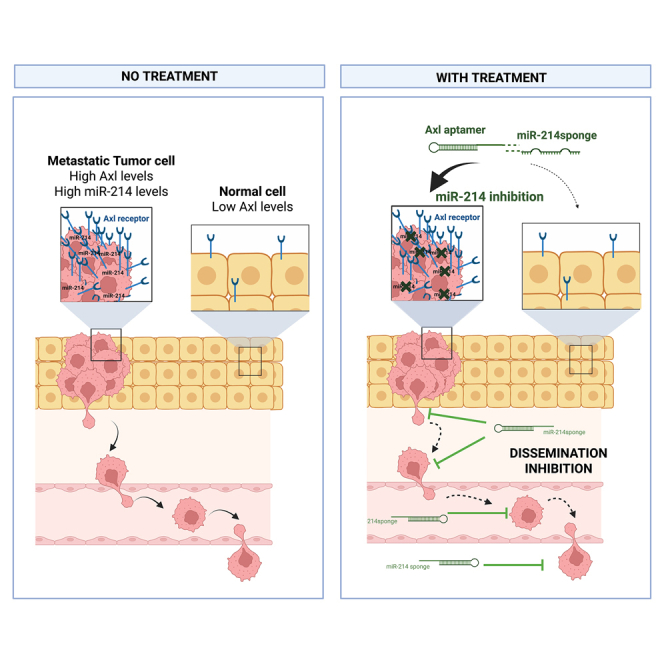 Figure 1
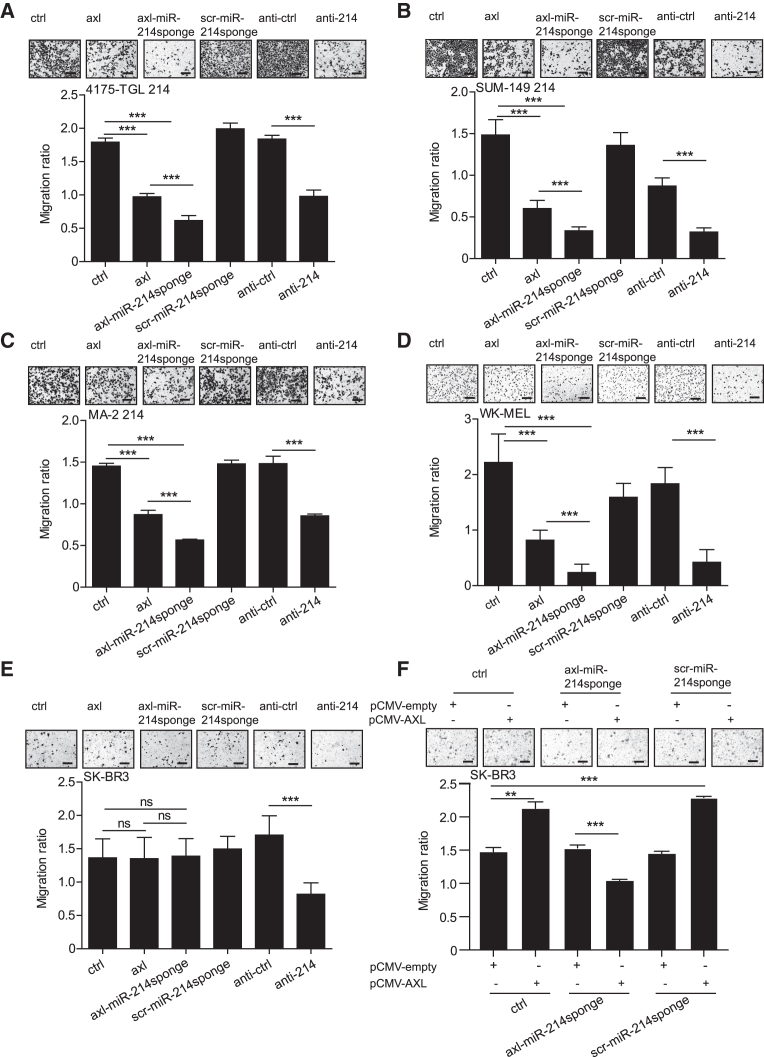 Figure 2
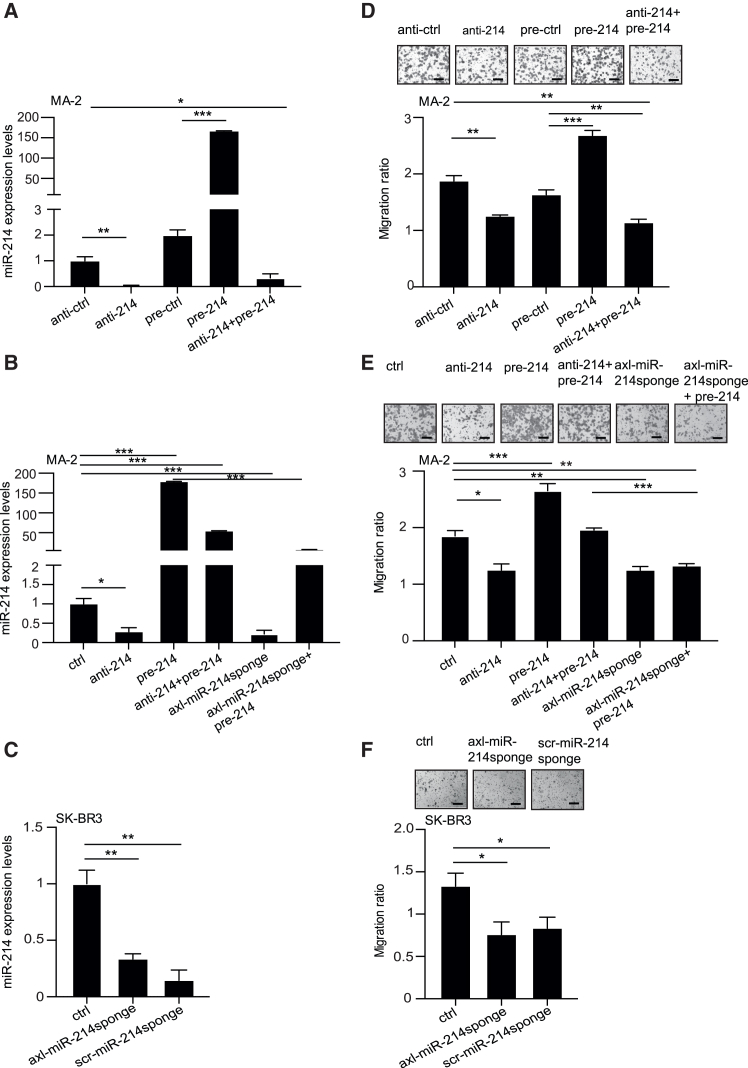 Figure 3
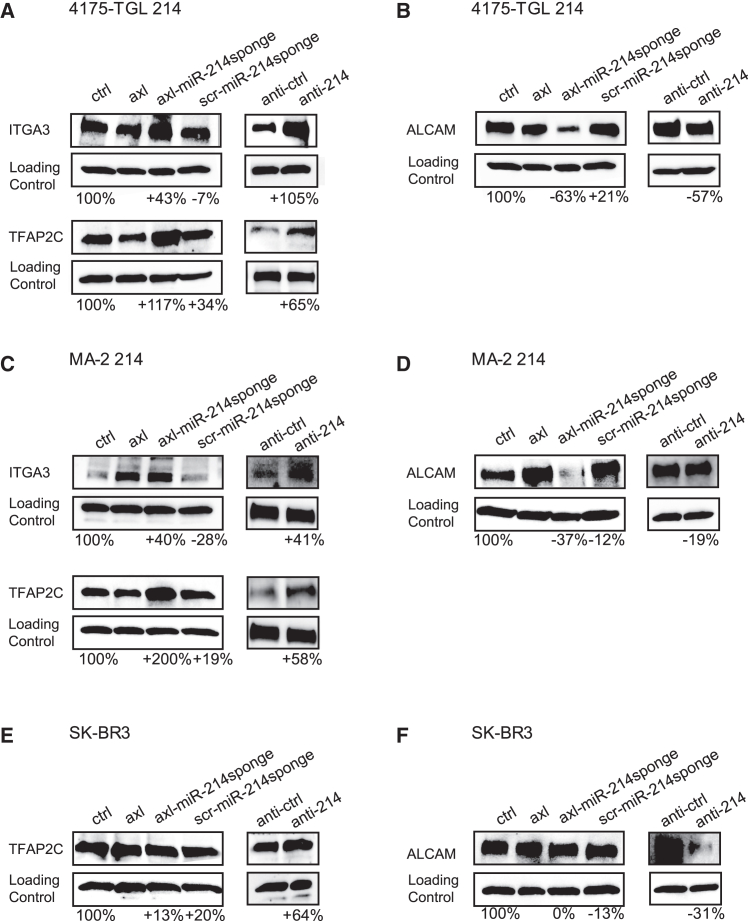 Figure 4
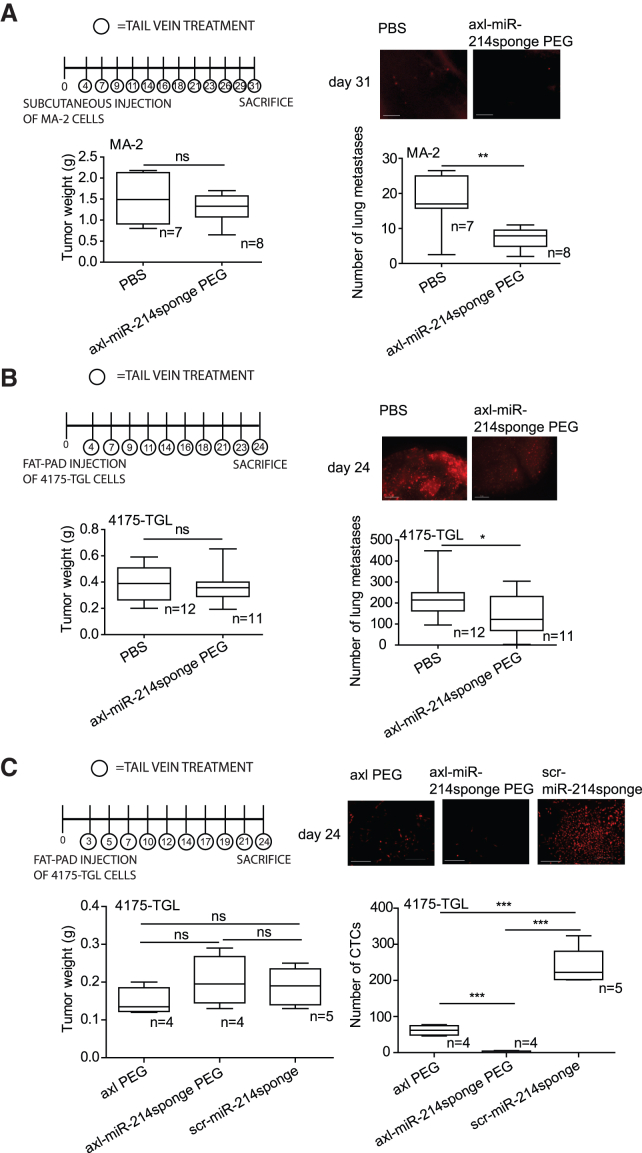 Figure 5
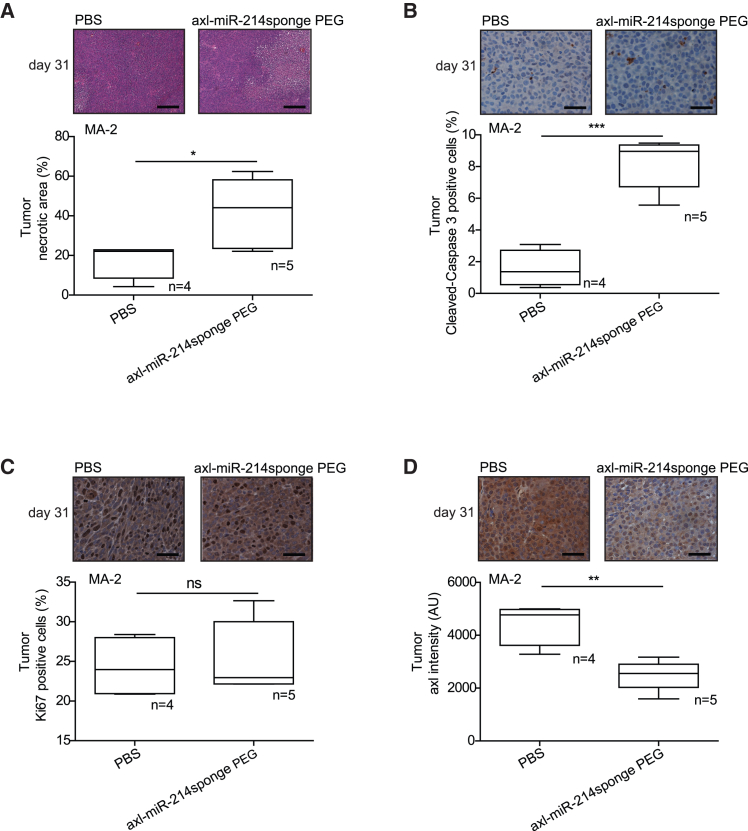 Figure 6
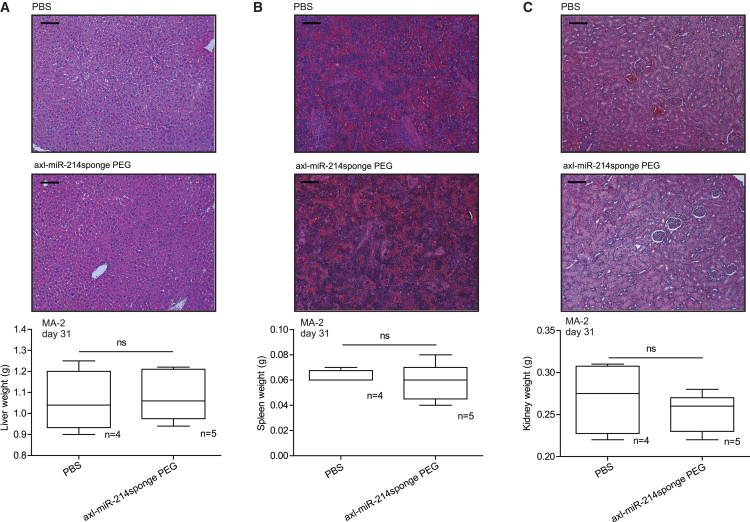 Figure 7
Peer Reviews
No public reviews on file for this paper yet. If you reviewed it on a platform where reviews are public (OpenReview, ICLR, NeurIPS, ICML), you can paste yours below so the community can read it here.
Videos
No videos yet. Explain this paper in a talk, walkthrough, or lecture? Add one.
Taxonomy
TopicsAdvanced biosensing and bioanalysis techniques · RNA Interference and Gene Delivery · MicroRNA in disease regulation