Endothelial MerTK impairment accelerates the development of atherosclerosis
Shijie Liu, Jingke Yao, Hongye Huang, Xiaoyuan Bai, Jinzi Wu, Oishani Banerjee, Zhicheng Jin, Bingzhong Xue, Hang Shi, Zufeng Ding

TL;DR
This study shows that impaired MerTK in endothelial cells promotes atherosclerosis through increased inflammation and mitochondrial dysfunction.
Contribution
The novel finding is that endothelial MerTK deficiency directly contributes to atherosclerosis via specific molecular pathways.
Findings
Endothelial MerTK deficiency increases proinflammatory signaling and mitochondrial dysfunction.
MerTK impairment activates MAPK pathways and NADPH oxidases, promoting atherosclerosis.
The miR-218–5p/ECMerTK/MAPK axis is implicated in MerTK-mediated atherosclerosis.
Abstract
Atherosclerosis is a chronic inflammatory disease primarily affecting large arteries and is the leading cause of cardiovascular disease. MER proto-oncogene tyrosine kinase (MerTK) plays a key role in regulating efferocytosis, a process for the clearance of apoptotic cells. This study investigates the specific contribution of endothelial MerTK to atherosclerosis development. Big data analytics, human microarray analyses, proteomics, and a unique mouse model with MerTK deficiency in endothelial cells (MerTKflox/floxTie2Cre) were utilized to elucidate the role of endothelial MerTK in atherosclerosis development. Our big data analytics, encompassing approximately 98,881 cross analyses including 234 analyses for atherosclerosis in the aortic arch, along with human microarray data, reveal that inflammatory responses play a predominant role in atherosclerosis. In vivo, MerTKflox/floxTie2Cre…
Genes, proteins, chemicals, diseases, species, mutations and cell lines named across the full text — each resolved to its canonical identifier and authoritative record.
Click any figure to enlarge with its caption.
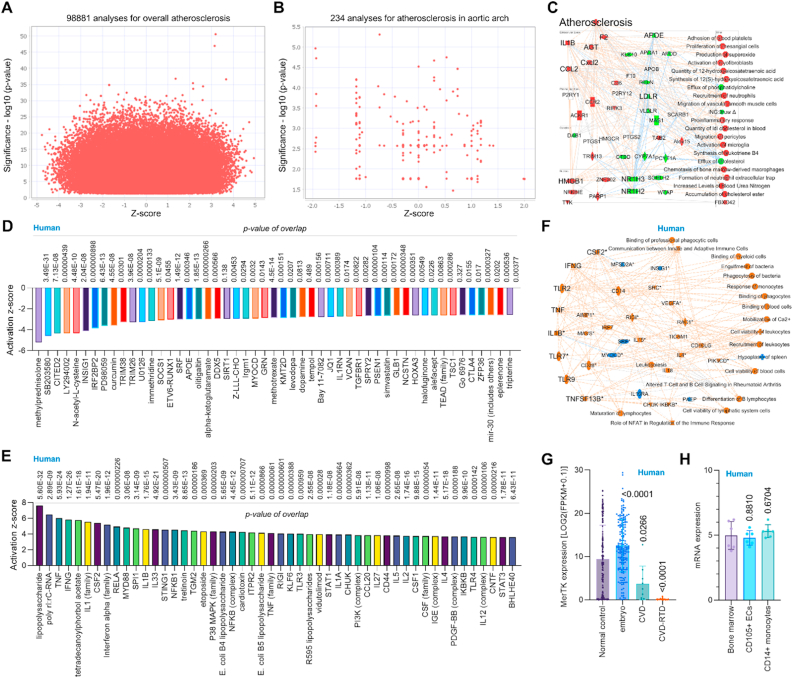 Figure 1
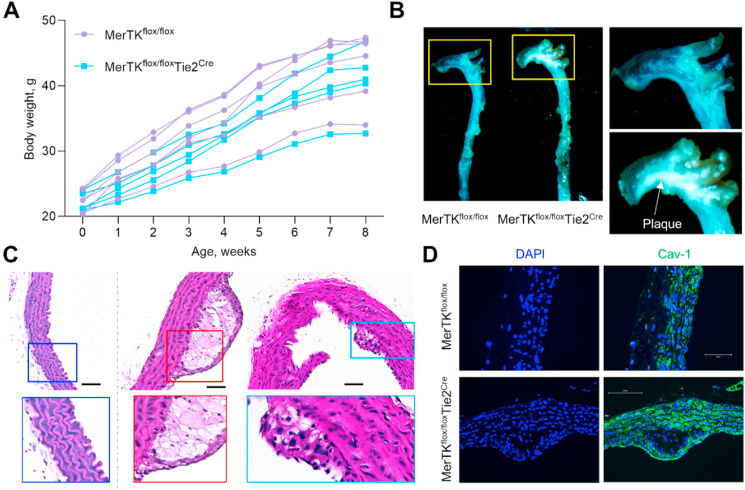 Figure 2
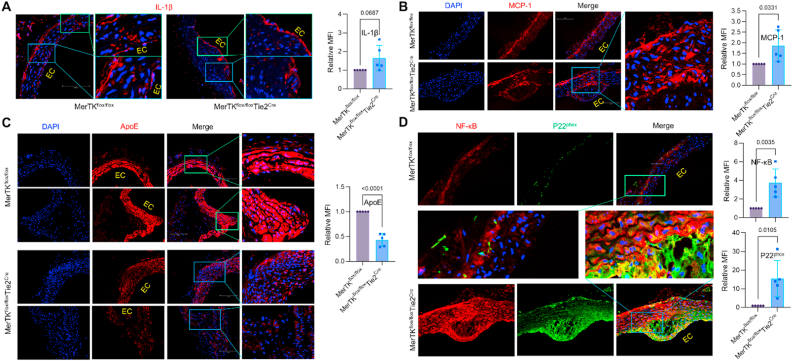 Figure 3
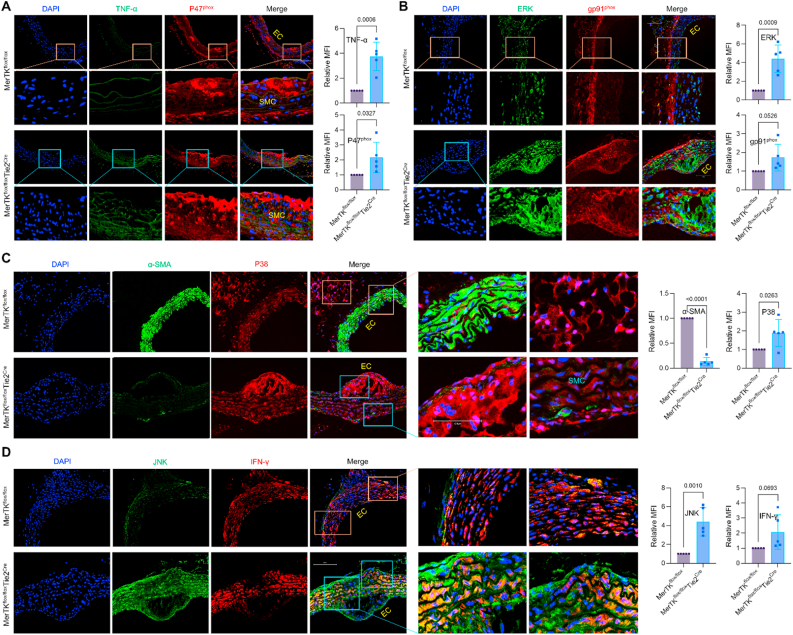 Figure 4
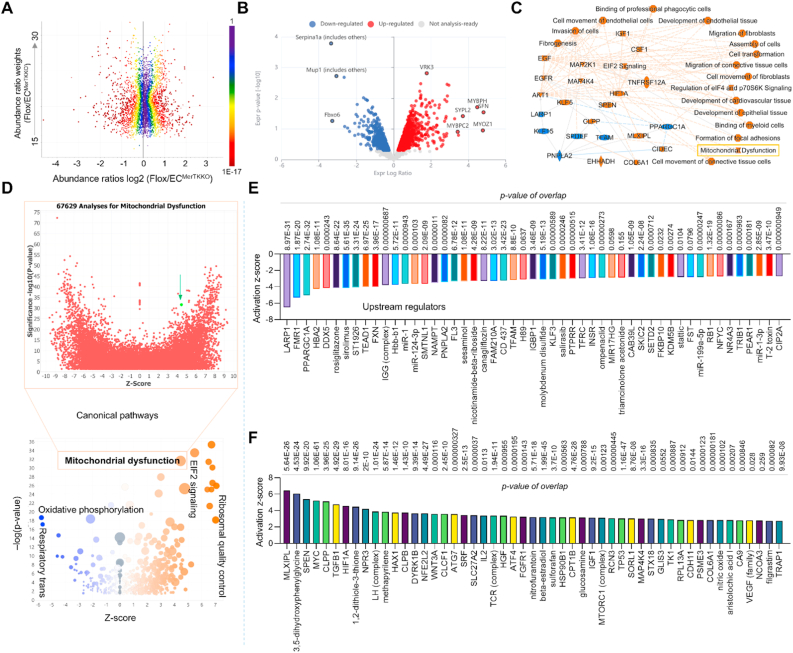 Figure 5
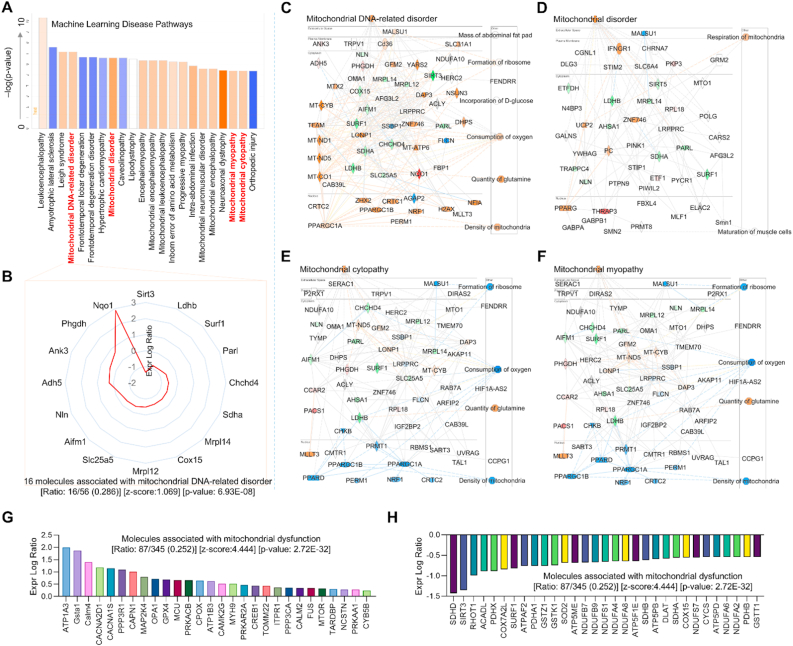 Figure 6
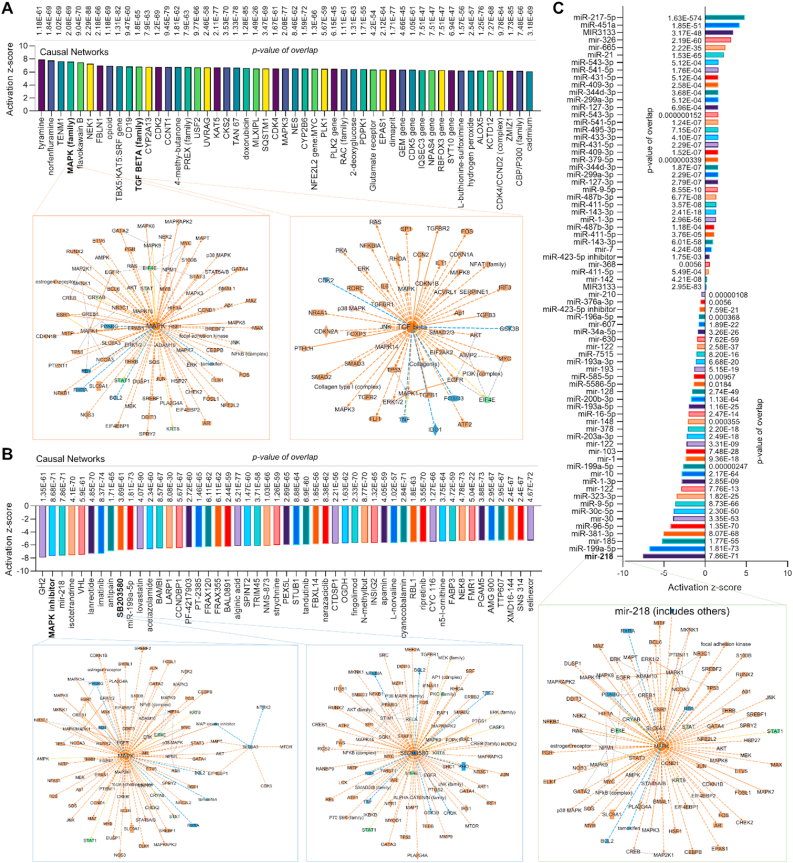 Figure 7
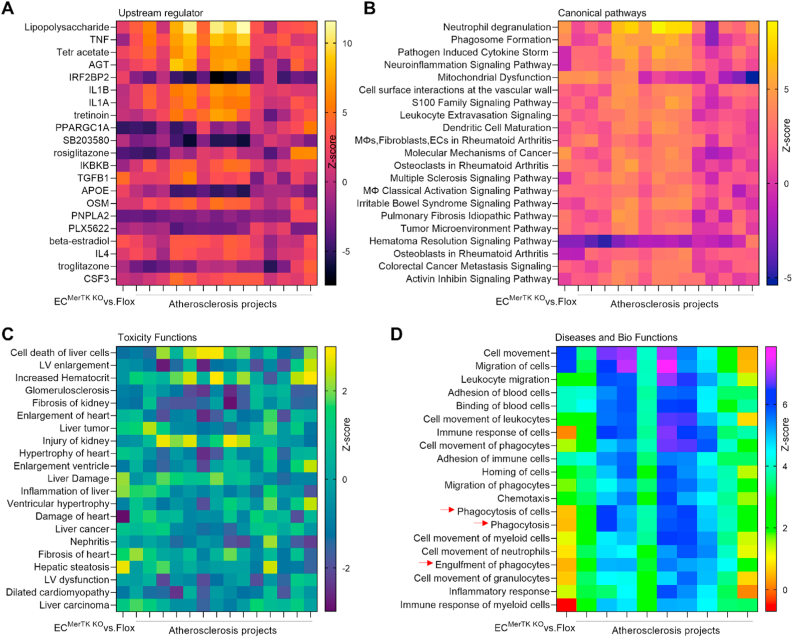 Figure 8
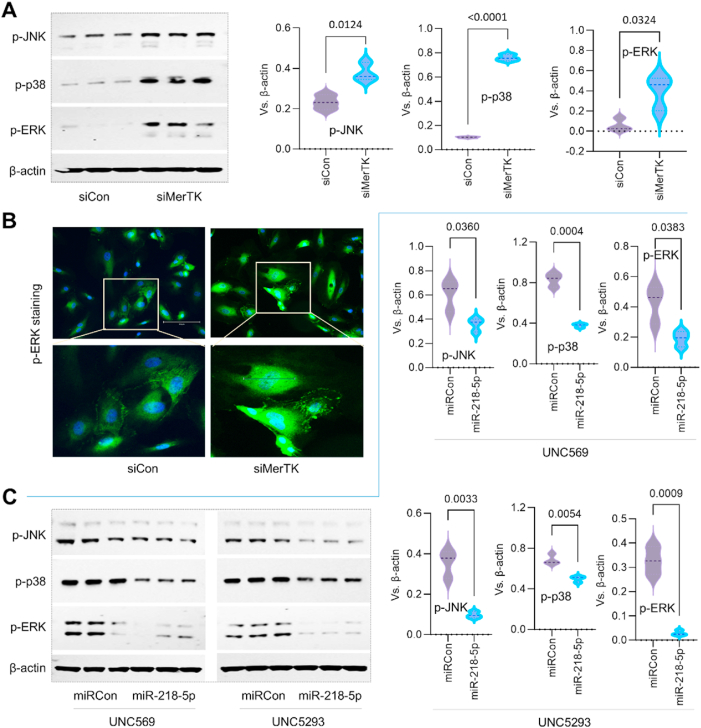 Figure 9
Peer Reviews
No public reviews on file for this paper yet. If you reviewed it on a platform where reviews are public (OpenReview, ICLR, NeurIPS, ICML), you can paste yours below so the community can read it here.
Videos
No videos yet. Explain this paper in a talk, walkthrough, or lecture? Add one.
Taxonomy
TopicsPhagocytosis and Immune Regulation · Apelin-related biomedical research · Nuclear Receptors and Signaling