Antidepressant-like and neuroprotective effects of pine needle extracts: evidence from behavioral, transcriptomic, and biochemical studies
Hisako Iwahashi Ogawa, Eiji Yasaka, Shinji Kondo, Farhana Ferdousi, Mitsutoshi Nakajima, Hiroko Isoda

TL;DR
Pine needle extracts show antidepressant-like effects and neuroprotection in mice, possibly through boosting neurotransmitters and reducing inflammation.
Contribution
Pine needle extracts demonstrate superior antidepressant-like effects compared to bupropion and reveal novel neuroprotective mechanisms.
Findings
PN treatment reduced immobility time in mice more effectively than bupropion in the tail suspension test.
PN increased Apelin and its receptor levels while decreasing proinflammatory cytokines Tnfa and IL1b in the hippocampus.
PN compounds like D-Pinitol and Shikimic acid showed significant neuroprotective effects in cell assays.
Abstract
Neuroinflammation is a key characteristic associated with neurological disorders, particularly depression and anxiety. This study aims to evaluate the neuroprotective and antidepressant-like effects of pine needle (PN) extracts in an LPS-induced neuroinflammation mouse model. Following seven days of oral administration of PN, the tail suspension test demonstrated a significant reduction in immobility time in PN-treated mice compared to LPS controls, surpassing the effect of the standard antidepressant bupropion. To elucidate the underlying mechanisms, we conducted a whole-genome microarray analysis. This analysis highlighted pathways related to neuroprotection, synaptic plasticity, and pro-inflammatory cytokine regulation, with a notable enrichment in the Apelin signaling pathway. Quantitative PCR analysis revealed that PN treatment increased the levels of Apelin and its receptor while…
Genes, proteins, chemicals, diseases, species, mutations and cell lines named across the full text — each resolved to its canonical identifier and authoritative record.
Click any figure to enlarge with its caption.
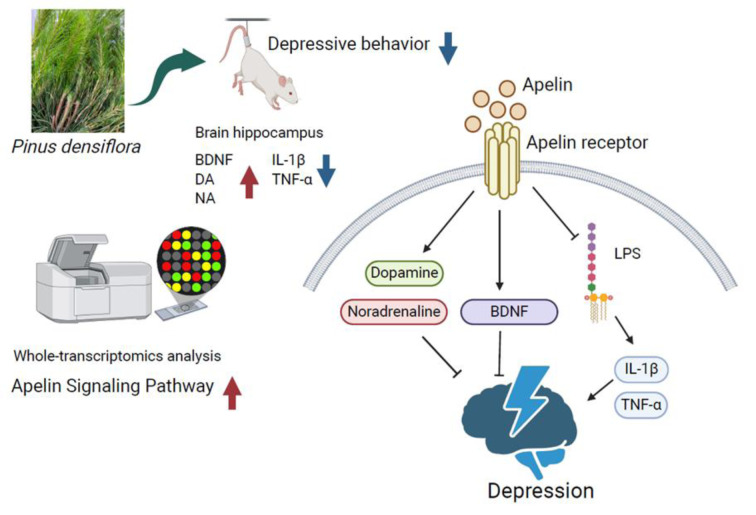 Figure 1
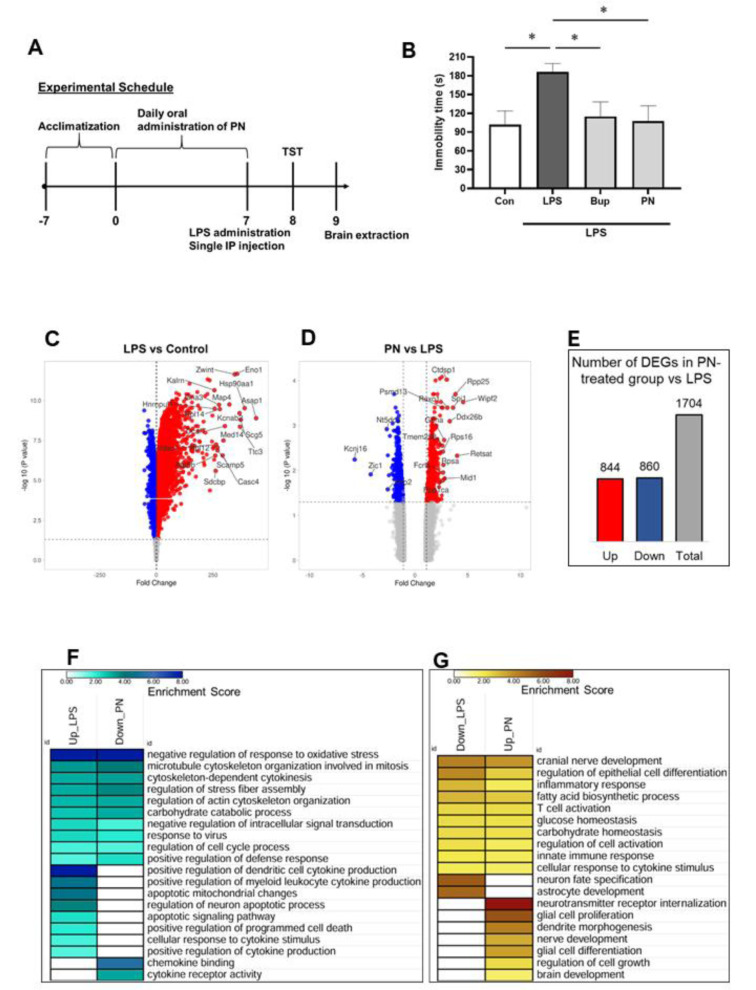 Figure 2
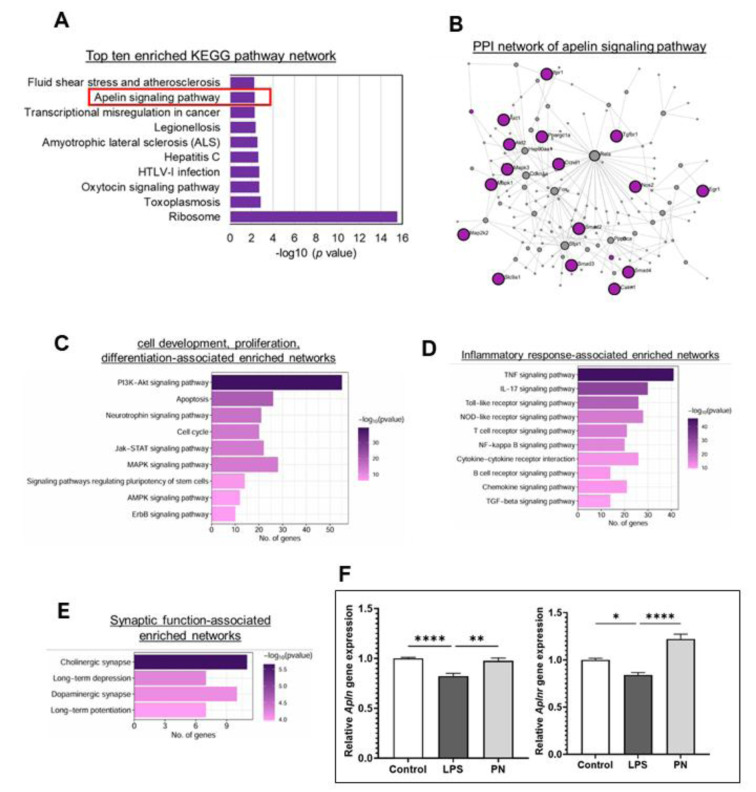 Figure 3
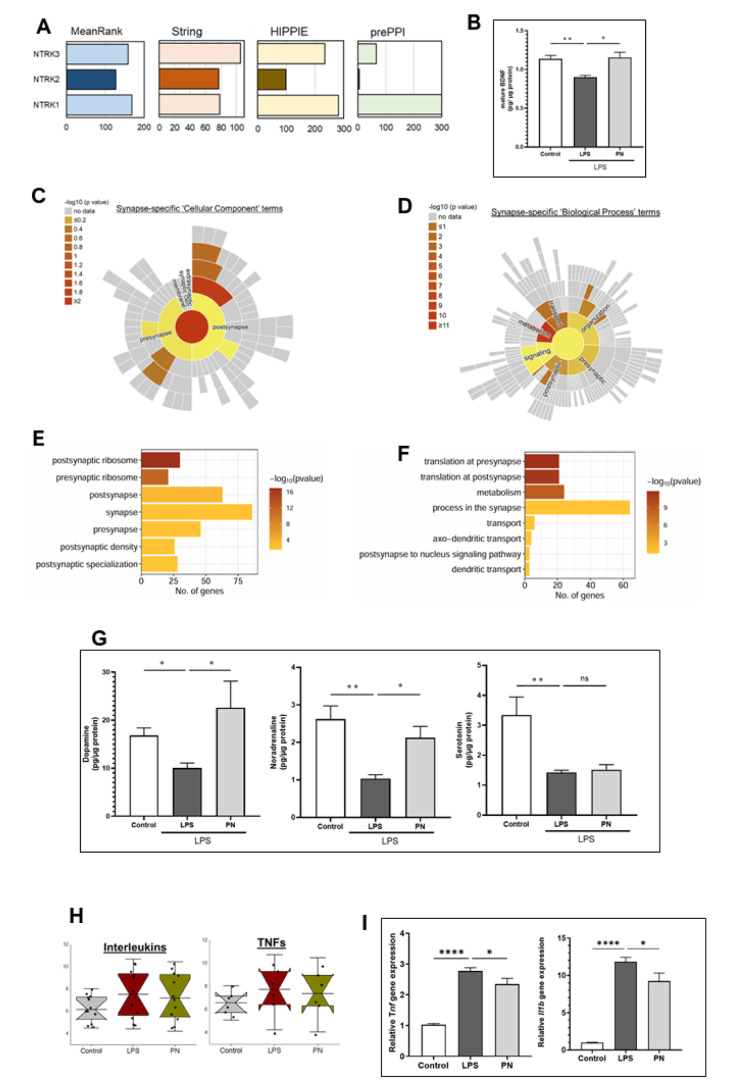 Figure 4
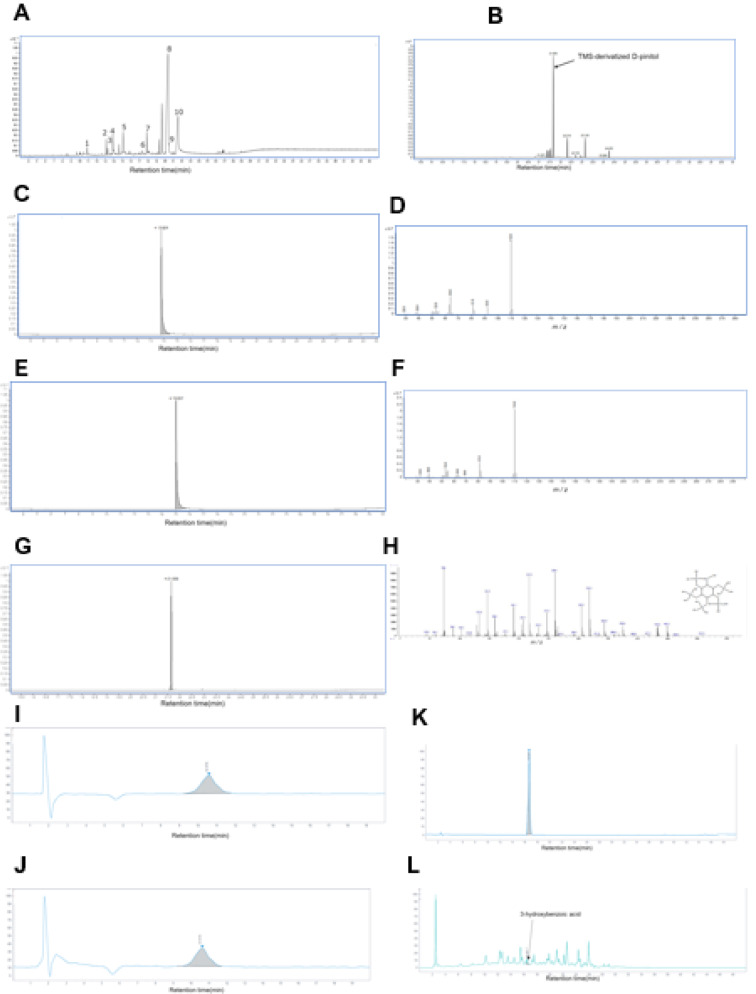 Figure 5
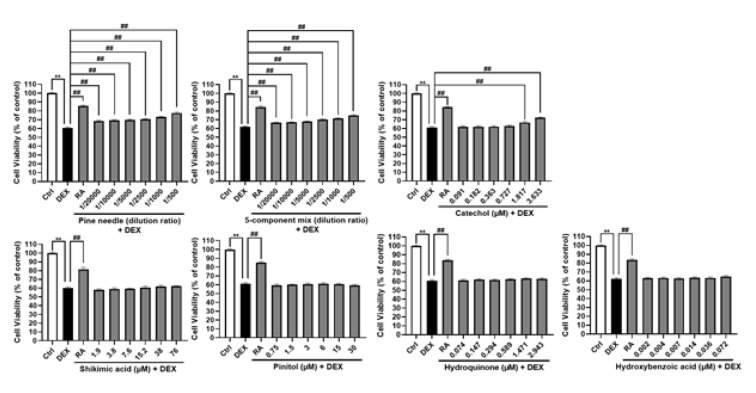 Figure 6
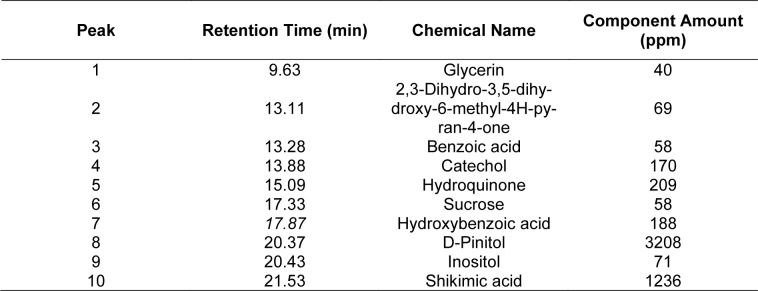 Figure 7
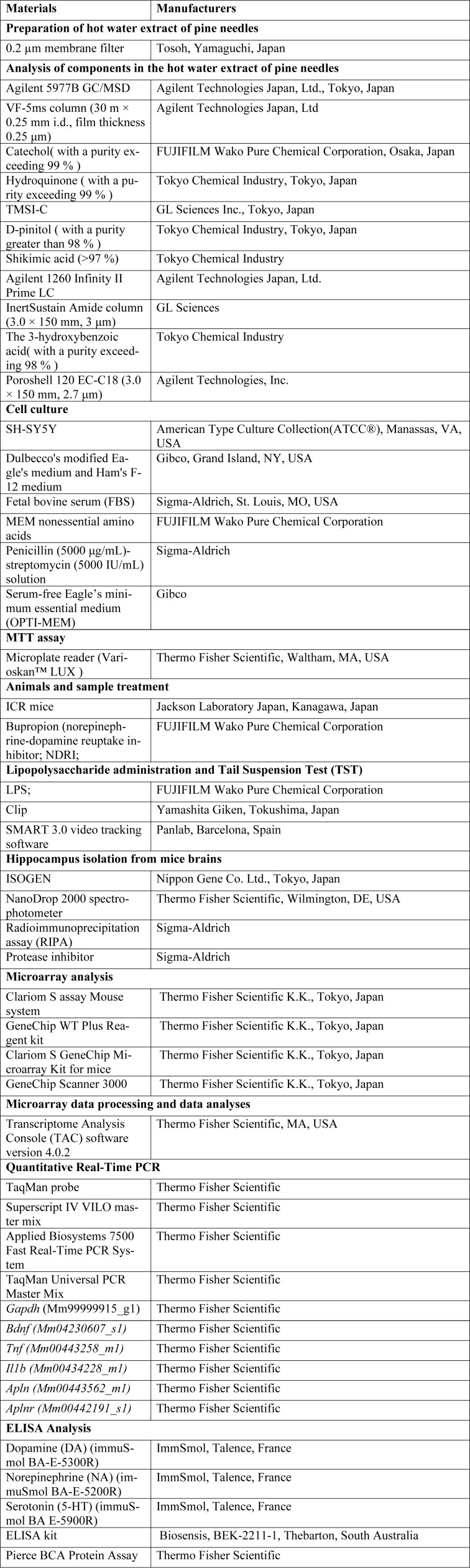 Figure 8
Peer Reviews
No public reviews on file for this paper yet. If you reviewed it on a platform where reviews are public (OpenReview, ICLR, NeurIPS, ICML), you can paste yours below so the community can read it here.
Videos
No videos yet. Explain this paper in a talk, walkthrough, or lecture? Add one.
Taxonomy
TopicsApelin-related biomedical research · Tryptophan and brain disorders · Magnolia and Illicium research