Acceptability of a Conversational Agent–Led Digital Program for Anxiety: Mixed Methods Study of User Perspectives
Pearla Papiernik, Sylwia Dzula, Marta Zimanyi, Edward Millgate, Malika Bouazzaoui, Jessica Buttimer, Graham Warren, Elisa Cooper, Ana Catarino, Shaun Mehew, Emily Marshall, Valentin Tablan, Andrew D Blackwell, Clare E Palmer

TL;DR
This study explores how acceptable and engaging a digital mental health program led by a conversational agent is for people with anxiety, combining user feedback and interviews.
Contribution
The study provides mixed-methods evidence on the acceptability of a conversational agent-led digital mental health intervention with human support for generalized anxiety.
Findings
Participants found the program engaging, rewarding, and easy to use with high satisfaction scores.
Five key themes emerged for acceptability: accessible care, effective solutions, personal experience, guided control, and human support.
Participants desired more personalization and were frustrated when the conversational agent misunderstood them.
Abstract
The prevalence of anxiety and depression is increasing globally, outpacing the capacity of traditional mental health services. Digital mental health interventions (DMHIs) provide a cost-effective alternative, but user engagement remains limited. Integrating artificial intelligence (AI)–powered conversational agents may enhance engagement and improve the user experience; however, with AI technology rapidly evolving, the acceptability of these solutions remains uncertain. This study aims to examine the acceptability, engagement, and usability of a conversational agent–led DMHI with human support for generalized anxiety by exploring patient expectations and experiences through a mixed methods approach. Participants (N=299) were offered a DMHI for up to 9 weeks and completed postintervention self-report measures of engagement (User Engagement Scale [UES]; n=190), usability (System…
Genes, proteins, chemicals, diseases, species, mutations and cell lines named across the full text — each resolved to its canonical identifier and authoritative record.
Click any figure to enlarge with its caption.
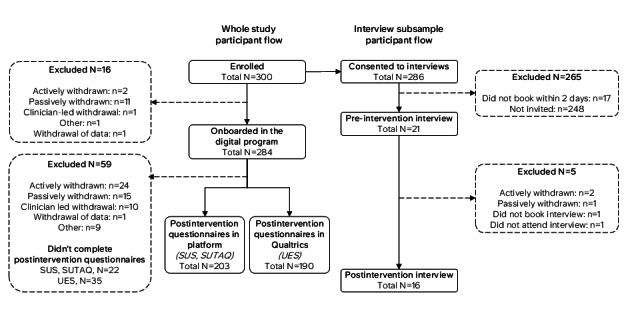 Figure 1
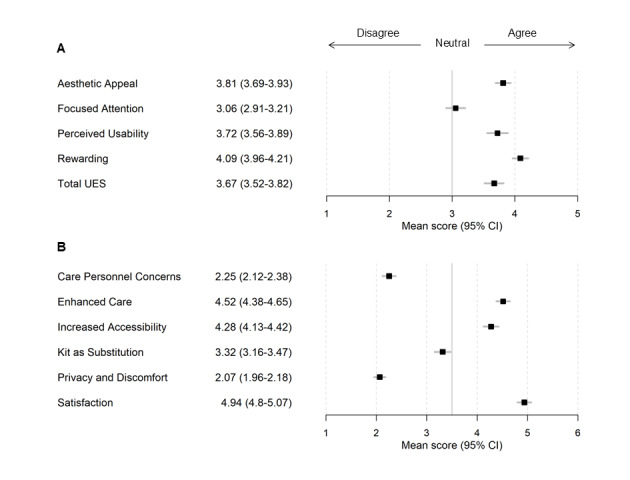 Figure 2
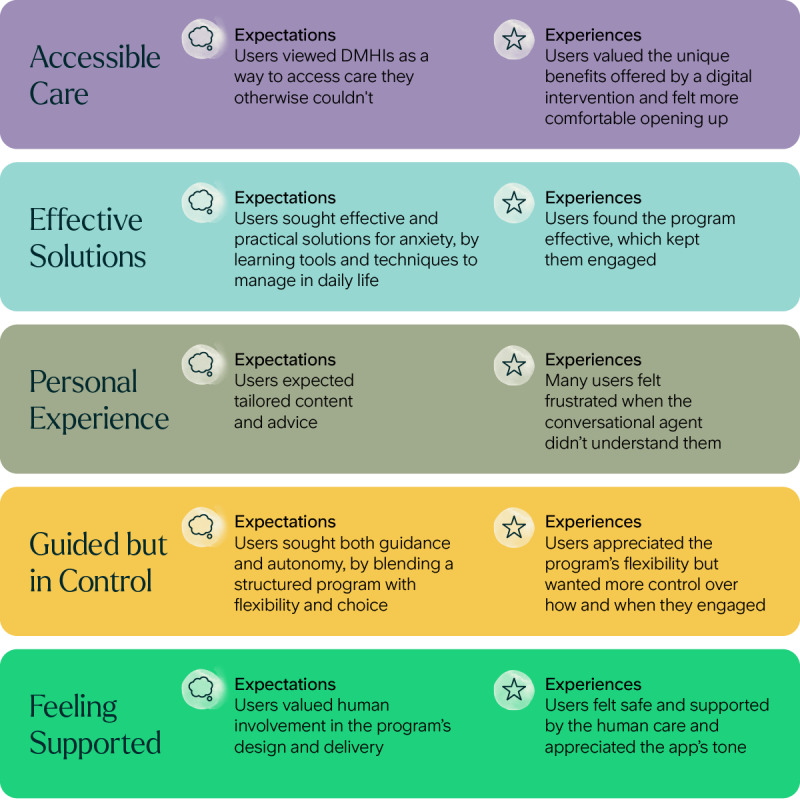 Figure 3
Peer Reviews
No public reviews on file for this paper yet. If you reviewed it on a platform where reviews are public (OpenReview, ICLR, NeurIPS, ICML), you can paste yours below so the community can read it here.
Videos
No videos yet. Explain this paper in a talk, walkthrough, or lecture? Add one.
Taxonomy
TopicsDigital Mental Health Interventions · Impact of Technology on Adolescents · Mental Health Research Topics