The genome sequence of the ichneumonid wasp, Sussaba pulchella (Holmgren, 1858) (Hymenoptera: Ichneumonidae)
Ian Barnes, Chris Fletcher, Inez Januszczak, Gavin R. Broad, Liam M. Crowley, Taslima Sheikh, Erinn Fagan-Jeffries

TL;DR
This paper presents the genome sequence of the ichneumonid wasp Sussaba pulchella, providing a detailed reference for this species as part of a larger biodiversity project.
Contribution
The paper provides a high-quality genome assembly for Sussaba pulchella, including a scaffolded chromosomal assembly and mitochondrial genome.
Findings
The genome assembly is 299.91 megabases long, with 81.88% scaffolded into 15 chromosomal pseudomolecules.
The mitochondrial genome is 34.69 kilobases in length and has been fully assembled.
The work is part of the Darwin Tree of Life project, which aims to sequence eukaryotic species in Britain and Ireland.
Abstract
We present a genome assembly from an individual male Sussaba pulchella (ichneumonid wasp; Arthropoda; Insecta; Hymenoptera; Ichneumonidae). The genome sequence has a total length of 299.91 megabases. Most of the assembly (81.88%) is scaffolded into 15 chromosomal pseudomolecules. The mitochondrial genome has also been assembled, with a length of 34.69 kilobases. This assembly was generated as part of the Darwin Tree of Life project, which produces reference genomes for eukaryotic species found in Britain and Ireland.
Genes, proteins, chemicals, diseases, species, mutations and cell lines named across the full text — each resolved to its canonical identifier and authoritative record.
Click any figure to enlarge with its caption.
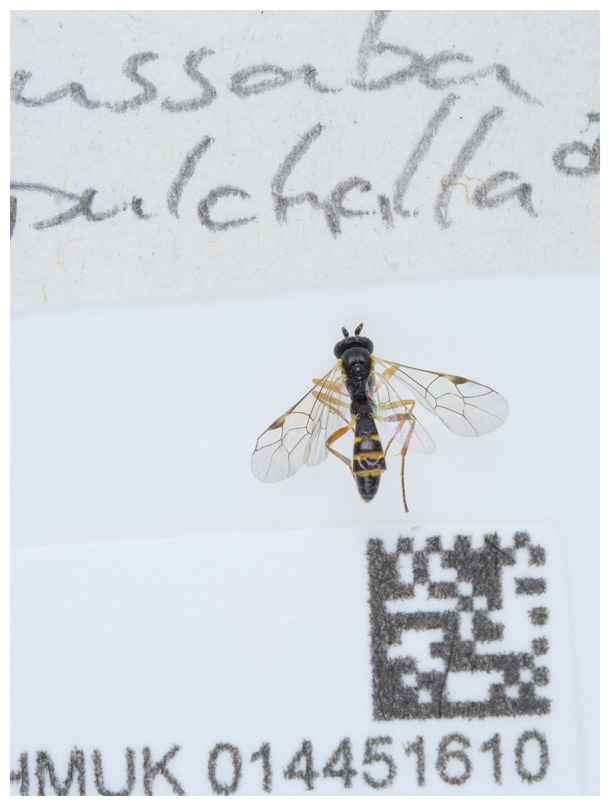 Figure 1
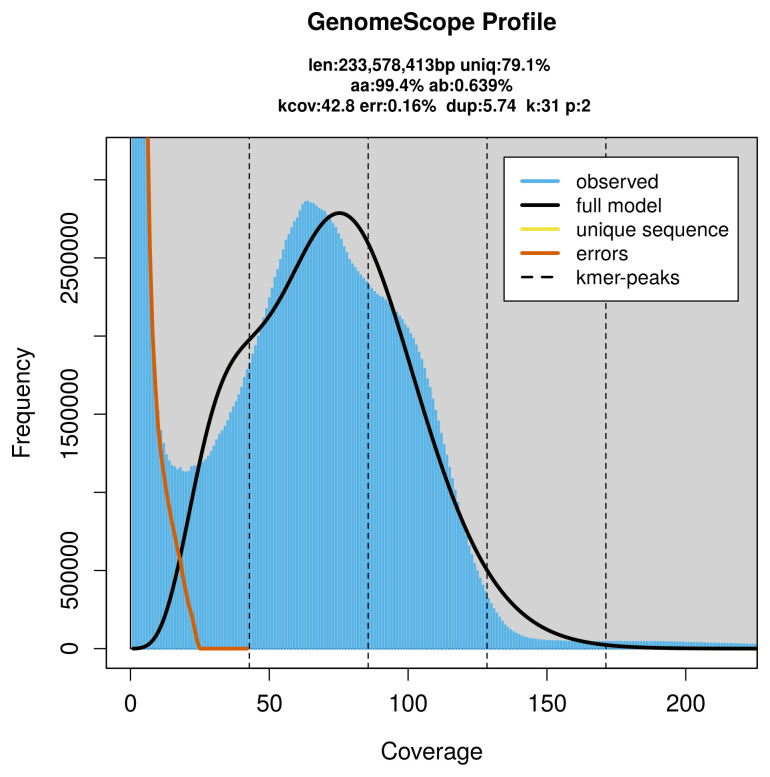 Figure 2
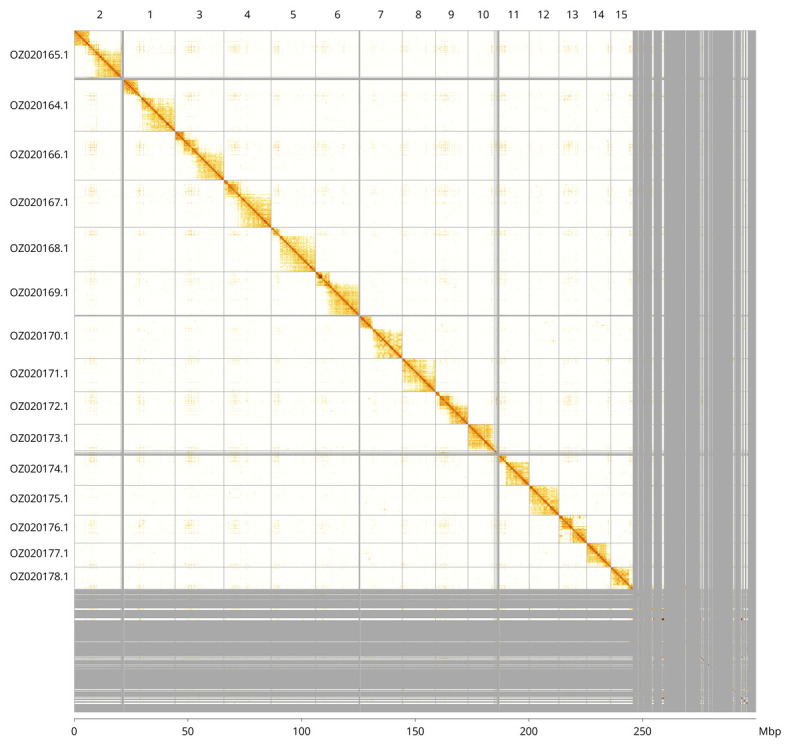 Figure 3
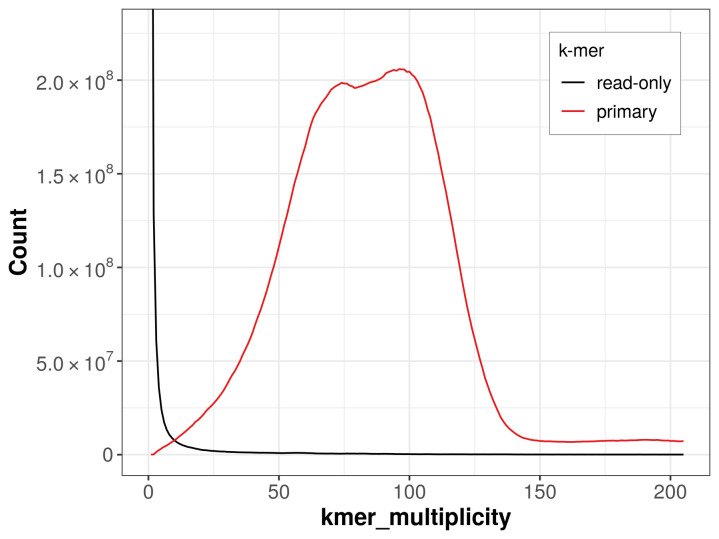 Figure 4
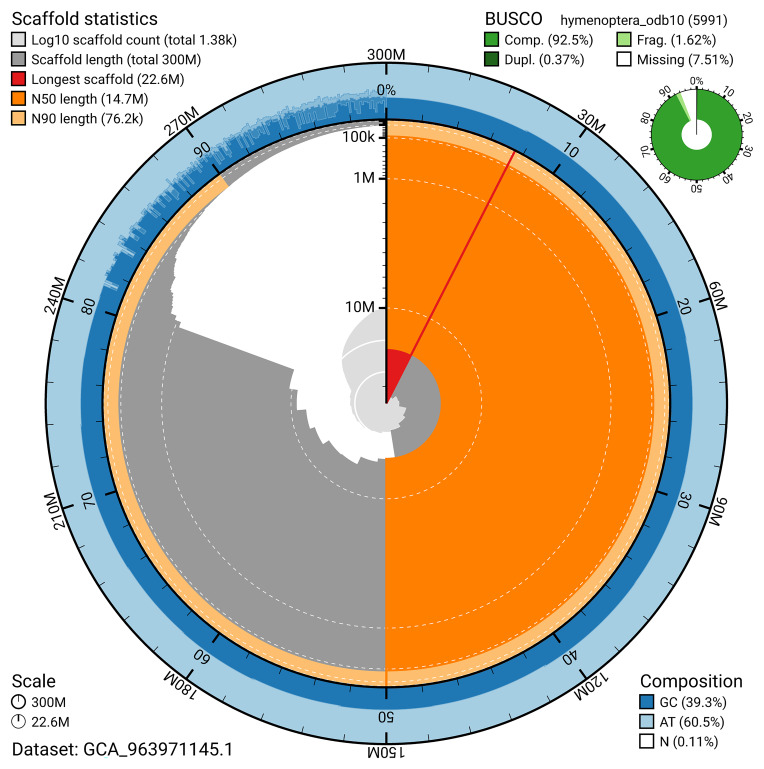 Figure 5
 Figure 6
Peer Reviews
No public reviews on file for this paper yet. If you reviewed it on a platform where reviews are public (OpenReview, ICLR, NeurIPS, ICML), you can paste yours below so the community can read it here.
Videos
No videos yet. Explain this paper in a talk, walkthrough, or lecture? Add one.
Taxonomy
TopicsHymenoptera taxonomy and phylogeny · Insect-Plant Interactions and Control · Insect symbiosis and bacterial influences