Isolation, toxin gene profiling, and phylogenetic analysis of Clostridium perfringens in Egyptian fruit bats: public health and epidemiological implications
Toka A. Allam, Fatma Abdel-kader, Mona Kadry

TL;DR
This study finds that Egyptian fruit bats can carry toxin-producing Clostridium perfringens bacteria, which could pose public health risks due to their potential to spread harmful strains.
Contribution
This is the first study in Egypt to detect and analyze Clostridium perfringens in bats, revealing their potential role as reservoirs for zoonotic pathogens.
Findings
C. perfringens was detected in 31% of bat samples, with toxin gene cpa present in all isolates.
Phylogenetic analysis showed genetic similarity between bat isolates and strains from domestic animals and environmental sources.
Type C strains were predominant, suggesting epidemiological significance and possible horizontal gene transfer.
Abstract
Clostridium perfringens (C. perfringens) is spore forming, toxin producing bacterium causing serious diseases in both animals and man and its presence in bats, especially the Egyptian fruit bat, are ecologically important yet increasingly interact with human environments due to habitat changes which raise the concerns about their role as reservoirs for zoonotic pathogens. This study, the first of its kind in Egypt, investigates the occurrence and characteristics of C. perfringens in bats to evaluate their potential role as reservoirs for this toxin-producing, environmentally persistent foodborne pathogen. Fifty fruit bats were captured using mist nets at foraging and roosting sites. The bats were identified morphologically, and for each bat, fecal swabs and internal organs were collected (n = 100). The samples were examined bacteriologically to investigate the C. perfringens detection…
Genes, proteins, chemicals, diseases, species, mutations and cell lines named across the full text — each resolved to its canonical identifier and authoritative record.
Click any figure to enlarge with its caption.
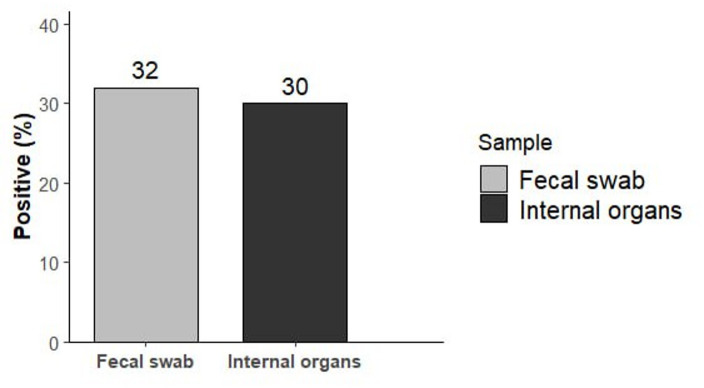 Figure 1
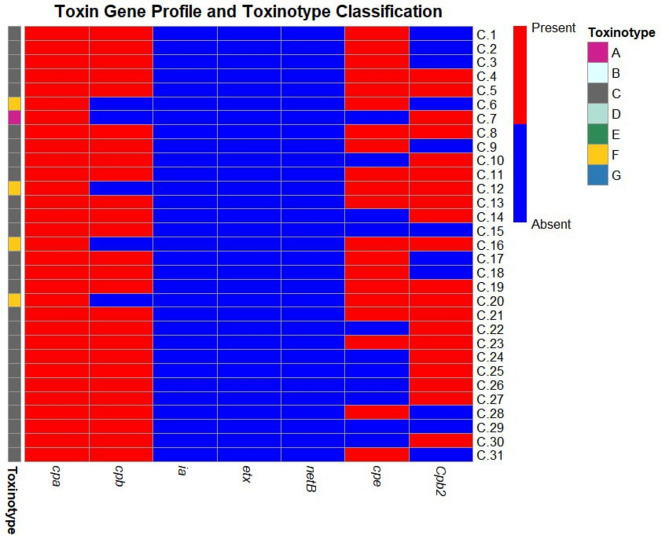 Figure 2
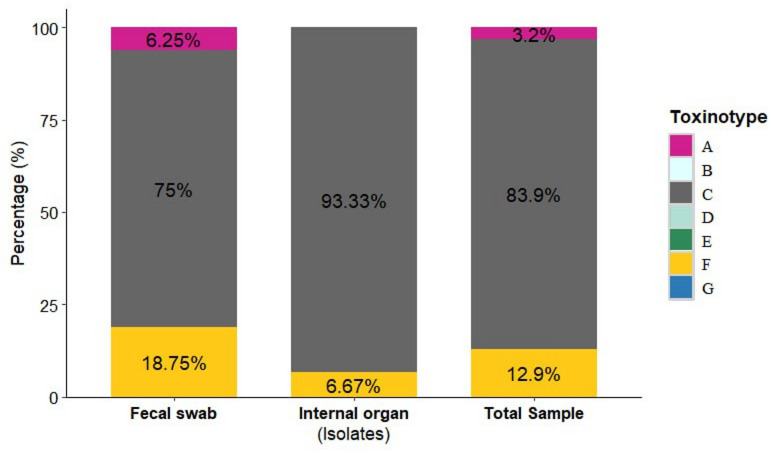 Figure 3
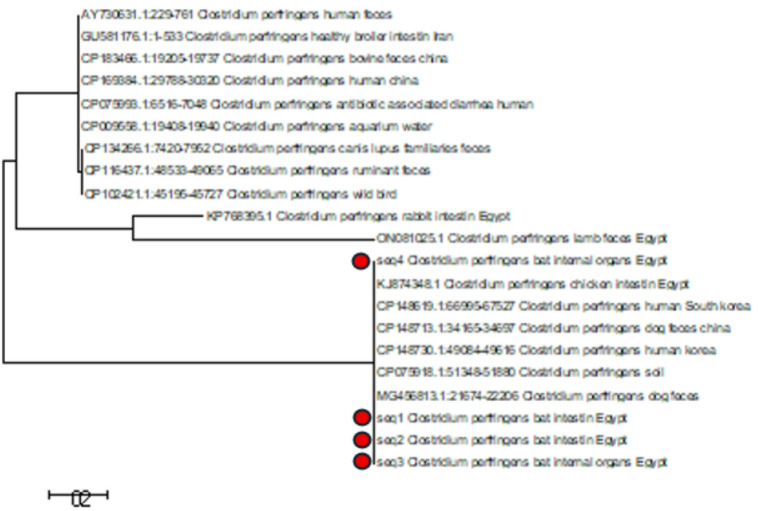 Figure 4
Peer Reviews
No public reviews on file for this paper yet. If you reviewed it on a platform where reviews are public (OpenReview, ICLR, NeurIPS, ICML), you can paste yours below so the community can read it here.
Videos
No videos yet. Explain this paper in a talk, walkthrough, or lecture? Add one.
Taxonomy
TopicsClostridium difficile and Clostridium perfringens research · Botulinum Toxin and Related Neurological Disorders · Streptococcal Infections and Treatments