Antineoplastic 4-piperidone-1-phosphonothioates with potential multi-targeted inhibitory properties
Mohamed S. Bekheit, Siva S. Panda, Benson M Kariuki, Walid Fayad, Ahmed A. F. Soliman, Hanaa Farag, Adel S. Girgis

TL;DR
Scientists created new compounds that show strong anti-cancer effects by targeting multiple proteins involved in cancer growth.
Contribution
The paper introduces a new class of multi-targeted antineoplastic compounds with superior efficacy compared to existing drugs.
Findings
Compound 20c showed sub-micromolar activity against breast, colon, and skin cancer cells.
Compound 20k exhibited higher anti-MDM2 potency than doxorubicin.
Some compounds selectively inhibited topo-IIα over topo-I and showed docking consistency with MDM2 targets.
Abstract
A set of 3,5-bis(ylidene)-4-piperidone-1-phosphonothioates 20a‒l was synthesized in high yields through dehydrochlorination reaction of 3,5-bis(ylidene)-4-piperidones 18a‒l and diethyl chlorothiophosphate 19 in DMF containing quantitative amounts of TEA at 0 °C. Most of the synthesized agents exhibit effective antiproliferation properties against a variety of cancer cell lines (MCF7/breast, HCT116/colon, and A431/skin), outperforming the efficacy of the clinically approved drugs. Compound 20c (R = 3-ClC6H4) is the most effective analog discovered with a sub-micromolar activity against MCF7 (IC50 = 0.650, 3.15 and 3.97 µM, for 20c, 5-fluorouracil, and sunitinib, respectively) as well as remarkable efficacy against HCT116, and A431 (IC50 = 1.445 and 2.920 µM respectively for 20c, compared to 20.43 and 23.44 µM respectively for 5-fluorouracil). The synthesized analogs demonstrating…
Genes, proteins, chemicals, diseases, species, mutations and cell lines named across the full text — each resolved to its canonical identifier and authoritative record.
Click any figure to enlarge with its caption.
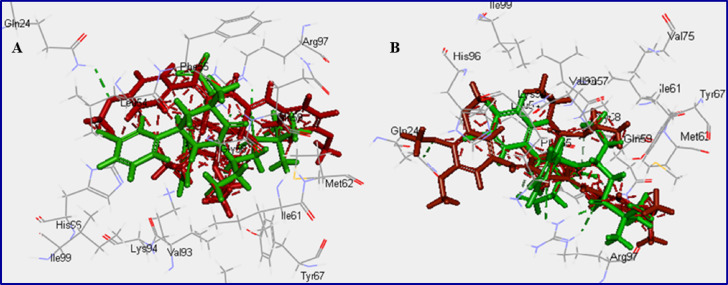 Figure 10
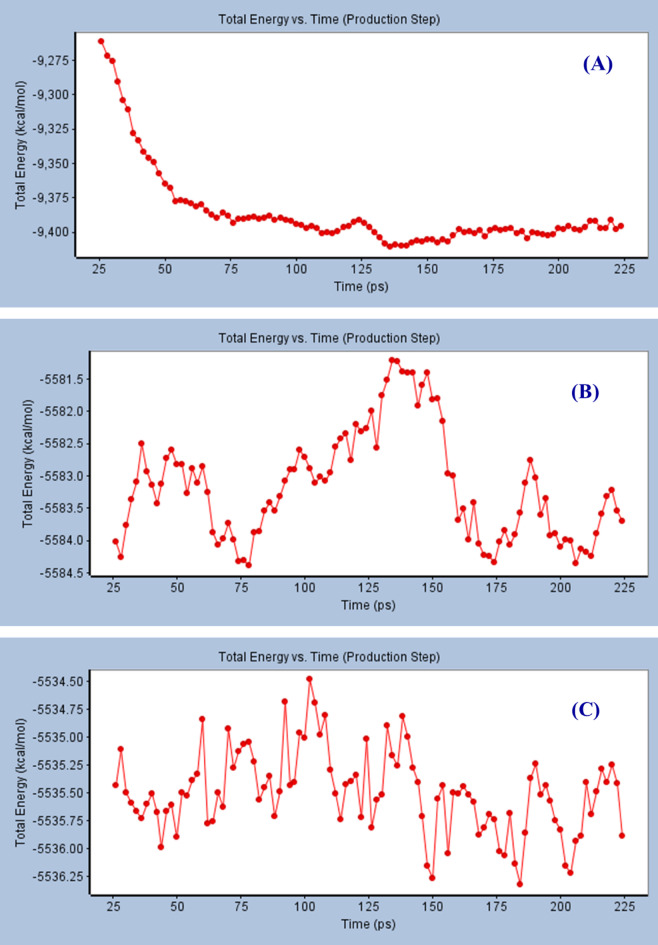 Figure 11
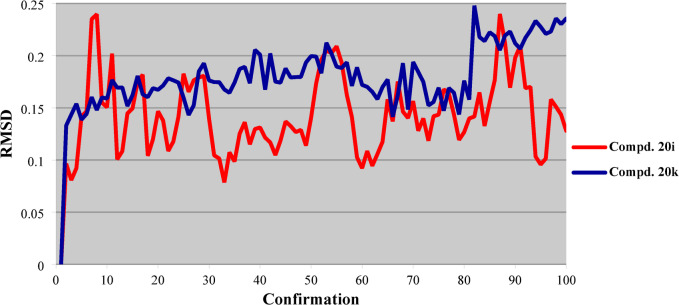 Figure 12
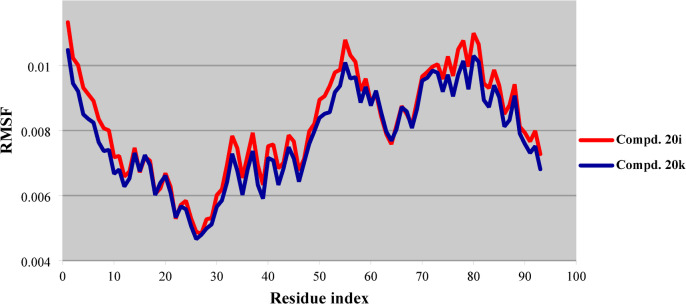 Figure 13
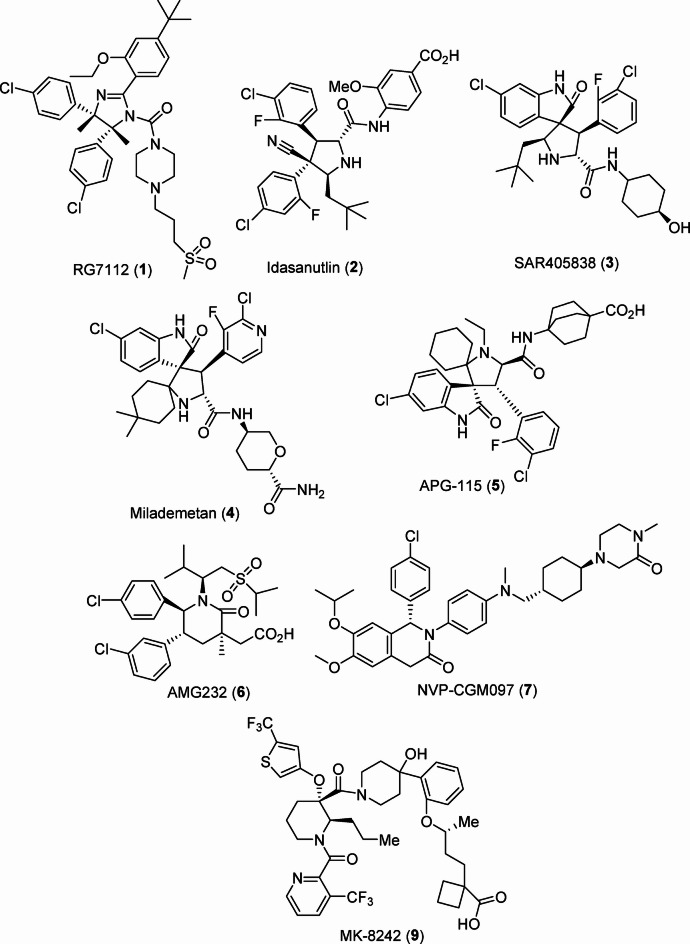 Figure 1
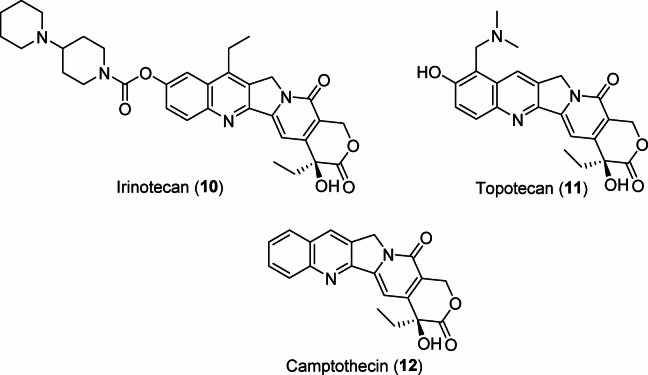 Figure 2
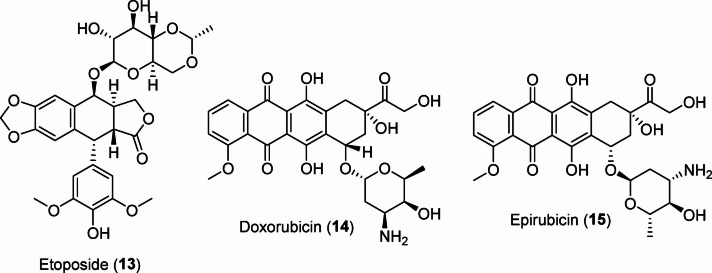 Figure 3
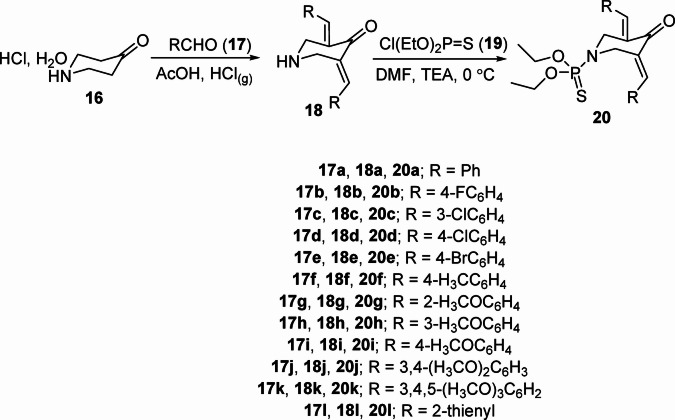 Figure 4
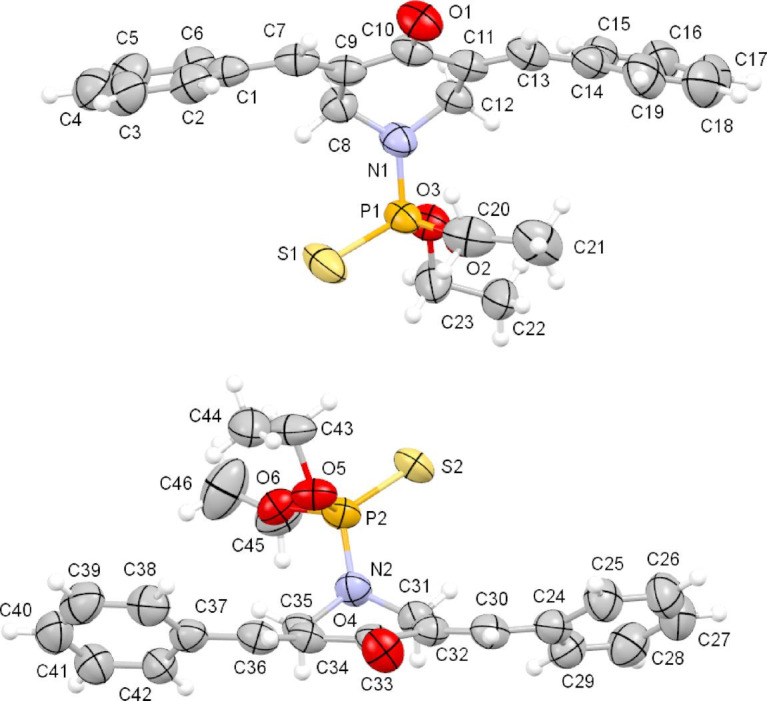 Figure 5
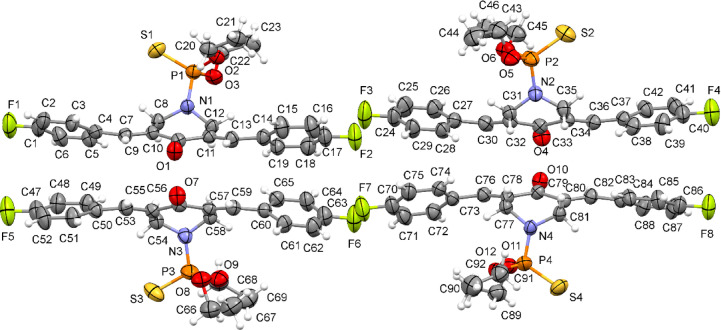 Figure 6
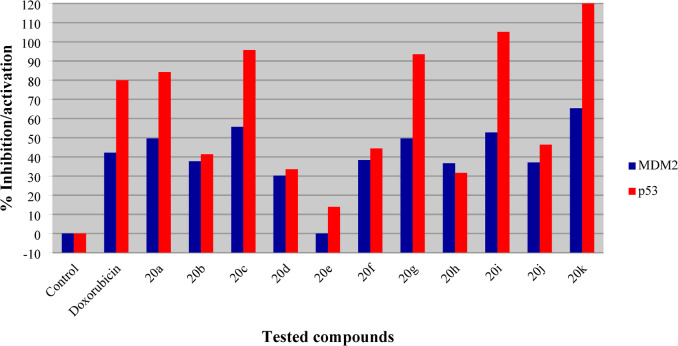 Figure 7
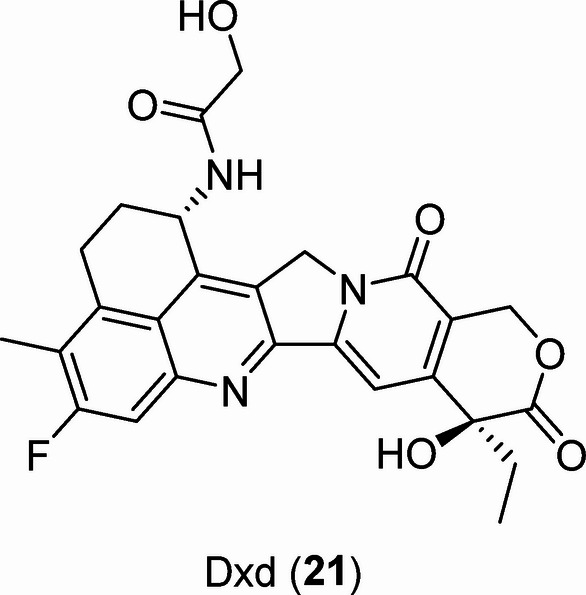 Figure 8
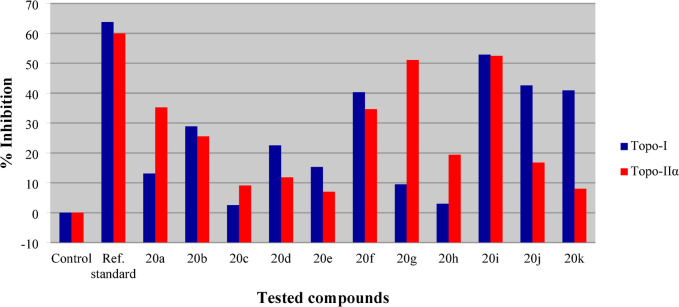 Figure 9
Peer Reviews
No public reviews on file for this paper yet. If you reviewed it on a platform where reviews are public (OpenReview, ICLR, NeurIPS, ICML), you can paste yours below so the community can read it here.
Videos
No videos yet. Explain this paper in a talk, walkthrough, or lecture? Add one.
Taxonomy
TopicsSynthesis and Reactivity of Sulfur-Containing Compounds · Organophosphorus compounds synthesis · Phosphorus compounds and reactions