A hybrid approach for regionalization of precipitation based on maximal discrete wavelet transform and growing neural gas network clustering
Xu Tao, Ma Ben, He Cao Yin Xuan, Ali Arshaghi

TL;DR
This study uses a new method combining wavelet analysis and neural clustering to better understand and map precipitation patterns in China over 45 years.
Contribution
A novel hybrid approach integrating MODWT and GNG clustering for improved precipitation regionalization.
Findings
The hybrid model achieved a silhouette coefficient of 0.68, indicating effective clustering performance.
Northern and northwestern China showed higher precipitation variability compared to southern regions.
The MODWT-based approach outperformed traditional clustering without wavelet preprocessing.
Abstract
Understanding the spatiotemporal variability of precipitation is critical for effective water resource planning, particularly in regions with diverse climatic zones such as China. This study presents a hybrid methodology combining the Maximal Overlap Discrete Wavelet Transform (MODWT) and the Growing Neural Gas (GNG) clustering algorithm to regionalize precipitation patterns using monthly data from 123 synoptic stations over a 45-year period (1980–2024). MODWT was applied to decompose the precipitation time series into five frequency-based sub-series (W1–W5 and V5), capturing variability across 2- to 32-month cycles. Shannon entropy was calculated for each sub-series, generating a comprehensive feature set that reflects the temporal complexity at each station. These entropy features were subsequently used as input for the GNG algorithm, which identified 12 homogeneous precipitation…
Genes, proteins, chemicals, diseases, species, mutations and cell lines named across the full text — each resolved to its canonical identifier and authoritative record.
Click any figure to enlarge with its caption.
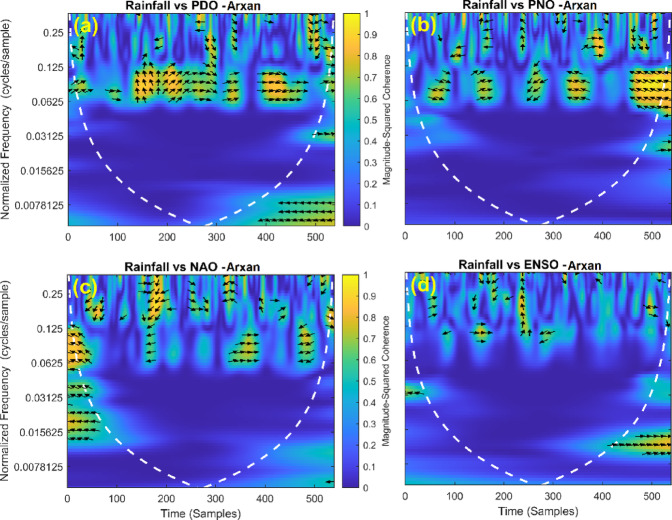 Figure 10
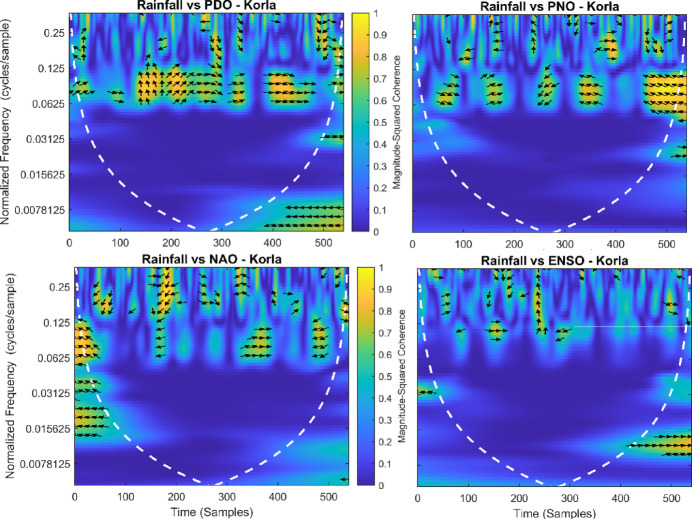 Figure 11
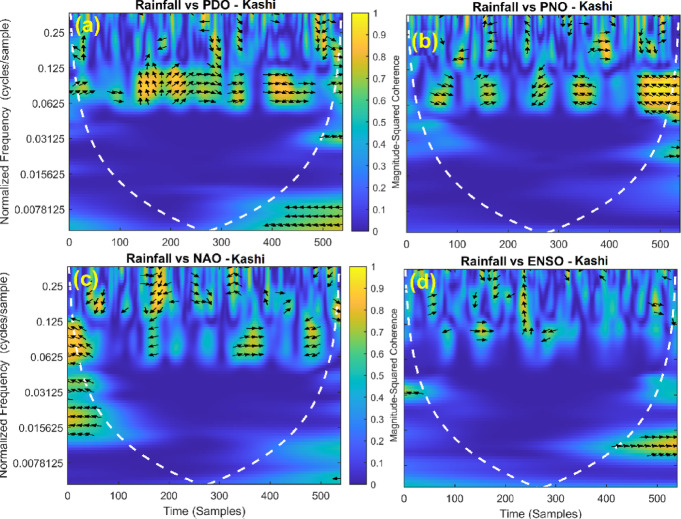 Figure 12
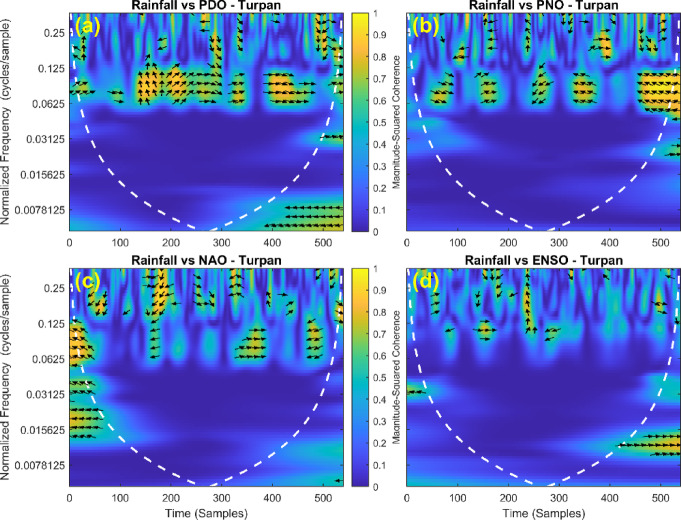 Figure 13
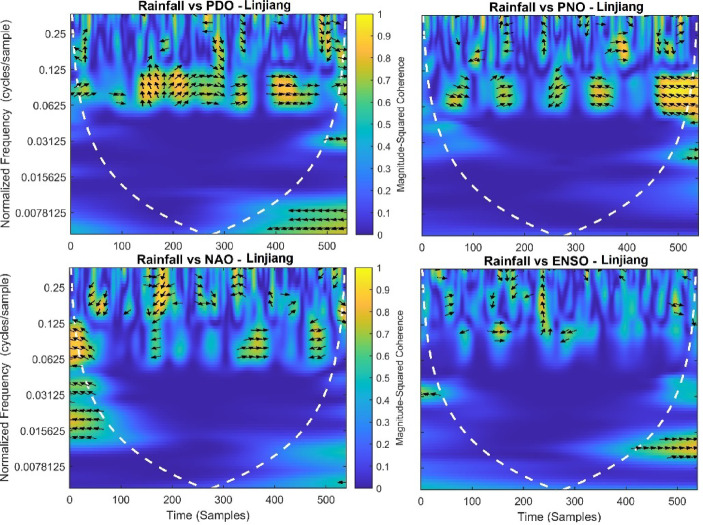 Figure 14
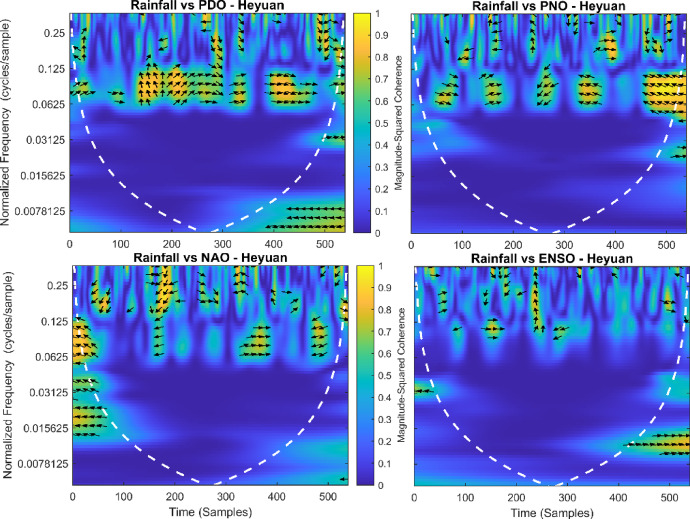 Figure 15
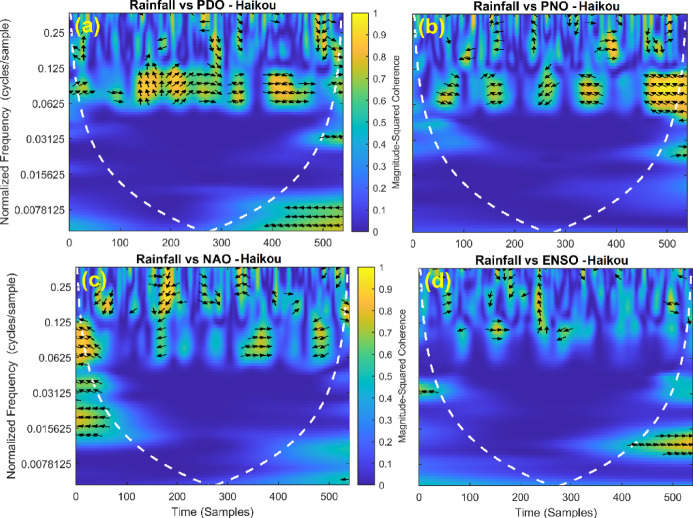 Figure 16
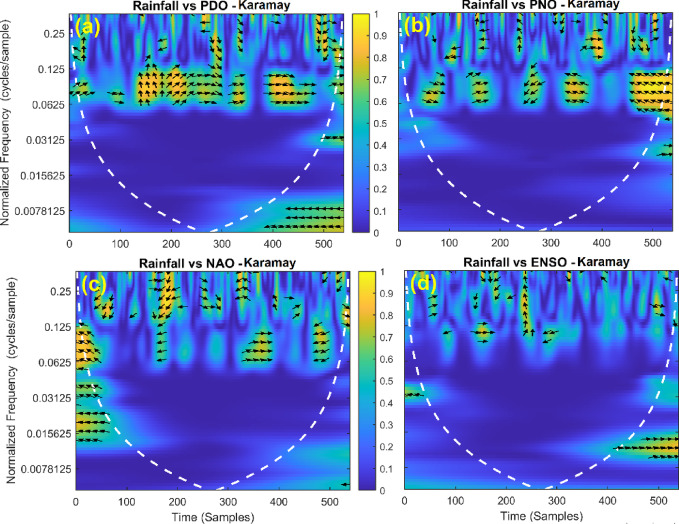 Figure 17
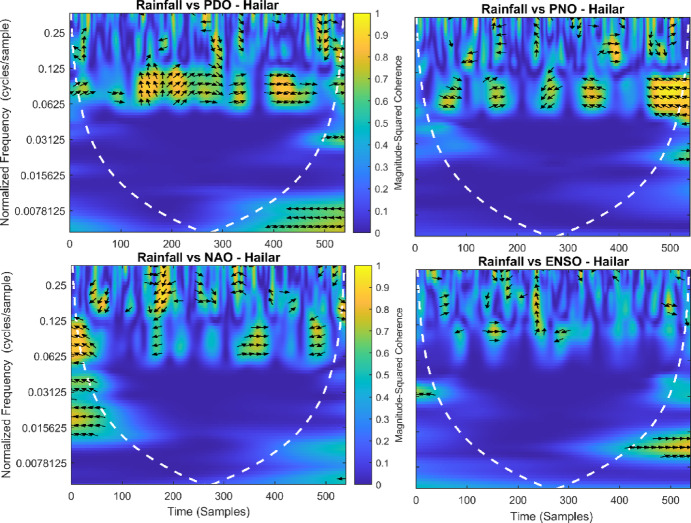 Figure 18
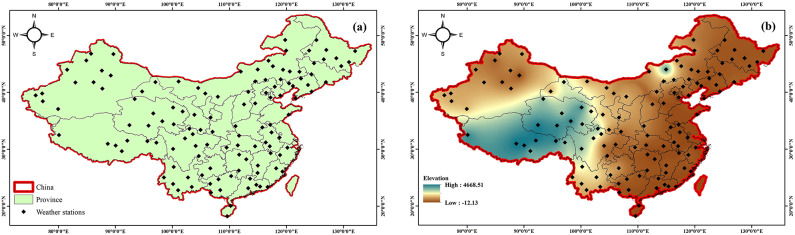 Figure 1
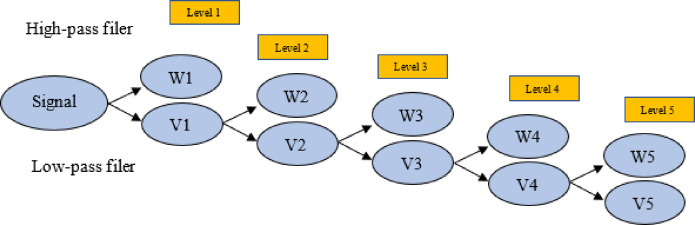 Figure 2
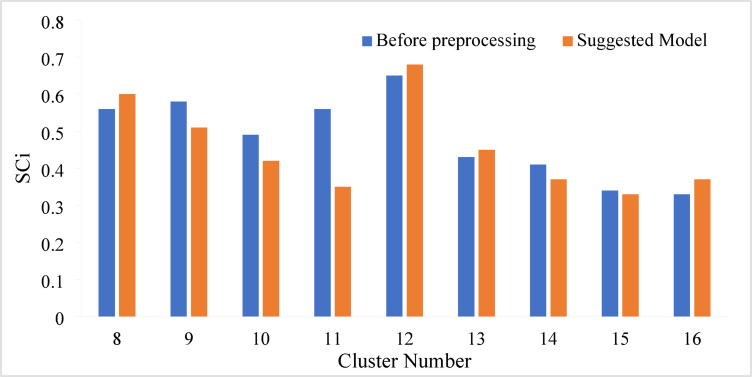 Figure 3
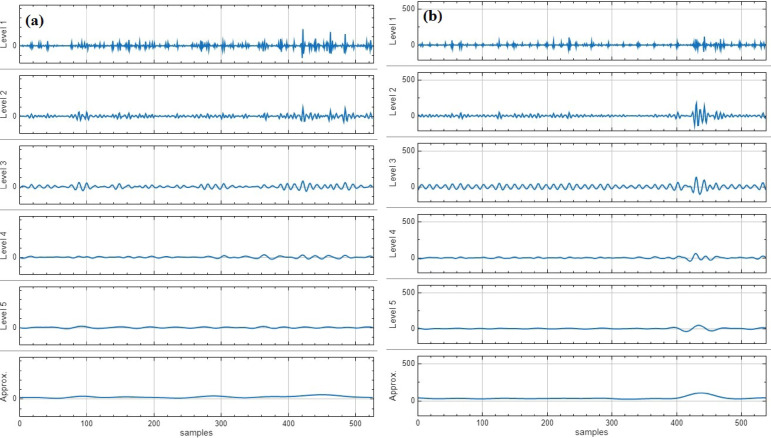 Figure 4
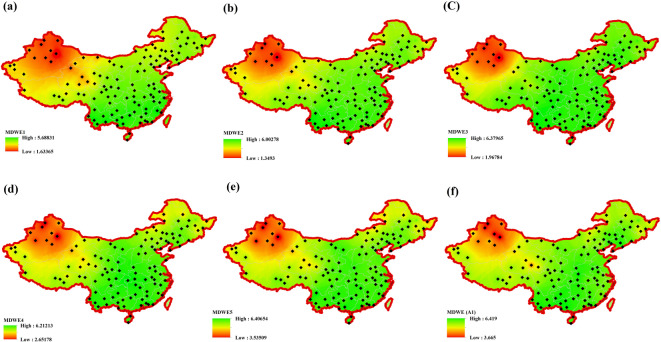 Figure 5
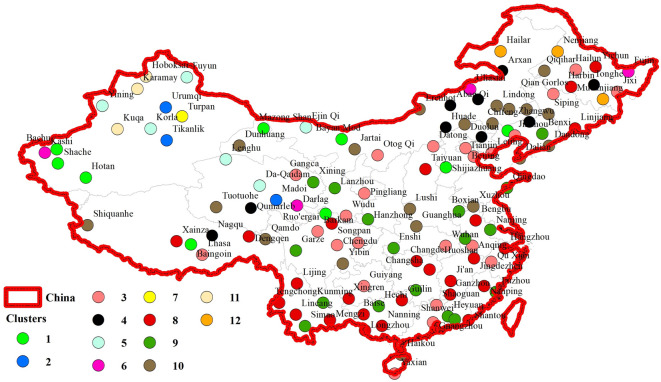 Figure 6
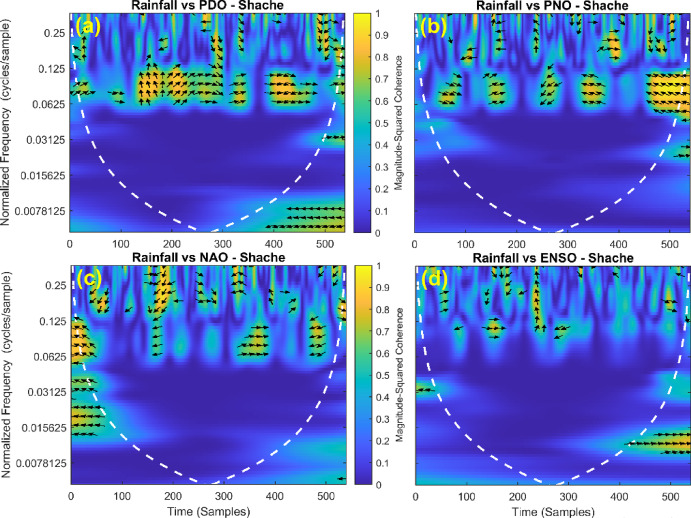 Figure 7
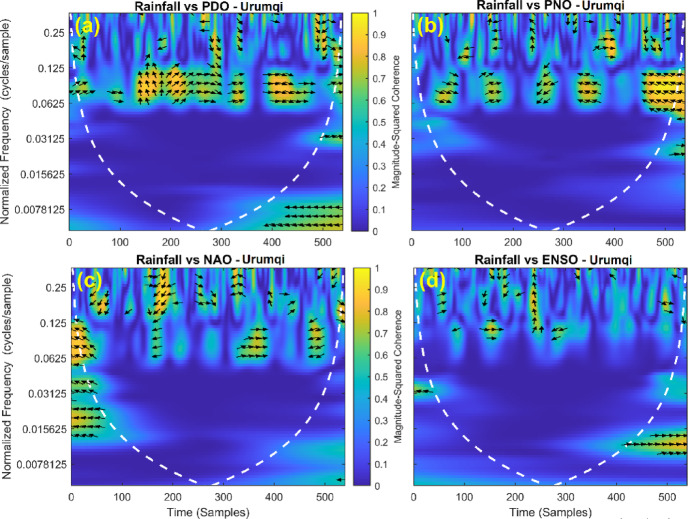 Figure 8
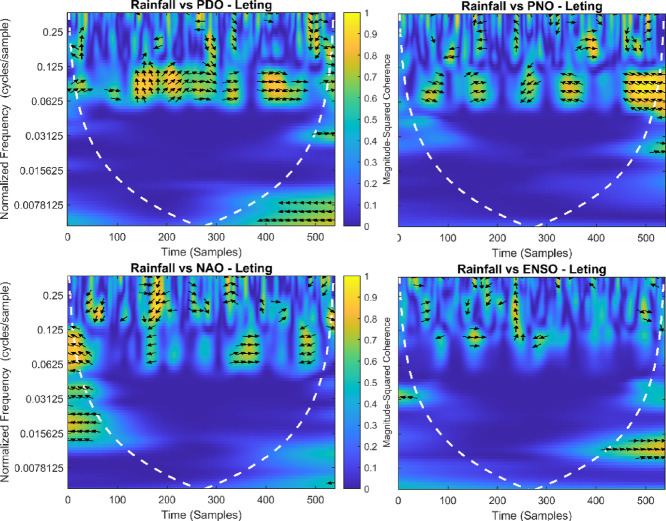 Figure 9
Peer Reviews
No public reviews on file for this paper yet. If you reviewed it on a platform where reviews are public (OpenReview, ICLR, NeurIPS, ICML), you can paste yours below so the community can read it here.
Videos
No videos yet. Explain this paper in a talk, walkthrough, or lecture? Add one.
Taxonomy
TopicsClimate variability and models · Hydrological Forecasting Using AI · Hydrology and Drought Analysis