Characterization of a simple potentiometric graphite based sensor and its effective applicability in sensitive and selective determination of Cu(II) ion in vegetable foliar, real water and pharmaceutical samples
Menna A. Gaber, Gehad G. Mohamed, M. M. Omar, Aya E. Ali

TL;DR
A new graphite-based sensor was developed to detect Cu(II) ions in various samples with high sensitivity and selectivity.
Contribution
The paper introduces a Schiff base-modified graphite sensor with a wide detection range and good reproducibility for Cu(II) determination.
Findings
The sensor showed a linear response to Cu(II) in the range of 1 × 10⁻⁷ to 1 × 10⁻¹ mol L−1.
The detection limit was 5.0 × 10⁻⁸ mol L−1 with high selectivity confirmed using multiple methods.
The sensor successfully detected Cu(II) in water, multivitamin, and vegetable foliar samples comparable to AAS.
Abstract
The importance of Cu(II) in environmental, biological, and industrial systems makes it crucial to develop a highly selective and sensitive analytical methodology for its determination. Herein, a graphitic based sensor modified with a Schiff base, namely 2-(((3-aminophenyl) imino) methyl) phenol was developed and applied. A broad concentration range (1 × 10⁻⁷- 1 × 10⁻¹) mol L−1 was covered by the electrode’s linear response to Cu(II), which had a 29.571 ± 0.8 mV decade−1 Nernstian slope. It was highly reproducible (inter and intraday RSDs%=0.94–2.12), with a response time of approximately 15 s and pH working rang was from 3.5 to 6.5. and had a two-month lifespan. With this modified sensor, 5.0 × 10⁻⁸ mol L−1 was the detection limit and1.65 × 10−7 mol L−1 was the limit of quantification. Over a wide range of metal ions, the suggested electrode exhibited very good selectivity for Cu(II)…
Genes, proteins, chemicals, diseases, species, mutations and cell lines named across the full text — each resolved to its canonical identifier and authoritative record.
Click any figure to enlarge with its caption.
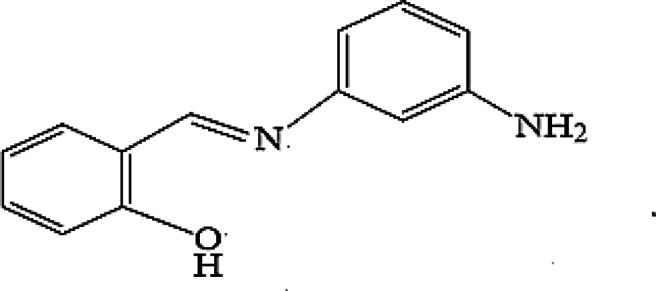 Figure 1
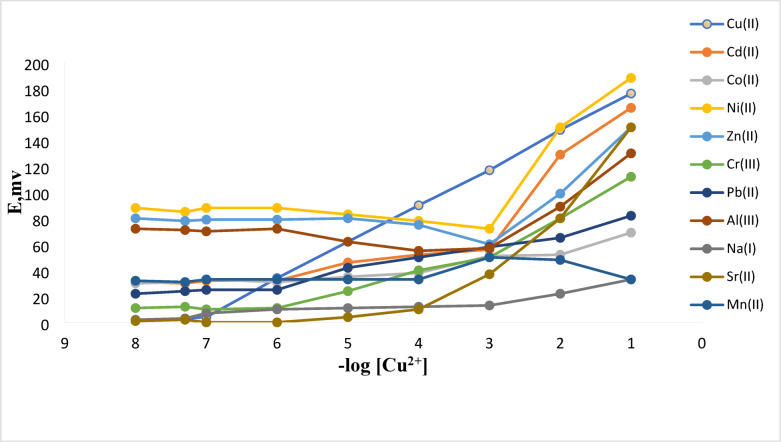 Figure 2
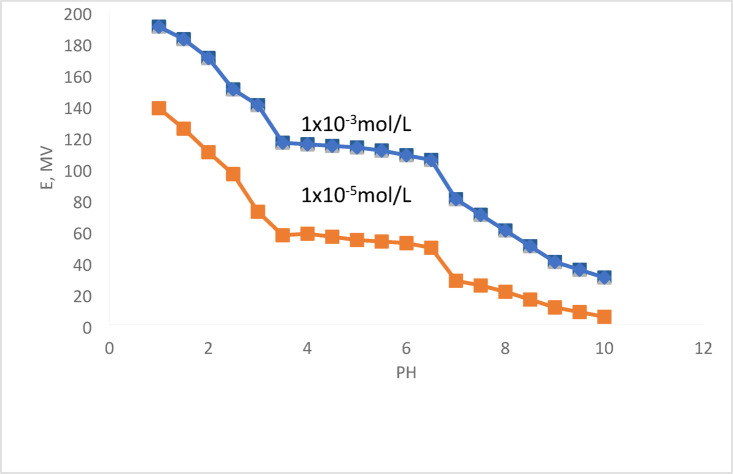 Figure 3
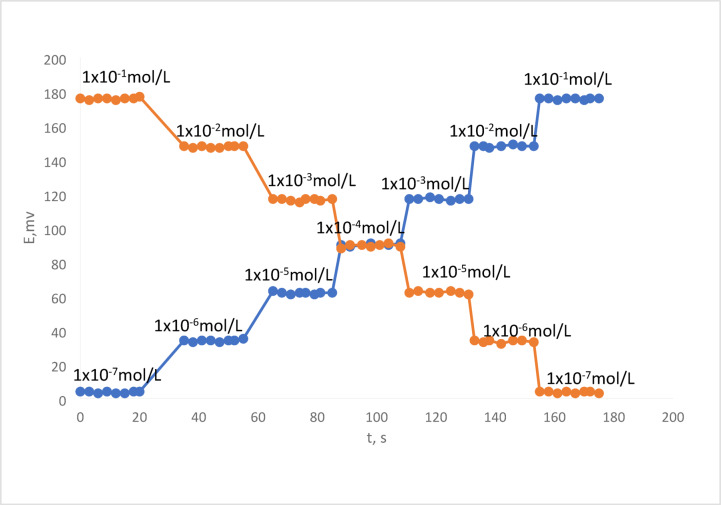 Figure 4
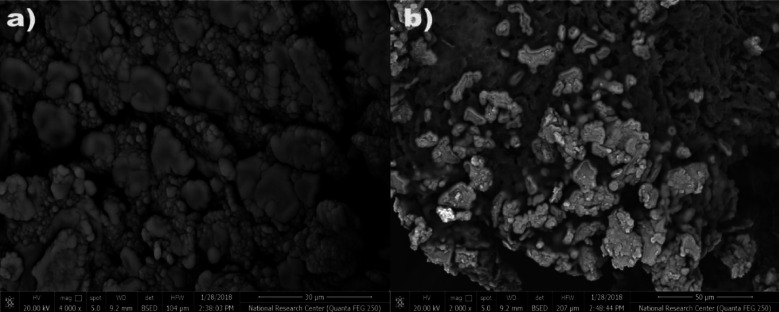 Figure 5
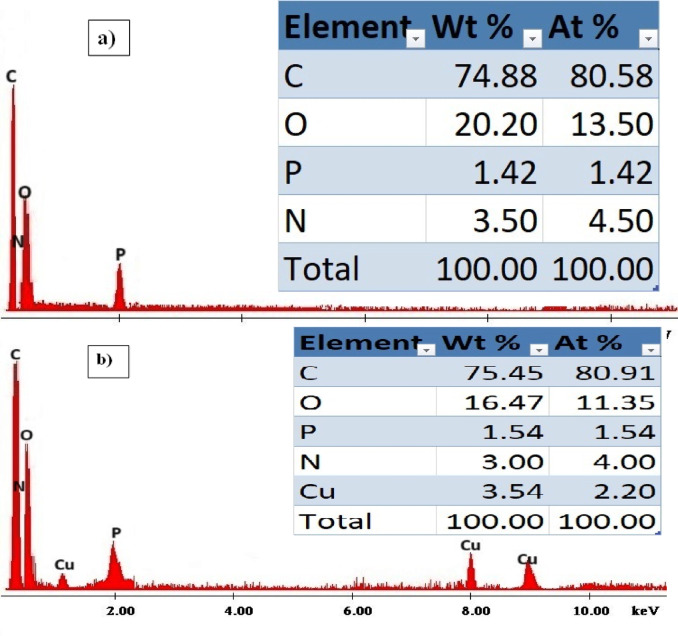 Figure 6
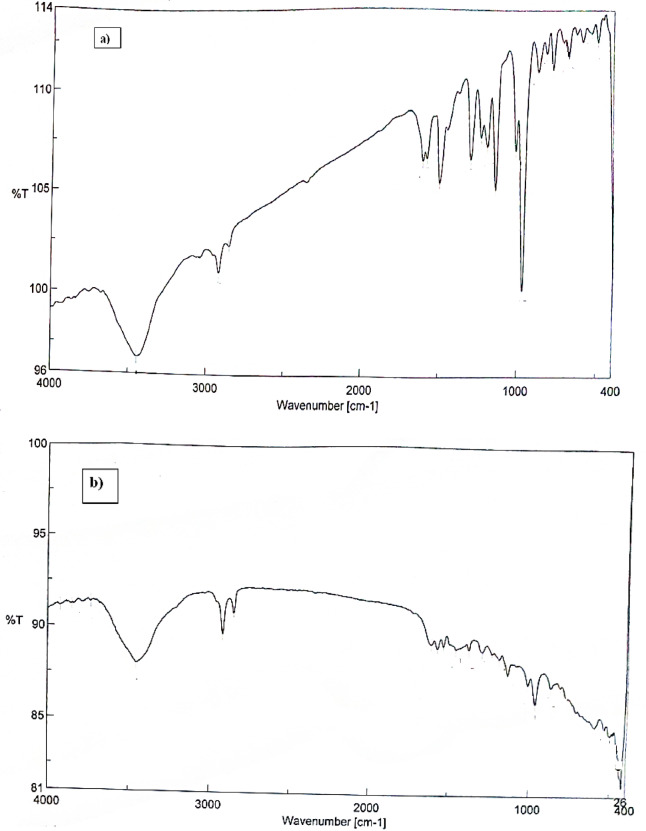 Figure 7
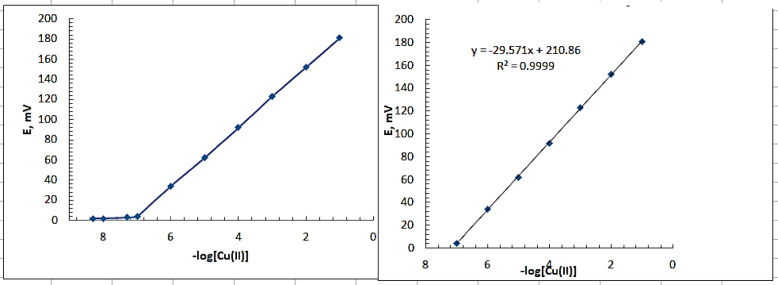 Figure 8
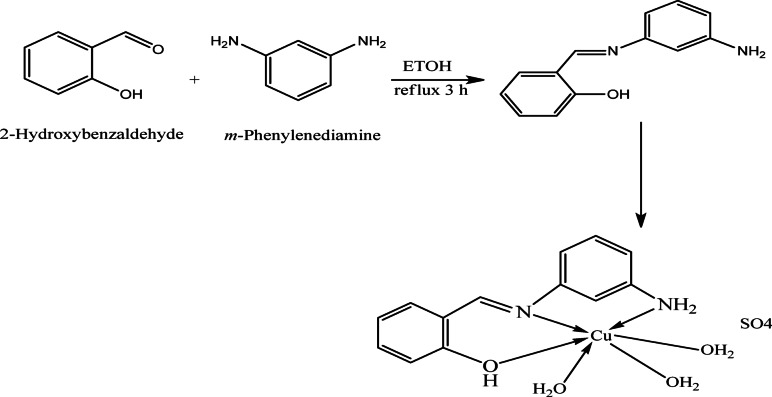 Figure 9
Peer Reviews
No public reviews on file for this paper yet. If you reviewed it on a platform where reviews are public (OpenReview, ICLR, NeurIPS, ICML), you can paste yours below so the community can read it here.
Videos
No videos yet. Explain this paper in a talk, walkthrough, or lecture? Add one.
Taxonomy
TopicsAnalytical Chemistry and Sensors · Electrochemical sensors and biosensors · Electrochemical Analysis and Applications